Remote Fishing Spots on Lake Eufaula
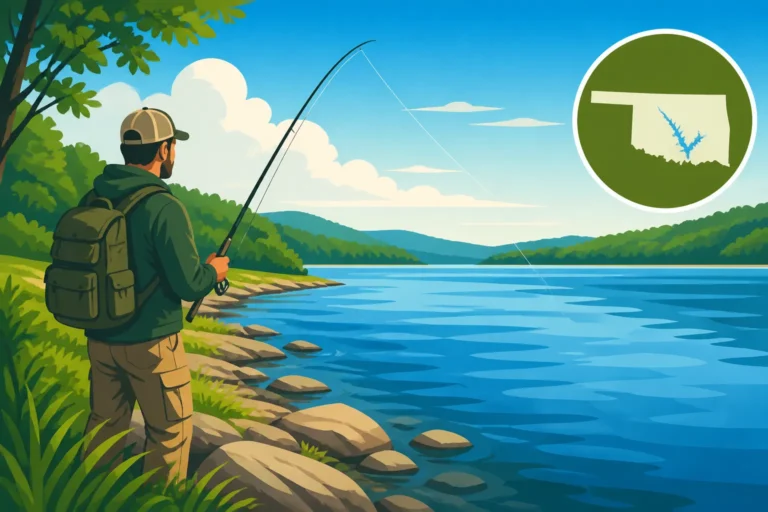
It's happened to all of us: you pull up to your favorite boat ramp on Lake Eufaula, sun just starting to peek over the horizon, only to find the parking lot already crammed. Or you're casting from a familiar bank, and it feels like you're shoulder-to-shoulder with a dozen other anglers, all vying for the same spot. Lake Eufaula is a magnificent fishery, but sometimes, you just want to escape the crowds, find a little peace, and discover those less-pressured areas where the fish might be a bit more willing to bite. This guide is all about helping you uncover those quiet, remote fishing spots on Lake Eufaula where you can truly connect with nature and perhaps land that trophy you've been dreaming of.
The Allure of Lake Eufaula's Untouched Corners
There's a special kind of magic that comes with finding a truly remote fishing spot. It's not just about catching more fish, though that's certainly a bonus. It's about the solitude, the feeling of discovery, and the chance to observe wildlife without the constant hum of boat motors or chatter from other anglers. Lake Eufaula, being Oklahoma's largest lake, offers an incredible amount of shoreline and hidden coves, making it a prime candidate for those willing to explore beyond the well-trodden paths.
Why Go Off the Beaten Path?
Let's be honest, the popular spots around marinas, well-known brush piles, or easily accessible points get hit hard. Fish in these areas can become wary, making them harder to entice. When you venture into more remote sections of Lake Eufaula, you're often targeting fish that haven't seen a parade of lures every day. This can lead to more aggressive bites and a more rewarding experience overall. Plus, the peace and quiet are often worth the extra effort. Imagine casting your line with nothing but the sound of birds and the gentle lapping of water against your boat or the bank. It's therapeutic.
The Challenges of Remote Fishing
While the rewards are great, it's important to be realistic about the challenges. Remote spots often mean less access, whether it's a longer drive down a gravel road, a more difficult launch, or a longer paddle or hike. You might not have cell service, and help could be further away if something goes wrong. Navigation can be trickier, and understanding the unique features of these secluded areas takes a bit more homework. It requires a bit more preparation and a commitment to self-reliance. But for many of us, that's part of the adventure!
Pinpointing Lake Eufaula's Hidden Gems
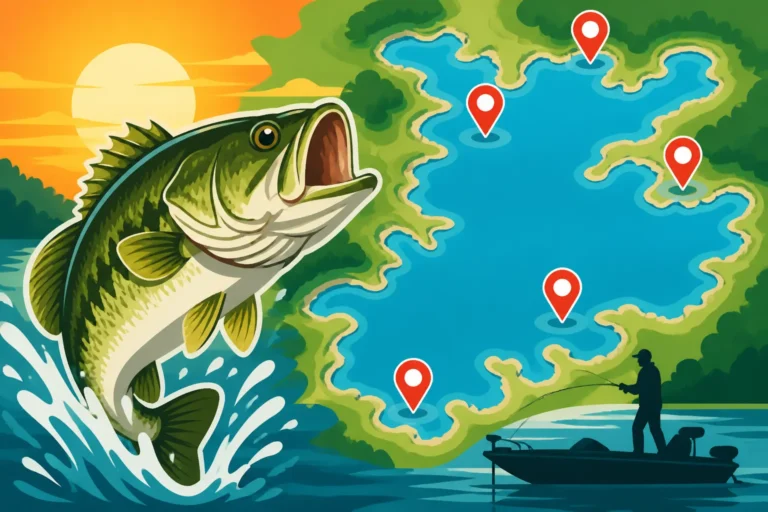
Lake Eufaula is absolutely massive, covering over 102,000 acres with an incredible 600 miles of shoreline. This vastness is exactly why it holds so many secrets for those willing to seek them out. You won't find these spots marked on every public map, and that's precisely the point. We're talking about areas requiring a bit of extra effort, whether by boat, kayak, or on foot.
The North End's Timbered Creeks and River Arms
The northern reaches of Lake Eufaula, particularly where the North Canadian River and Deep Fork River feed into it, offer some truly secluded fishing. These areas are characterized by extensive standing timber, submerged brush, and winding creek channels that can be difficult to navigate for larger boats.
The area around the town of Eufaula itself has plenty of activity, but head further north up the arms, and you'll quickly find solitude. Look for the numerous shallow flats and old river beds inundated with water. These spots are fantastic for largemouth bass, crappie, and even flathead catfish. The current is often gentler here, and the abundance of cover provides prime ambush points for predatory fish. During the spring, these river arms become critical spawning grounds, and during the fall, baitfish will stack up in the channels, drawing in game fish. For specific tips on catching springtime crappie, check out our guide on how to Catch Crappie During the Spring Spawn at Lake Eufaula, Oklahoma.
Southeastern Coves Near the Canadian River Arm
As you move towards the Canadian River arm on the southeastern side of the lake, away from the main body, you'll encounter a maze of coves and small inlets that get significantly less pressure. Think about the stretches of water south of Gaines Creek, for example. These areas often have steep banks dropping into deeper water, punctuated by timber and rock formations.
Access to many of these coves might be via less-maintained roads or require a longer boat run from a major ramp like those found at Eufaula State Park or Dam Site South. The payoff can be substantial, especially for big blue catfish and channel catfish, which often hold in the deeper channels here, as well as decent populations of crappie and bass along the breaks and structure. If you're looking for where to Catch Catfish on Lake Eufaula, these remote pockets are often prime.
The Muddy Boggy Creek Arm: A Wilderness Experience
Further west on the southern side of the lake, the Muddy Boggy Creek arm is another fantastic choice for solitude. This area truly feels wild, with dense forests lining the banks and expansive mud flats and timber in the shallower sections. It can be challenging to navigate, particularly after heavy rains when the water can become very turbid.
However, the fishing can be exceptional. Largemouth bass absolutely thrive in the cover-rich environments here. Crappie also use the timber extensively. Small boats, canoes, and kayaks are ideal for exploring these tight, winding channels and timber-choked bays. This is a place where patience and a willingness to work for your fish truly pay off. For more details on boat selection for these waters, our guide on Best Fishing Boats for Oklahoma's Lake Eufaula can offer some valuable insights.
Here's a quick overview of some potential remote fishing zones:
| Remote Zone | Primary Species | Best Access Type | Key Features | Best Season |
|---|---|---|---|---|
| Upper North Canadian River Arm | Largemouth Bass, Crappie | Small Boat, Kayak | Standing Timber, Shallow Flats, Old River Beds | Spring, Fall |
| Deep Fork River Arm | Largemouth Bass, Catfish | Small Boat, Kayak | Extensive Timber, Winding Channels | Spring, Fall |
| Southeastern Coves (Gaines Cr.) | Blue Catfish, Crappie | Boat, Kayak | Steep Banks, Rock Formations, Deep Channels | Year-round |
| Muddy Boggy Creek Arm | Largemouth Bass, Flathead | Kayak, Small Boat | Dense Timber, Mud Flats, Wilderness Feel | Spring, Summer |
The Right Tools and Techniques for Secluded Eufaula Fishing
Venturing into remote fishing spots isn't just about knowing where to go, but also how to fish those specific areas effectively and with the right gear. These places often demand a different approach than the bustling main lake.
Stealth and Approach
In quieter, less-pressured waters, fish are often less accustomed to human presence. This means stealth is your best friend. If you're in a boat, use your trolling motor sparingly and keep your movements quiet. Kayak anglers have a natural advantage here, as kayaks are inherently stealthy. Even bank anglers need to be mindful of heavy footfalls or casting shadows over the water. A quiet approach can make all the difference in getting those unpressured bites. For those considering a kayak, our guide on Kayak Fishing Gear Every Oklahoma Angler Needs offers great tips.
Choosing the Right Tackle
For the timber-choked and brushy areas prevalent in many remote Eufaula spots, heavy-duty tackle is often a necessity. You'll be pulling fish out of thick cover, which means stronger rods, heavier line, and sturdy hooks are critical to prevent break-offs.
- Rods: A medium-heavy to heavy action casting rod (7' to 7'6") is excellent for pitching and flipping into dense cover for bass. For crappie in timber, a sensitive medium-light spinning rod (6' to 7') is still preferred, but pair it with a strong backbone to get those slabs out.
- Reels: High-speed baitcasting reels for bass fishing allow you to take up slack quickly and control the fight. Spinning reels for crappie or lighter applications should have a smooth drag.
- Line: Fluorocarbon or braided line is king in these remote, brushy areas. Braided line, with its no-stretch properties and high abrasion resistance, is ideal for punching through mats or pulling fish from submerged trees. Pair it with a fluorocarbon leader if you need extra stealth in clearer water. For general purpose, 15-20 lb fluorocarbon or 30-50 lb braid for bass and 6-10 lb mono or braid for crappie should cover most situations.
- Lures/Baits:
- Bass: Jigs, Texas-rigged plastics (worms, creature baits), spinnerbaits, and topwater frogs (for heavy vegetation) are excellent choices.
- Crappie: Small jigs (1/16 to 1/8 oz) tipped with soft plastics or live minnows under a float are always effective. In heavy timber, consider a vertical jigging technique.
- Catfish: Cut bait (shad, sunfish), punch bait, or large worms fished on the bottom with a slip-sinker rig.
Navigational Aids and Safety Gear
Since you'll be away from crowded areas, reliable navigation is paramount. A good GPS unit on your boat's fish finder or even a robust fishing app on your phone (download maps for offline use!) can be a lifesaver. Mark your entry and exit points, as well as any hazards like submerged stumps or shallow sandbars.
Safety should always be your top priority. Pack extra water, snacks, a first-aid kit, a fully charged cell phone (even if service is spotty), and definitely tell someone where you're going and when you expect to return. Always wear your life jacket, especially if you're in a kayak or a smaller boat navigating tricky waters. Remember that even during Oklahoma Free Fishing Days, safety rules and gear requirements still apply.
Planning Your Secluded Fishing Adventure
A successful trip to Lake Eufaula's remote fishing spots starts long before you even leave your driveway. Thoughtful planning can make the difference between an unforgettable day and a frustrating one.
Research and Reconnaissance
Before heading out, do your homework. Satellite maps (like Google Earth or fishing apps with satellite overlays) are invaluable. You can virtually scout out potential access points, identify areas with dense timber, analyze creek channels, and spot hidden coves. Look for changes in depth, old roadbeds, or channels that lead away from the main lake body.
Talk to local tackle shop owners or guides. While they might not reveal their exact honey holes, they can often provide general advice on patterns in less-pressured areas or point you toward sections of the lake that historically produce good catches away from the crowds. If you're looking for expert local guidance to explore truly off-the-beaten-path locations, considering a guided trip found on FishingBooker can really enhance your experience and shorten your learning curve. Their local guides often know the nuances of these secluded spots.
Best Times to Visit Remote Spots
While remote spots generally hold fish year-round, certain seasons and times of day will maximize your success and comfort:
- Spring (March-May): As water temperatures rise, fish move into shallower, timbered creeks and coves for spawning. These remote areas become incredibly productive for both bass and crappie. The weather is often mild, making for pleasant conditions.
- Summer (June-August): Early mornings and late evenings are key. During the heat of the day, fish will often retreat to deeper, cooler water or dense overhead cover. Night fishing can also be incredibly productive in remote areas, especially for catfish and crappie, but requires extra safety precautions.
- Fall (September-November): Fish become very active, feeding heavily as they prepare for winter. They'll often follow baitfish into shallower creeks and coves. The fall colors also make for a breathtaking backdrop.
- Winter (December-February): While challenging, winter fishing in remote spots can yield some of the largest fish. Look for deeper channels and creek bends where fish congregate in schools. The cold deters many anglers, leaving these spots even more peaceful.
Checking the local weather forecast is crucial, especially for wind and storms. Strong winds can make navigating remote areas difficult and even dangerous, particularly in smaller boats or kayaks. You don't want to get stuck in a secluded cove when a squall rolls in.
What to Pack Beyond the Tackle Box
Since you're heading to less-developed areas, you need to be self-sufficient. Don't forget:
- Plenty of Water and Snacks: You might not have access to convenience stores for hours.
- Sun Protection: Hat, sunglasses, sunscreen.
- Insect Repellent: Especially in timbered areas during warmer months.
- Trash Bag: Always pack out everything you pack in. Leave no trace.
- First-Aid Kit: For minor cuts, scrapes, or hook mishaps.
- Communication Device: Fully charged phone or a marine radio.
- Anchor: Essential for holding position in current or wind.
- Paddle/Oars: Even if you have a trolling motor, a backup is smart.
- A Change of Clothes: Just in case you get wet.
Remember, the goal is a rewarding and safe experience. Being well-prepared for any contingency is part of the remote fishing adventure. Sometimes, for those tricky remote spots, hiring a local expert through a platform like FishingBooker can provide not only the knowledge but also the added safety of an experienced captain.
Embracing the Eufaula Wilderness Experience
Fishing Lake Eufaula's remote spots isn't just about the fish you catch; it's about the experience of getting away from it all. It's about the challenge of finding those hidden pockets of activity, the thrill of a bite when you thought nothing was there, and the sheer beauty of Oklahoma's largest lake in its natural, untamed state. Whether you're a seasoned angler looking for new challenges or someone seeking a peaceful escape from the everyday hustle, Lake Eufaula's remote areas are waiting to be explored.
As you plan your next trip, don't just consider the well-known hotspots. Think about those winding creek arms, the timber-choked backwaters, and the quiet coves that few others bother to visit. These are the places where memories are made, where you might find a true trophy, and where the spirit of fishing feels most alive. To really maximize your chances, consider brushing up on other topics like Best Bass Fishing Lakes Across Oklahoma or how to Find Crappie in Deep Water in Summer, as these principles apply even in remote zones. Happy exploring, and tight lines!
Disclaimer
Please note that fishing regulations, conditions, and access points can change. Always check the latest Oklahoma Department of Wildlife Conservation (ODWC) regulations before heading out. Exercise caution when exploring remote areas, be aware of your surroundings, and prioritize safety. This guide is for informational purposes only.