Hudson Lake’s Ten-Inch Crappie Limit Explained
Heading out to Hudson Lake for some crappie fishing, only to realize the rules aren't quite the same as your usual spots, can be a real head-scratcher. Many anglers get caught off guard by special regulations designed to protect specific fisheries, making an otherwise relaxing day stressful. This comprehensive guide will clear up all the confusion around Hudson Lake's unique ten-inch crappie length limit and daily bag limits, ensuring your next trip is both successful and compliant with Oklahoma Department of Wildlife Conservation guidelines.
Understanding the Crappie Limit at Hudson Lake
It’s easy to assume that all lakes in Oklahoma follow the same fishing rules, but that's simply not the case, especially when it comes to crappie. Hudson Lake is one of those special places with a specific set of regulations designed to manage its particular fishery. If you’re planning a trip, understanding these nuances is critical to having a great day on the water and avoiding any unwelcome surprises from a game warden.
The Specifics of the Ten-Inch Minimum Length
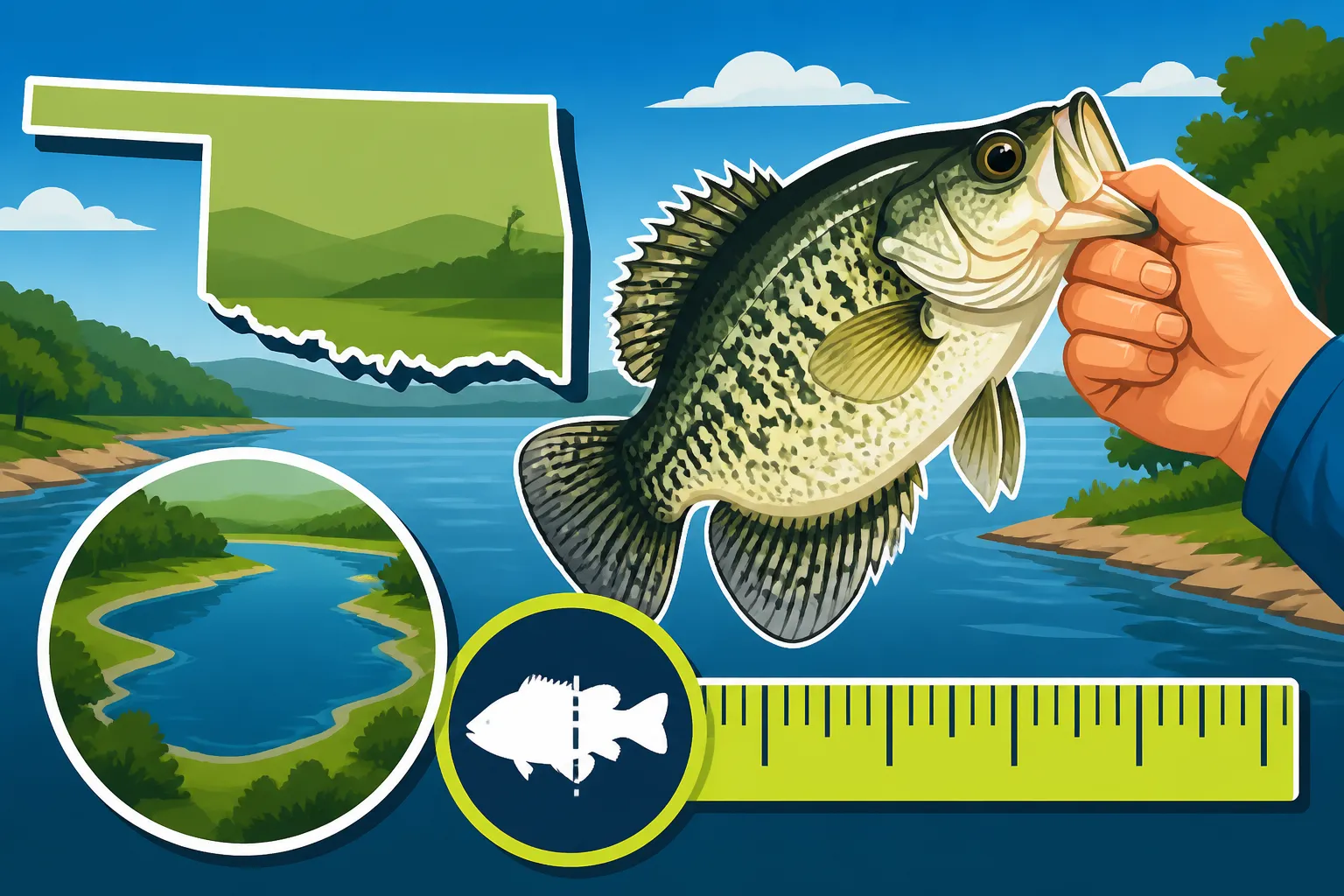
For crappie fishing at Hudson Lake, there's a strict minimum length requirement: any crappie you intend to keep must be at least ten inches long, measured from the tip of the snout to the end of the tail with the mouth closed. This isn't just a suggestion; it's a hard and fast rule. This means that if you pull in a beautiful crappie that measures nine and three-quarters inches, as tempting as it might be, you absolutely have to release it immediately and gently back into the water. It can be frustrating, especially when you’re catching a lot of healthy, but slightly undersized, fish. You might feel like you’re doing all the right things, but if they don’t meet that ten-inch mark, they have to go back. Always carry a reliable measuring device on your boat or in your tackle box – a simple bump board or even a tape measure can save you a lot of grief.
The Daily Bag Limit for Crappie
In addition to the length limit, Hudson Lake also has a specific daily bag limit for crappie. While the statewide crappie bag limit in Oklahoma is quite generous at 37 fish, Hudson Lake imposes a much stricter limit of 15 crappie per person per day. This limit applies to both black and white crappie combined, meaning you can't keep 15 of each; it's a total of 15 fish. So, you could keep 15 black crappie, or 10 black and 5 white crappie, or any combination, as long as the total doesn't exceed 15 and every single one of those fish meets the ten-inch minimum length requirement. Imagine you're having an incredible day, and you've already boated 12 crappie, all over ten inches. You know you only have three more fish left to keep, regardless of how many more you might catch. It truly makes you more selective and thoughtful about each fish you put in the livewell. For more general information on daily limits, you can check out Oklahoma Statewide Crappie Bag Limit.
How This Differs from Statewide Rules
The rules at Hudson Lake stand out because many other lakes in Oklahoma don't have a minimum length limit for crappie at all, allowing anglers to keep any size as long as they adhere to the statewide daily bag limit. This difference can easily trip up anglers who typically fish other areas. For instance, if you're used to fishing a private pond or a lake without specific regulations, you might be accustomed to keeping every crappie you catch, as long as it's healthy. Hudson Lake, however, is one of the distinct exceptions where the Oklahoma Department of Wildlife Conservation (ODWC) has implemented a special management plan. This stricter approach aims to enhance the crappie population and improve the overall quality of the fishery, but it does require anglers to be extra vigilant. Understanding these variations is part of being a responsible angler in our great state.
Why Hudson Lake Has a Stricter Crappie Limit
It’s natural to wonder why certain lakes have different rules. It can feel like an extra hurdle when all you want to do is enjoy a peaceful day of fishing. However, these regulations aren't arbitrary. They are carefully implemented by the Oklahoma Department of Wildlife Conservation (ODWC) based on scientific data and observations unique to each body of water.
Protecting the Fishery and Promoting Growth
The primary reason for Hudson Lake's ten-inch crappie limit and reduced bag limit is to protect and improve the health and sustainability of its crappie fishery. In some lakes, crappie populations can become over-populated with smaller, slower-growing fish due to various factors like excessive harvest of larger fish or limited food resources. By imposing a minimum length limit, the ODWC encourages anglers to release the smaller crappie, giving them a chance to grow into larger, more desirable sizes. This strategy also allows a greater number of fish to reach spawning maturity and reproduce, ensuring a robust future for the population. Think of it like a garden – sometimes you need to prune the smaller plants to allow the larger ones to flourish. It’s a long-term investment in better fishing experiences for everyone who visits Hudson Lake. You might feel a little miffed releasing a perfectly healthy 9-inch crappie, but that little guy has a better chance now to grow into a real slab for someone else (or you!) to catch next year.
Signs of Success from the Regulations
These stricter regulations aren’t just about making things tougher for anglers; they are a proven method for improving fishing quality. Lakes that implement minimum length limits often see an increase in the average size of fish caught over time. This means that while you might release more crappie on a given day, the ones you do keep are likely to be bigger, fatter, and put up a better fight. The goal is to shift the population structure towards more trophy-sized crappie, making Hudson Lake a prime destination for anglers seeking a quality experience, not just a high quantity of small fish. The ODWC continually monitors these populations, and if the data shows the rules are working, it means more exciting days on the water for us all. It's a testament to the idea that sometimes, less is more, especially when it comes to managing our natural resources. For a broader look at crappie regulations, check out Crappie Fishing Rules and Limits in Oklahoma.
Practical Tips for Anglers Fishing Hudson Lake
Navigating special regulations can be tricky, but with a few adjustments to your routine and gear, you can still have an incredibly productive and enjoyable crappie fishing trip to Hudson Lake. It all comes down to being prepared and adapting your approach.
Measuring Your Catch Accurately
The ten-inch length limit means accurate measurement is non-negotiable. Don't eyeball it! Always carry a reliable measuring board or a simple tape measure that’s easy to use. When you land a crappie, measure it from the tip of its closed mouth to the very end of its tail. Make sure the fish is laid flat and straight for the most accurate reading. If it's even a hair under ten inches, it goes back. This might seem tedious, but it's crucial for compliance. It also encourages responsible handling. Handle fish gently, especially those you're releasing, to minimize stress and injury. Wet your hands before touching the fish to protect its slime coat, and try to keep it out of the water for the shortest time possible. If you want to refine your crappie techniques, explore Crappie Fishing Techniques and Seasonal Patterns in Oklahoma.
Adjusting Your Fishing Strategy
Since you're targeting larger crappie, you might need to adjust your usual tactics. Consider using slightly larger baits or jigs, as bigger baits often deter smaller fish. Focus on deeper structures, brush piles, or submerged timber where larger crappie tend to reside. Sometimes, simply moving to a different part of the lake or focusing on areas with known deeper water can make a difference. Many anglers find success at Hudson Lake by targeting ledges and drop-offs with jigs tipped with minnows or soft plastics. If you're struggling to locate the bigger fish or want expert local advice, consider booking a trip through a service like FishingBooker with a guide who specializes in Hudson Lake. They'll know the hotspots and the best techniques for catching those legal-sized slabs. You might also find some excellent information in our Hudson Lake Fishing Guide, Oklahoma.
What to Do with Undersized Crappie
Releasing undersized crappie correctly is just as important as knowing the legal limit. A quick, gentle release significantly increases the fish's chances of survival. Avoid dropping fish from a height back into the water. Instead, gently lower them back in, ensuring they swim off on their own power. If a fish seems sluggish, hold it gently in the water, facing into any current, until it regains its strength and swims away. Minimizing air exposure is key; a fish out of water too long suffers stress and potential organ damage. Using barbless hooks or crimping down barbs on your hooks can also make for easier and less damaging releases, further aiding in the conservation efforts. Remember, every healthy crappie you release has the potential to grow into a trophy catch for another day.
Comparing Hudson Lake's Rules to Other Oklahoma Lakes
Oklahoma is a diverse state with an incredible variety of fishing opportunities, but that also means a patchwork of regulations. Understanding how Hudson Lake's rules fit into the larger picture can help you plan future fishing adventures across the state.
Crappie Limits Across the State
While Hudson Lake enforces a ten-inch minimum length and a 15-fish daily bag limit, many other popular Oklahoma lakes have different rules. For instance, the statewide limit is 37 crappie per day with no length restriction, which is a significant contrast. However, Hudson isn't the only lake with special rules. Lakes like Tenkiller, Fort Gibson, and Arbuckle also have specific crappie regulations designed to manage their unique fisheries. For example, some lakes might have a 10-inch minimum length like Hudson, but with a slightly different bag limit, or no length limit but a reduced bag limit compared to the statewide 37.
Here's a quick comparison of crappie regulations at some popular Oklahoma lakes:
| Lake Name | Minimum Length Limit | Daily Bag Limit |
|---|---|---|
| Statewide Oklahoma | None | 37 |
| Hudson Lake | 10 inches | 15 |
| Lake Arbuckle | 10 inches | 15 |
| Tenkiller Ferry Lake | 10 inches | 15 |
| Fort Gibson Lake | None | 15 |
| Grand Lake O' the Cherokees | None | 37 |
| Lake Texoma | None | 37 |
Note: Always verify current regulations directly with the Oklahoma Department of Wildlife Conservation (ODWC) before fishing, as rules can change.
As you can see, Hudson Lake shares its 10-inch minimum and 15-fish bag with a couple of other well-known crappie spots. This is part of a targeted effort to boost quality fisheries. If you're interested in learning more about these specific lake regulations, you might find our guides on Why Six Oklahoma Lakes Have Stricter Crappie Limits or Fort Gibson Lake's 15-Fish Crappie Limit particularly insightful. Similarly, Grand Lake Crappie Size and Bag Limits offers another perspective on varying rules.
The Importance of Checking Regulations Before You Go
This variation across lakes underscores a crucial point: never assume the rules are the same everywhere. Before every fishing trip to a new lake, or even one you haven't visited in a while, take a few minutes to check the current regulations. The Oklahoma Department of Wildlife Conservation website is the official and most up-to-date source for all fishing regulations. Their annual fishing guide is also an invaluable resource, often available at local sporting goods stores or online. Services like FishingBooker often provide regulation summaries for specific destinations and guides, but always double-check with the official ODWC site. It's truly a small effort that can save you from a potential fine or, more importantly, ensures you're contributing to the health and sustainability of Oklahoma's incredible fishing resources. Ignorance of the law is never an excuse, and a quick check can prevent a bad experience. For general requirements, you can read about Fishing License Requirements in Oklahoma.
Disclaimer
Please note that fishing regulations can change. While every effort has been made to provide accurate and up-to-date information, it is the angler's responsibility to consult the latest official Oklahoma Department of Wildlife Conservation (ODWC) regulations before fishing. This guide is for informational purposes only and should not be considered legal advice.