Keystone Lake Fishing Guide Near Tulsa
Trying to find a fantastic fishing spot near Tulsa that offers a little bit of everything can feel like a real challenge. You're looking for diversity, accessibility, and a place where you can genuinely connect with nature, not just cast a line into a crowded pond. Keystone Lake, nestled conveniently close to the city, is often overlooked but truly stands out as a premier destination for anglers seeking action-packed days targeting multiple species, from aggressive bass to delicious crappie and hefty catfish. This guide will walk you through everything you need to know to make your next trip to Keystone a memorable success.
Why Keystone Lake is a Gem for Tulsa Anglers
Keystone Lake isn't just another body of water; it's a dynamic and rich fishery that offers something special for every type of angler, right on Tulsa's doorstep. For those living in the hustle and bustle of the city, having such a vibrant natural escape so close by is an absolute blessing. It’s large enough to offer endless exploration but also has plenty of accessible spots, making it ideal for both seasoned pros and families looking for a relaxing day out.
A Haven of Diverse Fish Species
One of the biggest draws of Keystone Lake is the sheer variety of game fish that call its waters home. You're not just limited to one or two species; this lake boasts healthy populations of largemouth, smallmouth, and spotted bass, making it a fantastic destination if you love a good bass fight. But the excitement doesn't stop there. Crappie fishing here is legendary, with both black and white crappie thriving in its diverse habitats. And for those who prefer the thrill of a heavy tug, the catfish population, including channel, blue, and flathead varieties, can offer some truly massive catches. Plus, Keystone is well-known for its excellent white bass runs, especially in the spring, providing fast-paced action that's perfect for all skill levels. This incredible biodiversity means you can often target several species in a single outing, keeping your day on the water interesting and productive.
Accessibility and Amenities for Every Angler
Beyond the fantastic fishing, Keystone Lake also shines in its accessibility and the array of amenities available. You don't need a high-dollar bass boat to enjoy this lake, although those certainly have their place. There are numerous public access points, boat ramps, and marinas scattered around its extensive shoreline, making it easy to launch your vessel or simply find a prime spot for bank fishing. Many areas, like those within Keystone State Park, offer camping, picnic areas, and even cabins, so you can turn a day trip into a full weekend adventure. For out-of-towners or those looking for a guided experience, services can be found through platforms like FishingBooker, connecting you with local experts who know the lake's ins and outs. Whether you're a seasoned boater or prefer to fish from shore with the family, Keystone Lake provides the infrastructure to support your angling ambitions.
Understanding Keystone Lake's Unique Geography and Water Conditions
To truly unlock the potential of Keystone Lake, it’s crucial to understand its unique characteristics. This isn't a pristine, crystal-clear mountain lake; it's a dynamic reservoir with influences from major rivers, which means conditions can change, and knowing how to adapt is key to consistent success.
The Grand Neosho and Arkansas River Influence
Keystone Lake is formed by the convergence of two major Oklahoma rivers: the Arkansas River and the Cimarron River. This inflow brings a significant amount of nutrients and sediment, giving much of the lake a characteristic stained to muddy water clarity, especially after heavy rains. The constant flow from these rivers means the lake is always somewhat in flux, creating currents and structure that attract different species at different times. The turbidity, while sometimes challenging for sight-fishing, also provides excellent cover for fish, making them less wary and often more aggressive feeders. Anglers who learn to read the currents and understand how fish relate to the river channels and inundated timber often find the most success. This riverine influence also means a rich forage base, from shad to various baitfish, which in turn supports the robust game fish populations.
Navigating Changing Water Levels and Turbidity
One of the most defining characteristics of Keystone Lake is its fluctuating water levels. As a flood control reservoir, its levels can rise and fall significantly, sometimes quickly, depending on rainfall and releases from the Keystone Dam. This can be both a challenge and an opportunity. When water levels are high, new cover is inundated, creating fresh feeding grounds in flooded timber and vegetation. Conversely, falling water levels can concentrate fish in deeper channels or around main lake points. Similarly, turbidity can vary wildly. The upper reaches of the lake, especially near the river mouths, are often murkier, while areas further downstream and in larger coves might offer clearer water. Successful anglers pay close attention to recent weather patterns and dam operations, adapting their presentations and bait choices to match the prevailing water clarity and depth. It's not uncommon to find clear water fish in one arm and muddy water fish just a short boat ride away, so being versatile is a huge advantage.
Targeting Keystone Lake's Prized Catches
Keystone Lake truly offers a smorgasbord of fishing opportunities. Knowing what to target and when, alongside the right techniques, will drastically improve your chances of a successful outing. Each species has its own habits and preferences, making a multi-species approach both challenging and rewarding.
Mastering the Bass Bite at Keystone
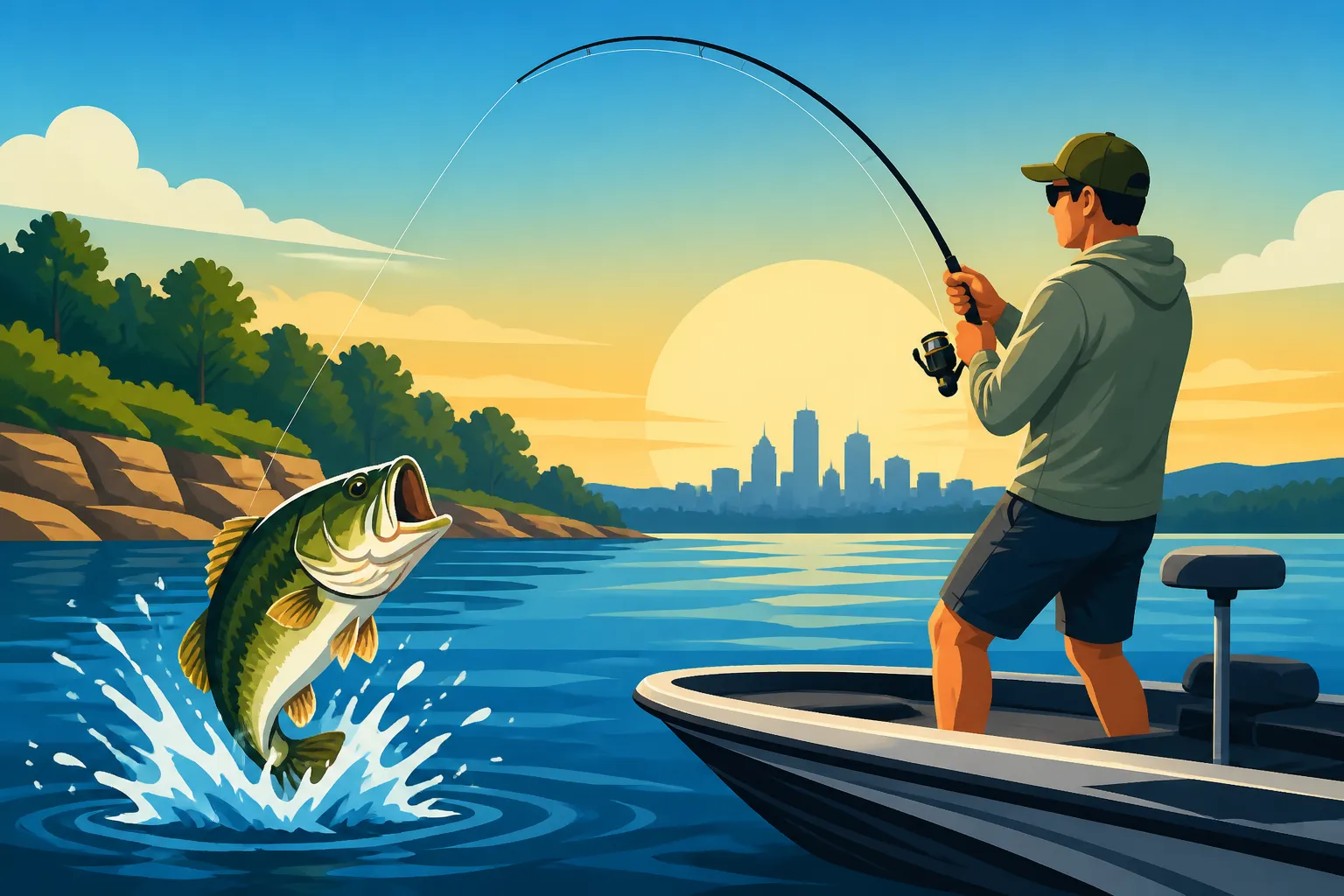
Keystone Lake is renowned for its excellent black bass fishing, encompassing largemouth, smallmouth, and spotted bass. Largemouth bass tend to dominate in the more stained, shallower timbered areas and around brush piles. For these chunky green fish, crankbaits, spinnerbaits, and jigs are perennial favorites. When the water is a bit clearer, or you're fishing along rocky points, smallmouth and spotted bass become more prevalent. These feisty fighters often prefer small finesse baits, shaky heads, or tubes. During the spring, look for bass moving into shallower coves and flats for the spawn, where they can be caught on soft plastics. As temperatures rise in summer, they often retreat to deeper ledges and submerged creek channels. Learning to identify which of Oklahoma's Bass Fishing Rules and Limits apply to your catch is also crucial for responsible angling.
Crappie Strategies for Both Numbers and Size
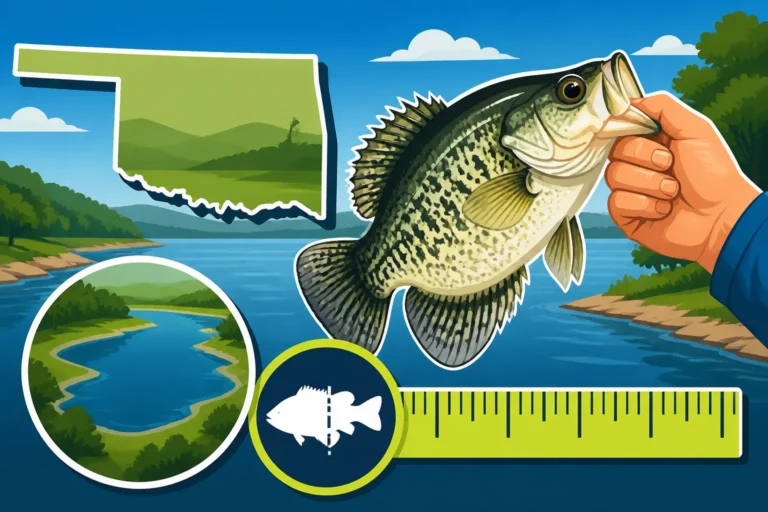
Crappie fishing at Keystone Lake is a favorite pastime for many, and for good reason. Both black and white crappie thrive here, offering both quantity and quality. In spring, crappie move shallow to spawn, congregating in flooded brush, standing timber, and around docks. This is prime time for jigging with small plastics (like Bobby Garland crappie jigs) or fishing live minnows under a float. As the seasons progress, they'll move to deeper brush piles, bridge pilings, and submerged structures. Many anglers use fish finders to locate these submerged trees and then "spider rig" with multiple rods, presenting minnows or jigs at different depths. For specific regulations, remember to check the latest Crappie Fishing Rules and Limits in Oklahoma, as they can sometimes vary by lake. Keystone is known for producing some respectable-sized slabs, especially if you focus on these deeper structures.
Chasing Catfish: From Channels to Blues
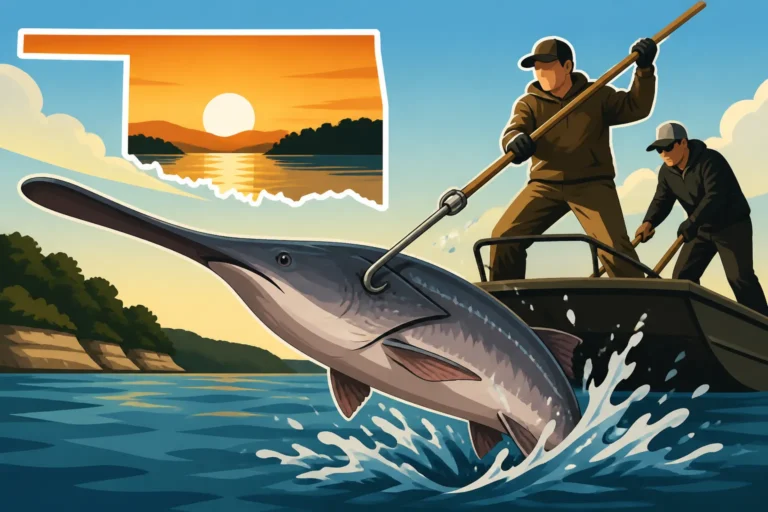
If you're after a powerful fight, Keystone Lake's catfish population won't disappoint. Channel, blue, and flathead catfish are all present, offering diverse challenges. Channel catfish are abundant and can be caught almost anywhere in the lake, often by bank anglers using cut bait, stink bait, or prepared dough baits. They are particularly active in the shallower flats and creek channels. Blue catfish, known for their size, prefer deeper water, especially along the main river channels and submerged humps. Targeting them often involves setting up trotlines for Catfish or jug fishing for Catfish with large cut baits like shad. Flathead catfish are ambush predators that prefer live bait, such as sunfish or perch, and are often found lurking around heavy cover like log jams and rock piles. Always be aware of Oklahoma's Catfish Fishing Rules and Limits to ensure your catch is legal, especially concerning the larger blue catfish.
Finding White Bass Schools and Hybrids
White bass are a fantastic sport fish at Keystone, especially during their spring spawning runs up the river arms. These schooling fish provide fast-paced action and are a blast to catch on light tackle. Look for them feeding on shad near the surface, often indicated by diving birds. Small spoons, inline spinners, and Kastmasters are incredibly effective. Hybrid stripers (a cross between striped bass and white bass) are also present and offer an even harder fight. They typically inhabit open water, chasing schools of shad, and can be caught by trolling or casting similar lures to white bass, just often larger. When the bite is on, it's not uncommon to catch dozens of these hard-fighting fish in a single outing. If you're looking for specific lure suggestions, checking out the Best Lures for White Bass During the Spring Run can give you a leg up.
| Species | Best Season | Primary Locations | Recommended Baits/Lures |
|---|---|---|---|
| Largemouth Bass | Spring, Fall | Timber, brush piles, submerged creek channels | Crankbaits, jigs, spinnerbaits, soft plastics |
| Smallmouth Bass | Spring, Fall | Rocky points, humps, main lake ledges | Finesse jigs, shaky heads, tubes, small crankbaits |
| Crappie | Spring, Fall | Flooded timber, brush piles, bridge pilings | Live minnows, small plastic jigs |
| Channel Catfish | Spring, Summer | Shallow flats, creek channels, coves | Cut bait, stink bait, dough baits, chicken liver |
| Blue Catfish | Year-round | Main river channels, deep humps, old roadbeds | Large cut shad, live sunfish |
| Flathead Catfish | Summer, Fall | Log jams, heavy timber, deep holes | Live sunfish, large live minnows |
| White Bass | Spring, Summer | Open water, river mouths, humps | Inline spinners, small spoons, Kastmasters |
Essential Techniques and Seasonal Tips for Keystone Lake
Fishing at Keystone Lake, like any large body of water, requires adapting your techniques to the changing seasons. What works in April might be completely ineffective in August. Understanding these seasonal patterns is crucial for consistent success and helps you anticipate where the fish will be and what they'll be willing to bite.
Spring: The Pre-Spawn and Spawn Frenzy
Spring at Keystone Lake is a time of intense activity. As water temperatures begin to climb into the 50s and 60s, fish species like bass and crappie move from their deeper winter haunts to shallower areas to prepare for spawning. This "pre-spawn" period is often the best time for trophy catches, as fish are aggressively feeding to bulk up. Look for bass pushing into coves with rocky bottoms or submerged timber, ready to hit crankbaits, spinnerbaits, and jigs. Crappie will similarly move into flooded brush and standing timber in shallower protected bays, making them vulnerable to small jigs and minnows. White bass initiate their famous runs up the Arkansas and Cimarron river arms, offering incredible action on small spoons and spinners for those who seek them. Remember that fish are often concentrated during this time, so when you find one, there are likely more.
Summer: Deep Water and Night Fishing
Summer on Keystone Lake brings warmer water temperatures, pushing many fish to deeper, cooler waters or causing them to become more active during low-light conditions. During the heat of the day, focus your efforts on deep ledges, submerged creek channels, and humps where bass and crappie seek thermal refuge. Carolina rigs, deep-diving crankbaits, and heavy jigs are effective for probing these depths for bass. Crappie will often suspend over submerged brush piles in 15-25 feet of water, requiring patience and good electronics to locate. Catfish, however, remain quite active, with larger blues and flatheads biting well in the main river channels, especially at night. Speaking of night fishing, it's a fantastic option during the summer months at Keystone. Many anglers have great success targeting crappie and catfish under lights, which draw in baitfish and then the predators. You can learn more about specific techniques in our guide to Summer Night Fishing Techniques in Oklahoma.
Fall: Following the Baitfish Migrations
As the scorching summer heat gives way to cooler autumn temperatures, Keystone Lake undergoes another transformation. The dropping water temperatures signal to fish that it's time to feed heavily in preparation for winter. This "fall turnover" often sees baitfish schooling up and moving into shallower coves and creek arms, and the game fish are right on their heels. Bass become very active, chasing schools of shad on the surface or ambushing them around points and humps. Topwater lures, crankbaits, and swimbaits can be incredibly effective during this feeding frenzy. Crappie will also move shallower, often congregating around docks, brush piles, and submerged timber, providing excellent opportunities for jigging. Catfish continue to feed actively, though perhaps less frenetically than in summer, focusing on the abundant forage. Fall is often regarded as one of the most comfortable and productive times to fish Keystone Lake.
Winter: Slow and Steady Tactics
Winter fishing at Keystone Lake can be a bit more challenging but still very rewarding for those willing to brave the cold. Fish metabolisms slow down, and they tend to congregate in deeper, more stable water. For bass, think deep jigging spoons, slow-rolled umbrella rigs, or finesse presentations on deep creek channel bends and main lake points. Crappie will suspend in very deep brush piles or over submerged structures, often requiring vertical jigging with tiny jigs or minnows presented very slowly. It's not about fast action in winter; it's about precision and patience. Catfish, especially blues, can still be caught in deeper holes and channels using fresh cut bait, though their bite might be softer. The key to winter success is to locate these deeper concentrations of fish and present your baits slowly and deliberately. While not every species is biting hard, targeting specific fish can lead to impressive catches during this quiet time on the lake.
Gear Up for Success: What to Bring to Keystone Lake
Having the right gear can make all the difference between a frustrating day and a fantastic one on Keystone Lake. Given the lake's diverse species and varied conditions, a versatile approach to your tackle box and equipment is definitely recommended.
Rods, Reels, and Line for Various Species
For bass fishing, a medium-heavy baitcasting setup (7-foot rod with a fast action, paired with a high-speed reel) spooled with 15-20 lb fluorocarbon or braided line is a great all-around choice for throwing crankbaits, jigs, and spinnerbaits. If you're leaning more towards finesse techniques for spotted or smallmouth bass, a medium-light spinning rod (6'6" to 7-foot) with a 2500-3000 series reel spooled with 8-10 lb braided line and a fluorocarbon leader will serve you well. For crappie, a light to ultra-light spinning rod (5-7 foot) with a small 1000 series reel and 4-6 lb monofilament or fluorocarbon is ideal for delicate presentations. Catfish anglers often opt for heavy-action rods (7-9 foot) with robust baitcasting or spinning reels, spooled with 20-50 lb mono or braided line, capable of handling larger baits and heavier fish. Knowing the specific rod and reel combinations that work best for specific species can really improve your success rate.
Essential Lures and Baits for Keystone
Your bait and lure selection should reflect the diversity of Keystone Lake. For bass, a variety of crankbaits (deep-diving for summer, shallow for spring/fall), spinnerbaits, plastic worms (Texas rig is a must), jigs, and topwater lures (poppers, walking baits) should cover most situations. Crappie anglers should stock up on different colored small plastic jigs (1/32 to 1/8 oz) and always have a supply of live minnows. For catfish, the classic choices are hard to beat: chicken livers, various stink baits, punch baits, and especially fresh cut bait (shad are prime baitfish at Keystone). If you’re targeting larger blue or flathead catfish, having live sunfish or perch as bait can be a game-changer. Don't forget an assortment of inline spinners and small spoons for white bass, especially during their spring runs. A good resource for understanding which baits are most effective can be found in a guide like Best Bait for Catfish in Oklahoma Lakes and Rivers.
Navigational Aids and Safety Gear
Given Keystone Lake's size and fluctuating conditions, a reliable fish finder with GPS capabilities can be invaluable. It helps you locate submerged structure, identify baitfish schools, and navigate safely, especially when water levels change or fog rolls in. Beyond electronics, personal safety should always be a top priority. Ensure you have the legally required life jackets for everyone on board, and consider wearing one at all times, especially in a boat or kayak. A first-aid kit, whistle or air horn, paddle, and fire extinguisher are also essential safety items. For those venturing out on a boat, familiarizing yourself with Oklahoma Life Jacket and PFD Rules for Boaters is not just a good idea, it's the law. Always check the weather forecast before heading out, as conditions on large reservoirs can change quickly.
Local Insights and Hidden Gems at Keystone Lake
While Keystone Lake is expansive, knowing where to focus your efforts can save you a lot of time and lead to better fishing. Local knowledge, whether from a guide found through FishingBooker or experienced anglers you meet at the ramp, is gold.
Best Bank Fishing Spots and Access Points
Even without a boat, Keystone Lake offers fantastic opportunities for bank anglers. Keystone State Park, located on the southwest side of the lake near Sand Springs, offers numerous points with easy access to the shoreline, along with amenities like restrooms and picnic areas. The areas around the Highway 51 bridge, both above and below, are popular for catfish and white bass during their runs. Look for quieter coves and points that drop off into deeper water, often found near camping areas. The numerous public use areas managed by the Army Corps of Engineers, such as Washington Irving South or Brush Creek, also provide excellent shore access. These spots are often well-maintained and offer a safe environment for families and solo anglers alike.
Popular Boat Ramps and Marinas
For those with a boat, Keystone Lake has a wealth of launching options. Key boat ramps like those at Keystone State Park, Washington Irving South, White Branch, and Appalachia Bay are popular choices, offering paved ramps and ample parking. Marinas such as Pier 51 Marina and Indian Hills Marina provide fuel, supplies, and often have local fishing reports. When planning your trip, you might find more detailed information and locations in a guide like Best Boat Ramps on Keystone Lake, Oklahoma. Keep in mind that during peak seasons, ramps can get busy, so arrive early. Also, be aware of water levels; some ramps may become difficult to use during very low water periods. Always exercise caution when launching and retrieving your boat, and be mindful of other anglers.
Avoiding the Crowds: Lesser-Known Honey Holes
While the popular spots are productive, some of the best fishing at Keystone can be found by exploring its less-traveled areas. The upper reaches of the Cimarron River arm, for instance, offer excellent fishing for catfish and white bass, particularly during spring, but tend to see less boat traffic than the main lake. Exploring the numerous small coves and secondary points between major recreation areas can often reveal untouched brush piles or rock formations that hold fish. Learning to read your depth finder and identifying subtle changes in bottom contour or isolated timber stands away from the main channels can lead you to these honey holes. Sometimes, simply finding a quiet stretch of bank with good cover or a deep drop-off is all it takes. Don't be afraid to experiment and venture a little further off the beaten path; sometimes, the best fish are found where the fewest lines have been cast.
Disclaimer
Please be aware that fishing regulations in Oklahoma can change. Always consult the latest Oklahoma Fishing Regulations Guide provided by the Oklahoma Department of Wildlife Conservation (ODWC) before heading out. This guide is for informational purposes only and does not constitute legal advice regarding fishing licenses or regulations.