Fort Gibson Lake Fishing Guide
Navigating a new lake, or even revisiting a familiar one, can sometimes feel overwhelming. You pull up to the ramp, and all you see is endless water, leaving you wondering where to even begin your search for fish. That feeling of uncertainty, of not knowing if you're wasting precious fishing time in the wrong spot, is real. This comprehensive guide is designed to cut through that confusion, giving you the insider scoop on how to tackle Fort Gibson Lake like a seasoned local, whether you're after bass, crappie, catfish, or white bass.
Getting to Know Fort Gibson Lake: A True Oklahoma Gem
Fort Gibson Lake, often just called "Fort Gibson" by locals, is one of Oklahoma's premier fishing destinations, and for good reason. It’s a massive body of water, offering incredible diversity for anglers of all skill levels. But its size can be daunting if you don't know where to start. Understanding the lake's layout and the fish that call it home is the first step to a successful day on the water.
Lake Overview and Geography
Fort Gibson Lake stretches across three counties—Cherokee, Mayes, and Wagoner—and covers a staggering 19,100 acres with over 225 miles of shoreline. It was formed by the Fort Gibson Dam on the Grand (Neosho) River, and it also receives significant flow from the Verdigris River. This means the lake has a distinct riverine influence, especially in its upper reaches, which can really change fishing conditions.
The lake itself is a mix of terrains. You’ve got broad, open expanses of water in the lower sections, giving way to numerous deep coves, rocky bluffs, and extensive standing timber further upstream, particularly in the Grand River arm. The old river channel winds its way through the lake, providing crucial deep-water pathways and holding spots for fish, especially during extreme temperatures. The average depth is around 29 feet, but you'll find plenty of areas much shallower, as well as some deeper holes near the dam and along the main channel that can plunge to over 70 feet. This diverse structure, from shallow flats to rocky points and submerged timber, creates a perfect habitat for a variety of game fish. It's not just a big bowl of water; it's a complex underwater landscape.
Key Species You'll Find Here
Fort Gibson Lake is a veritable smorgasbord for anglers, boasting a healthy population of several sought-after species. You won't be limited to just one type of fishing here.
The lake is most renowned for its largemouth bass and spotted bass fishing, drawing tournament anglers and recreational fishermen alike. These fish thrive in the lake's diverse cover, from rock piles and bluffs to submerged timber and hydrilla beds. But it’s not just about bass. Crappie are incredibly popular here, offering consistent action for panfish enthusiasts. Fort Gibson is known for producing good numbers of both black and white crappie, often in good sizes. And if you're a fan of big fights and delicious fillets, catfish—channel, blue, and flathead—are abundant throughout the lake, especially in the river channels and deeper holes.
Beyond these mainstays, Fort Gibson also hosts a fantastic white bass fishery, with explosive schooling action that can make for an unforgettable day. While less common, you might even encounter striped bass (especially hybrids) and a few walleye, particularly in the lower lake and near the dam. And, of course, during the designated season, the lake's upper reaches are famous for paddlefish snagging, a truly unique Oklahoma fishing experience. This rich variety means you can tailor your trip to whatever species you're most excited to pursue, or even try for a multi-species day.
Mastering Bass Fishing on Fort Gibson Lake
If you're coming to Fort Gibson with bass on your mind, you're in for a treat. This lake consistently produces excellent numbers of largemouth and spotted bass, with plenty of opportunities for trophy-sized fish. The key is understanding how their behavior changes with the seasons and knowing where to focus your efforts.
Seasonal Bass Strategies and Hotspots
Bass fishing on Fort Gibson is a year-round affair, but your tactics will need to evolve with the weather and water conditions. What works in spring won't necessarily be your best bet in the heat of summer.
In spring, as water temperatures begin to rise, bass move out of their deep winter haunts and start making their way towards shallower spawning grounds. Early spring, during the pre-spawn, look for bass congregating around creek mouths, secondary points leading into coves, and any areas that warm up faster, like shallow, dark-bottomed pockets. The Grand River arm tends to warm up quicker, often offering an earlier bite. Once the spawn kicks in, usually when water temperatures hit the mid-60s, focus on protected coves, shallow flats with submerged vegetation, and around boat docks. Bass will be guarding beds, and sight-fishing can be effective in clear water. After the spawn, in late spring, bass will transition to post-spawn patterns, often retreating to slightly deeper water nearby, such as main lake points, ledges, and the edges of spawning flats, where they can recover and feed on shad.
Summer fishing on Fort Gibson demands adapting to warmer water and increased boat traffic. Bass will often move to deeper structure during the day, seeking cooler temperatures and stable oxygen levels. Look for them on main lake points, ledges, humps, and submerged timber in 15-30 feet of water. A good fish finder is invaluable for locating these hidden treasures. Early mornings, late evenings, and especially Summer Night Fishing Techniques in Oklahoma can be incredibly productive, as bass move shallower to feed under the cover of darkness. Topwater baits can be thrilling at dawn and dusk. As fall approaches and the days shorten, the fall transition sees bass following baitfish (especially shad) into the backs of major creek arms and shallower coves. This is a fantastic time for aggressive techniques like throwing crankbaits, spinnerbaits, and even topwaters as bass gorge themselves in preparation for winter. The shad migration creates explosive feeding frenzies, making this a prime time for active fishing.
Finally, winter fishing on Fort Gibson means slower presentations and targeting deep-suspended bass. They'll often school up in the main lake basin, along river channels, and on deep ledges. Vertical jigging spoons, slow-rolling large spinnerbaits, or dragging jigs and soft plastics along the bottom can entice sluggish winter bass. Patience is absolutely crucial during these colder months.
Lures, Baits, and Techniques for Fort Gibson Bass
To consistently catch bass on Fort Gibson, you'll want a diverse tackle box. The lake's varied structure means different lures will shine in different situations.
For aggressive, active bass, especially during the spring and fall, crankbaits are hard to beat. Shallow-diving models work well around docks and spawning flats, while deep-divers can effectively probe ledges and main lake points. Brands like Strike King and Rapala offer a wide range of options that perform well here. Spinnerbaits and chatterbaits are excellent for covering water quickly, particularly around standing timber, laydowns, and hydrilla beds. They excel in stained or choppy water conditions. Don't underestimate the power of a topwater lure during low-light conditions or when bass are busting shad on the surface. Zara Spooks, Pop-Rs, and Whopper Ploppers can generate explosive strikes.
When bass are holding tight to cover or are less aggressive, jigs and soft plastics become your best friends. A 3/8 to 1/2 oz jig with a craw trailer is deadly pitched into standing timber, under boat docks, or dragged along rocky bottoms. For soft plastics, Texas rigs (worms, creature baits) and Carolina rigs (lizards, flukes) are fantastic for probing brush piles, ledges, and deeper structure. Many anglers swear by the effectiveness of a green pumpkin or black and blue jig on this lake. When fishing around the dense submerged timber, especially in the upper Grand River arm, be prepared to lose some tackle, but that's often where the biggest bass are hiding. Learning to identify good bass cover – whether it's a rocky bluff with a subtle current break, a dense field of hydrilla, or a network of old submerged trees – will dramatically increase your success. Always be mindful of Oklahoma's Bass Fishing Rules and Limits to ensure you're compliant with size and bag limits.
Crappie and Catfish: Family Favorites at Fort Gibson
While bass often steal the spotlight, Fort Gibson Lake truly shines as a destination for crappie and catfish enthusiasts. These species provide consistent action and are often a big hit for family fishing trips.
Cracking the Crappie Code
Crappie fishing at Fort Gibson is legendary, with anglers consistently pulling in healthy slabs. Both black and white crappie are present, thriving in the lake's abundant cover.
Spring is arguably the most popular time for crappie, as they move shallow to spawn. Look for them congregating around submerged brush piles, creek channel banks, and especially around boat docks and marinas. Small jigs (1/16 to 1/8 oz) tipped with a minnow or a soft plastic body are incredibly effective. Popular colors include chartreuse, white, and a combination of the two. Many anglers spider-rig, using multiple rods with jigs and minnows at varying depths to find the active fish. The key is to find the brush and structure in 2-10 feet of water. You'll want to pay close attention to the specific regulations for Fort Gibson, as it's one of the lakes with a special crappie limit. Specifically, Fort Gibson Lake's 15-Fish Crappie Limit is in effect, which is stricter than the statewide limit, so make sure you're aware of that before you head out. For finding the best spots, check out guides like Best Crappie Fishing Spots on Fort Gibson Lake, Oklahoma.
During summer, crappie will move deeper, often suspending over brush piles, submerged timber, or along main lake points in 15-30 feet of water. They'll relate to the thermocline if one sets up. This is when a good fish finder really pays off. Vertical jigging over these deeper structures is effective, as is Summer Night Fishing Techniques in Oklahoma under lights, which can attract both baitfish and hungry crappie. The fall crappie bite can be fantastic as water temperatures cool and crappie become more active, feeding heavily. They'll often be found near deeper brush piles and creek channels, mimicking their spring patterns but in slightly deeper water. This is a great time to study Fall Crappie Fishing Patterns in Oklahoma. In winter, crappie hold in even deeper water, often suspending in the river channel or around the deepest brush piles. A slow, subtle presentation with a small jig or minnow is usually best. Remember to always double-check the overall Crappie Fishing Rules and Limits in Oklahoma for any other applicable regulations beyond the lake-specific rules.
Catfishing Success Strategies
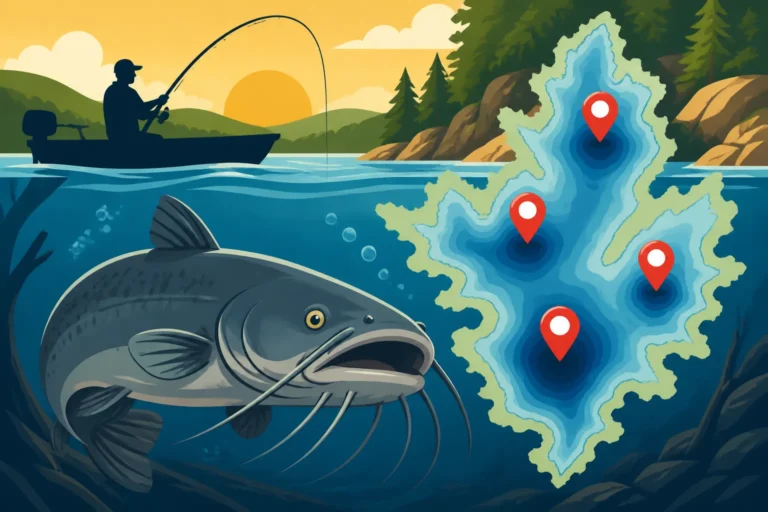
Fort Gibson Lake is a powerhouse for catfishing, offering up a great mix of channel, blue, and flathead catfish. Whether you prefer a relaxing day on the bank or running juglines, you can find success here.
Channel catfish are the most common and widely distributed. They're often found in the shallower, muddier areas of the lake, especially in the upper river arms and in coves. Prepared stink baits, chicken livers, cut shad, and worms are all highly effective. They bite well throughout the day and night, especially after a good rain. Blue catfish tend to be found in the deeper, open water sections, particularly along the old river channels, humps, and main lake points. They are notorious for growing to impressive sizes here, so be prepared for a fight! Their preferred diet is fresh cut bait, with shad being a top choice. Many anglers specifically target blues using heavy tackle, fishing on the bottom in 20-50 feet of water.
Flathead catfish are the ambush predators of the catfishing world. They prefer live bait – small perch, sunfish, or large shiners – and will often hide out in submerged timber, logjams, and rocky crevices, waiting to ambush their prey. You'll find them more concentrated in the river channel and around standing timber in the middle and upper sections of the lake. Setting out trotlines or jug lines can be incredibly effective for all three species, especially in the larger open areas and along the river channels. You can find many excellent spots by looking at guides like Best Catfish Holes on Fort Gibson Lake. Just be sure to mark your lines clearly and check them frequently. Before you head out, familiarize yourself with Oklahoma's Catfish Fishing Rules and Limits, as there are specific regulations for forked-tail catfish (blue and channel) and flatheads.
Beyond Bass and Crappie: White Bass and Paddlefish
While bass and crappie get a lot of attention, Fort Gibson Lake offers thrilling opportunities for other species that are well worth your time and effort. Don't overlook the exciting action provided by white bass and the unique experience of paddlefish snagging.
Chasing White Bass and Hybrids
If you're looking for fast action and schooling fish, the white bass fishery at Fort Gibson is second to none. These feisty fighters provide incredible sport, especially when they're actively chasing baitfish.
The most anticipated time for white bass fishing is during their spring spawning runs. As the water warms, huge schools of white bass migrate up the Grand River and Verdigris River arms of the lake, often congregating below dams or in shallow rapids. Anglers flock to these areas, throwing small inline spinners, spoons, and white or chartreuse jigs. The action can be non-stop, with fish biting almost every cast. It's an ideal time for beginners or kids, as the bite is usually very consistent.
Throughout summer and fall, white bass can be found schooling on the main lake. Look for birds diving over the water – that's often a tell-tale sign of white bass pushing shad to the surface. When you spot this surface activity, cast spoons, small crankbaits, or topwater lures into the melee. Trolling with small crankbaits or slab spoons can also be a highly effective way to locate schools of white bass in deeper water, especially along main lake points and humps. Hybrid striped bass, a cross between striped bass and white bass, are also present in the lake and offer an even harder fight and can grow to larger sizes. These fish behave similarly to white bass, often schooling and chasing bait.
Paddlefish Snagging Opportunities
For a truly unique Oklahoma fishing adventure, Fort Gibson Lake is a prime destination for paddlefish snagging. These ancient, filter-feeding fish are a major draw, especially in the upper reaches of the lake during the designated season.
Paddlefish are not caught with traditional hook-and-line methods because they feed on plankton. Instead, they are "snagged" using large, heavy-duty treble hooks and powerful rods and reels. The season typically runs from March 1st to May 31st, though rules can change, so always check the latest regulations from the Oklahoma Department of Wildlife Conservation. The most popular snagging spots are usually in the Grand River arm, especially in the areas just below the Grand Lake Dam (Pensacola Dam) and further upstream towards the confluence of the Grand and Verdigris Rivers.
Snagging for paddlefish is an active and physically demanding type of fishing. You'll need specialized gear, including heavy conventional rods, robust reels spooled with strong braided line (80-100 lb test), and large treble hooks. It's an incredible experience when you hook into one of these massive fish, which can easily exceed 50 pounds! Many anglers keep paddlefish for their delicious, firm meat, often compared to swordfish, and for their valuable roe, which can be processed into caviar. It's a truly memorable fishing experience that you won't find just anywhere.
Essential Gear, Regulations, and Local Tips
Heading out onto Fort Gibson Lake requires more than just a rod and reel; it means having the right gear, understanding the local rules, and knowing how to make the most of your trip. Don't let a lack of preparation cut your fishing day short.
Must-Have Gear and Boat Access
For rods and reels, a medium-heavy spinning or baitcasting setup will cover most of your bass and crappie needs, allowing you to cast a variety of lures and handle decent-sized fish. For catfishing, especially if you're targeting big blues or flatheads, you’ll want a heavier rod with a robust baitcasting reel spooled with strong monofilament or braided line. Check out guides like Best Rods and Reels for Oklahoma Fishing for more specific recommendations tailored to Oklahoma waters.
A fish finder is almost a necessity on a lake as large and structured as Fort Gibson. It will help you locate submerged timber, brush piles, ledges, and schools of baitfish and game fish, saving you countless hours of fruitless casting. Modern units with side-imaging and down-imaging can paint an incredible picture of the underwater world. Don't forget the basics: a well-stocked tackle box with a variety of lures, extra line, hooks, sinkers, pliers, and a sharp knife. Sunscreen, a hat, polarized sunglasses, and plenty of water are also non-negotiables for a comfortable day on the water.
When it comes to boat access, Fort Gibson has numerous well-maintained public boat ramps. Popular choices include:
- Sequoyah State Park: Offers multiple ramps, marinas, and excellent facilities, especially on the lower part of the lake.
- Wagoner City Park: A convenient ramp closer to the city of Wagoner, providing good access to the mid-lake region.
- Taylors Ferry: Located on the south side of the lake, offering access to different coves and points.
- Toppers Boat Ramp: Another popular choice for many anglers.
Additionally, several smaller ramps are scattered around the lake. For bank fishing, look for access points within state parks and designated fishing areas. Many bridges crossing smaller arms of the lake can also offer good bank fishing opportunities. For more specific local insights, diving into Fort Gibson Lake Fishing Spots Near Muskogee, Oklahoma can reveal some hidden gems.
Licenses, Regulations, and Safety
Before you even think about wetting a line, make sure you have a valid Oklahoma fishing license. This is non-negotiable, and game wardens do patrol the lake. You can easily purchase a license online through the Oklahoma Department of Wildlife Conservation website, or from licensed vendors. For details, check out How to Buy an Oklahoma Fishing License Online. Always carry your license with you when fishing.
Beyond the general statewide regulations, remember that Fort Gibson Lake has specific rules that differ from other lakes, such as the 15-fish daily crappie limit. Always check the current Oklahoma Fishing Regulations guide, available online or at license vendors, to ensure you are compliant with all size and bag limits for all species you plan to target. Ignorance of the law is not an excuse, and fines can be steep.
Boating safety is paramount. Always have enough U.S. Coast Guard-approved life jackets for everyone on board, especially for children 12 and under, who are required to wear them while the boat is underway. Carry essential safety equipment like a fire extinguisher, horn/whistle, and navigation lights if you'll be out at dawn, dusk, or night. Keep an eye on weather forecasts, as sudden storms can pop up, and this large lake can get very choppy very quickly. Tell someone your float plan (where you're going and when you expect to return).
Planning Your Fort Gibson Adventure
For those looking for an extra edge, or for first-timers who want to learn the lake quickly, considering a local fishing guide can be a game-changer. These professionals know the lake intimately, understand seasonal patterns, and can put you on fish faster than you could on your own. Platforms like FishingBooker can connect you with experienced Fort Gibson Lake fishing guides who specialize in various species. A good guide can teach you techniques, reveal productive spots, and drastically improve your chances of a successful and enjoyable trip, making the investment well worth it.
When you're off the water, the surrounding towns like Wagoner and Muskogee offer amenities, bait shops, restaurants, and accommodation options, from hotels to cabin rentals in Sequoyah State Park. Make sure to check local bait shops for the most up-to-date fishing reports and conditions, as they often have the freshest information on what's biting and where. Planning ahead, checking conditions, and staying safe will ensure your Fort Gibson Lake fishing adventure is one for the books!
| Species | Best Season | Key Techniques | Common Lures/Baits |
|---|---|---|---|
| Largemouth/Spotted Bass | Spring, Fall | Flipping/pitching timber, cranking ledges, topwater | Jigs, Soft Plastics (worms, creature baits), Crankbaits, Spinnerbaits, Topwaters |
| Crappie | Spring, Fall | Vertical jigging brush piles, spider-rigging | Small Jigs (chartreuse, white), Live Minnows |
| Channel Catfish | Spring, Summer, Fall | Bottom fishing, jug lines, trotlines | Prepared Stink Baits, Chicken Livers, Cut Bait |
| Blue Catfish | Spring, Summer, Fall | Deep bottom fishing, jug lines, trotlines | Fresh Cut Shad, Whole Shad |
| Flathead Catfish | Summer, Fall | Live bait on bottom, trotlines near timber | Live Perch, Sunfish, Large Shiners |
| White Bass | Spring, Summer | Casting into schooling fish, trolling river arms | Small Spoons, Inline Spinners, Small Crankbaits, Jigs |
| Paddlefish | March-May (seasonal) | Snagging in river channels | Large Treble Hooks (snagging gear) |
Disclaimer
Fishing regulations, license requirements, and local conditions can change. Always consult the latest official Oklahoma Department of Wildlife Conservation regulations before your trip. This guide is for informational purposes only and does not guarantee fishing success or safety. Always prioritize safety on the water.