Remote Coves on Keystone Lake for Catfish
There’s nothing quite as frustrating as heading out to Keystone Lake, full of hope for a peaceful day of catfish angling, only to find your favorite spots overrun with pleasure boaters, jet skis, and noisy crowds. It feels like every time you cast a line, a wave from a passing boat washes your bait away, and the constant commotion keeps the fish tucked deep away. This guide is here to help you escape that madness, offering a deep dive into the remote coves and hidden pockets of Keystone Lake where catfish thrive away from the pressure, giving you the tranquility and the tight lines you've been dreaming of.
Why Remote Coves are a Catfish Angler's Sanctuary on Keystone Lake
Keystone Lake is a magnificent body of water, no doubt about it. But its popularity, especially during warmer months, can make finding a genuinely peaceful and productive fishing spot a real challenge. That's where the remote coves come into play, offering a quiet escape and some of the best catfishing opportunities.
Escaping the Crowds and Noise
Anyone who’s spent a summer weekend on Keystone Lake knows it can be a bustling place. The main channels are often highways for speedboats, wakeboarders, and pontoons, creating a constant churn of water and noise. This isn't just an annoyance for anglers; it fundamentally changes fish behavior. Catfish, while robust, are still sensitive to their environment. Constant boat traffic and loud human activity can push them out of easily accessible areas into deeper, more secluded waters, making them harder to target.
When you venture into a remote cove, you’re not just getting away from the noise; you’re entering a different world. The water is calmer, the sounds are limited to the rustle of wind through the trees, and the occasional splash of wildlife. This tranquility isn't just good for your soul; it’s excellent for the fishing. Fish in these areas are far less pressured, meaning they're more likely to follow their natural feeding patterns and be less wary of a well-presented bait. It’s like hitting a reset button on their instincts, making them much more receptive to what you’re offering.
The Allure of Unpressured Catfish
Catfish that rarely see a hook are, simply put, easier to catch. In remote coves, these fish haven't learned to associate the sight of a boat or the plunk of a sinker with danger. They're often more aggressive in their feeding and less hesitant to investigate a potential meal. This translates to more consistent bites and a better chance of reeling in a decent catch. You’re not competing with dozens of other anglers for the same few fish; you’re tapping into a population that often lives a much more undisturbed life.
Furthermore, remote coves often harbor larger, more mature catfish. These older, wiser fish have likely survived longer precisely because they've avoided the highly fished areas. They grow bigger, stronger, and develop a healthy appetite without the constant interruption of human activity. While patience is always a virtue in catfishing, the payoff in these secluded spots can be truly remarkable, offering the chance at a trophy blue or flathead that has rarely, if ever, seen an angler’s line.
Natural Structure and Cover in Secluded Areas
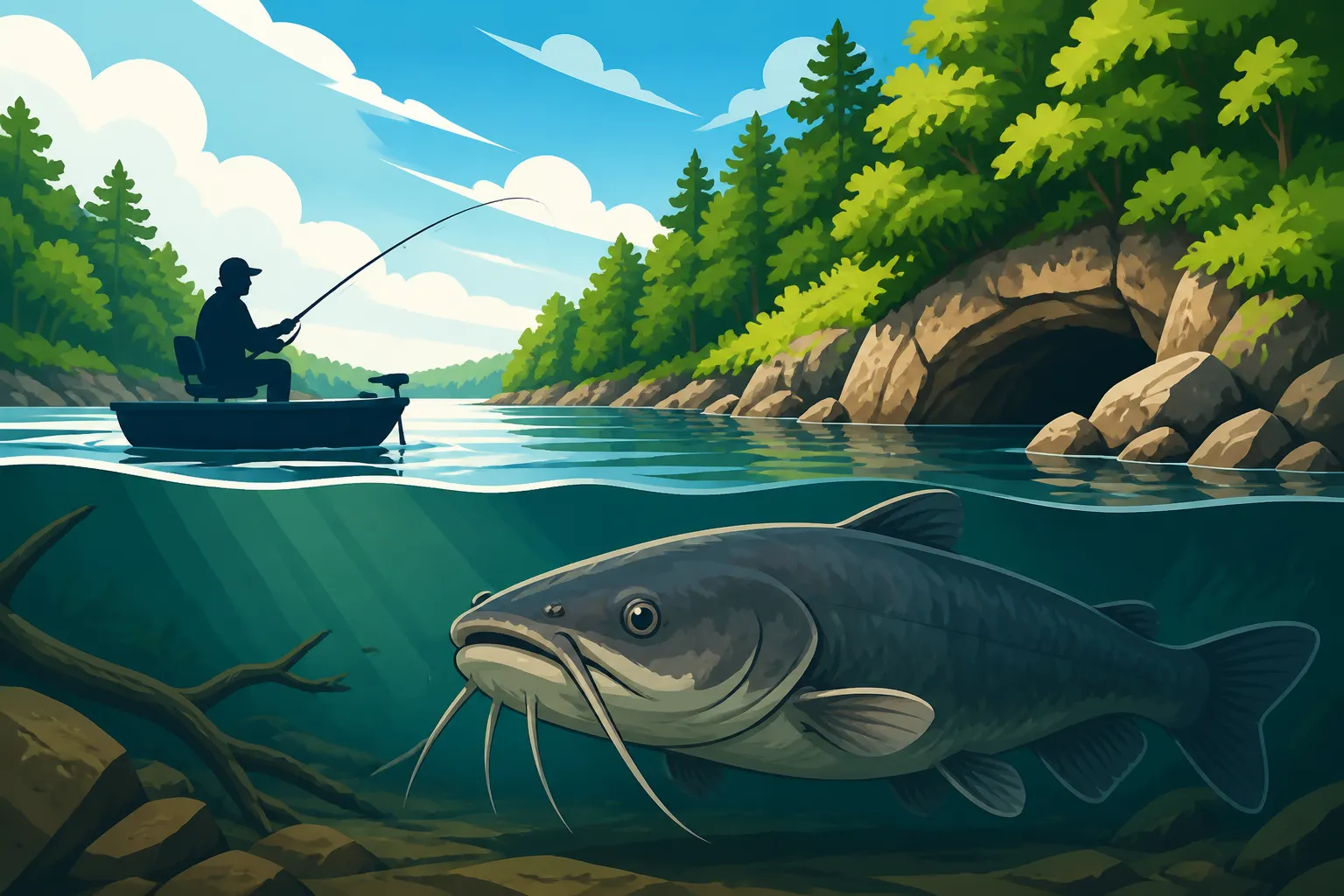
What makes these remote coves so appealing to catfish isn't just the lack of human presence; it's the rich, natural habitat they provide. These areas are often less developed, meaning they retain more of their original topography and submerged structure. Think about old creek channels winding through the bottom, stands of submerged timber that were once trees on dry land, or hidden rock piles and ledges that create perfect ambush points.
These structures are magnets for baitfish like shad and sunfish, which in turn attract hungry catfish. The deeper holes found within these coves offer cool, oxygenated water during the summer and warmer, stable temperatures in the winter, making them comfortable year-round residences for catfish. Identifying these features, whether through mapping or careful exploration, is key to unlocking the full potential of these untouched havens. Knowing where to drop your line near a submerged brush pile or a steep drop-off can dramatically increase your success rate.
Identifying and Accessing Keystone Lake's Best Catfish Coves
Finding those truly remote coves on a big lake like Keystone takes a bit of planning and effort, but the reward of a peaceful, productive fishing day is well worth it. It’s about leveraging technology and good old-fashioned angling intuition.
Using Maps and Satellite Imagery for Scouting
Before you even launch your boat, your best friend will be a good set of maps and satellite imagery. Tools like Google Maps, modern GPS units with detailed lake charts, or specialized fishing apps are indispensable. You'll want to scan the lake, especially the extensive upper river arms like the Cimarron and Arkansas, and the various fingers spreading off the main body. Look for areas that show dense tree lines extending into the water, indicating submerged timber. Pay close attention to subtle indentations in the shoreline that lead into small, protected pockets.
When using these tools, focus on finding distinct features:
- Feeder Creeks: Any visible creeks flowing into the lake, especially those that appear to have some depth or a defined channel, are catfish highways. The mouth of these creeks, and any deeper holes within them, can be prime spots.
- Sharp Drop-offs and Ledges: Catfish often relate to structure where they can transition between shallow feeding grounds and deeper safety. Look for contour lines that are tightly packed together on a bathymetric map.
- Submerged Timber and Brush Piles: These appear as darker, denser areas on satellite images. Fish love to hide in and around these, using them for cover and ambush points.
- Isolated Islands or Humps: Small islands, especially if they have some submerged structure around them, can create natural breaks from main lake traffic and offer quiet pockets.
Many anglers find that apps like FishingBooker, which often include detailed lake maps and local insights, can be incredibly helpful for scouting these kinds of remote locations. They provide valuable data that can reduce your search time and get you straight to the fish.
Navigating to Remote Catfish Havens
Once you’ve identified potential coves, the next step is actually getting there. This is where the "remote" aspect often comes with its own set of challenges. Some of the best coves might be shallow at their entrance, full of submerged timber, or simply off the beaten path, making them inaccessible to larger bass boats or pontoon boats. This might mean:
- Smaller Boats are Key: A jon boat, a small utility boat, or even a kayak or canoe can be ideal for reaching these tucked-away spots. Their shallow draft and maneuverability allow you to navigate through tight spaces, over submerged logs, and into areas larger vessels simply can't reach. Kayak fishing gear is perfect for this type of stealthy approach.
- Mind the Obstacles: Submerged timber, old fence lines, and shallow rock gardens can be hazards. Always approach unknown areas slowly, paying close attention to your depth finder and keeping an eye out for visual cues on the surface, like ripples or dark spots that might indicate structure below. Remember, slow and steady wins the race, especially when trying to preserve your lower unit!
- Trailering and Launching: Some of the most remote coves might not be near conventional boat ramps. You might need to find more primitive access points or even consider hand-launching a smaller craft. Always check the water levels, especially on a fluctuating reservoir like Keystone, as low water can make some ramps unusable and reveal even more hazards.
When heading to less accessible areas, always prioritize safety. Let someone know your float plan, and ensure you have all necessary safety equipment, including properly fitting life jackets, especially if fishing on a windy day.
Signs of Productive Catfish Coves
Even with excellent map scouting, nothing beats on-the-water observation. As you approach a potential cove, keep an eye out for these tell-tale signs:
- Lack of Activity: The most obvious sign of a remote, unpressured cove is the absence of other boats or human activity. If you're seeing lots of wildlife and hearing mostly nature's sounds, you're on the right track.
- Baitfish Activity: Look for schooling shad or other baitfish flickering at the surface, especially early in the morning or late in the evening. Catfish are predators, and they'll be where their food is. A good fish finder can also help you spot these schools, along with the bigger arches of catfish below.
- Bird Activity: Diving birds like cormorants or herons can indicate baitfish activity, and where there's bait, there are usually bigger fish lurking below.
- Water Color and Current: Pay attention to the water. Inflow from a creek might bring in nutrients and cooler water, creating an ideal feeding zone. Look for areas where current breaks form, as catfish love to sit just out of the main flow, waiting for food to wash by. These spots are also great for using effective Catfish Bottom Fishing Techniques.
Remember, catfish are often most active during low light conditions or at night, particularly in remote, undisturbed coves. Planning your trip around dawn, dusk, or even a full night of fishing can dramatically increase your chances of success in these secluded havens.
Essential Gear and Tactics for Remote Catfish Coves
Catfishing in remote coves isn't just about finding the right spot; it's also about having the right gear and adopting tactics suited for these unique environments. You'll want to be prepared for potentially larger, stronger fish that might be dwelling near heavy cover.
Recommended Rods, Reels, and Line
When targeting catfish in remote, snag-filled coves, your gear needs to be robust enough to handle the fight and the environment.
- Rods: Opt for medium-heavy to heavy action rods, typically in the 7 to 9-foot range. A longer rod provides better casting distance, which can be crucial for reaching those sweet spots without getting too close, and offers more leverage when fighting a big fish out of thick cover. Graphite composite rods offer a good balance of strength and sensitivity. Many anglers find a "Best Rod for Catfish Fishing From a Boat" to be a strong, fast-action rod that can quickly turn a fish away from snags.
- Reels: A sturdy baitcasting reel with a reliable, smooth drag system is generally preferred. Look for reels with a high line capacity, as you might need to let a big blue or flathead run a bit, especially if you're not trying to horse it out of a log jam. Make sure the drag can handle sustained pressure without faltering.
- Line: For main line, consider 30-50 lb braided line or heavy monofilament (20-30 lb). Braided line offers superior strength, sensitivity, and a thinner diameter for its breaking strength, which can be advantageous in current. However, it can be more prone to abrasions on sharp rocks or timber. Heavy monofilament, while less sensitive, offers better abrasion resistance and a bit of stretch, which can act as a shock absorber. A heavy fluorocarbon leader (40-80 lb) can be a great addition, offering excellent abrasion resistance and stealth in clearer waters.
Having strong, reliable gear means you can feel confident in setting the hook hard and battling a trophy cat without worrying about equipment failure in a secluded area where help might be far away.
Baits and Rigs That Entice Remote Catfish
Catfish in remote coves might be less pressured, but they still have preferences when it comes to their meals. Matching your bait and rig to the species you're targeting and the conditions is crucial.
- Natural Baits are King: For blue and flathead catfish, cut bait is almost always the top choice. Fresh-cut shad, skipjack herring, perch, or even chunks of carp are irresistible. Flatheads, in particular, often prefer live bait like sunfish or small perch, as they are primarily ambush predators. For channel catfish, prepared stink baits, punch baits, chicken livers, or good old nightcrawlers can be incredibly effective. Consider checking out "Best Bait for Catfish in Oklahoma Lakes and Rivers" for a more detailed look at bait options.
- Effective Rigs:
- Carolina Rig (or Slip Sinker Rig): This is a versatile and incredibly effective rig for bottom fishing. It consists of an egg sinker (1-3 oz depending on current/depth) sliding freely on your main line, followed by a bead (to protect the knot), a barrel swivel, and a leader (12-24 inches) tied to a strong hook (typically a 5/0-8/0 circle hook). The slip sinker allows the fish to pick up the bait without feeling the weight, which is key for wary fish. Learning "How to Rig a Slip Sinker for Catfish" is a fundamental skill.
- Santee Cooper Rig: A variation of the Carolina rig that includes a peg float above the hook on the leader. This lifts the bait off the bottom slightly, keeping it visible above submerged vegetation or debris, making it ideal for snaggy coves.
- Three-Way Swivel Rig: Useful in areas with stronger current or where you want to present multiple baits at different depths. One eye goes to your main line, one to a sinker, and one to your leader and hook.
Always use sharp, strong hooks. Circle hooks are highly recommended as they typically hook the fish in the corner of the mouth, making for easier release and reducing gut-hooking.
Stealth and Patience: The Cove Catfishing Mindset
Fishing remote coves isn't about speed or covering vast amounts of water. It's about a slower, more deliberate approach that respects the tranquility of the environment and the cautious nature of the fish.
- Quiet Approach: Approach your chosen cove quietly. Use a trolling motor at a low setting or paddle your kayak. Avoid loud noises, banging gear, or excessive splashing. Remember, sound travels far and wide underwater, and you don't want to spook the very fish you've traveled so far to find.
- Strategic Anchoring: Once you've identified a promising spot (perhaps near a drop-off, a log jam, or where a creek enters), anchor upwind or upcurrent of it. This allows your boat to sit in a stable position and lets your baits drift naturally into the strike zone. You might need multiple anchors in windy conditions to hold your position precisely.
- Patience is Paramount: Catfish, especially larger ones, might not immediately rush to your bait. They might take their time, sniffing out the offering. Give each spot at least 30-60 minutes before considering a move. Sometimes the biggest reward comes after the longest wait. Use the time to observe your surroundings, enjoy the quiet, and trust that your carefully chosen spot and bait will eventually pay off. This methodical approach is particularly effective for techniques like "How to Catch Blue Catfish in Deep Water" where fish might be less active.
Top Remote Coves on Keystone Lake for Catfish
Keystone Lake, with its sprawling arms and irregular shoreline, offers numerous opportunities for finding those hidden catfish gems. While I won't give away exact GPS coordinates (part of the fun and success is in your exploration!), I can point you towards general areas and characteristics where you're more likely to find productive, remote coves.
The Upper River Arms: Cimarron and Arkansas Rivers
The areas where the Cimarron River and Arkansas River feed into Keystone Lake are prime territory for remote catfishing, especially for channel and blue catfish, but also for large flatheads. These river arms tend to be shallower, with more current and a wealth of natural debris, which catfish absolutely love.
- Characteristics: These arms are often characterized by extensive submerged timber, fluctuating water levels, and numerous bends and cut-banks. The water can be more turbid, especially after rain, which catfish don't mind one bit. You'll find a mix of current breaks, deeper holes scoured out by the river flow, and plenty of places for catfish to hide and ambush prey. These riverine sections offer different fishing dynamics compared to the main lake body, often requiring heavier tackle due to current and snags.
- Scouting Tips: Focus on the less accessible stretches of these river arms, particularly those away from any major roads or boat ramps. Look for significant bends in the river that create deeper pools on the outside curve. Areas where smaller, unnamed creeks flow in, especially if they have some visible structure like downed trees, can be excellent. Pay attention to debris lines along the banks – these often indicate current breaks and can concentrate baitfish. The further you get up these river systems, the more isolated the fishing tends to be, offering a true "remote" experience. Exploring these areas can also reveal excellent "Best Catfish Holes on Keystone Lake."
Secluded Pockets in the Main Lake Body
Even within the main body of Keystone Lake, there are numerous smaller coves and pockets that escape the relentless boat traffic of the open water. These spots are often overlooked by anglers focused on popular points or structure.
- Characteristics: These pockets are typically smaller, narrower coves tucked away behind larger points or islands. They might have a narrower entrance, making them feel more enclosed and protected. The depths can vary, but often these coves contain submerged humps, old roadbeds, or rock piles that aren't obvious from the main lake. The water here is usually calmer and can warm up faster in spring or stay cooler in summer, depending on their depth and shading.
- Scouting Tips: Use your mapping apps to look for coves that seem "hidden" or require a bit of navigating to reach. Zoom in to identify subtle underwater features. Pay particular attention to coves that have limited access points from land or are surrounded by dense woods, as these are less likely to see bank anglers or casual boaters. Some of the most productive pockets might be near areas frequently used for recreation, but separated by a significant landmass or a very shallow entrance that only small boats can clear. For those exploring the broader lake, a comprehensive "Keystone Lake Fishing Guide Near Tulsa" might offer additional insights into overlooked areas.
North and West Side Fingers
The northern and western shores of Keystone Lake are characterized by numerous long, winding fingers that extend into the land. These areas, particularly those further from the main dam and population centers like Tulsa, tend to receive less pressure.
- Characteristics: These fingers often have diverse bottom structures, ranging from rocky banks to muddy flats. They can contain substantial amounts of submerged timber and brush, especially higher up the fingers where old creek beds snake through. The water here can be slightly stained, offering catfish good cover. These areas are fantastic for finding all three major catfish species, each utilizing different parts of the structure.
- Scouting Tips: Look for fingers that have secondary or tertiary coves branching off them, creating even more secluded spots. The transition zones where a deeper channel meets a shallower flat can be highly productive, especially at dawn and dusk. Areas with visible standing timber or stumps (from when the lake was initially filled) that extend into the water are excellent targets. Also, keep an eye out for areas that are significantly affected by wind – a cove protected from a strong north wind, for instance, can be a calm oasis for both fish and angler. When reviewing "Oklahoma's Catfish Fishing Rules and Limits", remember that these apply even in the most remote coves.
To summarize, here's a quick look at the preferred characteristics for different catfish species you might encounter in Keystone Lake's remote coves:
| Catfish Species | Preferred Cove Characteristics | Ideal Bait Types (Examples) | Best Time to Target |
|---|---|---|---|
| Channel Catfish | Muddy bottoms, brush piles, feeder creek mouths, moderate depths | Chicken livers, stink baits, nightcrawlers | Dawn, Dusk, Night, Post-Rain |
| Blue Catfish | Deeper channels, sharp drop-offs, current breaks, large structure | Fresh cut shad, skipjack, prepared baits | Day & Night, especially during feeding windows |
| Flathead Catfish | Heavy timber, submerged rock piles, old river channels, live bait | Live perch, sunfish, small carp | Primarily Night, low light |
Remember to always prioritize safety when venturing into remote areas. Tell someone where you're going and when you expect to return. Enjoy the peace and quiet, and the thrilling fights from unpressured catfish in Keystone Lake's hidden gems!
Disclaimer
Fishing conditions and regulations in Oklahoma can change. Always consult the latest Oklahoma Department of Wildlife Conservation (ODWC) regulations before heading out on the water. This guide is for informational purposes only and does not constitute legal advice.