Broken Bow Lake Fishing Spots Near Broken Bow, Oklahoma
Finding the perfect fishing spot on a sprawling, beautiful lake like Broken Bow can feel like searching for a needle in a haystack, especially if you're not a local. It's tough to know where to start, what kind of fish to expect, and how the unique features of the lake influence your chances of success. This comprehensive guide will cut through the confusion, pinpointing the best Broken Bow Lake fishing spots near Broken Bow, Oklahoma, and giving you the insider tips you need to make your next trip unforgettable.
Understanding Broken Bow Lake's Unique Fishery
Broken Bow Lake, nestled in the rugged Ouachita Mountains of southeastern Oklahoma, is more than just a body of water; it’s an ecosystem shaped by clear mountain streams and deep, cool waters. Unlike many of Oklahoma's other lakes, Broken Bow boasts exceptional water clarity, making it a distinctly different fishing challenge and a truly picturesque destination. This clarity means fish behave differently, often requiring a more subtle approach than you might use in murkier impoundments.
The Mountain Fork River Influence
The very heart of Broken Bow Lake's character comes from the Mountain Fork River, which feeds into it. This river is renowned for its crystal-clear, cold waters, and this purity is largely retained within the lake, especially in its upper reaches. This consistent flow of cool, oxygenated water creates ideal conditions for certain fish species that thrive in less turbid environments. The river’s journey through rocky terrain before reaching the lake also contributes to the abundance of natural structure, from submerged boulders and gravel bars to intricate rock ledges, which are prime hiding spots for predatory fish.
For anglers, understanding this riverine influence is key. Fish in Broken Bow Lake often relate to current, even subtle ones, and seek out the cooler, clearer water, especially during the warmer months. This means targeting areas where the river channel flows through the lake, or where feeder creeks enter, can be particularly productive. The clarity also means fish rely heavily on their sight, making lure selection and presentation incredibly important. Knowing the difference between the main lake and the river arm will significantly improve your fishing strategy.
Target Species and What Makes Them Thrive Here
Broken Bow Lake is a true multi-species haven, offering something for every type of angler. While it’s famous for its bass fishing, other species flourish in its unique environment.
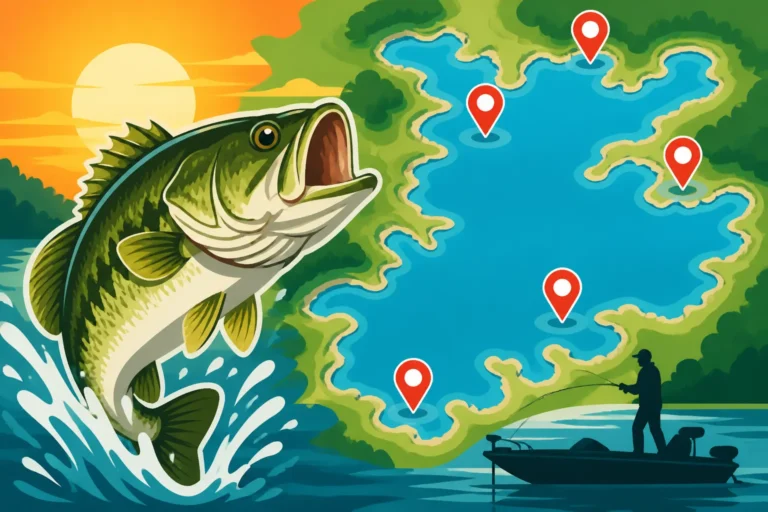
- Black Bass (Largemouth, Smallmouth, Spotted): These are the stars of Broken Bow. The clear water and abundant rock structure make it a prime habitat for all three black bass species. Largemouth bass will often be found relating to submerged timber and brush piles, especially in the more stained upper arms. Smallmouth bass, true to their nature, prefer rocky bluffs, points, and humps in the main lake, thriving in the cooler, clearer conditions. Spotted bass are also prevalent, often occupying similar habitats to smallmouth but sometimes venturing into deeper water. The lake's robust forage base, including sunfish, shad, and crawfish, keeps these bass populations healthy and aggressive. If you're chasing the green or brown fish, you'll want to be familiar with Oklahoma's Bass Fishing Rules and Limits.
- Walleye: While perhaps not as prominent as the bass, walleye have a solid presence in Broken Bow Lake. They appreciate the clear, cool waters and often inhabit deeper sections, particularly around submerged humps, ledges, and rocky points, especially during cooler months or at night. They thrive on the lake’s abundant baitfish. Anglers targeting walleye will often find success by focusing on the main lake body, where the water is deepest and the structure is most pronounced. To truly excel, it helps to understand how these fish relate to their "cousins," so learning about Walleye, Sauger and Saugeye: Oklahoma's Cousin Fish can be beneficial.
- Catfish (Channel, Blue, Flathead): Broken Bow Lake holds healthy populations of all three major catfish species. Channel catfish are widespread and can be caught almost anywhere, particularly in the warmer, shallower coves and feeder creeks. Blue catfish prefer deeper, open water and often relate to the old river channel and main lake points, especially where current is present. Flathead catfish are ambush predators, often found near submerged timber, rock piles, and brush where they can hide and wait for prey. The varied depths and abundant structure provide ideal homes for these whiskered fighters. Make sure you're up-to-date on Oklahoma's Catfish Fishing Rules and Limits before you go.
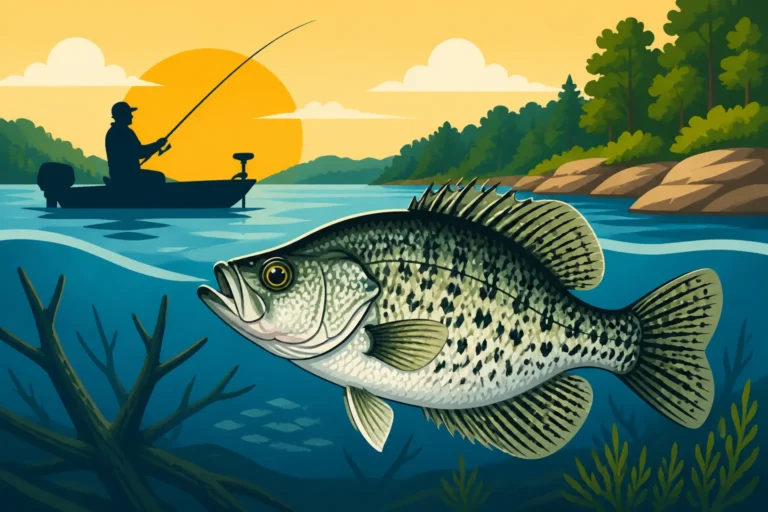
- Crappie (Black and White): Crappie fishing can be excellent, especially around brush piles, standing timber, and bridge pilings. Black crappie are particularly fond of the clearer, cooler water, while white crappie might be found in slightly more turbid areas. During the spring, they move into shallower coves to spawn, making them more accessible to anglers. Brush piles placed by locals and the Oklahoma Department of Wildlife Conservation (ODWC) are magnets for crappie year-round.
Top Fishing Spots on Broken Bow Lake Near Broken Bow
When you're looking to hit the water around Broken Bow, you're in luck because many of the best spots are easily accessible from the town itself. The key is understanding how the lake changes from its riverine upper end to its deep, clear main body.
Cedar Creek and the Upper Lake Area
As you move north from the main part of the lake, you'll enter the Cedar Creek arm and the upper reaches of the Mountain Fork River. This area generally has slightly more stained water due to incoming runoff, offering a different dynamic for anglers. The shallower water and increased timber provide excellent cover, making it a prime location for largemouth bass.
- Cedar Creek Arm: This arm is characterized by numerous coves, submerged timber, and brush piles. It’s fantastic for casting spinnerbaits, crankbaits, and jigs around visible cover. During the spring, largemouth bass will move into these shallower coves for spawning, making them easily targetable. Look for areas with a mix of rocks and wood. This area can be especially productive after a good rain when the water gets a slight stain, providing more ambush points for bass. You might even find some excellent bank fishing access on the Mountain Fork River Arm if you explore the edges.
- The River Channel: Following the old Mountain Fork River channel as it snakes through the upper lake provides excellent opportunities for spotted and smallmouth bass, especially on the bends and deeper drops. These areas often have rock ledges and submerged points that hold fish. Vertical jigging or slow-rolling a jig along these contours can be incredibly effective. Don't forget to keep an eye out for submerged timber near the channel, as it can hold big bass and catfish.
The Main Lake Body and Deep Water Haunts
The main body of Broken Bow Lake, stretching from the Cedar Creek confluence down towards the dam, is characterized by its deep, clear waters and dramatic rock bluffs. This is where smallmouth and spotted bass truly shine, and where you'll find the best walleye and blue catfish opportunities.
- Rocky Bluffs and Points: The numerous steep, rocky bluffs and long points that jut into the main lake are classic smallmouth bass territory. Target these areas with finesse techniques like drop-shotting, shaky heads, or jig-and-pig combinations. The clear water demands longer casts and lighter lines. These spots are also great for catching spotted bass, which often suspend off the points in deeper water. For a true challenge, look for the deep water striper, as some remote coves on Broken Bow Lake for Striper can provide excellent action, particularly around points and ledges where they chase baitfish.
- Submerged Humps and Ledges: Out in the open water, hidden underwater humps and ledges are magnets for walleye, blue catfish, and even suspended bass. These structures often hold schools of baitfish, which in turn attract predators. Use your fish finder to locate these subtle contours and then present deep-diving crankbaits, spoons, or live bait to the fish holding on them. Trolling over these structures can also be highly effective, especially for walleye. These deeper areas require specialized gear, so considering the Best Rods and Reels for Oklahoma Fishing might be a good idea before heading out.
Lower Lake and Dam Area for Varied Species
The area closer to the dam features some of the deepest and clearest water in the lake, providing unique conditions for a diverse range of species.
- The Dam Area: Fishing near the dam itself can be incredibly productive due to the deep water and potential for cooler temperatures. Striped bass and white bass often school here, chasing baitfish. Vertical jigging with heavy spoons or using live shad can yield impressive results. Below the dam, the cold water releases from the hydroelectric plant create a tailwater fishery where rainbow trout are often stocked, providing a unique angling experience in Oklahoma. Always check local regulations for this specific area.
- Southern Coves and Inlets: While the main lake is clear, some of the coves in the lower lake still offer good cover for largemouth bass and crappie. Look for coves with standing timber or brush piles that offer shelter from the prevailing winds. These calmer waters can be great for a more relaxed fishing experience, especially for those in smaller boats or kayaks. Speaking of kayaks, a Kayak Fishing Gear Guide for Oklahoma Lakes could provide helpful insights if you're planning to explore these smaller, quieter areas.
Essential Techniques and Gear for Broken Bow Lake
Broken Bow Lake's distinct characteristics demand specific approaches. What works on a murky, shallow lake in central Oklahoma might not translate here. Adaptability and attention to detail are key to success.
Seasonal Strategies for Success
Understanding how fish behave throughout the year is paramount, especially on a lake as dynamic as Broken Bow.
- Spring: As water temperatures rise, fish move shallower for the spawn. This is prime time for bass in the coves and crappie around brush piles. For bass, focus on secondary points and shallow flats with crankbaits, spinnerbaits, and jigs. Crappie will be around shallow cover, eager to bite on small jigs and minnows. This is also when you'll see increased activity for catfish as they become more active.
- Summer: The clear water means fish often go deep during the day to escape the heat and bright sunlight. Early morning, late evening, and night fishing become highly effective. For bass, target deep structure like ledges, humps, and rock piles with drop-shots, shaky heads, and deep-diving crankbaits. Night fishing with topwater lures can be explosive. Catfish will be active throughout, especially bottom fishing in deeper holes or using trotlines and juglines.
- Fall: As water temperatures begin to cool, fish become very active, feeding heavily in preparation for winter. Bass will move back to shallower points and coves, often schooling up to chase baitfish. Look for surface activity, and be ready with topwater lures, swimbaits, and jerkbaits. Crappie fishing picks up again around brush piles. Walleye and catfish remain good targets in deeper water, often feeding aggressively.
- Winter: Fishing can be challenging but rewarding. Fish are often concentrated in deep, lethargic schools. Vertical jigging spoons, blade baits, and slow-moving jigs on deep structure are effective for bass and walleye. Crappie will be suspended in deep brush piles or over the old river channel. Catfish can still be caught on cut bait in deep holes. Patience and good electronics are your best friends during the colder months. To dive deeper into how bass respond to these changes, check out Oklahoma Bass Fishing: Techniques by Season.
Recommended Lures and Baits
The clarity of Broken Bow Lake means fish can be more discerning, so lure selection and presentation matter.
- For Bass: In the clear waters, finesse techniques often out-produce power fishing. Drop-shots, shaky heads, and Ned rigs with natural-colored soft plastics (greens, browns, watermelon) are highly effective, especially for smallmouth and spotted bass around rocky structure. For largemouth in timbered areas, jigs, Texas-rigged worms, and compact crankbaits in natural patterns work well. Topwater lures like poppers and walking baits are excellent during low-light conditions, particularly in summer.
- For Walleye: Crankbaits (deep-diving and suspending), jigs tipped with minnows or nightcrawlers, and blade baits are go-to choices. Trolling crankbaits along ledges and humps can be very productive. At night, stickbaits or large jigs fished slowly can entice strikes. If you're serious about targeting these elusive fish, brushing up on Walleye Fishing Techniques will serve you well.
- For Catfish: Fresh cut bait (shad or sunfish), chicken liver, and stink baits are all reliable. For flatheads, live bluegill or sunfish are often the most effective. Bottom fishing with a slip-sinker rig is a classic and effective method. Setting up a trotline for Catfish Bottom Fishing Techniques or jug fishing can also be productive in quieter coves and channels.
- For Crappie: Small jigs (1/16 to 1/8 ounce) in colors like chartreuse, white, or black, tipped with a minnow or a small plastic grub, are deadly. Vertical jigging around brush piles, docks, and standing timber is a common and effective technique. Spider rigging multiple rods with minnows can also cover more water and increase your chances.
Boat and Bank Fishing Considerations
Broken Bow Lake offers opportunities for both boat and bank anglers, but each comes with its own set of considerations.
- Boat Fishing: Having a boat opens up the vastness of Broken Bow Lake, allowing you to reach remote coves, deep-water humps, and distant bluffs. Bass boats are popular for covering water quickly and targeting bass, while pontoon boats or center consoles offer more space and comfort for family trips or trolling. Make sure your boat is properly registered; understanding Oklahoma Boat Registration and Titling Rules Explained is crucial. Access points are plentiful, with several excellent public boat ramps on Broken Bow Lake, Oklahoma, located conveniently around the town and state park areas. Consider a vessel optimized for clear water and structure fishing, and ensure it's equipped with a quality fish finder to locate those hidden honey holes. The Best Boats for Broken Bow Lake article can provide more tailored advice.
- Bank Fishing: While Broken Bow is a large lake, there are still some accessible bank fishing spots, particularly within Beavers Bend State Park and near the state park day-use areas. These spots often include access to calmer coves, creek mouths, and the edges of rocky points. While your reach might be limited, focusing on smaller presentations and targeting panfish, channel catfish, and even some largemouth bass can be very successful. Look for areas with public access points, picnic areas, and designated fishing piers. The Mountain Fork River arm also offers good bank fishing opportunities.
Planning Your Broken Bow Lake Fishing Adventure
A successful fishing trip involves more than just knowing where to cast. A little planning goes a long way, ensuring you're prepared and compliant with local regulations.
Local Resources and Guides
Sometimes, the best way to crack the code on a new lake is to enlist the help of a local expert. A fishing guide can save you hours of trial and error, taking you directly to the hot spots and teaching you the nuances of fishing Broken Bow Lake. They provide the boat, gear, and expertise, allowing you to focus on the fishing. Websites like FishingBooker allow you to find and book experienced local guides for Broken Bow Lake, providing peace of mind and often a more productive trip. These guides live and breathe the lake, knowing exactly where the fish are hiding and what they're biting on throughout the seasons.
Whether you're looking for a half-day bass trip or a full day targeting multiple species, booking a guide through a reputable platform like FishingBooker can enhance your experience significantly. They'll also ensure you're compliant with all local rules and regulations, so you don't have to worry about the details. Another way to prepare is to find bait and tackle shops in Broken Bow, as they are fantastic resources for current fishing reports and local tips. These shops often have the exact lures and baits that are producing fish right now.
Regulations and Best Practices
Before you even think about casting a line, understanding the rules is non-negotiable. Oklahoma fishing regulations are designed to protect fisheries and ensure sustainable angling for everyone.
- Licenses: Everyone over the age of 16 needs a valid Oklahoma fishing license, unless otherwise exempt. You can easily purchase one online through the ODWC website or at local sporting goods stores. Make sure you understand Fishing License Requirements in Oklahoma and that you have yours before you arrive. You can even learn How to Buy an Oklahoma Fishing License Online to save time.
- Bag and Size Limits: Broken Bow Lake generally follows statewide regulations for most species, but it's always wise to double-check for any lake-specific rules. For instance, the Oklahoma Statewide Bass Bag Limit Explained clarifies how many bass you can keep. Always respect size limits; throwing back smaller fish helps ensure a healthy population for the future. Pay attention to specific regulations for species like walleye, crappie, and catfish, which can vary by lake and season.
- Conservation: Broken Bow Lake is a pristine fishery, and it's up to all of us to keep it that way. Practice catch-and-release, especially for larger breeding fish, if you don't intend to eat them. Dispose of all trash properly, and avoid leaving any fishing line or plastics behind. Be mindful of prop wash in shallower areas, and give other anglers plenty of space. The future of fishing at Broken Bow depends on responsible angling today.
| Species | Preferred Habitat (Near Broken Bow) | Best Season | Recommended Bait/Lure |
|---|---|---|---|
| Largemouth Bass | Cedar Creek arm, timbered coves, brush piles | Spring, Fall | Spinnerbaits, Jigs, Texas-rigged worms, Crankbaits |
| Smallmouth Bass | Rocky bluffs, main lake points, submerged humps (clear water) | Spring, Fall | Drop-shots, Shaky heads, Tube jigs, Finesse jigs |
| Spotted Bass | Similar to smallmouth, deep points, main lake structure | All | Drop-shots, Small crankbaits, Jigs, Ned rigs |
| Walleye | Deep main lake humps, ledges, old river channel | Spring, Fall, Night | Crankbaits (trolled), Jigs tipped w/ minnows, Blade baits |
| Channel Catfish | Warmer coves, feeder creeks, shallower edges of timber | All | Cut bait, Chicken liver, Stink baits, Worms |
| Blue Catfish | Deep main lake, old river channel, major points | All | Cut bait (shad, sunfish), Liver |
| Flathead Catfish | Near submerged timber, rock piles, brush (ambush points) | All | Live bluegill or sunfish |
| Crappie | Brush piles, standing timber, dock pilings, shallow coves (spring) | Spring, Fall | Small jigs (chartreuse, white), Minnows |
| White Bass | Main lake points, schooling on baitfish, especially dam area | Spring, Summer | Small spoons, Spinnerbaits, Slabs, Topwater (boiling activity) |
Disclaimer
The information provided in this guide is for general informational purposes only and is subject to change. Fishing regulations, conditions, and fish behavior can vary significantly. Always consult the official Oklahoma Department of Wildlife Conservation (ODWC) website or current regulations guide for the most up-to-date and accurate information before planning any fishing trip. Adhere to all local, state, and federal laws and safety guidelines while on the water.