Best Crappie Spots on Lakes With the Ten-Inch Size Limit
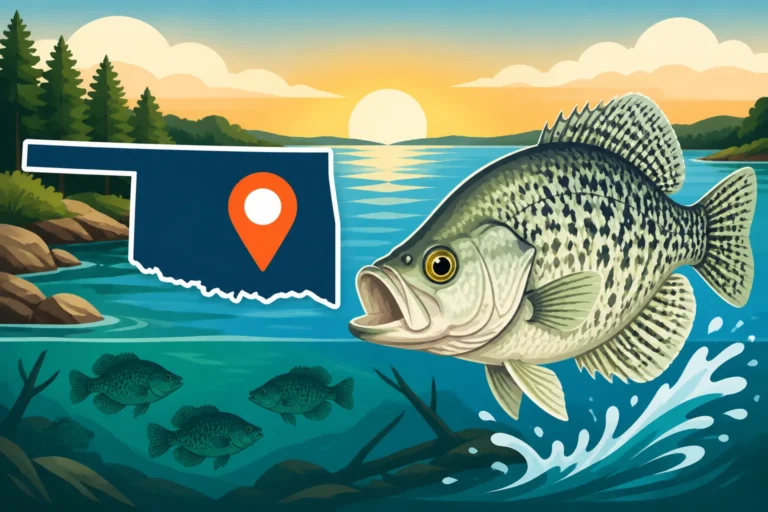
It can be incredibly frustrating to head out for a day of crappie fishing, only to find that the fish you're catching are just a hair too small to keep. Oklahoma has a few special lakes with a 10-inch minimum length limit for crappie, a rule designed to help these fisheries produce bigger, healthier fish. This guide is all about helping you understand why these rules exist and, more importantly, where to go and how to successfully target those keeper-sized slabs on these specific bodies of water.
Understanding Oklahoma's Ten-Inch Crappie Lakes
Oklahoma's diverse network of lakes and rivers offers incredible fishing opportunities, but not all crappie regulations are created equal. While many lakes adhere to the statewide crappie bag limit of 37 fish with no minimum length, certain lakes have specific, stricter rules. One of the most common and impactful of these is the 10-inch minimum length limit, which often comes with a reduced daily creel limit as well. This isn't just an arbitrary rule; it's a carefully considered management strategy to enhance the quality of the crappie fishery in those particular waters.
Why the Ten-Inch Rule Exists
The primary reason behind implementing a 10-inch minimum length limit for crappie is to allow more fish to reach sexual maturity and spawn at least once before being harvested. Crappie typically start spawning around two years of age, and in some waters, they might not reach 10 inches until their third or even fourth year. By protecting these fish until they hit a certain size, the Oklahoma Department of Wildlife Conservation (ODWC) aims to increase the overall spawning biomass, leading to more successful reproduction and ultimately, a more robust population. This also helps reduce fishing pressure on smaller, younger fish, allowing them to grow into larger, more desirable "slab" crappie that anglers love to catch. It's a long-term investment in the health and trophy potential of the fishery.
Another benefit is the potential for improved genetics. By allowing larger fish to reproduce, there's a greater chance that genes for faster growth and larger size will be passed on to future generations. For anglers, this means a better chance of catching truly impressive crappie, rather than just a boatload of small, barely legal fish. It truly encourages a "quality over quantity" approach.
Identifying the Key Lakes with Stricter Crappie Limits
Not all lakes in Oklahoma have a 10-inch crappie minimum, so knowing which ones do is crucial before you even load up your boat. The ODWC specifically manages several popular fishing destinations with this stricter size limit to promote a healthier, larger crappie population. These regulations are part of what's known as "special regulations" that deviate from the standard statewide rules.
The main lakes in Oklahoma currently operating under a 10-inch minimum length limit for crappie include:
- Lake Arbuckle
- Fort Gibson Lake
- Grand Lake O' the Cherokees (specifically the portion south of the I-44 bridge, also known as the Sailboat Bridge)
- Hudson Lake
- Tenkiller Ferry Lake
- Wister Lake
It's always a good idea to double-check the most current regulations directly from the ODWC, as rules can occasionally change. Understanding these specific requirements, like those found under "Stricter Crappie Limits at Six Oklahoma Lakes", is key to a successful and legal fishing trip.
Impact on Anglers
For us anglers, a 10-inch minimum crappie length limit means a shift in strategy and expectations. Gone are the days of filling a cooler with 8-inch crappie, no matter how many you catch. This rule forces you to become a more discerning angler, focusing on techniques and locations that tend to hold larger fish. It can be a little disheartening at first to catch and release several fish that would be keepers on other lakes, but the payoff is worth it: a higher probability of hooking into those hefty crappie that are truly a joy to bring to the boat.
You might find yourself investing more time in understanding crappie habits, learning how to effectively use your electronics, or even hiring a local guide. Websites like FishingBooker can be a great resource for connecting with experienced guides who specialize in these specific lakes and understand their unique regulations. They can put you on the fish and help you quickly learn the ropes of these stricter waters. This rule also encourages more careful handling of fish destined for release, minimizing stress and injury so they can continue to grow. It elevates the challenge and, in many ways, the reward of crappie fishing.
Top Crappie Lakes with a Ten-Inch Minimum
Now that we understand the 'why' behind the rules, let's dive into the 'where.' These Oklahoma lakes are renowned crappie fisheries, and their 10-inch minimum length limits have helped cultivate some truly impressive slabs. Each lake has its unique characteristics, challenges, and hot spots, making them exciting destinations for any crappie enthusiast.
Lake Arbuckle
Nestled in the beautiful Arbuckle Mountains near Sulphur, Lake Arbuckle is a crystal-clear reservoir managed for quality crappie and bass fishing. The "Arbuckle Lake Crappie Rules in Oklahoma" enforce the 10-inch minimum, which has led to a population of healthy, robust crappie.
- Key Spots: Look for crappie congregating around the numerous standing timber areas, especially in the upper arms of the lake. The deep submerged brush piles and rocky ledges also hold good numbers of fish. In spring, the shallow coves and creek channels near Buckhorn and The Point are prime spawning grounds. During summer and winter, focus on deeper water, often 15-30 feet, near structure.
- Techniques: Due to the clear water, light line and subtle presentations often work best. Jigs, usually 1/16 to 1/8 ounce in natural colors like pearl, chartreuse, or black/chartreuse, tipped with a small minnow or scented plastic, are highly effective. Spider rigging with multiple rods at different depths is a popular method to cover water and find the fish. Trolling small crankbaits can also be productive, especially when fish are suspended.
- Seasons: Spring (March-May) is prime for shallow-water spawning crappie. Fall (October-November) offers excellent fishing as crappie move to creek channels and feed aggressively. Even winter fishing can be good, targeting deep brush piles and ledges.
Tenkiller Ferry Lake
Often just called "Lake Tenkiller," this deep, clear-water reservoir in eastern Oklahoma is another gem for crappie anglers, particularly those seeking larger fish. Its "Tenkiller Lake's 10-Inch Crappie Minimum" helps maintain a healthy fishery.
- Key Spots: Tenkiller is famous for its submerged timber and bluff lines. Crappie will stack up along these underwater features at various depths, depending on the season and water temperature. The Illinois River arm and the many coves and tributaries on the lower lake are excellent starting points. Look for brush piles near creek channels in the mid-to-lower lake. Local brush pile maps, often available at marinas, are invaluable here.
- Techniques: Vertical jigging around structure is a go-to method. Small jigs (1/16 to 1/8 ounce) in chartreuse, white, or black/chartreuse, often tipped with live minnows, are hard to beat. Because of the depth, many anglers use electronics extensively to pinpoint schools of crappie and suspended structure. Drifting minnows or slow-trolling jigs can also be effective when fish are scattered.
- Seasons: Spring (March-May) sees crappie moving shallow into coves to spawn. Fall (October-November) is another fantastic time, as fish aggressively feed before winter. Summer nights, fishing under lights, can also yield excellent results for deep-water crappie.
Fort Gibson Lake
Located near Wagoner, Fort Gibson Lake is a large, productive reservoir known for its diverse fishery, including excellent crappie. While it has a 15-fish daily bag limit, it also enforces a 10-inch minimum length limit for crappie.
- Key Spots: Fort Gibson boasts extensive standing timber, especially in the upper end and in many of its numerous coves. The Cowskin Bay area, the Grand River arm, and the main lake creek channels are prime crappie territory. Look for brush piles, old roadbeds, and submerged structures. The mouths of creeks and protected coves offer excellent spring spawning opportunities.
- Techniques: Spider rigging with jigs and minnows is a popular and very effective method, allowing anglers to present multiple baits at varying depths. Trolling crankbaits is also successful, especially when crappie are suspended in open water or along creek channels. Single-pole jigging around visible and submerged timber is also a classic technique that produces.
- Seasons: Spring (March-April) is a bustling time for shallow crappie as they prepare to spawn. Fall (October-November) offers another fantastic bite, with crappie schooling up and moving into creek channels. Winter can be productive for deep-water fish, and summer night fishing under lights is a unique experience.
Hudson Lake
Just downstream from Grand Lake, Hudson Lake is another excellent eastern Oklahoma crappie destination with a 10-inch minimum length limit, as detailed in "Hudson Lake Crappie Limit Explained". It's a slightly smaller, more riverine lake, often known for its good numbers of healthy crappie.
- Key Spots: Hudson's crappie tend to relate to its abundant standing timber and brush piles, particularly in the lower lake and along the main river channel. The various coves and pockets, especially those with some timber or laydowns, are key areas for spawning fish in the spring. Look for submerged humps and ledges in deeper water during the hotter and colder months.
- Techniques: Both single-pole jigging and spider rigging are highly effective. Jigs in brighter colors like chartreuse, orange, and white often work well, sometimes tipped with minnows. Small crankbaits trolled along creek channels can also draw strikes from aggressive crappie. Vertical presentations around any detected structure are usually a good bet.
- Seasons: Spring (March-May) is prime as crappie move into shallow, protected coves. Fall (October-November) sees a resurgence of activity as fish feed up. Even through winter, deep structure can hold large numbers of crappie, making it a viable cold-weather destination.
Grand Lake O' the Cherokees (South of I-44 Bridge)
Grand Lake is a vast and immensely popular fishing lake in Northeast Oklahoma. While its overall "Grand Lake Crappie Size and Bag Limits" vary, the portion south of the I-44 bridge (also known as the Sailboat Bridge) specifically imposes a 10-inch minimum length limit for crappie. This distinction is crucial for anglers planning a trip to this renowned fishery.
- Key Spots (South of I-44): In the southern portion of Grand Lake, focus on the abundant brush piles, marinas, and deeper docks. The numerous coves and cuts, particularly those with rock structures or submerged timber, can hold good numbers of crappie. Areas near Sailboat Bridge itself and the main lake points can be excellent. The clear water here means fish often hold a bit deeper or relate tightly to cover.
- Techniques: Vertical jigging with light jigs (1/16 to 1/8 ounce) in natural colors like smoke, clear/flake, or white, often tipped with a crappie nibbler or small minnow, is very effective around brush piles and docks. Trolling small crankbaits or jigs can also work in open water over submerged structure. Using quality electronics to identify brush and crappie schools is vital on this large lake.
- Seasons: Spring (March-May) brings crappie into shallower coves and around docks for spawning. Fall (October-November) sees crappie actively feeding on baitfish, making them easier to locate along creek channels and main lake points. Summer night fishing under lights near deep docks and bridges is also a productive way to beat the heat.
Wister Lake
Located in southeastern Oklahoma, near the town of Wister, this lake is another important crappie fishery with a 10-inch minimum length limit. It's a shallower, more turbid lake compared to some of the others on this list, offering a different type of crappie fishing experience.
- Key Spots: Wister Lake is characterized by its extensive standing timber and stump fields, especially in its upper reaches and the numerous arms formed by the Poteau and Kiamichi rivers. Crappie will relate heavily to this wood cover. The main lake creek channels and associated brush piles are also prime targets. The shallower, warmer waters in spring make the coves excellent spawning grounds.
- Techniques: Due to the often stained water, brighter colored jigs (chartreuse, orange, pink) in 1/16 to 1/8 ounce sizes are frequently used, often tipped with a minnow or soft plastic. Spider rigging is highly effective here to cover large areas of timber. Slow trolling jigs or small crankbaits along the edges of timber lines and creek channels can also produce. Don't be afraid to fish shallow, especially during the spring.
- Seasons: Spring (March-April) is phenomenal for crappie on Wister, as they push into the shallow, woody coves to spawn. Fall (October-November) provides another strong bite as crappie school up and feed actively. Even summer can be good by targeting fish in deeper timber or fishing at night under lights.
| Lake Name | 10-Inch Minimum | Daily Bag Limit | Primary Cover Type | Best Season for Crappie | General Water Clarity | Notable Feature for Crappie |
|---|---|---|---|---|---|---|
| Lake Arbuckle | Yes | 15 | Standing Timber, Brush Piles | Spring, Fall | Clear | Excellent numbers of larger crappie due to strong management. |
| Fort Gibson Lake | Yes | 15 | Standing Timber, Brush Piles | Spring, Fall | Moderate to Stained | Vast lake with diverse structure and riverine influences. |
| Grand Lake (S. of I-44) | Yes | 15 | Docks, Marinas, Brush Piles | Spring, Fall, Summer Night | Clear | Deep, rocky main lake area with numerous man-made structures. |
| Hudson Lake | Yes | 15 | Standing Timber, River Channel | Spring, Fall | Moderate to Stained | Strong timber lake, often holds good schools of crappie. |
| Tenkiller Ferry Lake | Yes | 15 | Submerged Timber, Bluff Lines | Spring, Fall | Clear | Deep, clear reservoir with abundant natural and man-made structure. |
| Wister Lake | Yes | 15 | Standing Timber, Stump Fields | Spring, Fall | Stained | Shallower, river-influenced lake with vast timbered areas. |
Note: Daily bag limits are subject to change. Always verify current regulations before fishing.
Strategies for Success on Ten-Inch Crappie Lakes
Catching crappie on these special regulation lakes often requires a bit more finesse and strategic thinking than on waters with no size limits. It's not just about finding fish; it's about finding the right-sized fish. This means adapting your gear, understanding seasonal movements, and leveraging every tool at your disposal.
Adapting Your Approach
When faced with a 10-inch minimum, you'll want to slightly adjust your fishing style to target larger fish and minimize harm to smaller ones you intend to release.
- Bigger Baits: While crappie are known for biting small baits, sometimes bumping up your jig size from 1/32 to 1/16 or even 1/8 ounce, or using a slightly larger minnow, can help deter smaller fish and entice the bigger ones. Larger crappie are often more aggressive feeders and won't shy away from a more substantial meal. Consider using crappie tubes or soft plastics that are 2-3 inches long, offering a larger profile.
- Slower Presentations: Big crappie can be finicky. A slower retrieve or a more subtle jigging motion can often be the key to getting them to bite. Sometimes, simply holding your bait perfectly still in a productive zone for an extended period is what it takes. Remember, these are often more mature fish that have seen a lot of lures, so don't rush it.
- Targeting Deeper Structure: While crappie will move shallow during the spawn, larger crappie often prefer deeper, more stable environments throughout much of the year. Focus on creek channels, submerged humps, deep brush piles, and old roadbeds in 15-30 feet of water, even during the "shoulder" seasons of late spring and early fall.
- Single Hook Focus: When possible, opt for single-hook jigs or use single hooks on your minnow rigs. While treble hooks can be effective, single hooks generally cause less damage to smaller fish, making their release much safer.
- Careful Handling: When you catch a crappie that's under the 10-inch minimum, handle it with extreme care. Wet your hands before touching the fish, remove the hook quickly, and release it gently back into the water. Every healthy released fish contributes to the future of the fishery.
To truly master the nuances of crappie fishing on these specific bodies of water, exploring various "Crappie Fishing Techniques and Seasonal Patterns in Oklahoma" can provide invaluable insights.
Seasonal Considerations
The 10-inch minimum length limit for crappie affects your strategy differently throughout the year. Understanding these seasonal patterns is crucial for consistent success.
- Spring (March-May): This is when crappie move shallow to spawn. They can be found in 2-10 feet of water in protected coves, around submerged brush, and along rocky shorelines. While many fish will be catchable, you'll still encounter plenty of sub-legal crappie. Focus on finding schools of larger fish on the edges of these spawning areas, or slightly deeper holding areas nearby. The first push of spawners often includes the biggest females.
- Summer (June-August): As water temperatures rise, crappie move to deeper, cooler water. They'll often suspend over creek channels, relate to deep timber, or congregate around brush piles in 15-30+ feet. This is an excellent time for vertical jigging or slow trolling with electronics to pinpoint schools. Night fishing under lights near deep structure can be incredibly productive, as baitfish are attracted to the light, bringing in the crappie.
- Fall (September-November): Fall sees crappie becoming very active as they feed heavily in preparation for winter. They often move back into creek channels and somewhat shallower main lake points, chasing baitfish. This can be a fantastic time for both numbers and size. Spider rigging or slow trolling jigs and minnows along these channel edges is a prime tactic.
- Winter (December-February): Crappie usually hold tight to deep structure during winter. They might be sluggish, so a very slow, subtle presentation is key. Deep brush piles, submerged timber, and bluff walls in 20-40 feet are common winter haunts. Your fish finder is your best friend during these months to locate these tightly schooled fish.
Using Technology and Local Knowledge
In today's fishing world, technology can be a game-changer, especially on large, complex lakes with specific regulations.
- Fish Finders and Electronics: A good quality fish finder with side imaging and down imaging is almost essential for crappie fishing on these deep, structured lakes. It allows you to quickly locate brush piles, standing timber, and most importantly, schools of crappie. You can often discern the size of the fish arches, giving you an idea of whether you're over a school of small crappie or a group of potential keepers. Many units also have GPS mapping, allowing you to mark productive spots and return to them later. Knowing "Fish Finder Features That Matter Most on Oklahoma Reservoirs" can greatly improve your success.
- Mapping Apps: Modern mapping apps on your phone or tablet can provide detailed contour lines, showing you creek channels, humps, and drop-offs that might hold crappie. These are invaluable for planning your attack and identifying potential hotspots before you even launch your boat.
- Talk to Local Anglers and Guides: Don't underestimate the power of local knowledge. Chatting with anglers at the boat ramp, local bait shops, or even searching online forums can give you real-time information on what's biting, where, and on what bait. For a truly expedited learning curve, consider hiring a professional guide. Services like FishingBooker allow you to find and book experienced crappie guides on these specific lakes. A good guide knows the patterns, the spots, and the nuances of the 10-inch rule on their home waters. They can save you hours of searching and put you directly on the fish. They're also usually up-to-date on all "Oklahoma Fishing License Requirements in Oklahoma" and local regulations.
- Online Resources: The Oklahoma Department of Wildlife Conservation (ODWC) website is a treasure trove of information, including current regulations, fishing reports, and lake maps. Utilize their resources to stay informed and plan your trips effectively.
By combining these strategies—understanding the rules, adapting your techniques, considering seasonal changes, and leveraging technology and local expertise—you'll significantly increase your chances of finding and catching those desired 10-inch-plus crappie on Oklahoma's specially managed lakes. Remember, it's not just about how many crappie you can keep, but the quality of the fishing experience and the health of the fishery for years to come.
Disclaimer
Fishing regulations are subject to change. Always consult the latest official Oklahoma Department of Wildlife Conservation (ODWC) regulations before heading out to fish. This guide provides general information and should not be considered a substitute for official rules and guidelines.