Can You Keep More Than One Bass Over 16 Inches?
Ever found yourself reeling in a beautiful bass in Oklahoma, only to stare at it, scratching your head, wondering if you can actually keep it? The truth is, Oklahoma's bass fishing regulations can feel like a tangled line sometimes, especially when it comes to those length limits. Many anglers get confused by the rules surrounding the daily bag limit and what size fish you can legally retain. This comprehensive guide is here to untangle that knot, specifically addressing whether you can keep more than one bass over 16 inches, and clarifying the nuances of these important regulations so you can fish with confidence.
Understanding Oklahoma's Statewide Bass Bag Limit
The Oklahoma Department of Wildlife Conservation (ODWC) sets statewide regulations to manage our incredible fisheries and ensure healthy populations for future generations of anglers. These rules are designed to strike a balance between allowing folks to enjoy their catch and protecting the reproductive potential of our bass. However, the specifics can often feel like a pop quiz, particularly when it comes to size restrictions.
The Overall Six-Fish Limit Explained
First things first, let's talk about the big picture: the statewide daily bag limit for black bass is six fish. This limit applies to a combination of largemouth bass, smallmouth bass, and spotted bass. It's not six of each; it's a total of six black bass combined. So, if you catch three largemouth, two smallmouth, and one spotted bass, you’ve hit your limit. This combined limit is crucial because many anglers might only focus on largemouth, but the rule encompasses all three popular black bass species you're likely to encounter in Oklahoma's diverse waters.
This statewide limit is a cornerstone of Oklahoma's conservation efforts. It helps prevent overfishing and ensures that enough bass remain in the water to reproduce and grow, maintaining a sustainable fishery. Understanding that all three species count towards that magic number of six is the first step in staying compliant. You might catch a feisty smallmouth in a rocky river or a chunky largemouth in a weed-choked lake, but they all contribute to that same daily tally.
The Single 16-Inch Bass Rule and Its Nuances
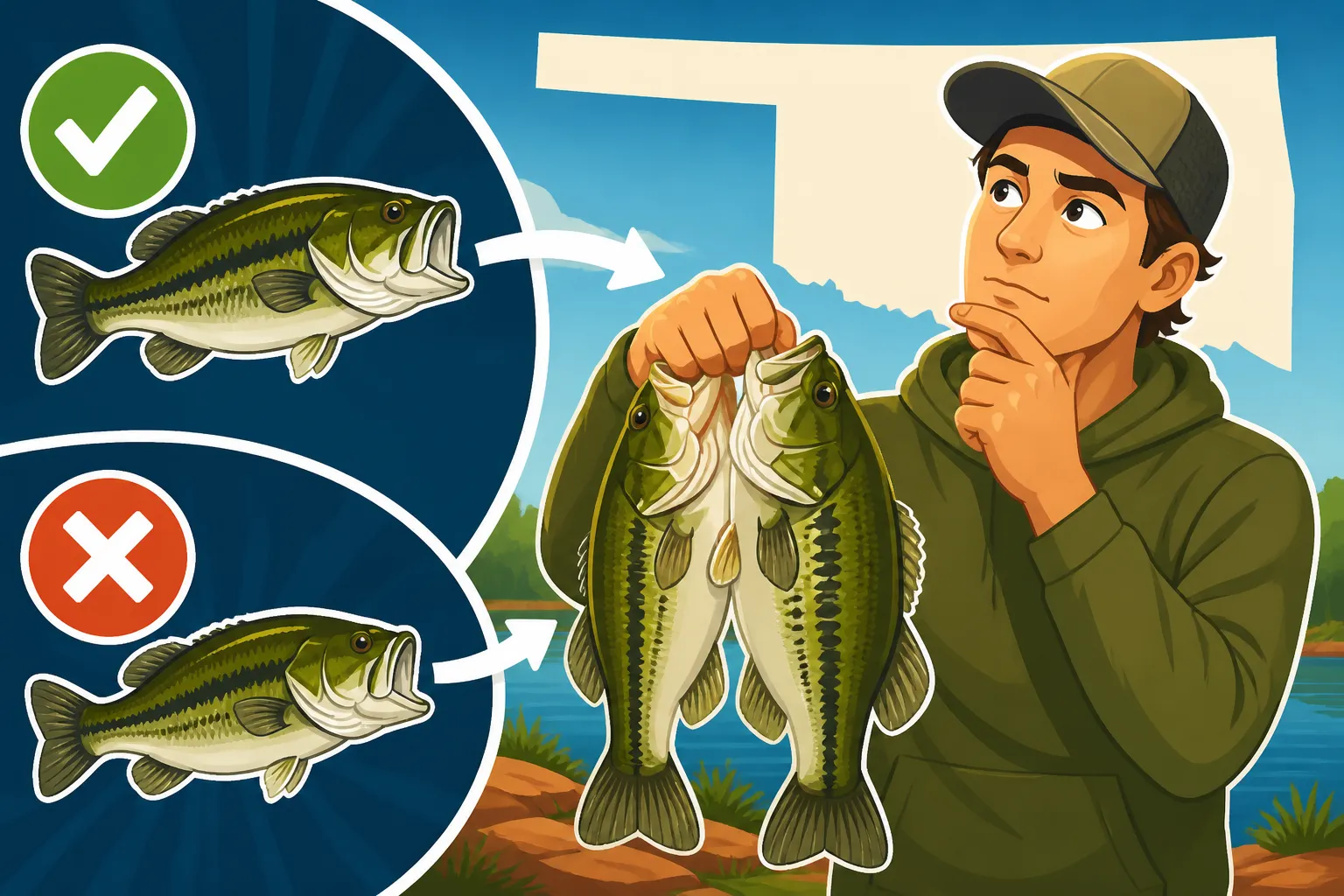
Now, here's where the real head-scratcher comes in, the specific question many anglers grapple with: Can you keep more than one bass over 16 inches? The short and emphatic answer for the statewide regulation is no, you cannot. According to the current statewide rules, out of your total six-fish daily bag limit for black bass, only one of those fish can be 16 inches or longer.
This means that if you land a gorgeous 18-inch largemouth, that's your one trophy fish for the day in that size class. Any other bass you keep must be under 16 inches. Imagine you're having a fantastic day on the water, perhaps at Lake Eufaula, and you catch a 17-inch largemouth and a 19-inch smallmouth. While both are fantastic fish, you would only be allowed to keep one of them if you're adhering to the statewide regulation. The other would need to be immediately released. This rule, often referred to as "The One 16-Inch Bass Rule Anglers Miss," is designed to protect larger, often more productive, breeding bass, while still allowing anglers to harvest some fish. It’s a common point of confusion, but once you know it, it's pretty straightforward.
For example, if you decide to keep that 18-inch bass, you then have five remaining slots in your bag limit, and all five of those bass must be shorter than 16 inches. If you catch another bass that measures 16 inches or more, it has to go back in the water. This regulation is a critical component of the state's efforts to maintain healthy trophy bass fisheries. It encourages the release of larger fish, which are vital for strong spawning populations. This specific regulation applies to the combined total of Largemouth and Smallmouth Bass Limits Combined in Oklahoma, meaning no matter the species of black bass, only one can be 16 inches or more.
Specific Lake and River Exceptions
While the statewide regulations provide a solid foundation, Oklahoma's diverse waterways often come with their own unique set of rules. This is where it gets a little more complicated, and why it's absolutely crucial to check the specific regulations for the body of water you plan to fish. Just because you know the statewide rule doesn't mean it applies everywhere.
Common Lake-Specific Regulations
Many popular fishing lakes in Oklahoma have special regulations that supersede the statewide limits, especially for black bass. These are typically implemented when fisheries biologists determine a different approach is needed to manage a particular lake's bass population effectively. For example, some lakes might have a "slot limit" where you can only keep fish below a certain size (e.g., under 14 inches) and above another size (e.g., over 20 inches), with fish in the "slot" (e.g., 14-20 inches) needing to be released. This is often done to protect a specific size class of fish that are crucial for reproduction or growth.
A great example of this is Lake Arcadia or Lake Humphries, which have different length limits for bass than the statewide rule. These special rules are in place for a reason, usually to improve the quality of the fishery over time by managing population dynamics. So, before you even load up your gear, a quick check of the ODWC regulations for your chosen lake is non-negotiable. Missing this step could lead to unintentional violations. These lake-specific rules are often posted at boat ramps and can be found in the current Oklahoma Fishing Regulations Guide, which you can usually pick up at bait shops or find online.
River and Stream Bass Limits
It's not just lakes that can have different rules; rivers and streams often operate under their own distinct set of regulations, particularly for smallmouth and spotted bass. You might find that Why River Bass Limits Differ From Lake Limits in Oklahoma is a question that pops up a lot. For instance, many rivers and streams across Oklahoma have a 14-inch minimum length limit for black bass. This means any largemouth, smallmouth, or spotted bass you catch in these moving waters must be at least 14 inches long to be legally retained.
Furthermore, some specific river systems might have even stricter limits. A prime example is the rule stating "Only One Smallmouth Bass a Day in Oklahoma Rivers" in certain areas, regardless of its length beyond the minimum. This is a big departure from the statewide combined bag limit of six fish and the one-over-16-inches rule for lakes. These river-specific rules are often tailored to protect more fragile smallmouth bass populations that inhabit these flowing waters. Always refer to the specific regulations for the river or stream section you are fishing to avoid any issues. The goal of these specific regulations is to ensure the long-term health and vitality of these unique riverine fisheries, which often host different types of bass populations compared to larger reservoirs. You'll find The 14-Inch Minimum for River and Stream Bass is a common regulation in many of our state's beautiful flowing waters.
Staying Compliant: Practical Tips for Anglers
Navigating fishing regulations can feel like a chore, but it's an essential part of being a responsible angler. The last thing any of us wants is to accidentally break a rule and face the consequences, or worse, negatively impact the very fisheries we love. A little preparation goes a long way in ensuring your day on the water is both enjoyable and legal.
Measuring Your Catch Accurately
One of the most crucial tools an angler can carry is a reliable measuring device. Whether it's a foldable bump board, a flexible tape measure, or even a sticker on your boat, having an accurate way to measure your fish is non-negotiable. When in doubt, always measure your fish against the legal length requirements for the specific body of water you're fishing. Remember, fish should be measured from the tip of the jaw (mouth closed) to the end of the tail (tail pinched).
It's a good habit to keep your measuring device easily accessible, especially if you're targeting bass in areas with varying length limits. Don't rely on guesswork or a rough estimate. A small error could mean the difference between a legal catch and a violation. You can easily find a sturdy, waterproof measuring board on platforms like Amazon that will serve you well for years, ensuring you can confidently determine if your bass meets the legal length requirements. Taking the time to measure correctly shows respect for the regulations and the fish population.
The Importance of Knowing Before You Go
Before every fishing trip, make it a habit to quickly review the most current Oklahoma fishing regulations. This is especially important if you're visiting a new lake, a different section of a river, or if you haven't fished in a while. Regulations can and do change, sometimes annually. The Oklahoma Department of Wildlife Conservation publishes an updated regulation guide each year, which is readily available online, at bait shops, or sporting goods stores.
This simple step can save you a lot of grief. You might think you know the rules for a certain lake, only to find out a new slot limit or length restriction has been put in place. Knowing the specific rules for a particular body of water, including Statewide Bass Bag Limits in Oklahoma and any special exemptions, empowers you to make informed decisions on the water. It ensures that when you catch a fish, you know immediately whether it's a keeper or needs to be released. This diligence is key to responsible angling and avoiding any Penalties for Fishing Without a License in Oklahoma, or more specific violations related to bag and length limits.
Consequences of Non-Compliance
It's easy to get caught up in the excitement of fishing, but ignoring the rules, whether intentionally or accidentally, can lead to some pretty serious headaches. Game wardens are out there to protect our natural resources, and they take violations seriously. Understanding the potential repercussions can be a strong motivator to always stay informed and compliant.
Penalties for Violating Bass Limits
Violating bass bag limits, length limits, or other specific fishing regulations in Oklahoma can result in significant penalties. These aren't just minor slaps on the wrist; they can include substantial fines, court costs, and even the loss of your fishing privileges for a period of time. Imagine having your fishing license suspended for a year because you mistakenly kept two bass over 16 inches instead of one. That's a tough pill to swallow for any avid angler.
The specific penalties can vary depending on the severity of the violation and whether it's a repeat offense. Game wardens have the authority to issue citations on the spot, and you'll then have to deal with the court system. This not only puts a dent in your wallet but also costs you valuable time and stress. It's simply not worth the risk. Always remember that the rules, like those governing Oklahoma's Bass Fishing Rules and Limits, are in place for the long-term health of the fish populations. Abiding by them protects your right to fish and the future of the sport.
Here's a quick overview of how the statewide bass limits typically apply:
| Bass Species (Combined) | Statewide Daily Bag Limit | 16-inch Rule Application |
|---|---|---|
| Largemouth, Smallmouth, Spotted Bass | 6 total fish | Only ONE fish 16 inches or longer |
| Example Lake/River Specific | Always check local regulations | Varies (e.g., slot limits, different minimums) |
This table clearly highlights that the "one over 16 inches" rule applies to the combined bag limit, and that local exceptions are critical to acknowledge. For example, if you're fishing a river, you might have to contend with The 14-Inch Minimum for River and Stream Bass, which is quite different from the lake rules. This information ensures you're prepared no matter where you cast your line.
Protecting Oklahoma's Fisheries for Future Generations
Beyond the personal penalties, every angler has a responsibility to contribute to the conservation of Oklahoma's fish populations. Regulations like "The One 16-Inch Bass Rule Anglers Miss" and "Oklahoma's Bass Fishing Rules and Limits" are not arbitrary; they are developed by fisheries biologists based on scientific data to ensure sustainable fishing. These rules help protect spawning bass, maintain genetic diversity, and allow younger fish to grow to a harvestable size.
By adhering to these rules, you're doing your part to ensure that our lakes and rivers remain vibrant and full of fish for years to come. This means that when you're considering keeping a fish, you're also thinking about the long-term health of the fishery. Understanding how to get a fishing license in Oklahoma and staying updated on all associated regulations is more than just avoiding a fine; it's about being a steward of our natural resources. Whether you're fishing for a meal or just for the thrill, every decision you make on the water has an impact. Let's all work together to keep Oklahoma a premier fishing destination. You can often find informational pamphlets at local ODWC offices or sporting goods stores like those found on Amazon, offering detailed guides to these critical regulations.
Disclaimer
Please note that fishing regulations can change. While this guide aims to provide accurate and current information, it is the angler's responsibility to consult the official Oklahoma Department of Wildlife Conservation (ODWC) regulations manual before fishing to ensure compliance with the most up-to-date rules.