Crappie Fishing Rules and Limits in Oklahoma
It's a common scenario for many anglers: you head out to your favorite Oklahoma lake, cast your line for crappie, and maybe reel in a limit of those tasty panfish, only to wonder if you actually remembered all the rules. With varying regulations across different bodies of water, keeping track of crappie fishing rules and limits in Oklahoma can feel like navigating a maze. This guide is here to clear up the confusion, walking you through both the statewide crappie regulations and those critical lake-specific exceptions that can make or break your fishing trip.
The General Crappie Fishing Rules in Oklahoma
When you're out on the water in Oklahoma, soaking a minnow or jigging for crappie, it's easy to assume that one set of rules applies everywhere. For many of the state's incredible fishing spots, that's generally true. The Oklahoma Department of Wildlife Conservation (ODWC) sets a foundational set of regulations that govern most crappie fishing throughout the state, ensuring that this popular sport remains sustainable and enjoyable for everyone.
Statewide Daily Bag Limits for Crappie
For the vast majority of lakes and rivers across Oklahoma, the daily bag limit for crappie is a generous 37 fish. This means that in any single 24-hour period, from midnight to midnight, you are legally allowed to harvest up to 37 crappie. This limit is quite substantial and allows anglers plenty of opportunity to fill their coolers, especially when the crappie bite is hot. It’s a number that reflects a healthy, abundant crappie population in many of the state's waters.
It’s crucial to understand that this limit encompasses both species of crappie found in Oklahoma: the black crappie and the white crappie. You don't get 37 black crappie and 37 white crappie; rather, their combined total must not exceed the 37-fish limit. So, whether you're catching a mix or focusing on one type, the grand total is what matters. This unified approach to bag limits simplifies things for anglers, as distinguishing between the two species quickly isn't always easy, especially when they're small or if you’re new to crappie fishing. For more details on this, you can always refer to "Oklahoma's Statewide Crappie Bag Limit" in the official regulations.
Why Bag Limits Exist
Bag limits, while sometimes feeling restrictive to an eager angler, are truly the cornerstone of responsible wildlife management. Their primary purpose is straightforward: to ensure the long-term health and sustainability of fish populations. Without limits, unchecked harvesting could quickly deplete a fishery, leading to fewer fish for everyone in the future and potentially causing ecological imbalances.
The ODWC sets these limits based on extensive scientific research, population surveys, and habitat assessments. They consider factors like spawning success rates, growth rates, natural mortality, and of course, fishing pressure from anglers. By managing the number of fish removed from the ecosystem, they help maintain a balance, allowing crappie populations to reproduce and thrive year after year. This means that the 37-fish limit isn't just an arbitrary number; it's a carefully calculated measure designed to keep Oklahoma’s crappie fisheries robust and productive for generations of anglers to come.
Understanding Crappie Size Regulations
While bag limits dictate how many crappie you can keep, size regulations often dictate which crappie you can keep. This is where things can get a little tricky in Oklahoma, as the rules aren't uniform across all waters. Understanding these nuances is critical to staying on the right side of the law and contributing to healthy fish populations.
The Statewide Absence of a Minimum Size Limit
Here's where Oklahoma crappie fishing often differs from other states or even other species within Oklahoma. For the vast majority of lakes and reservoirs across the state, there is no minimum size limit for crappie. This means that if you catch a crappie, no matter how small, it legally counts towards your 37-fish daily bag limit, and you can keep it if you choose. This can be a bit of a surprise for anglers accustomed to strict minimum size regulations for bass or catfish.
While legally permissible to keep smaller crappie, many seasoned anglers choose to release the very small ones, allowing them to grow larger and contribute to future spawns. This practice, often referred to as "angler ethics," helps to ensure that more fish reach a catchable size. It’s a personal choice, but it speaks to the responsibility many anglers feel toward the resource. However, it’s important to remember that this "no minimum size" rule is the general statewide default, and there are significant exceptions you absolutely need to know about.
The Crucial 10-Inch Minimum Size Limit at Select Lakes
Now, this is the part that often trips up even experienced crappie anglers visiting new waters. While many Oklahoma lakes have no size limit, there are six specific lakes where a 10-inch minimum size limit is enforced. This means any crappie you catch on these particular lakes must measure at least 10 inches from the tip of the nose to the tip of the tail, or it must be immediately released back into the water. Keeping an undersized crappie from one of these lakes, even accidentally, can result in a citation.
The reason for these lake-specific size limits is usually related to managing a particular fishery for larger, more desirable fish or to protect crappie during crucial growth stages. They are a tool to promote a healthier, more robust crappie population in those specific waters, often leading to better quality fishing over time. It's not just about a minimum length; it’s about ensuring the crappie have enough time to reproduce and contribute to the gene pool before they can be harvested. This makes it absolutely essential to check the regulations for your chosen fishing spot before you even cast your first line.
Diving Deep into Lake-Specific Crappie Restrictions
As we've discussed, the crappie fishing rules in Oklahoma aren't a one-size-fits-all deal. While most lakes fall under the general statewide regulations, there's a special group of six lakes where you'll find much stricter rules, particularly regarding size and bag limits. Ignoring these specific regulations can lead to a less-than-pleasant encounter with a game warden, so paying close attention is key.
The Six Lakes with Stricter Crappie Regulations
To help manage their specific crappie populations and enhance the fishing experience, the Oklahoma Department of Wildlife Conservation has implemented special regulations on these six significant lakes. These aren't minor tweaks; they fundamentally change how you can legally harvest crappie.
Here's the breakdown for each:
- Lake Arbuckle: Located in south-central Oklahoma, this beautiful lake is known for its clear waters and excellent fishing. However, if you're targeting crappie here, remember the 10-inch minimum size limit. Any crappie caught under that length must be immediately released. Additionally, the daily bag limit is reduced significantly to 15 crappie per angler. These specific "Arbuckle Lake Crappie Rules in Oklahoma" are designed to foster a population of larger, healthier fish.
- Lake Eufaula: As Oklahoma's largest lake, Eufaula offers vast crappie fishing opportunities. Despite its size, it too falls under the stricter crappie regulations. Anglers must adhere to the 10-inch minimum size limit and the 15-crappie daily bag limit. This helps manage the immense fishing pressure this popular lake receives, ensuring sustained crappie populations.
- Fort Gibson Lake: Situated in eastern Oklahoma near Wagoner, Fort Gibson is another highly popular crappie destination. Like the others on this list, it enforces a 10-inch minimum size and a 15-crappie daily bag limit. This proactive management ensures that anglers continue to have good success on this fertile reservoir. For those curious, you can delve into "Fort Gibson Lake's 15-Fish Crappie Limit" for more specific details.
- Grand Lake O' the Cherokees: A jewel in northeastern Oklahoma, Grand Lake is famous for its diverse fishing, including fantastic crappie. Here, the 10-inch minimum size and 15-crappie daily bag limit are also in effect. These regulations, part of the broader "Grand Lake Crappie Size and Bag Limits," help balance angler harvest with the lake's capacity to produce quality crappie.
- Hudson Lake: Located in Mayes County, just upstream from Fort Gibson, Hudson Lake is a smaller, often overlooked gem. It shares the same special crappie regulations: a 10-inch minimum size limit and a 15-crappie daily bag limit. Understanding "Hudson Lake Crappie Limit Explained" is essential for a legal outing here.
- Tenkiller Ferry Lake: Known for its crystal-clear water and scenic bluffs, Tenkiller is a favorite among many Oklahoma anglers. When fishing for crappie at Tenkiller, you must respect the 10-inch minimum size and the 15-crappie daily bag limit. This specific "Tenkiller Lake's 10-Inch Crappie Minimum" is a key regulation to remember.
These lakes are often monitored closely by the ODWC, and special regulations are a direct result of biological surveys indicating the need for more conservative management to maintain a healthy crappie fishery.
Why These Lakes Are Different
The decision to impose stricter crappie regulations on these six lakes isn't arbitrary; it's rooted in sound fishery management principles. Each of these lakes presents unique ecological factors, fishing pressure dynamics, or historical population trends that necessitate a different approach than the statewide general rules.
For instance, some of these lakes might experience exceptionally high fishing pressure due to their popularity and accessibility, meaning more anglers are consistently harvesting crappie. Without stricter limits, these populations could easily become overfished, leading to fewer and smaller crappie over time. Other lakes might have specific habitat conditions that influence crappie growth rates or spawning success, making it beneficial to protect fish until they reach a certain size or age to ensure they've had a chance to reproduce multiple times. The "Why Six Oklahoma Lakes Have Stricter Crappie Limits" isn't a punitive measure but a proactive strategy.
The ODWC regularly conducts surveys, netting, and electrofishing studies on these lakes to assess the crappie population's health, growth rates, and age structure. When data suggests that a 10-inch minimum size or a reduced bag limit will help improve the overall quality of the fishery—producing more large fish or a more stable population—these special regulations are implemented. The goal is always to create a more sustainable and rewarding fishing experience for everyone in the long run. It's about balancing the desires of anglers with the biological needs of the fish.
Identifying Your Catch: Black vs. White Crappie
Crappie anglers in Oklahoma will encounter two primary species: black crappie and white crappie. While both are fantastic sportfish and delicious table fare, they do have subtle differences in appearance. More importantly, understanding that both species contribute to the same bag limit is crucial for staying within the regulations.
Key Identification Features
Distinguishing between black and white crappie can sometimes be a bit tricky, especially if you're pulling them out of the water quickly. However, there are a few reliable characteristics that can help you tell them apart.
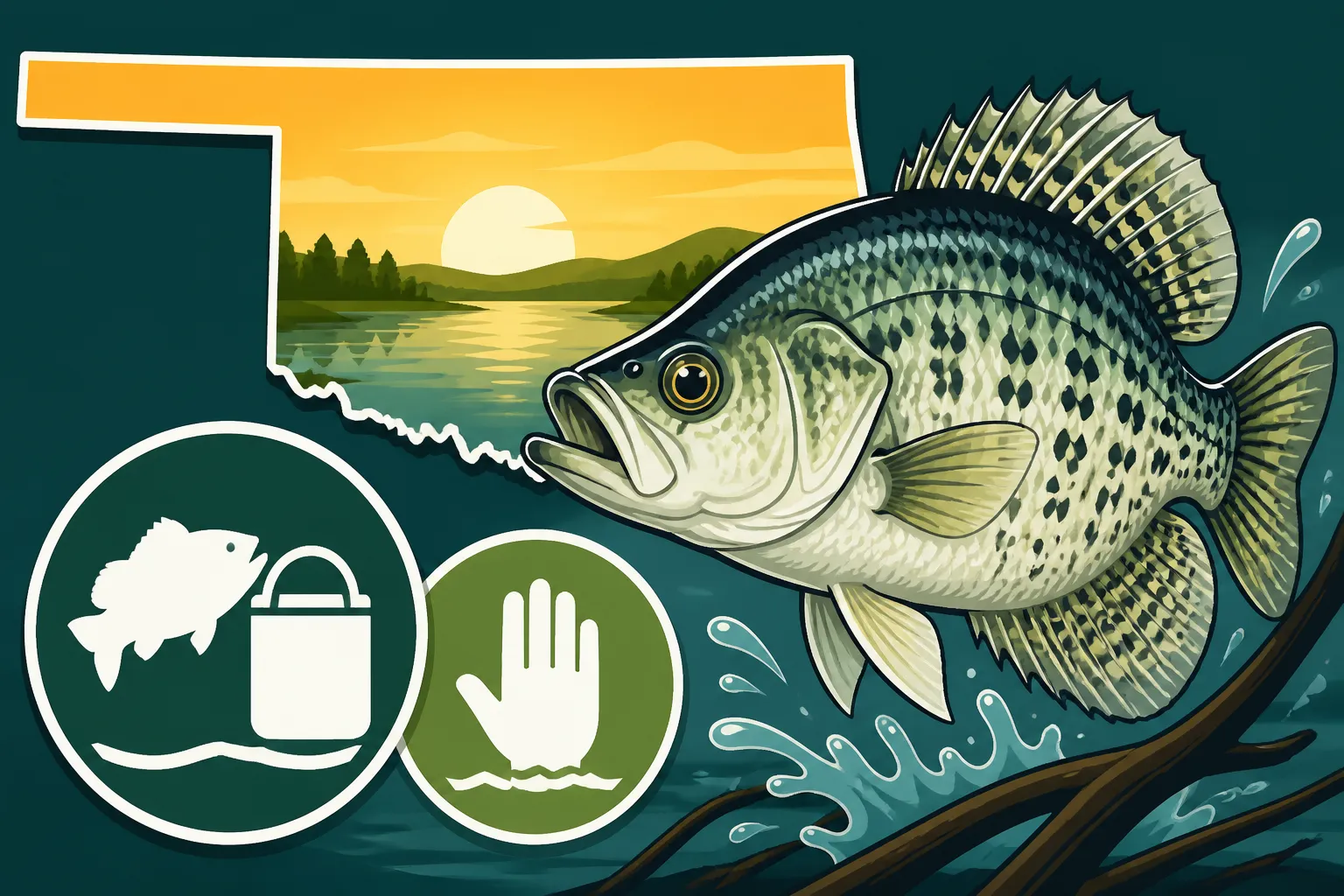
- Black Crappie ( Pomoxis nigromaculatus ): These crappie typically have a darker, more mottled appearance with irregular black spots scattered across their silvery-gold bodies. Their most definitive feature, however, lies in their dorsal fin (the fin on their back). Black crappie will have seven or eight dorsal spines, giving the fin a somewhat rounded or "fuller" look. They also tend to be a bit more "deep-bodied" or rounder in profile compared to their white crappie cousins. You'll often find black crappie preferring clearer water with more vegetation and structure.
- White Crappie ( Pomoxis annularis ): White crappie generally have a lighter, more silvery body with distinct, often faint, vertical bars or stripes along their sides. These bars can be quite pronounced on some fish, almost appearing as a tiger stripe pattern. When you count the dorsal spines on a white crappie, you'll consistently find five or six of them, which typically makes their dorsal fin look a little more elongated or triangular. They tend to have a slightly more slender body profile. White crappie are often more tolerant of turbid or muddy water and can be found in a wider variety of habitats, including open water and areas with less cover.
For a deeper dive into these characteristics, check out "Black Crappie vs White Crappie: Key Differences for Oklahoma Anglers." Learning these distinctions not only makes you a more knowledgeable angler but can also help you understand habitat preferences and improve your fishing strategy.
How Both Species Count Towards Your Limit
Here's the critical point for all Oklahoma crappie anglers: regardless of whether you catch a black crappie or a white crappie, they both count towards your daily bag limit. There are no separate limits for each species. If the statewide limit is 37, then your total catch of both black and white crappie combined cannot exceed 37. Similarly, on the six special regulation lakes with a 15-fish limit, that 15 fish can be any combination of black and white crappie.
This unified approach simplifies compliance. You don't have to worry about accidentally keeping too many of one species if you can't quickly identify it. As long as your total count stays within the limit for the specific body of water you're fishing, you're good. This rule also acknowledges that both species often inhabit the same waters and are targeted with similar techniques. So, if you're on a hot bite and pulling in a mix of both, just keep a running tally of your total fish to ensure you don't accidentally go over the "Black and White Crappie Counted Together" limit.
The Ramifications of Non-Compliance
It's easy to get caught up in the excitement of a good fishing day, but forgetting or deliberately ignoring the rules can turn a fun outing into a serious headache. Game wardens in Oklahoma are vigilant about protecting the state's natural resources, and they take fishing regulations very seriously. Understanding the potential consequences of non-compliance is a powerful motivator for adhering to the rules.
Penalties for Violating Crappie Regulations
Getting caught violating crappie fishing rules—whether it's exceeding the bag limit, keeping undersized fish from a special regulation lake, or fishing without a valid license—can lead to a range of penalties. These aren't just minor slaps on the wrist; they can have significant financial and legal repercussions.
- Fines: The most common penalty is a monetary fine. These fines can vary depending on the severity of the violation, the number of fish over the limit, or the number of undersized fish kept. A single violation could cost you hundreds of dollars. For instance, being caught with just a few crappie over the limit or an undersized fish can quickly escalate into a costly mistake.
- Loss of Fishing Privileges: Beyond fines, you could face the suspension or revocation of your fishing license. This means you wouldn't be able to fish legally in Oklahoma for a specified period, which can be devastating for passionate anglers. Repeat offenders often face more severe suspensions.
- Equipment Confiscation: In some serious cases, game wardens have the authority to confiscate fishing equipment, including rods, reels, and even boats, if they were used in the commission of a significant violation. While rare for minor crappie violations, it's a stark reminder of the authority game wardens wield.
- Legal Charges: Depending on the nature and extent of the violation, you could even face misdemeanor charges, which can result in court appearances and a permanent record. While unlikely for a couple of extra crappie, gross over-limits or intentional, repeated violations can lead to more severe legal action.
The game wardens are out there specifically to enforce these rules. They aren't trying to ruin your day; they're ensuring fair play and the preservation of fish populations for everyone. Don't underestimate their presence or their commitment to conservation. It's not uncommon to see them checking coolers and stringers at boat ramps or approaching anglers on the water. Even seemingly small violations can carry significant weight. For a broader understanding of legal repercussions, you can look at "Penalties for Fishing Without a License in Oklahoma," as similar enforcement principles apply to all fishing regulations.
The Importance of Knowing the Rules
The old adage "ignorance of the law is no excuse" absolutely applies to fishing regulations. It is every angler's personal responsibility to know and understand the current fishing rules for the specific body of water they are fishing. The ODWC makes these regulations readily available through various channels, so there's really no valid reason not to be informed.
Not knowing the rules doesn't just put you at risk of penalties; it also inadvertently harms the very resource you enjoy. When anglers keep too many fish or undersized fish from sensitive populations, it impacts the long-term health of that fishery, potentially leading to fewer and smaller crappie for everyone down the line. Each angler plays a role in conservation, and the first step is responsible adherence to established limits. Make it a habit to review the current year's fishing guide, especially if you're planning a trip to a lake you haven't fished recently or one of the special regulation lakes. A few minutes of research before your trip can save you a lot of trouble and ensure your fishing memories are positive ones.
Best Practices for Responsible Crappie Angling
Being a responsible angler goes beyond just knowing and following the rules. It involves adopting practices that ensure the well-being of the fish you catch, whether you intend to keep them or release them. It also means choosing the right gear and techniques for the conditions, maximizing your success while minimizing your impact on the environment.
Catch and Release Techniques
Even if you plan on keeping a limit of crappie, you'll inevitably catch some fish you don't intend to harvest. This might be because they're undersized on a regulated lake, or simply because you've already met your bag limit. Proper catch and release techniques are vital to give these fish the best chance of survival.
- Minimize Handling: The less you handle a fish, especially with dry hands, the better. Handling removes the protective slime coat, which is the fish's first defense against disease. If you must handle the fish, wet your hands first.
- Use the Right Tools: Keep a pair of pliers or a de-hooking tool handy. This allows you to quickly and safely remove hooks, especially if they are deeply set, without tearing the fish's mouth or gills.
- Avoid Excessive Stress: Try to land fish quickly rather than playing them to exhaustion, especially in warmer water. Prolonged fights can lead to lactic acid buildup, making it harder for the fish to recover.
- Support the Fish: If you need to take a quick photo, support the fish horizontally with both hands. Never hold a fish vertically by its jaw or gills, as this can damage internal organs and its spine.
- Gentle Release: Place the fish gently back into the water, head first, and if necessary, hold it upright until it regains its balance and swims away under its own power. Sometimes a gentle forward and backward motion can help push water over its gills.
- Barbless Hooks: Consider using barbless hooks, or crimping down the barbs on your hooks. This makes hook removal much quicker and causes less damage to the fish's mouth.
Practicing these techniques not only contributes to the health of the fishery but also reflects a respectful approach to the sport.
Essential Gear and Seasonal Strategies
Having the right gear and understanding seasonal patterns are two pillars of successful and responsible crappie fishing. The equipment you choose can influence your ability to land fish efficiently, while knowledge of crappie behavior throughout the year helps you locate them.
For crappie, light to ultralight spinning rods paired with small reels spooled with 4-6 pound test monofilament or fluorocarbon line are often ideal. This setup allows for sensitive feel, making it easier to detect subtle bites, and provides enough backbone to handle decent-sized crappie. Popular baits include small jigs (1/32 to 1/8 ounce) in various colors (chartreuse, white, pink, black/chartreuse are common), live minnows, or small soft plastics resembling minnows. Many anglers find their go-to crappie jigs and minnow buckets on platforms like Amazon, ensuring they have the right tools before hitting the water.
Seasonal strategies are just as important as your tackle box. Crappie move and behave differently throughout the year:
- Spring: This is prime spawning season! Crappie move into shallow water, often around submerged brush, lily pads, or docks, where they build nests. This is when "Crappie Fishing Techniques and Seasonal Patterns in Oklahoma" are often at their most productive, as fish are aggressive and easy to locate.
- Summer: As water temperatures rise, crappie often retreat to deeper, cooler water, congregating around submerged timber, brush piles, ledges, and creek channels. Night fishing under lights can be particularly effective during the summer.
- Fall: As waters cool, crappie become more active again, often schooling up in open water or along creek channels, feeding aggressively to fatten up for winter. Trolling jigs or minnows can be a great way to cover water and find these schools.
- Winter: Crappie typically suspend in deep water, often near baitfish schools or deep structure. They become less active, requiring a slow, subtle approach, often vertical jigging directly over them.
Understanding these patterns and adapting your approach—whether it's adjusting your depth, lure presentation, or even the time of day you fish—will significantly increase your chances of success while allowing you to enjoy the sport year-round. Don't forget to pack a good cooler, too, found easily on Amazon, to keep your legal catch fresh on the way home.
Planning Your Crappie Adventure
A successful and stress-free crappie fishing trip in Oklahoma starts long before you cast your first line. It begins with careful planning, especially when it comes to understanding and preparing for the specific regulations of your chosen fishing spot. Taking a few extra steps beforehand can save you from frustration and potential legal issues on the water.
Where to Find the Latest Regulations
The absolute best place to get the most up-to-date and accurate fishing regulations is directly from the Oklahoma Department of Wildlife Conservation (ODWC). Relying on old fishing guides, hearsay from other anglers, or even outdated information online can lead to costly mistakes.
- ODWC Website: The official ODWC website is your go-to resource. They publish a comprehensive annual fishing guide that details all statewide and lake-specific regulations for every species. This guide is usually available as a downloadable PDF, making it easy to access on your phone or print out a copy for your tackle box.
- Annual Fishing Guide (Physical Copy): You can often pick up a physical copy of the current year's Oklahoma Fishing Guide at local bait and tackle shops, sporting goods stores like Academy Sports + Outdoors or Bass Pro Shops, or ODWC offices. Always make sure it's the current year's guide, as regulations can change from season to season.
- Local Bait Shops: The folks who run local bait and tackle shops are often invaluable sources of information. They typically know the specific regulations for the lakes in their area and can offer insights into recent changes or particular nuances.
- Apps: Some fishing apps might provide regulatory information, but always cross-reference with the official ODWC guide to ensure accuracy.
Remember that regulations are dynamic. What was true last year might not be true this year. For example, a lake that previously had no size limit might have one now, or a bag limit could be adjusted based on population assessments. This is why always checking the "Oklahoma's Statewide Crappie Bag Limit" and specific lake rules is paramount. It’s also wise to check if "Does Every Oklahoma Lake Follow the Same Crappie Limit?" as understanding the exceptions is key.
Crafting a Successful and Legal Fishing Trip
With the regulations understood, you can now focus on planning a truly successful and legal crappie fishing trip. A little foresight goes a long way in ensuring you have a great time and stay out of trouble.
- Pre-Trip Checklist: Before you even load your gear, run through a quick checklist.
- Fishing License: Do you have a valid Oklahoma fishing license? This is non-negotiable.
- Current Regulations: Have you checked the latest crappie bag and size limits for your specific lake? This includes the "Stricter Crappie Limits at Six Oklahoma Lakes" if you're headed to one of those.
- Gear Check: Is your rod and reel in good working order? Do you have enough line, hooks, jigs, and bait? Don’t forget a measuring tape if you’re fishing a size-restricted lake. A small scale is also a great addition, and you can find many compact, waterproof options on Amazon.
- Safety Gear: If boating, ensure you have all required safety equipment, including life jackets, throwable devices, and a whistle.
- Consider Your Target: Are you strictly targeting crappie, or are you planning a multi-species trip? If it's a multi-species trip, be sure to review the regulations for all intended species, as their limits and seasons can differ. Knowing "How Many Crappie You Can Keep in Oklahoma" is just one piece of the puzzle.
- On-the-Water Compliance: Once you're fishing, actively keep track of your catch. If you're on a 10-inch minimum lake, measure every crappie you intend to keep. Don't eyeball it; a small difference could mean a fine. Use a stringer or livewell for legal fish and immediately release any fish that don't meet the requirements.
- Environmental Responsibility: Beyond the legal aspects, practice "leave no trace" principles. Pack out all your trash, avoid littering, and be respectful of the environment and other anglers. This ensures that Oklahoma's beautiful fishing spots remain pristine for everyone to enjoy.
By being diligent and prepared, you'll not only avoid potential penalties but also contribute to the conservation efforts that make Oklahoma a fantastic state for crappie fishing.
Conservation Efforts and Why Crappie Limits Matter
For many, fishing is more than just a hobby; it's a cherished pastime, a way to connect with nature, and a source of delicious meals. But this enjoyment wouldn't be possible without robust conservation efforts, and that's precisely why crappie limits and regulations are so vitally important. They are the backbone of sustainable fishing.
The Role of the Oklahoma Department of Wildlife Conservation
The Oklahoma Department of Wildlife Conservation (ODWC) is the primary steward of the state's fish and wildlife resources. Their mission is to manage, protect, and enhance these resources for present and future generations. For crappie fisheries, this involves a multi-faceted approach:
- Scientific Research and Monitoring: ODWC biologists are constantly studying crappie populations in lakes and rivers across the state. They conduct fish surveys, collect data on growth rates, age structures, and spawning success, and monitor harvest rates. This scientific understanding forms the basis for all regulatory decisions.
- Habitat Management: The ODWC also works on projects to improve crappie habitats, such as building artificial brush piles, controlling aquatic vegetation, and ensuring water quality. Healthy habitats lead to healthy fish populations.
- Stocking Programs: In some cases, where natural reproduction might be insufficient or to introduce new genetics, the ODWC may engage in stocking crappie, though this is less common for crappie than for some other species due to their prolific natural breeding.
- Regulation Enforcement: Game wardens, who are certified law enforcement officers, are responsible for enforcing fishing regulations. Their presence ensures fair play, deters illegal activities, and protects the resource from over-harvesting or other harmful practices. They're on the water to ensure everyone respects the "Crappie Fishing Rules and Limits in Oklahoma."
These efforts are funded primarily through the sale of hunting and fishing licenses and federal excise taxes on fishing equipment (through the Sport Fish Restoration Act). When you purchase your fishing license, you are directly contributing to these vital conservation programs.
Ensuring Sustainable Crappie Populations for the Future
Imagine a future where crappie fishing isn't what it used to be – fewer bites, smaller fish, and dwindling opportunities. This isn't a far-fetched scenario if regulations are ignored or if conservation efforts falter. Crappie limits and size restrictions are specifically designed to prevent such a decline.
- Protection During Crucial Periods: Minimum size limits, especially on lakes like Tenkiller and Grand, ensure that crappie have a chance to reach sexual maturity and spawn at least once, contributing to the next generation of fish. This is critical for genetic diversity and population replenishment.
- Preventing Overfishing: Bag limits prevent individual anglers from taking an unsustainable number of fish, especially during peak seasons when crappie are highly vulnerable. If too many fish are removed, the population's ability to recover and replenish itself is compromised.
- Promoting Quality Fisheries: By allowing fish to grow larger, size limits can lead to a more desirable fishery with bigger, older crappie. This improves the quality of the angling experience and can even contribute to the economic health of local communities that rely on fishing tourism.
- Ecological Balance: Crappie play an important role in the aquatic food web. Maintaining healthy crappie populations helps ensure the overall balance of the lake or river ecosystem, benefiting other fish species and the entire aquatic environment.
The bottom line is that crappie limits aren't about restricting your fun; they're about ensuring that the fun continues for years and generations to come. Every angler who adheres to these rules becomes a partner in conservation, contributing to the health and abundance of Oklahoma's incredible crappie fisheries. It's a small price to pay for the privilege of enjoying one of the state's most beloved fish.
Crappie Regulations Quick Reference Table
To help you quickly grasp the core differences in crappie regulations, here’s a handy table comparing the general statewide rules with those specific to the six lakes with stricter limits. Always consult the official ODWC fishing guide for the most current and complete information.
| Rule Category | Statewide General Rules | Arbuckle, Eufaula, Fort Gibson, Grand, Hudson, Tenkiller |
|---|---|---|
| Daily Bag Limit | 37 Crappie (Black & White combined) | 15 Crappie (Black & White combined) |
| Minimum Size | None | 10 inches |
This table serves as a quick reminder, but always remember to confirm the details for your specific lake and year before heading out.
Disclaimer
The information provided in this guide is for general informational purposes only and is subject to change. While we strive to offer accurate and up-to-date content, fishing regulations, laws, and conditions can vary and be updated by the Oklahoma Department of Wildlife Conservation (ODWC) at any time. It is the sole responsibility of the angler to review and comply with all current federal, state, and local fishing regulations before engaging in any fishing activity. Always consult the official Oklahoma Fishing Guide published by the ODWC or visit their official website for the most accurate and current rules and regulations. Failure to do so may result in penalties.