Tenkiller Ferry Lake’s Ten-Inch Crappie Limit Explained
It's incredibly frustrating when you're out on the water, having a fantastic day of crappie fishing, only to realize the rules for your particular lake might be different from the statewide regulations you're used to. Tenkiller Ferry Lake, a true gem in Eastern Oklahoma, is one of those places that has its own unique set of crappie rules, specifically a ten-inch minimum length limit. This guide is here to untangle that confusion, explaining exactly what that means for your catch and how to navigate these specific regulations to ensure a legal and enjoyable fishing trip.
Understanding Oklahoma's Statewide Crappie Rules and Why Tenkiller Differs
Before we dive deep into the specifics of Tenkiller Ferry Lake, it’s essential to grasp the general crappie regulations that apply across most of Oklahoma. Many anglers get caught off guard because they assume a blanket rule applies everywhere, but that's simply not the case, especially with popular species like crappie.
The Standard Crappie Bag Limit Across Oklahoma
For the vast majority of lakes and impoundments in Oklahoma, the statewide daily bag limit for crappie is a generous 37 fish. This limit applies to both black and white crappie combined, meaning you can't keep 37 of each; it's a total of 37 crappie in any combination. There's also usually no minimum length limit associated with this statewide rule, which means if a crappie is big enough to get your hook in its mouth, it's generally a keeper, provided you stay within that 37-fish daily bag. This makes for some incredible fishing opportunities, especially during the spring spawn when crappie are aggressive and plentiful. You can learn more about these general rules in our comprehensive guide on Oklahoma Statewide Crappie Bag Limit.
However, this broad rule often leads to assumptions. Anglers traveling from other parts of the state, or even neighboring states, might arrive at Tenkiller Ferry Lake expecting the same lenient approach to size. It's a common mistake, and one that can easily lead to a citation if you're not careful. The Oklahoma Department of Wildlife Conservation (ODWC) does an excellent job of managing our fisheries, but that often means tailoring rules to specific lake ecosystems to ensure long-term health and quality fishing.
Why Certain Lakes Have Special Regulations
Fisheries management isn't a one-size-fits-all endeavor. The ODWC biologists constantly monitor fish populations, growth rates, spawning success, and angler pressure on individual lakes. When they identify that a particular lake's crappie population could benefit from different rules, they implement specific regulations tailored to that body of water. The goal is almost always to enhance the quality of fishing, often by allowing fish to reach larger sizes before they are harvested. This often means promoting a higher average size of crappie for anglers, rather than just an abundance of smaller fish.
For instance, a lake with high fishing pressure and a large number of smaller, slower-growing crappie might benefit from a minimum length limit. This allows those smaller fish to grow past that critical ten-inch mark, contributing more to the lake's breeding stock and eventually offering a more satisfying catch for anglers. These specific rules are vital for creating premier fishing destinations within the state, ensuring that places like Tenkiller continue to offer fantastic opportunities year after year. It's a proactive approach to prevent overfishing and maintain ecological balance. You'll find similar, stricter Crappie Fishing Rules and Limits in Oklahoma at other key impoundments, so it's always wise to check current regulations before heading out.
Decoding Tenkiller Ferry Lake's Ten-Inch Crappie Limit
Tenkiller Ferry Lake is undoubtedly one of Oklahoma's most picturesque and popular fishing destinations, drawing anglers from all over the region. Known for its clear waters and beautiful scenery, it also boasts a fantastic crappie fishery. However, to maintain that high-quality experience, the ODWC has put specific crappie regulations in place that differ from the statewide norms.
The Specifics of the Ten-Inch Minimum Length
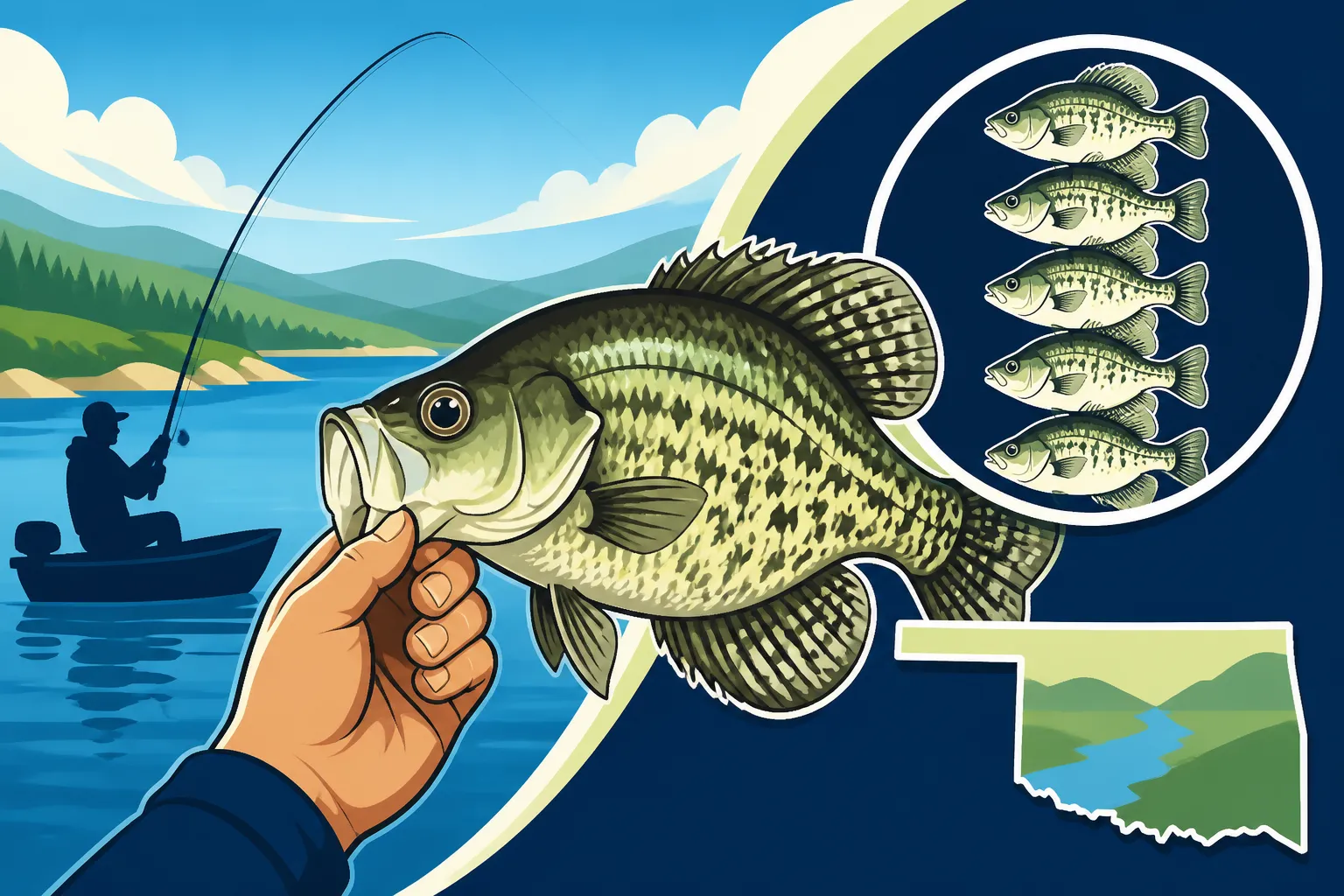
At Tenkiller Ferry Lake, any crappie you catch must be at least ten inches long to be considered a legal keeper. This isn't just a suggestion; it's a mandatory rule. If you reel in a crappie that measures less than ten inches from the tip of its nose to the end of its tail, you absolutely must release it immediately back into the water, unharmed. This rule applies whether you're targeting black crappie or white crappie; both species fall under this minimum length requirement at Tenkiller.
This minimum length limit is designed to protect juvenile crappie, giving them a chance to grow into larger, more desirable sizes. It encourages anglers to practice careful handling and quick release of smaller fish. For an angler, it means bringing a reliable measuring device—a bump board, tape measure, or even a pre-marked spot on your cooler or boat—is absolutely essential. Don't eyeball it! A game warden will measure your fish, and if it's even a fraction short, you could be facing a fine. Many anglers planning a trip to Tenkiller Ferry Lake find local guides helpful, and platforms like FishingBooker can connect you with experienced professionals who are well-versed in these local rules.
Bag Limit at Tenkiller Ferry Lake
While the size limit is often the first thing anglers notice, it's also important to remember that Tenkiller Ferry Lake also has a specific daily bag limit for crappie. You might assume with a stricter size limit, the bag limit would also be lower, but at Tenkiller, the daily bag limit remains 37 crappie per person. This means you can keep up to 37 crappie per day, provided every single one of them measures at least ten inches in length.
This combination of rules can sometimes feel like a double challenge, but it's ultimately for the benefit of the fishery. You have to focus on catching enough fish that meet the minimum size, rather than just filling your cooler with whatever bites. This often means adjusting your techniques to target larger fish, or simply accepting that you'll be releasing a lot of healthy, undersized crappie throughout your fishing day. It’s a testament to the lake’s health that such a generous bag limit can coexist with a strict size limit, suggesting a thriving population that produces plenty of fish that reach that ten-inch mark. For comparison, you might find it useful to check the differing regulations, such as the Stricter Crappie Limits at Six Oklahoma Lakes, to understand the variety of rules across the state.
Why Tenkiller Has This Unique Rule
The ten-inch crappie limit at Tenkiller Ferry Lake isn't arbitrary; it's the result of extensive research and monitoring by the Oklahoma Department of Wildlife Conservation. Biologists have determined that this specific size restriction is crucial for maintaining a healthy and robust crappie population in Tenkiller's unique environment. The clear water, rocky structure, and forage base of Tenkiller create conditions where crappie can grow to impressive sizes, but also where they can be vulnerable to overharvest if too many smaller fish are removed from the system.
By implementing the ten-inch minimum, the ODWC aims to accomplish several key objectives:
- Protecting Spawning Stock: Allowing crappie to reach at least ten inches means they've likely had a chance to spawn at least once, contributing to future generations of fish.
- Promoting Trophy Potential: This rule helps ensure a higher average size of crappie for anglers, offering a more rewarding experience and increasing the chances of catching "slab" crappie. Many anglers specifically visit Tenkiller with hopes of landing larger fish, and this rule supports that goal.
- Balancing Angler Pressure: Tenkiller is a very popular lake. The size limit helps distribute the catch more evenly across different size classes, preventing the rapid depletion of smaller, easier-to-catch fish.
This rule is a prime example of targeted fisheries management working to create and sustain a premium fishing experience. It allows anglers to enjoy the abundant crappie while ensuring the long-term health and quality of the fishery, making Tenkiller one of the Best Crappie Lakes in Oklahoma for those seeking a quality catch.
Practical Tips for Crappie Fishing Under Tenkiller's Rules
Fishing Tenkiller Ferry Lake for crappie with its specific size limit requires a slightly different mindset and approach. It’s not just about catching fish; it’s about catching the right fish and ensuring the health of the ones you release.
Measuring Your Catch Accurately
When that crappie comes over the side of the boat, the excitement can be overwhelming, but don't forget to measure! Having a reliable, easily accessible measuring device is critical. A simple plastic bump board is ideal, or a tape measure securely fastened to your boat deck or a cooler lid works perfectly. The key is consistency and accuracy.
Always measure your crappie from the tip of its snout, with its mouth closed, to the absolute end of the tail fin when it’s compressed. Don't pull or stretch the fish; just lay it flat against the measuring device. If there’s any doubt, err on the side of caution and release the fish. It’s always better to release a legal fish than to keep an illegal one. Getting into the habit of immediately measuring every crappie before it goes into the livewell or cooler will save you a lot of potential headaches. For those who book guides through services like FishingBooker, they will almost always have these tools on hand and demonstrate proper technique.
Best Practices for Releasing Undersized Crappie
Since you'll likely encounter many crappie under the ten-inch limit at Tenkiller, knowing how to release them properly is paramount. A healthy release means that fish lives to fight another day and contribute to the lake's population.
Here’s how to do it right:
- Handle with Care: Minimize handling the fish, especially avoiding contact with its gills and eyes. Hold it horizontally, supporting its belly. If possible, keep the fish in the water while unhooking.
- Quick Unhooking: Use needle-nose pliers or a de-hooker to remove the hook swiftly. If the fish is deeply hooked and removing the hook would cause severe damage, it's often best to cut the line as close to the hook as possible. The hook will usually rust out over time, and the fish has a better chance of survival.
- Revive if Necessary: If the crappie seems lethargic or stressed, gently hold it upright in the water and move it back and forth to force water over its gills until it regains strength and swims away on its own power. This is especially important in warmer water temperatures.
- Consider Barbless Hooks: Some anglers choose to use barbless hooks or crimp down the barbs on their hooks. This makes unhooking much quicker and causes less trauma to the fish, significantly increasing its survival rate.
These practices aren't just good sportsmanship; they're essential for preserving the very fishery you're enjoying.
Adapting Your Fishing Strategy for Size Limits
Knowing there's a ten-inch minimum length at Tenkiller Ferry Lake can influence your fishing approach. While you might still catch plenty of smaller crappie, you can adjust your tactics to potentially target larger fish.
Here are a few ideas:
- Use Larger Baits/Lures: While crappie can hit surprisingly large lures, slightly larger jigs (e.g., 2-inch instead of 1-inch) or bigger minnows can sometimes deter smaller fish while still being appealing to bigger "slabs."
- Fish Deeper Structure: Larger crappie often relate to deeper brush piles, submerged timber, or ledges, especially outside of the shallow spring spawn. Focusing your efforts on these areas can increase your odds of encountering bigger fish. Techniques like deep water jigging or trolling with electronics to find schools can be highly effective. You might want to explore specific Crappie Jigging Techniques or Crappie Tightlining Techniques to refine your approach.
- Target Specific Seasons: While crappie can be caught year-round, certain seasons might yield larger fish. Fall and winter, when crappie often school up on deeper structure, can be excellent times to target bigger fish. Consult resources like Best Time of Year to Catch Crappie in Spring and Fall for seasonal insights.
- Patience and Persistence: Don't get discouraged if you're releasing a lot of fish. The quality fish are there, and a patient angler who understands the nuances of Tenkiller will be rewarded.
Remember, the goal is not just to catch fish, but to catch legal, healthy fish. This mindful approach ensures a sustainable fishery for everyone.
Here's a quick comparison of statewide and Tenkiller crappie limits:
| Regulation Type | Statewide Oklahoma Crappie Limit | Tenkiller Ferry Lake Crappie Limit |
|---|---|---|
| Minimum Length | None | 10 inches |
| Daily Bag Limit | 37 crappie (black/white combined) | 37 crappie (black/white combined) |
| Applies To | Most Oklahoma public waters | Tenkiller Ferry Lake only |
This table highlights the crucial difference you need to be aware of when planning your fishing trip to Tenkiller.
When planning your outing, consulting a Tenkiller Ferry Lake Fishing Guide, Oklahoma can offer invaluable insights into current conditions and successful strategies for adhering to these specific rules. Many anglers also find great success by focusing on how to Catch Crappie from the Bank, especially during the spring spawn, but still remembering that ten-inch rule! Understanding the Best Bait for Crappie in Oklahoma can also give you an edge in targeting those legal-sized fish. It's always a good idea to research how big do crappie get in Oklahoma lakes, to set realistic expectations for your fishing adventures.
Disclaimer
Fishing regulations, including bag limits and size restrictions, are subject to change by the Oklahoma Department of Wildlife Conservation (ODWC). While every effort has been made to provide accurate and up-to-date information in this guide, it is the angler's responsibility to verify current regulations directly with the ODWC before fishing. Always refer to the latest Oklahoma Fishing Guide for the most precise and current rules.