What Is Lake Arbuckle’s Ten-Inch Crappie Rule?
One of the most frustrating things as an angler is heading out to a new lake, having a fantastic day catching fish, only to realize later that you weren't entirely sure about a specific rule. This feeling of uncertainty, or worse, finding out you accidentally broke a regulation, can really put a damper on your passion. That's why understanding the specific rules for each body of water you visit is absolutely crucial, and Lake Arbuckle's unique crappie regulations are a perfect example. This guide is here to walk you through exactly what the ten-inch crappie rule at Lake Arbuckle means, why it’s in place, and how it impacts your fishing.
Unpacking Lake Arbuckle's Ten-Inch Crappie Rule
If you're planning a trip to the beautiful, clear waters of Lake Arbuckle, nestled in the Arbuckle Mountains near Sulphur, Oklahoma, you absolutely need to be aware of a specific crappie regulation: a minimum size limit of ten inches. This isn't just a suggestion; it's a hard and fast rule that directly affects what you can legally keep. For many anglers, accustomed to the statewide limits, this might seem a little different, and it's something that often catches people off guard if they haven't done their homework.
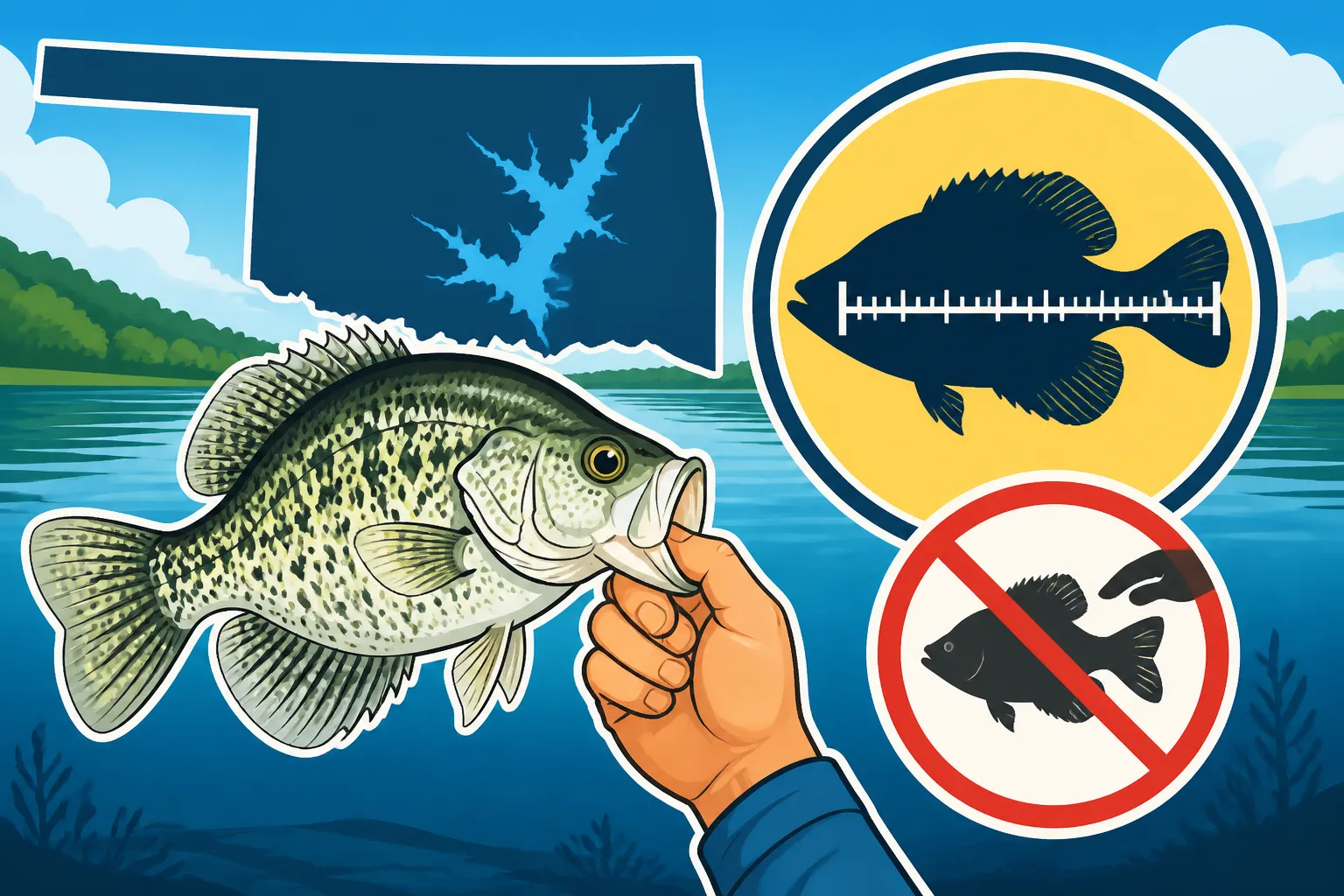
The rule states that any black or white crappie you catch at Lake Arbuckle must be at least ten inches long from the tip of its nose to the end of its tail (with the tail compressed) to be legally retained. This size limit is more stringent than the general statewide rule for crappie, which usually only imposes a daily bag limit without a specific minimum size, except in certain designated lakes. This makes Lake Arbuckle one of Oklahoma's Ten-Inch Crappie Lakes, a special category designed to protect and enhance crappie populations. It's a key piece of information you'll want to remember when you're out there enjoying a day on the water, whether you're using a guide found on FishingBooker or heading out on your own.
The Rationale Behind the Crappie Size Limit
You might wonder why a lake like Arbuckle has such a specific rule when other lakes don't. Well, these regulations aren't arbitrary; they're based on sound fisheries management principles aimed at creating a healthier and more sustainable crappie population. The Oklahoma Department of Wildlife Conservation (ODWC) implements these rules to achieve particular goals, usually related to balancing the number of fish in the lake and ensuring good growth rates for the crappie.
For Lake Arbuckle, the ten-inch minimum size limit is often put in place to manage what's called "recruitment" and "growth." Essentially, by only allowing anglers to keep crappie that are ten inches or larger, smaller fish are protected and given more time to grow. This helps reduce pressure on the younger, smaller crappie, allowing them to reach a more desirable size for anglers and also to mature and reproduce, contributing to the next generation of fish. In lakes where crappie might tend to overpopulate and become "stunted" (meaning there are too many small fish that don't grow large), such regulations can help thin out the population of smaller fish through natural predation, allowing the remaining fish to grow larger due to less competition for food. It's all about finding that sweet spot for a thriving fishery.
How Arbuckle's Rule Differs from Statewide Crappie Limits
It’s easy to get confused when moving between different bodies of water in Oklahoma because the rules aren't always uniform. While the statewide crappie bag limit is 37 fish per day, there isn't a universal minimum length requirement across every lake. However, several specific lakes, including Arbuckle, have stricter rules to meet their unique management needs. For example, some lakes might have a 10-inch minimum, while others might have a lower bag limit or even slot limits, which protect fish within a certain size range.
This variation highlights why it's so important to check the current regulations for each specific lake you plan to fish. You can find detailed information on the Oklahoma Department of Wildlife Conservation's website or in their annual fishing guide. Being familiar with the statewide crappie bag limit is a great start, but it's only half the battle when you're targeting specific lakes. For instance, knowing that Arbuckle requires a 10-inch minimum means you can't just rely on the general "How Many Crappie You Can Keep in Oklahoma" rule; you have to add that size restriction to your mental checklist. Don't forget that these special regulations often exist in some of the state's most popular fishing spots, so a little pre-trip research goes a long way.
What This Crappie Rule Means for Anglers
Understanding the "what" and "why" of the ten-inch crappie rule is one thing, but knowing the "how" it impacts your actual fishing experience is arguably more important. This regulation directly influences everything from how you measure your catch to what happens if you inadvertently keep an undersized fish. It's about being prepared, responsible, and ensuring your day on the lake remains enjoyable and legal.
Accurately Measuring Your Crappie
When you reel in a crappie at Lake Arbuckle, the first thing on your mind, besides the excitement of the catch, should be: "Is it long enough?" To comply with the ten-inch minimum, you need to know how to measure your fish correctly. The standard method for measuring fish in Oklahoma is "total length." This means you measure from the tip of the crappie's jaw (mouth closed) to the very end of its tail, with the tail lobes compressed together.
Imagine you've just brought a beautiful crappie into the boat. You'll need a reliable measuring device—a standard ruler, a specialized fish measuring board, or even a tape measure will do the trick. Lay the fish flat, making sure its mouth is closed against the zero mark of your ruler. Then, gently squeeze its tail lobes together to get the maximum length. If that measurement is less than ten inches, no matter how close it might be (9.75 inches doesn't cut it!), that fish needs to go back into the water as quickly and gently as possible. It's a simple, non-negotiable step that protects the fishery and keeps you on the right side of the law.
The Consequences of Non-Compliance
Nobody wants to get a ticket while enjoying a peaceful day of fishing. However, ignorance of the law is generally not considered a valid excuse, and game wardens in Oklahoma are diligent about enforcing regulations, especially in lakes with specific size limits. Getting caught with undersized crappie at Lake Arbuckle can lead to some unpleasant consequences.
The penalties can vary depending on the severity and frequency of the offense, but generally, fishing violations are considered misdemeanors. This could mean a fine, which can add up quickly if you have multiple undersized fish in your livewell. In some cases, repeated offenses could lead to more serious repercussions, including the suspension of your fishing privileges. It's far better to err on the side of caution, measure every fish, and release anything that doesn't meet the legal requirement. Remember, the game wardens are there to protect the resource for everyone, including future generations of anglers. If you're wondering what happens if you fish without a license in Oklahoma, or break other rules, the consequences can be similarly unwelcome.
Effective Fishing Strategies for Arbuckle's Rule
Adhering to the ten-inch crappie rule doesn't mean your fishing experience has to be any less exciting or productive. In fact, it can encourage you to refine your techniques and become a more strategic angler. Instead of just catching numbers, you'll be focused on quality, which can be a deeply satisfying aspect of fishing.
Targeting Larger Crappie
If you know you can only keep crappie that are ten inches or longer, it naturally shifts your focus from simply catching any crappie to targeting larger crappie. This might involve a few adjustments to your usual approach. For starters, consider using slightly larger baits or lures. While crappie are known for their love of small jigs and minnows, a slightly larger profile bait might deter the smaller, more aggressive crappie, allowing bigger fish to find your offering first. For instance, instead of a tiny 1/32 oz jig, try a 1/16 oz or even 1/8 oz jig, perhaps paired with a larger plastic body. Live minnows are always a classic, and sometimes using a larger minnow can also attract bigger fish.
Another strategy is to focus on deeper water or structure that tends to hold larger fish. While smaller crappie might school up in open water or shallower brush, the bigger "slabs" often prefer deeper brush piles, submerged timber, or ledges where they feel more secure and have access to bigger baitfish. Consult detailed maps or a fish finder to locate these prime spots. The "Best Crappie Fishing Spots on Lake Arbuckle, Oklahoma" are often those with plenty of submerged cover where big fish can ambush prey. When you're actively searching for those larger fish, your success rate with keepers will naturally go up.
Best Practices for Catch and Release
Since you'll likely be catching a good number of crappie under the ten-inch limit, practicing proper catch and release techniques is absolutely vital. The goal is to return these smaller fish to the water unharmed, giving them the best chance to grow and contribute to the fishery. Always handle crappie gently, especially if you plan to release them.
Minimize the time the fish spends out of the water. If you can unhook it while it's still in the net or even in the water, that's ideal. If you must bring it into the boat, use wet hands to hold it, as dry hands can remove the protective slime layer from the fish's skin, making it vulnerable to disease. Use pliers or a dehooking tool to quickly remove the hook, especially if the fish has swallowed it. If the hook is too deep, sometimes it's better to simply cut the line as close to the hook as possible, as the hook will often rust out. Then, gently place the fish back into the water, allowing it to swim away on its own. Avoiding excessive squeezing, particularly around the gills or belly, will greatly improve their survival rate.
Lake Arbuckle Beyond Crappie
While we're talking about crappie, it's worth remembering that Lake Arbuckle is a fantastic fishery for a variety of species, offering different challenges and rewards. Understanding the overall ecosystem of the lake can enhance your entire fishing trip. Many anglers use resources like FishingBooker to find guides who can help them target multiple species.
Bass Fishing Considerations
Lake Arbuckle is renowned for its clear water and excellent bass fishing. Largemouth bass thrive here, often relating to the abundant rock structures, submerged timber, and deep ledges. If you're heading to Arbuckle, you'd be remiss not to bring some gear for bass. The clear water often calls for finesse techniques, lighter lines, and natural-colored baits, but don't shy away from throwing topwaters early and late in the day. Smallmouth bass can also be found, particularly on rocky points and humps.
The tactics for bass fishing in these clear waters can be quite different from crappie fishing. For example, you might be throwing jigs, shaky heads, or drop shots for bass, rather than the small jigs and minnows often used for crappie. The "Best Bass Fishing Lakes Across Oklahoma" often share characteristics with Arbuckle, making it a great place to hone those clear-water bass skills. Just like with crappie, always check the specific bass regulations for Lake Arbuckle, as size and bag limits can also apply to these prized game fish.
Lake Arbuckle's Unique Characteristics
Lake Arbuckle is a gem in Oklahoma, primarily known for its incredibly clear, deep waters. This clarity is a double-edged sword: it makes for beautiful scenery and sometimes sight-fishing opportunities, but it can also make fish more wary of your presentation. The lake is fed by Buckhorn Creek and features a rugged, rocky shoreline with numerous coves and points. It's a relatively smaller lake compared to some of Oklahoma's giants, covering about 2,350 acres, which often means less fishing pressure in certain areas and a more intimate feel.
Because of its clarity and depth, understanding how weather fronts, water temperature, and time of day affect fish behavior is even more critical here. Fish tend to go deeper during bright, sunny days, and can be more active in low light conditions or when a light chop breaks up the surface. When you're "Planning a Crappie Trip Around Oklahoma's Six Stricter Lakes" like Arbuckle, you'll want to factor in these environmental elements to maximize your success, whether you're after crappie or bass.
Here's a quick overview of crappie regulations for comparison:
| Lake/Location | Crappie Minimum Size Limit | Crappie Daily Bag Limit | Notes |
|---|---|---|---|
| Lake Arbuckle | 10 inches | 37 fish | Focus on quality and protecting smaller fish |
| Lake Tenkiller | 10 inches | 37 fish | Another notable 10-inch lake |
| Lake Hudson | 10 inches | 37 fish | Also subject to the 10-inch rule |
| Lake Fort Gibson | 10 inches | 15 fish | Stricter bag limit in addition to size |
| Lake Texoma | None | 37 fish | Border lake, no size minimum |
| Statewide Oklahoma | None (generally) | 37 fish | Check local rules as exceptions apply |
As you can see, Lake Arbuckle stands out with its 10-inch minimum. Always, always verify the most current regulations before you head out, as rules can change. A simple check of the official ODWC fishing guide will ensure you're always up to date. This ensures you're ready for the "Arbuckle Lake Crappie Rules in Oklahoma" before you even cast a line.
Being well-informed about regulations like Lake Arbuckle's ten-inch crappie rule is a mark of a responsible and respectful angler. It ensures you have a legal and enjoyable day on the water, while also contributing to the health and sustainability of Oklahoma's incredible fisheries. So, grab your gear, double-check your measuring tape, and get ready to enjoy some of the best crappie fishing the state has to offer, keeping those ten-inch minimums in mind! Remember to check for your Fishing License Requirements in Oklahoma before you go!
Disclaimer
Please note that fishing regulations are subject to change by the Oklahoma Department of Wildlife Conservation. While this guide aims to provide accurate and up-to-date information, it is the angler's responsibility to review the most current official regulations prior to fishing. Always consult the latest Oklahoma Fishing Guide or the ODWC website for the most current and precise rules.