Missouri Anglers Fishing in Oklahoma
Heading south from Missouri into Oklahoma for a fishing trip might seem like a simple hop across the border, but many anglers get caught off guard by the differences in fishing regulations. It's a common frustration, jumping from one state's rulebook to another, and the truth is, your trusty Missouri fishing license won't cut it once you're casting lines in the Sooner State. This guide is here to untangle that confusion, making sure your cross-border fishing adventure is all about the fish, and not about unexpected fines.
Why Your Missouri Fishing License Doesn't Work in Oklahoma
It's a common misconception, particularly for folks who live near state lines and are used to certain reciprocity agreements. You might think, "I have a valid license; why wouldn't it be good everywhere?" But when it comes to the vast majority of Oklahoma's waters, that simply isn't the case for Missouri anglers. This lack of reciprocity can be a real headache if you're not prepared, turning a peaceful day of fishing into a stressful encounter with a game warden.
The Lack of Reciprocity Across State Lines
Here's the deal: Oklahoma, much like most states, maintains its own independent fishing and hunting regulations. While some states have agreements for shared border waters – a great example is the Red River between Oklahoma and Texas, which has specific agreements – these are the exception, not the rule. For a Missouri angler heading to, say, Grand Lake O' the Cherokees or Lake Eufaula, your Missouri Department of Conservation fishing license holds no weight. It’s a completely different legal entity, with different rules, different conservation goals, and different licensing requirements.
This can be incredibly frustrating, especially for casual anglers who just want to enjoy a weekend getaway. You might have your favorite spot just an hour or two south of the Missouri border, and suddenly, you're faced with an entirely new set of bureaucratic hurdles. It’s not about states being difficult; it's about each state managing its unique ecosystems and funding its conservation efforts through its own licensing system. So, while it feels like a barrier, it's actually essential for maintaining the health of Oklahoma's fisheries. Don't let this deter you, just be aware that a new license is a non-negotiable part of your Oklahoma fishing checklist.
Navigating the Oklahoma Department of Wildlife Conservation Regulations
Once you understand that you need an Oklahoma license, the next step is getting familiar with the specific rules set forth by the Oklahoma Department of Wildlife Conservation (ODWC). This isn't just about buying a piece of paper; it's about understanding a whole new playbook for what you can catch, how many, and even what gear you can use. The ODWC has a comprehensive system designed to protect and enhance the state's diverse aquatic resources.
These regulations cover everything from statewide bag and length limits for popular species like bass, crappie, and catfish, to special restrictions that apply only to certain lakes or rivers. What might be perfectly legal in Missouri could lead to a citation in Oklahoma. For instance, some lakes in Oklahoma have specific slot limits or minimum length requirements that are different from the statewide regulations, or even different from any similar rules you've encountered in Missouri. It's crucial to acknowledge that fishing in a new state means doing your homework, as tempting as it might be to just assume things are similar. Taking the time to read up on these regulations will not only keep you out of trouble but also make you a more informed and successful angler.
Obtaining Your Oklahoma Nonresident Fishing License
Alright, so you know you need an Oklahoma license. That's a huge first step! Now, let's talk about how to get one. The good news is, the process is pretty straightforward, and the ODWC has made it fairly easy for out-of-state anglers to comply. You've got options, whether you're planning a quick day trip or a longer stay.
Types of Nonresident Licenses Available
Oklahoma offers a variety of nonresident fishing licenses, understanding that not everyone needs an annual pass. This flexibility is great for Missouri anglers who might only visit a couple of times a year. Your choices typically include:
- Nonresident Annual Fishing License: This is your best bet if you plan on making multiple trips to Oklahoma within a year. It provides year-round access to fishing in public waters. While it's a higher upfront cost than a day license, it often saves money if you fish more than a few days a year in Oklahoma. You can learn more about the specific price and what it covers in our guide on the Nonresident Annual Fishing License Cost in Oklahoma.
- Nonresident 6-Day Fishing License: This is a fantastic option for a week-long vacation or extended weekend trip. It offers flexibility without committing to a full year.
- Nonresident 1-Day Fishing License: Perfect for those spur-of-the-moment trips or if you're just dipping your toes into Oklahoma fishing for a single day. It's the cheapest way to fish legally for a very short period. For specific details on its cost, check out our article on the Nonresident 1-Day Fishing License Price in Oklahoma.
Choosing the right license depends entirely on your fishing habits and how often you anticipate visiting Oklahoma. If you're unsure, comparing the total cost of multiple 1-day licenses versus an annual license can often highlight the most economical choice.
The Easiest Ways to Purchase a License
The Oklahoma Department of Wildlife Conservation (ODWC) has streamlined the license purchasing process, making it incredibly convenient for both residents and nonresidents. You don't have to jump through hoops to get legal.
The most popular and arguably easiest method is to purchase your license online directly through the ODWC's Go Outdoors Oklahoma portal. This means you can buy your license from the comfort of your home in Missouri before you even pack your bags. Once purchased, you'll receive a digital copy almost instantly, which you can save to your phone or print out. Many anglers find it reassuring to have a physical copy, so having the option to print a license right after buying it online is a huge plus. This way, you're compliant before you ever hit the road.
If you prefer an in-person transaction, you can also purchase licenses at various authorized vendors across Oklahoma. These include many Walmart locations, sporting goods stores like Academy Sports + Outdoors, and independent bait shops. These locations usually have staff who can help you navigate the options and answer quick questions. Another modern convenience is the Go Outdoors Oklahoma mobile app, available for both iOS and Android devices. This app allows you to purchase, store, and display your fishing license right from your smartphone, which is incredibly handy when you're already out on the water. Before your trip, you might even find it useful to browse for any last-minute tackle or comfort items on Amazon, ensuring you have everything you need for a successful outing.
Here's a quick comparison of the most common nonresident fishing licenses:
| License Type | Duration | Best For | Approximate Cost (as of early 2024) |
|---|---|---|---|
| Nonresident Annual Fishing | 1 Year | Frequent visitors, multiple trips | $55.00 |
| Nonresident 6-Day Fishing | 6 Consecutive Days | Week-long vacations, extended trips | $35.00 |
| Nonresident 1-Day Fishing | 1 Day | Quick trips, casual visits | $15.00 |
Note: Prices are subject to change. Always confirm current costs on the official ODWC website before purchasing.
Key Oklahoma Fishing Regulations That Differ from Missouri
Beyond simply having a license, understanding the nuances of Oklahoma's fishing regulations is absolutely critical for Missouri anglers. It's where many well-intentioned out-of-state visitors can unknowingly run afoul of the law. What's permissible in the Ozarks might be restricted in the Ouachitas, and those differences can sometimes be subtle but significant.
Species-Specific Bag and Length Limits
This is often where the biggest differences lie, and it's vital to research the specific body of water you plan to fish. Oklahoma has statewide bag and length limits for popular game fish, but many individual lakes and rivers have special regulations that override the general rules.
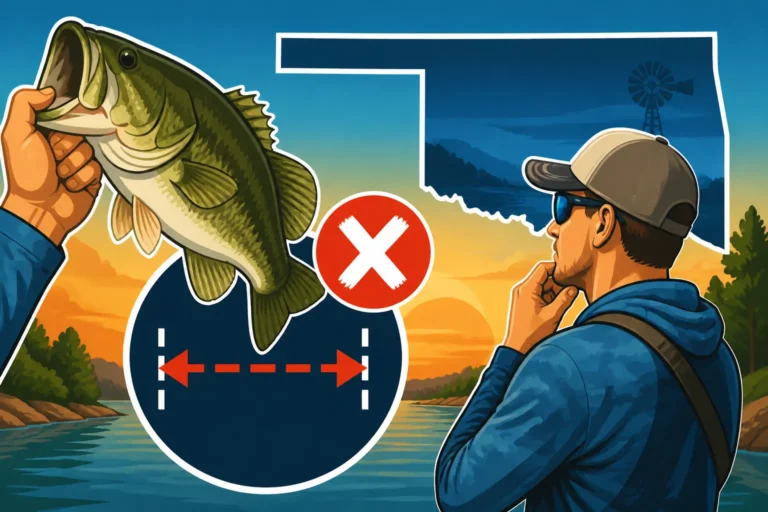
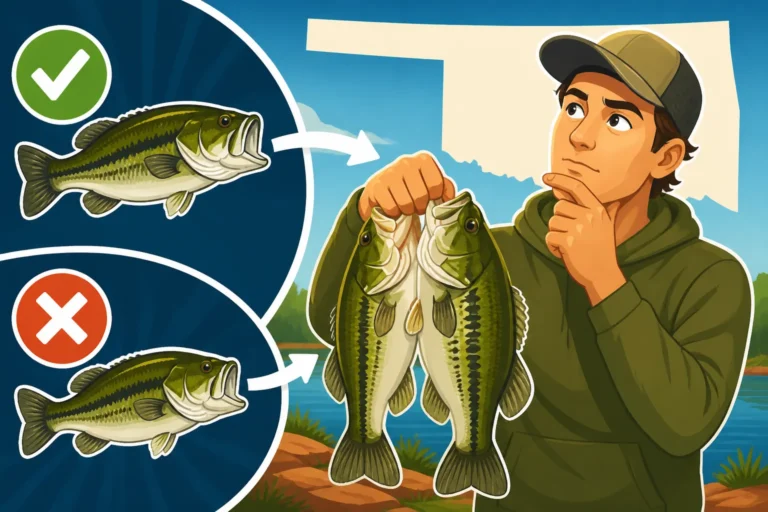
- Bass (Largemouth, Smallmouth, Spotted): Oklahoma's statewide bass limit is six per day, which sounds pretty standard. However, there's a crucial statewide rule that states only one bass over 16 inches can be included in that daily limit. This is a common trap for anglers accustomed to other states' rules. Furthermore, certain lakes, like Lake Arbuckle, have even more stringent length limits. For a deep dive, make sure to read our guide on Oklahoma's Bass Fishing Rules and Limits. Knowing these specific length and slot limits before you cast your first line can save you a lot of grief.
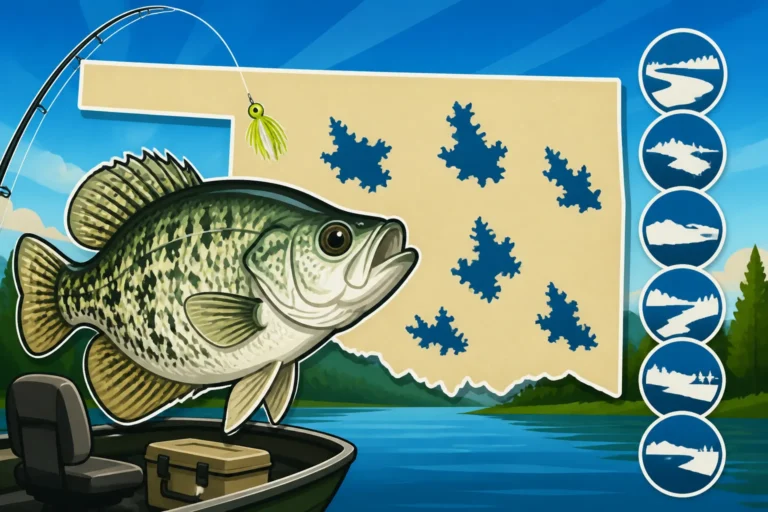
- Crappie (Black and White): Crappie fishing is incredibly popular in Oklahoma, but the rules can vary wildly. The statewide crappie bag limit is 37 per day. Sounds generous, right? Well, that changes drastically at several major reservoirs. Lakes like Grand Lake, Hudson Lake, Fort Gibson, and Tenkiller Ferry Lake, among others, have a much stricter 10-inch minimum length limit and often a reduced daily bag limit, sometimes as low as 15 fish. This is a big one, as many Missouri anglers might be used to keeping smaller crappie. Always check the specific regulations for your chosen destination. Our article on Crappie Fishing Rules and Limits in Oklahoma provides excellent details on these variations.
- Catfish (Channel, Blue, Flathead): The statewide aggregate bag limit for channel and blue catfish is 15 fish per day, but with a critical caveat: only one blue catfish over 30 inches can be kept. Flathead catfish have a separate limit of five per day. These rules are put in place to protect trophy-sized fish and ensure sustainable populations. Missouri anglers used to different catfish management strategies need to pay close attention to these particular regulations. For more detailed information, consult Oklahoma's Catfish Fishing Rules and Limits.
It's not enough to know the statewide rule; you must check the specific guide for the lake you're visiting. These regulations are typically found in the ODWC's annual fishing guide, available online or at license vendors.
Special Area Regulations and Exceptions
As if statewide rules and species-specific variations weren't enough, some bodies of water in Oklahoma operate under entirely unique sets of regulations. These are usually put in place for specific conservation efforts, to enhance trophy fisheries, or due to unique ecological factors.
One prime example is the border water of Lake Texoma, which it shares with Texas. While there are some reciprocal agreements for licenses on Texoma if you hold a Texas license with an Oklahoma endorsement, if you're a Missouri angler, you'll still need an Oklahoma nonresident license to fish the Oklahoma side of the lake. However, Texoma also has unique fish limits and length restrictions that apply across the entire lake, regardless of which state's license you hold. These special regulations often apply to species like striped bass, which are a huge draw to Texoma.
Beyond Texoma, certain smaller lakes, community ponds, or designated trout streams might have their own special rules. For instance, some smaller impoundments may have youth-only fishing areas, or specific tackle restrictions. Scenic Rivers, like the Illinois River, might have specific restrictions on bait or methods. The key takeaway here is: never assume. Always look up the specific rules for the exact lake or river you intend to fish. These local rules are paramount and supersede any general statewide guidance. A quick online search for "[Lake Name] fishing regulations Oklahoma" before you leave home will save you a lot of potential headaches.
Tackle and Method Restrictions
While Oklahoma's general tackle regulations are fairly broad, there are some specific methods and gear restrictions that might differ from what you're accustomed to in Missouri. It's always a good idea to review these, especially if you plan to employ methods beyond standard rod and reel fishing.
For instance, certain types of commercial fishing gear, such as gill nets or seines, are highly regulated or outright prohibited for recreational anglers. Trotlines and jug lines, popular for catfish, generally have specific tagging and deployment rules, including limits on the number of hooks and the intervals at which they must be checked. If you're planning on using these methods, ensure you understand Oklahoma's specific requirements.
Paddlefish snagging is a very popular and unique fishing method in Oklahoma, especially at places like Grand Lake. If you're coming from Missouri, where paddlefish seasons and regulations might differ, you'll need to pay close attention. Oklahoma has specific snagging seasons, daily limits, and even gear requirements. For example, specific rod, reel, and treble hook sizes are often recommended or required, and snagging is only permitted in certain areas and times. Our comprehensive guide, What Gear Do You Need for Paddlefish Snagging in Oklahoma, can provide all the details you need if you're planning a snagging trip. These method-specific rules are designed to manage harvest and ensure the sustainability of these unique fisheries.
Avoiding Penalties and Ensuring a Legal Trip
Nobody wants a fishing trip to end with a ticket or, worse, confiscated gear. For Missouri anglers venturing into Oklahoma, understanding and respecting the local regulations isn't just about being a good citizen; it's about protecting your wallet and ensuring your trip remains enjoyable. Oklahoma game wardens are diligent, and "I didn't know" is rarely an acceptable excuse.
The Consequences of Fishing Without a Valid Oklahoma License
This is perhaps the most critical point for out-of-state anglers. Fishing in Oklahoma without a valid Oklahoma fishing license is a violation that carries real consequences. It's not just a minor slap on the wrist; it can result in significant fines, court appearances, and potentially even the forfeiture of your fishing equipment.
When a game warden checks your license, they're looking for proof that you've purchased the appropriate authorization for the state you're fishing in. If you present a Missouri license, it will be deemed invalid for Oklahoma waters. The specific penalties can vary depending on the severity of the offense and the discretion of the enforcing officer and the courts, but they are designed to deter illegal activity and encourage compliance. Our detailed article on Penalties for Fishing Without a License in Oklahoma lays out exactly what you could be facing. Imagine driving all the way from Springfield, Missouri, setting up camp, getting on the water, only to have your trip cut short by a costly fine because you overlooked this crucial step. It's an easily avoidable mistake that can sour an entire vacation.
Game wardens are out there specifically to enforce these regulations, not just to catch people, but to protect Oklahoma's natural resources for everyone. They patrol lakes, rivers, and even remote ponds. Their presence is a good thing for conservation, but it means you must be prepared. Always have your license readily accessible, whether it's a printed copy, stored on your Go Outdoors Oklahoma app, or a physical card.
Best Practices for Out-of-State Anglers
To ensure your fishing trip from Missouri to Oklahoma is smooth and legal, adopting a few best practices will go a long way. These aren't just suggestions; they're essential steps for any responsible angler exploring new waters.
First and foremost, always purchase your Oklahoma nonresident fishing license before you leave Missouri or immediately upon entering Oklahoma. Don't wait until you're at the boat ramp or on the water. The easiest way is often through the ODWC website, which lets you buy and print your license instantly. Our guide on How to Buy an Oklahoma Fishing License Online can walk you through the process. Having that proof of purchase in hand, either digitally on your phone or as a physical printout, is non-negotiable.
Secondly, meticulously research the specific regulations for the body of water you plan to fish. As discussed, statewide rules are a good starting point, but many popular lakes and rivers have specific length and bag limits that supersede general guidelines. The ODWC website is your best friend here, offering detailed maps and specific rules for individual reservoirs and streams. Don't rely on word-of-mouth or outdated information. Regulations can change annually, so check for the current year's guide.
Finally, be prepared and organized. Have all your gear in order, and consider bringing a copy of the ODWC fishing regulations guide (digital or physical) with you. This can be invaluable if you have a question on the water. Before you head out, double-check your tackle box. If you need any new gear, whether it's a specific lure for Oklahoma's bass or a sturdier fishing line, ordering from Amazon a few days beforehand can save you time and ensure you have exactly what you need. Being prepared reduces stress and allows you to focus on enjoying the incredible fishing opportunities Oklahoma has to offer.
Planning Your Oklahoma Fishing Adventure
Now that you're well-versed in the licensing and regulatory requirements, let's shift gears to the exciting part: planning your actual fishing trip! Oklahoma offers an incredibly diverse range of fishing experiences, from trophy bass lakes to world-class crappie and catfish spots. Knowing where to go and what resources are available will make your journey from Missouri truly memorable.
Top Fishing Destinations for Missouri Anglers
For Missouri anglers, some Oklahoma lakes are natural draws due to their proximity, reputation, and excellent fishing. Here are a few top picks:
- Grand Lake O' the Cherokees: Located in northeastern Oklahoma, Grand Lake is practically in Missouri's backyard. It's a massive reservoir famous for its largemouth bass, crappie, and monster catfish. For bass anglers, the lake's rocky bluffs, standing timber, and abundant docks offer endless opportunities. Crappie fishing is also exceptional, though remember those stricter length limits often apply here. If you're targeting bass, our Grand Lake O' the Cherokees Bass Fishing Guide can help you pinpoint the best spots.
- Lake Eufaula: A bit further south but well worth the drive, Lake Eufaula is Oklahoma's largest lake by surface area. It's often called the "Gentle Giant" and is a phenomenal fishery for largemouth bass, white bass, crappie, and catfish. Its sprawling coves and varied structure make it a versatile destination.
- Lake Texoma: Down on the Texas border, Lake Texoma is renowned as one of the premier striped bass fisheries in the country. If you're looking for hard-fighting stripers, this is your lake. While it's a longer drive from Missouri, the potential for trophy-sized fish makes it a bucket-list destination. Remember, you'll need an Oklahoma license even if you have a Texas license (unless you specifically have the OK endorsement for Texoma).
- Tenkiller Ferry Lake: Known for its clear waters and picturesque scenery, Tenkiller offers excellent fishing for bass, crappie, and walleye. It's a beautiful lake to explore, with deep water and plenty of structure. Just like Grand Lake, Tenkiller is one of those lakes with a 10-inch minimum length limit for crappie, so always check the specific rules before heading out.
These are just a few of the many fantastic options. Oklahoma boasts an impressive list of fisheries, and you can explore more of them in our article on the Best Bass Fishing Lakes Across Oklahoma. Each lake has its unique character and target species, so choosing one that aligns with your fishing goals is key.
Resources for Staying Up-to-Date
The fishing landscape, and its rules, can evolve. That's why having reliable, current resources is so important for any angler, especially those crossing state lines.
The Oklahoma Department of Wildlife Conservation (ODWC) website is, without a doubt, your primary and most authoritative source for all regulations, license information, and fishing reports. Bookmark it! They publish an annual fishing guide that details all statewide and specific lake regulations. This guide is usually available online as a PDF and at most license vendors. You'll find it incredibly helpful to review this document each year, as rules can sometimes change from one season to the next.
Beyond the official ODWC channels, local bait and tackle shops near your chosen fishing destination are invaluable resources. The folks who run these shops live and breathe local fishing. They can offer up-to-the-minute advice on what's biting, what baits or lures are working best, and any subtle nuances of the local regulations. Don't be shy about stopping in, buying some local bait, and asking questions.
Lastly, consider joining online fishing forums or social media groups dedicated to Oklahoma fishing. These communities are often filled with passionate local anglers who are happy to share tips, tricks, and current conditions. Just remember to always cross-reference any information regarding regulations with the official ODWC sources, as advice from forums, while well-meaning, might not always be perfectly accurate or up-to-date on legal specifics. Staying informed is the best way to ensure your fishing trips from Missouri into Oklahoma are not only fruitful but also fully compliant and stress-free.
Disclaimer
Please note that fishing regulations are subject to change. While we strive to provide the most accurate and up-to-date information, it is always the angler's responsibility to consult the official Oklahoma Department of Wildlife Conservation (ODWC) regulations before fishing. This guide is for informational purposes only and should not be considered legal advice.