Colorado and New Mexico Anglers Fishing in Oklahoma
It's incredibly frustrating when you're planning a fantastic fishing getaway to a new state, only to get bogged down in the confusing maze of license requirements and different regulations. For our fellow anglers coming from Colorado or New Mexico, figuring out what you need to fish legally in Oklahoma can feel like a riddle wrapped in an enigma. This detailed guide is here to clear up all that confusion, walking you through every step to ensure your Oklahoma fishing adventure is smooth, legal, and ultimately, successful.
The Core Question: Do You Need an Oklahoma Fishing License?
Let's cut right to the chase, because this is often the biggest sticking point for out-of-state anglers. If you're coming from Colorado or New Mexico and want to cast a line in Oklahoma waters, the straightforward answer is yes, you absolutely need an Oklahoma fishing license. There's no magical loophole, no unspoken agreement that lets your home state license cover you here. Oklahoma wants to ensure that everyone enjoying its beautiful lakes and rivers contributes to their conservation and management efforts.
Understanding Nonresident Status
When the Oklahoma Department of Wildlife Conservation (ODWC) talks about "nonresident" anglers, they're referring to anyone who doesn't meet the state's specific criteria for residency. This isn't just a casual definition; it's a legal one with clear guidelines. For most folks living in Colorado or New Mexico, you're firmly in that nonresident category for Oklahoma fishing purposes. It means you'll be purchasing a different type of license than an Oklahoma resident would, and typically, it comes with a different price tag. Think of it like a visitor's pass – you're welcome to enjoy the natural resources, but you need the proper authorization, separate from your home state's. This distinction helps the state manage its resources effectively, using the funds from nonresident licenses to support local conservation projects and maintain public access areas that everyone can enjoy.
Why Reciprocity is Rare in Fishing
You might wonder why states don't just have universal reciprocity for fishing licenses, especially between neighboring states. It seems like it would make things so much easier, right? The reality is that fishing regulations and license fees are deeply tied to state-specific wildlife management programs. Each state has its own budget, its own conservation priorities, and its own unique ecosystem it's trying to protect and enhance. Funds generated from license sales, whether for residents or nonresidents, directly support these programs – stocking efforts, habitat restoration, law enforcement, and research. Without each state managing its own licensing, these vital funds would be spread too thin or simply wouldn't exist for local initiatives.
While some border waters might have very specific, limited reciprocal agreements (like parts of Lake Texoma between Oklahoma and Texas for certain license types), these are rare exceptions, and they absolutely do not extend to anglers from states like Colorado or New Mexico. Don't fall into the trap of assuming your Colorado Parks and Wildlife license or your New Mexico Department of Game and Fish license will be valid here. Always verify the specific rules for any body of water you plan to fish, especially if it's near a state line, but for the vast majority of Oklahoma's fishing opportunities, a separate Oklahoma license is non-negotiable for out-of-state visitors. It’s always better to be safe than sorry, as the penalties for fishing without a valid license can really put a damper on your trip, turning a relaxing day into a costly headache.
How to Obtain an Oklahoma Nonresident License
So, you've decided to cast your lines in the Sooner State – excellent choice! Now, let's talk about the practicalities of getting your hands on that all-important nonresident fishing license. The process is designed to be pretty straightforward, thankfully, whether you prefer clicking a mouse or talking to a real person.
Online Purchase Process
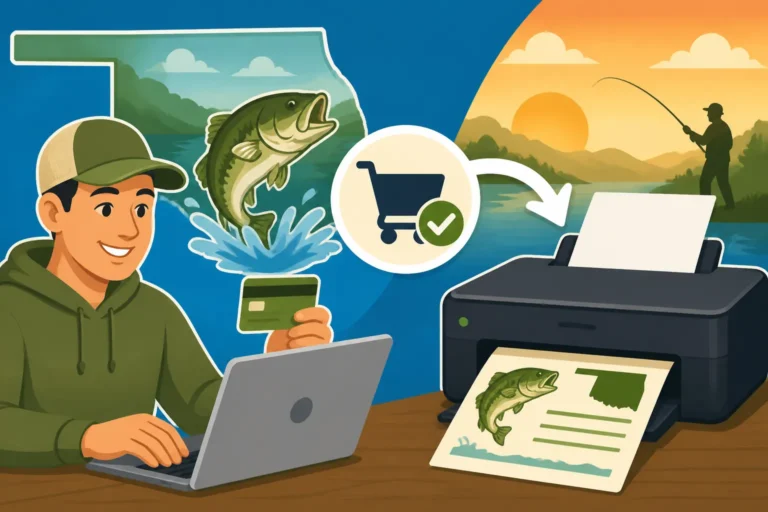
For most modern anglers, the easiest and most convenient way to purchase an Oklahoma nonresident fishing license is online. The Oklahoma Department of Wildlife Conservation (ODWC) has a user-friendly licensing portal that allows you to buy your license from the comfort of your home, even before you hit the road. This means no scrambling around for a vendor when you arrive, potentially cutting into valuable fishing time.
To get started, you'll visit the official ODWC licensing website. You'll need some basic information: your full legal name, date of birth, current address (your Colorado or New Mexico address, in this case), and a valid driver's license or state ID number. The system will guide you through selecting the appropriate nonresident license type – more on those options in the next section. Once you've chosen your license, you'll complete the payment via credit or debit card. After successful purchase, you'll receive a digital copy of your license that you can print out or, even better, display directly on your smartphone. Just make sure your phone is charged and the screen is clear enough to be read by a game warden if requested. Having your license easily accessible is crucial, and carrying a physical backup printout, tucked away in your tackle box or wallet, is always a smart move. For a more detailed walkthrough, you can always refer to our guide on How to Buy an Oklahoma Fishing License Online.
In-Person Options and What to Bring
Perhaps you're old-school, or maybe you just didn't get around to buying your license online before you left home. No worries! You can still purchase an Oklahoma nonresident fishing license in person. There are thousands of authorized license vendors located throughout the state, making it easy to find one no matter where your Oklahoma fishing adventure takes you. These vendors include many sporting goods stores, bait shops, and even some convenience stores. Places like Walmart and Academy Sports + Outdoors are very common spots where you can typically pick up your license.
When you go to purchase your license in person, you'll need to bring a valid government-issued photo ID, such as your Colorado or New Mexico driver's license. This is essential for proving your identity and confirming your nonresident status. The vendor will input your information into the ODWC system and print out your physical license on the spot. It's a quick process, usually taking just a few minutes, allowing you to get back to the exciting part: planning your next cast. Before heading out, it’s always a good idea to check the ODWC website for a list of authorized vendors near your destination. This way, you can plan ahead and avoid any last-minute detours or disappointments.
Types of Nonresident Fishing Licenses Available
Navigating the various license types can sometimes be a little confusing, but Oklahoma offers a few distinct options tailored to different nonresident angler needs. Understanding these will help you choose the most cost-effective and appropriate license for your trip from Colorado or New Mexico.
Annual vs. Short-Term Options
Oklahoma provides flexibility with its nonresident fishing licenses, recognizing that not everyone plans to fish the entire year. You essentially have two main categories: annual licenses and short-term licenses.
-
Nonresident Annual Fishing License: This is the most comprehensive option. As the name suggests, it's valid for a full year from the date of purchase. For many anglers, especially if you plan multiple trips to Oklahoma within a 12-month period, this can be the most economical choice. The cost of an annual nonresident license in Oklahoma is typically higher than a resident annual license, which makes sense given that it supports resources you aren't paying for through state taxes. However, if you plan to visit even a couple of times, or if your single trip is longer than a few days, this license can quickly pay for itself compared to buying multiple short-term licenses. You can find detailed information on the Nonresident Annual Fishing License Cost in Oklahoma.
-
Nonresident 1-Day Fishing License: If your trip is a quick dash to the lake, maybe just for a single day of fishing, then the 1-day license is your best friend. It’s perfect for a spontaneous stop or a short family outing. This license is valid for 24 hours from the time of purchase, giving you maximum flexibility for that one specific day you want to fish. Many anglers from nearby states choose this option for quick weekend trips. While it might seem like a small amount for one day, consider if multiple single days would add up to more than an annual license. We have a specific article detailing the Nonresident 1-Day Fishing License Price in Oklahoma, so you can compare.
-
Nonresident 6-Day Fishing License: This option offers a great middle ground between the 1-day and annual licenses. If you're planning a longer fishing vacation, say a week-long stay at Lake Eufaula or Grand Lake O' the Cherokees, the 6-day license is often the sweet spot. It provides coverage for nearly a full week, making it ideal for a dedicated fishing trip without committing to the full annual cost. This is a very popular choice for those coming from Colorado or New Mexico for an extended visit.
Here's a quick comparison of the current typical costs for nonresident licenses:
| License Type | Validity | Approximate Cost | Best For |
|---|---|---|---|
| Nonresident Annual Fishing | 1 year | $81 | Multiple trips or extended single trips |
| Nonresident 6-Day Fishing | 6 consecutive days | $38 | Week-long fishing vacations |
| Nonresident 1-Day Fishing | 1 day (24 hours) | $11 | Short, single-day fishing excursions |
Note: Prices are subject to change, so always check the official ODWC website for the most current fees before purchasing. You can also explore our broader article on Oklahoma Fishing License Costs and Types.
Special Endorsements and Permits
For general freshwater fishing in Oklahoma's lakes and rivers, the basic nonresident fishing license (annual, 6-day, or 1-day) is usually all you need. However, there are a few niche situations or specific species that might require an additional endorsement or permit.
- Paddlefish Permit: If you're interested in snagging for paddlefish, particularly on waters like Grand Lake O' the Cherokees, you will need a separate Paddlefish Permit in addition to your fishing license. This permit helps the ODWC track and manage this unique and ancient species. It’s crucial to understand the rules around this, including specific seasons and methods.
- Trout License: Oklahoma has several designated trout streams and ponds that are stocked with rainbow and sometimes brown trout. If you plan to fish in these specific "trout areas" or during "trout seasons," you'll need an additional Oklahoma Department of Wildlife Conservation Trout License, regardless of whether you're a resident or nonresident. This ensures that the dedicated funding for trout stocking and management comes from those who directly participate in trout fishing.
- Federal Waters/Refuges: While rare, some federal lands or wildlife refuges within Oklahoma might have their own specific permit requirements on top of state licenses. This is not common for general fishing, but if you're venturing into a highly protected or managed federal area, it's always wise to check their specific regulations beforehand.
For the vast majority of Colorado and New Mexico anglers targeting bass, crappie, catfish, or panfish in Oklahoma's fantastic reservoirs, the standard nonresident fishing license will cover all your bases. Just make sure to read the current year's Oklahoma Fishing Regulations Guide – which can often be found on the ODWC website or even picked up at an Amazon sporting goods store – to confirm if any special permits apply to your specific fishing plans.
Important Regulations Beyond the License
Having your Oklahoma nonresident fishing license in hand is a fantastic first step, but it’s just the beginning. To truly be a responsible and successful angler in Oklahoma, you need to understand and adhere to the state's fishing regulations. These rules are in place to ensure the long-term health of fish populations and the quality of fishing for everyone.
Statewide Bag and Size Limits for Key Species
Oklahoma has specific bag limits (the maximum number of fish you can keep in a day) and size limits (minimum or sometimes maximum lengths for kept fish) for various species. These limits can vary based on the species, and sometimes even by the specific water body. It's critical to know these for your target species.
- Bass (Largemouth, Smallmouth, Spotted): Bass are arguably the most popular game fish in Oklahoma. Generally, the statewide daily aggregate bag limit for black bass (Largemouth, Smallmouth, and Spotted Bass combined) is 6 fish. However, size limits vary. For instance, many lakes have a 14-inch minimum length for Largemouth and Smallmouth bass, with only one fish over 16 inches allowed within that 6-fish limit. Rivers and streams often have different rules, sometimes with a 14-inch minimum and a limit of one Smallmouth Bass per day. It’s vital to check the specifics because these rules can be complex and are actively enforced. You can dive deeper into Oklahoma's Bass Fishing Rules and Limits for a complete overview.
- Crappie (Black and White): Crappie are another beloved panfish target. The statewide daily aggregate bag limit for crappie (Black and White Crappie combined) is generally 37 fish. While there isn't a statewide size limit, many popular lakes impose a 10-inch minimum length. These lake-specific rules are often due to intensive management to grow bigger crappie.
- Catfish (Channel, Blue, Flathead): Catfish are a diverse group with varying regulations. For Channel and Blue Catfish, the statewide daily aggregate bag limit is 15 fish. However, there's a special rule for Blue Catfish: only one fish can be over 30 inches in length within that 15-fish limit. Flathead Catfish often have a separate, more restrictive limit, typically 5 fish per day, and sometimes a minimum size. It's crucial to correctly identify your catfish species to follow these rules accurately. Get the full scoop on Oklahoma's Catfish Fishing Rules and Limits.
It's not just about knowing the numbers; it's about understanding why these rules exist. Size limits ensure that fish have a chance to reproduce at least once before being harvested, contributing to future generations. Bag limits prevent overfishing and depletion of local populations.
Lake-Specific Rules and Exceptions
While statewide regulations provide a baseline, many of Oklahoma's major fishing destinations have special, more restrictive rules designed to enhance fishing opportunities or protect unique fisheries. This is where many out-of-state anglers can inadvertently make a mistake, assuming statewide rules apply everywhere.
For example:
- Lake Texoma: Known for its incredible Striped Bass fishing, Lake Texoma, which borders Texas, has very specific rules that can differ from other Oklahoma lakes, especially regarding striped bass and even crappie. Always check the current regulations specifically for Lake Texoma, as there are often unique agreements or exceptions due to its shared state status.
- Grand Lake O' the Cherokees: A premier destination for bass and crappie, Grand Lake also has special rules, particularly for paddlefish snagging.
- Other Lakes with Specific Crappie Limits: Lakes like Arbuckle, Fort Gibson, Hudson, Tenkiller, and Waurika often have a 10-inch minimum length limit for crappie, stricter than the statewide no-minimum. Ignoring this could lead to a citation, even if you're under the bag limit.
Before you even launch your boat or set up your bank fishing spot, make it a habit to look up the current regulations for the specific lake or river you plan to fish. The ODWC website is your best friend here, offering detailed PDFs and online guides that you can access easily, often even on your phone while at the ramp. Print them out, save them to your device, or even jot down key points in a fishing journal you might find on Amazon. Being informed is not just about avoiding fines; it's about being a respectful and ethical angler contributing to the sustainability of Oklahoma's cherished fisheries.
Common Pitfalls and How to Avoid Them
Even with the best intentions, anglers from Colorado and New Mexico can sometimes stumble into common misunderstandings about Oklahoma's fishing regulations. Awareness is your best defense against inadvertently breaking the rules and ruining an otherwise perfect fishing trip.
Misconceptions About Border Water Agreements
One of the most frequent sources of confusion for out-of-state anglers revolves around reciprocity agreements on border waters. It's natural to assume that if you're fishing a lake that spans two states, your license from either state might be valid across the entire water body. While this does happen in some places (like parts of Lake Texoma between Oklahoma and Texas for specific license types and species), it is not a universal rule, and it absolutely does not apply to anglers from Colorado or New Mexico fishing in Oklahoma.
Let's be crystal clear: there are no reciprocal fishing license agreements between Oklahoma and Colorado, or between Oklahoma and New Mexico. If you are physically fishing in Oklahoma waters, regardless of how close you are to your home state's border, you must possess a valid Oklahoma fishing license. This means your Colorado fishing license, no matter how comprehensive, will not allow you to legally fish in Oklahoma. The same goes for your New Mexico fishing license. Thinking otherwise is a common, but costly, mistake. Game wardens are well-versed in these distinctions and will enforce Oklahoma's laws within its jurisdictional boundaries. Always err on the side of caution and secure the correct Oklahoma license to avoid any unpleasant surprises.
Penalties for Non-Compliance
Ignoring or simply being unaware of fishing regulations can lead to serious consequences that go far beyond a slap on the wrist. In Oklahoma, fishing without a valid license or violating bag and size limits are not just minor infractions; they are illegal acts that can result in significant penalties.
- Fines: The most common penalty is a monetary fine. Fishing without a license or exceeding bag limits can result in fines ranging from a couple of hundred dollars to much more, depending on the severity of the violation and whether it's a first offense or a repeat. These fines are significantly more expensive than the cost of even an annual nonresident license.
- Court Appearances: Many fishing violations are considered misdemeanors, which means you could be issued a citation that requires a mandatory court appearance. Imagine cutting your fishing trip short to attend court, or having to travel back to Oklahoma from Colorado or New Mexico solely for a court date. It's a massive inconvenience and additional expense.
- Confiscation of Gear: In some cases, game wardens have the authority to confiscate your fishing equipment, including your rods, reels, and even your boat, especially in cases of egregious or repeat violations. Losing expensive gear is another financial blow on top of fines.
- Loss of Fishing Privileges: Depending on the nature of the offense, you could face suspension of your fishing privileges in Oklahoma, and sometimes, this suspension can be recognized by other states through interstate compacts. This means you might lose the right to fish not just in Oklahoma, but potentially in your home state or other states as well.
- Criminal Record: While most fishing violations are misdemeanors, severe cases or repeat offenses could potentially lead to more serious legal implications, including a criminal record.
The bottom line is that the consequences of non-compliance are severe and easily avoidable. Before you even head out, take a few minutes to ensure you have the correct license and have reviewed the current regulations for your specific target species and fishing location. Checking the ODWC website for current rules and a rundown of Penalties for Fishing Without a License in Oklahoma can save you a world of trouble. Remember, ignorance of the law is generally not a valid defense.
Planning Your Cross-State Fishing Trip to Oklahoma
Embarking on a fishing trip from Colorado or New Mexico to Oklahoma can be an incredibly rewarding experience, offering diverse fisheries and new angling challenges. A little preparation goes a long way in ensuring your trip is not only successful but also hassle-free and completely legal.
Best Practices for Pre-Trip Research
Before you even load up your vehicle, dedicated research is your most valuable tool. Think of it as scouting the terrain before the big hunt.
- Official ODWC Website: Start with the definitive source: the Oklahoma Department of Wildlife Conservation website. This is where you'll find the most current and accurate information on licensing, regulations, and fishing reports. Download the latest fishing guide, save specific lake rules to your phone, and familiarize yourself with any seasonal changes. For example, knowing the Oklahoma Fishing Seasons: A Month-by-Month Guide can help you time your trip for optimal success.
- Fishing Reports and Forums: Beyond official sources, tap into the local angling community. Many Oklahoma lakes have active online fishing forums, Facebook groups, or local guides who post regular fishing reports. These resources can provide invaluable insights into current conditions, hot spots, effective baits, and recent catches. Search for groups related to specific lakes you plan to visit, like "Lake Texoma Fishing Reports" or "Grand Lake Bass Fishing."
- Topography Maps and Apps: Invest in good quality fishing maps for your target lakes. Digital apps like Navionics, C-MAP, or even Google Maps with satellite view can help you identify potential fishing spots, boat ramps, and access points before you arrive. Understanding the underwater contours and structure can give you a significant advantage.
- Contact Local Bait Shops: Don't underestimate the wisdom of local bait shop owners. They are often treasure troves of up-to-the-minute information on what's biting, what baits are working, and any local nuances you should be aware of. Give them a call a few days before your trip.
- Internal Link Deep Dives: Make sure to check out related resources for your trip. For example, our comprehensive guide on Best Fishing Spots in Oklahoma can help you narrow down your destination choices, and if you're worried about accidental non-compliance, reading up on What Happens if You Fish Without a License in Oklahoma might just serve as a good reminder to get your ducks in a row.
By putting in the effort beforehand, you'll arrive at your destination confident and prepared, ready to spend your precious time fishing, not scrambling for information or worrying about legalities.
Essential Gear Considerations
While you might have your go-to gear for fishing in Colorado or New Mexico, it’s worth considering if any adjustments are needed for Oklahoma’s waters. The diverse fishing opportunities here might call for a slight modification to your usual setup.
- Rods and Reels: Oklahoma boasts large reservoirs with substantial fish, including trophy bass, hard-fighting striped bass on Lake Texoma, and huge blue catfish. You might find yourself needing slightly heavier gear than you typically use for smaller mountain streams or ponds back home. A good medium-heavy spinning or baitcasting setup is versatile for many Oklahoma species. Ensure your reels are spooled with fresh line appropriate for fighting larger fish – 12-20 lb test monofilament or fluorocarbon, or heavier braided line, are common choices.
- Tackle Selection: Research the primary forage in the lakes you'll be visiting. If you're targeting bass, common lures include crankbaits, spinnerbaits, jigs, and soft plastics. Crappie anglers will lean towards small jigs and minnows. Catfish typically respond well to cut bait, stink baits, or live perch. Bringing a diverse selection of lures and baits, considering different water depths and clarity, will increase your chances of success. Many anglers find great deals and a wide selection of specific Oklahoma-ready tackle on Amazon, from the latest crankbaits to tried-and-true catfish rigs.
- Weather Appropriate Clothing: Oklahoma weather can be notoriously unpredictable, especially during transitional seasons. Pack layers, waterproof outerwear, and appropriate sun protection (hat, sunglasses, long-sleeved shirts). Mornings can be chilly, even in summer, while afternoons can soar.
- Safety Gear: Don't forget essential safety items. Always have plenty of water, a first-aid kit, and a fully charged cell phone. If you're boating, ensure you have all required safety equipment, including properly sized life jackets for everyone on board. It’s always better to be overprepared when it comes to safety on the water.
- Storage and Organization: A well-organized tackle box or backpack can save you precious fishing time. Consider a tackle management system that allows you to quickly access different lures, hooks, and weights without rummaging around. A good quality cooler is also indispensable for keeping your catch fresh or your drinks cold throughout the day.
By carefully considering both the legal requirements and your gear setup, you'll be well-prepared for an incredible fishing adventure in the diverse waters of Oklahoma, whether you're chasing bass on Grand Lake or battling stripers on Lake Texoma.
Disclaimer
Please note that fishing regulations can change periodically. While this guide provides comprehensive and up-to-date information at the time of publication, it is always your responsibility to verify the most current regulations directly with the Oklahoma Department of Wildlife Conservation (ODWC) before you go fishing.