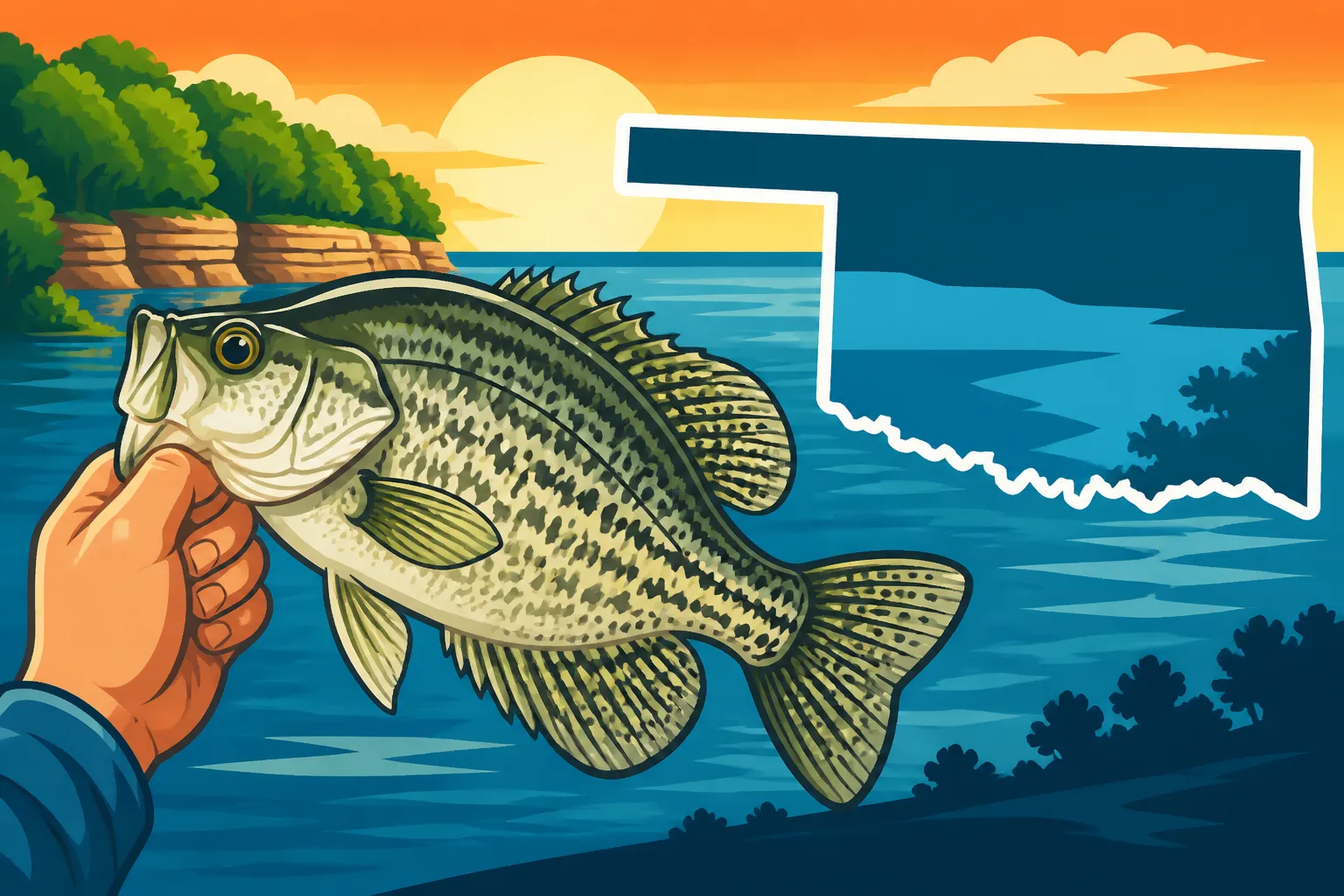
Crappie Fishing at Lake Texoma on the Oklahoma Side
Crappie fishing on Lake Texoma can be an incredibly rewarding experience, but for many anglers, figuring out the specific rules and the best spots on the Oklahoma side can feel like navigating a maze. With its sheer size and unique characteristics, not to mention straddling two states, it’s easy to get confused about licenses, limits, and where to even drop a line. This comprehensive guide will break down everything you need to know to successfully target crappie on the Oklahoma portions of Lake Texoma, ensuring you're legal, prepared, and ready to fill your cooler.
Understanding Lake Texoma's Unique Crappie Landscape
Lake Texoma isn't just another big lake; it's a massive reservoir, one of the largest in the Southwest, covering nearly 90,000 acres at normal pool elevation. Its sheer size and position on the Red River between Oklahoma and Texas give it a distinct personality that affects everything from crappie behavior to fishing regulations. It’s not uncommon for new anglers to feel overwhelmed by the possibilities and challenges this immense body of water presents.
Why Texoma is Different for Crappie Anglers
The sheer scale of Lake Texoma means crappie have an enormous amount of habitat to explore, from vast open water flats to numerous coves, creek channels, and submerged timber. Unlike smaller, more intimate lakes, finding crappie on Texoma often requires covering a lot of water and using modern electronics to locate schools. The lake's water levels can also fluctuate significantly, revealing or submerging structure and changing crappie patterns. The Red River's influence brings a lot of nutrient-rich water, contributing to a robust forage base, which in turn supports a healthy crappie population. This abundance, however, means crappie can be spread out, making them a challenge to consistently locate.
Furthermore, the depth and clarity of Texoma can vary widely depending on the season and location. Some areas might have stained, river-fed water, while others can be surprisingly clear, especially in the deeper main lake body or certain coves. These variations directly impact crappie visibility, their preferred depths, and what lures or baits they might favor. Understanding these nuances is crucial because a technique that works wonders in a muddy creek arm after a rain might be completely ineffective in a clear main lake cove. It forces you to be adaptable and observant.
General Crappie Behavior on Lake Texoma
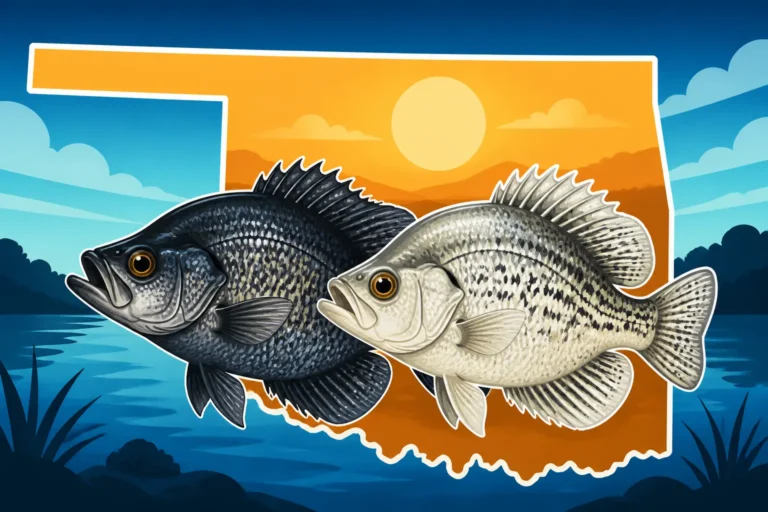
Crappie, both black and white, are notorious for moving throughout the water column and relocating based on factors like water temperature, forage availability, and spawning cycles. On a lake the size of Texoma, these movements can be quite dramatic. In the cooler months, you'll often find them congregating in deeper channels, around submerged brush piles, or near significant underwater structure. As spring approaches, they make their predictable migration to shallower waters for the spawn.
During the summer, crappie tend to seek refuge in deeper, cooler waters during the day, often suspending over brush piles, channel edges, or around standing timber. As evening approaches, or on overcast days, they might push into shallower areas to feed. The vastness of Texoma means there's always a new structure to explore, and crappie can be found anywhere from a few feet deep in a brushy cove to 30 feet down in the main river channel. Keep an eye on your fish finder, because those subtle changes in bottom contour or baitfish presence can be the key.
Navigating Crappie Regulations on the Oklahoma Side of Lake Texoma
Fishing on a border lake like Texoma introduces a layer of complexity to regulations that isn't present on entirely in-state waters. It's not just about understanding Oklahoma's general rules; it's about knowing the specific rules that apply to this unique body of water, and how they interact with the state line. Ignoring these details can lead to fines or confiscated catches, which nobody wants after a great day on the water.
Oklahoma's Statewide Crappie Limits vs. Texoma's Specifics
While Oklahoma has a statewide crappie bag limit of 37 fish per day with no minimum size on most bodies of water, Lake Texoma operates under its own distinct set of regulations. This is a crucial point that many anglers, especially those accustomed to fishing other Oklahoma lakes, often overlook. For crappie (both black and white combined) caught on Lake Texoma, the daily bag limit is 25 fish, and there is no minimum size limit. This means you can keep smaller crappie, but you must adhere to a lower overall count.
It's really important to double-check the latest regulations from the Oklahoma Department of Wildlife Conservation (ODWC) before you head out, as these rules can change. You can usually find the most current information by visiting their website or picking up a printed regulation guide. Familiarizing yourself with these details is part of being a responsible angler and ensures your successful day of fishing doesn't end with a legal headache. For more detailed information, you can always consult Oklahoma's Crappie Fishing Rules and Limits.
The Interstate Challenge: Fishing the Red River Border
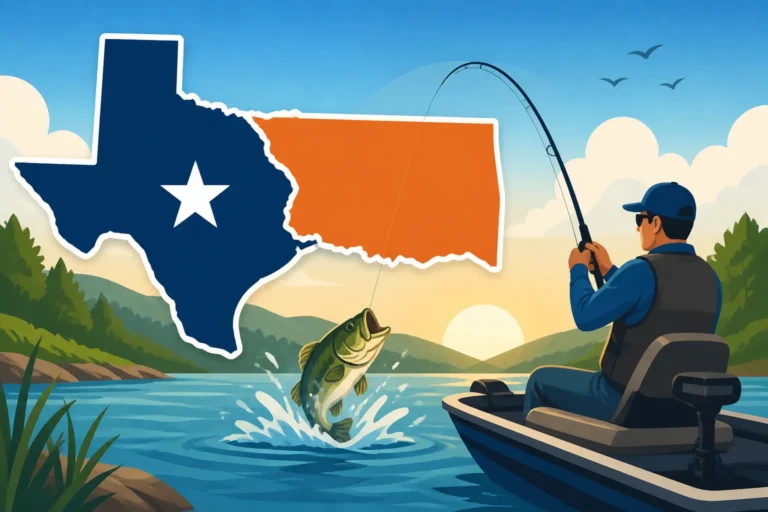
Lake Texoma is bisected by the Oklahoma-Texas state line, which follows the main channel of the Red River. This means that at any given moment, depending on where you are on the lake, you could be fishing in Oklahoma or Texas waters. The biggest implication here is your fishing license. If you possess only an Oklahoma fishing license, you are legally permitted to fish only in the Oklahoma portions of the lake. The same applies if you only have a Texas license.
To fish the entire lake without worrying about crossing an invisible border, you have two main options: purchase a license for both states, or, if you're an Oklahoma resident, you can buy a special Lake Texoma fishing license for a small additional fee (or, conversely, a Texas resident can buy a special Texoma license from Texas). This special license allows you to fish the entire lake, regardless of the state line. If you're a non-resident, your best bet is often to purchase licenses for both states if you plan on exploring widely. Understanding these nuances is critical, especially when you're targeting fish on the move across different parts of the lake. It's definitely worth checking out Texas Anglers Fishing in Oklahoma Waters for more details on cross-state rules.
Effective Techniques and Seasonal Strategies for Texoma Crappie
Crappie fishing on Lake Texoma demands adaptability. What works in one season, or even one part of the lake, might not work in another. Knowing how crappie react to different water temperatures and conditions throughout the year is key to consistent success on this massive lake. It’s all about understanding their annual cycle and being ready to adjust your approach.
Spring Crappie Tactics: Spawning Runs and Shallow Water
Ah, spring! This is arguably the most popular time to fish for crappie on Texoma, as these fish move into shallower waters for their annual spawn. As water temperatures climb into the 55-65°F range, crappie will abandon their deeper winter haunts and start cruising the shallower coves, creek arms, and protected areas. They'll often be found around submerged brush, laydowns, docks, and even shallow rock piles. This is when they become more accessible to bank anglers and those without fancy electronics.
During the pre-spawn and spawn, targeting these shallow areas with small jigs (1/16 to 1/8 ounce) tipped with soft plastics in bright colors like chartreuse, pink, or white, or even live minnows under a bobber, can be incredibly effective. Look for areas with some cover and a slightly darker bottom, as these spots absorb more sunlight and warm up faster. Focus on depths from 2 to 8 feet. The crappie will often be aggressively feeding to build energy for the spawn, making for some exciting action. Remember that the spawn can last several weeks, with different waves of fish moving in and out, so don't give up if the bite slows for a day or two.
Summer and Fall Crappie Fishing: Deeper Water and Structure
As Texoma's waters warm significantly in the summer, crappie generally retreat to deeper, cooler water. This doesn't mean they disappear; it just means you have to change your game plan. They'll often suspend over deep brush piles, along main lake ledges, or in the deeper sections of creek channels. Depths of 15 to 30 feet are common during the heat of summer. Finding these specific structures is where a good fish finder really earns its keep.
Techniques like spider rigging with multiple rods, slow trolling jigs, or using a vertical jigging presentation directly over brush piles become far more effective. Live minnows are often irresistible during the summer, either tight-lined or fished on a drop-shot rig. As fall approaches and water temperatures begin to cool, crappie start to transition. They'll become more active and might move back into shallower areas during the day, especially if there's good baitfish presence. This fall transition can offer some fantastic fishing, often mimicking spring patterns, but with fish that have had all summer to grow. Many anglers find excellent deals on spider rigging setups and various crappie jigs on Amazon.
Winter Crappie Fishing on Texoma: Cold Water Approaches
Don't let the cold weather deter you from crappie fishing on Lake Texoma; winter can be a surprisingly productive time, especially if you know where to look. When water temperatures drop below 50°F, crappie school up tightly and move to their deepest haunts. They'll often be found clustered in the main lake channels, deep creek channels, or around significant underwater structure like standing timber or bridge pilings in depths ranging from 20 to 40 feet, sometimes even deeper.
The key to winter crappie fishing is a slow, methodical approach. Vertical jigging small spoons, blade baits, or tiny jigs tipped with a minnow directly over schools of fish located with your electronics is the go-to method. Sometimes, a slow-trolled minnow rig can also tempt less aggressive fish. Pay close attention to subtle bites, as crappie can be very light biters in cold water. Patience is a virtue, but when you find a school, the action can be fast and furious, and the crappie caught in winter are often some of the biggest and healthiest. Check out Winter Catfishing Techniques in Oklahoma for another cold-weather fishing option!
Essential Gear and Bait for Lake Texoma Crappie
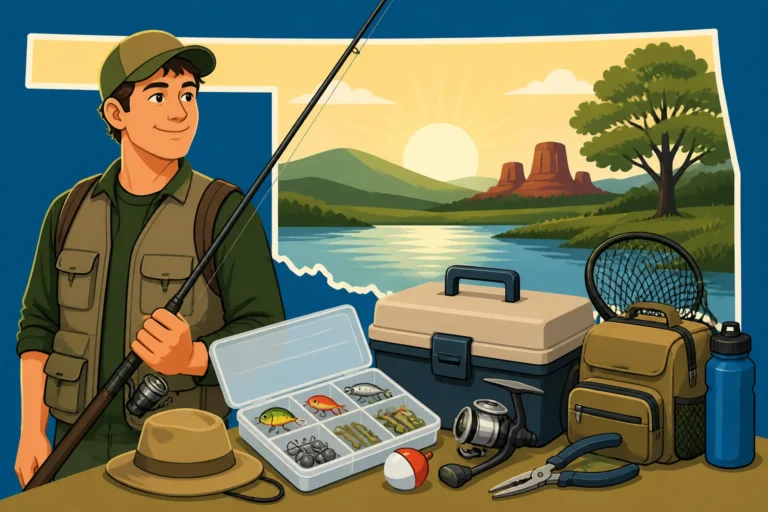
Having the right tools for the job can make a huge difference in your crappie fishing success on a lake as diverse as Texoma. From rods that offer the right sensitivity to baits that mimic the local forage, a thoughtful approach to your gear will pay dividends. Don't just grab any old setup; consider what you're up against and outfit yourself accordingly.
Rods, Reels, and Line Recommendations
For crappie fishing on Lake Texoma, a sensitive yet sturdy rod is paramount. Most anglers opt for light to ultralight spinning rods, typically in the 6-foot to 7-foot range. A fast action tip is highly desirable, as it allows you to feel those subtle crappie bites, which can sometimes feel like nothing more than a slight tap or just added weight. Longer rods (8-12 feet) are popular for spider rigging, allowing you to spread out multiple baits and cover more water.
Pair these rods with small spinning reels (500 to 1000 series) spooled with 4-pound to 6-pound monofilament or fluorocarbon line. Monofilament offers a bit of stretch, which can be forgiving on a crappie's soft mouth, while fluorocarbon provides excellent sensitivity and less stretch, which is great for deeper presentations. Some anglers also use braided line with a fluorocarbon leader for maximum sensitivity and strength, especially when fishing around heavy cover. When looking for a quality fishing line, brands like Berkley Trilene or Seaguar InvizX are popular choices and readily available on Amazon.
Best Baits and Lures for Texoma Crappie
Crappie on Lake Texoma can be enticed by a variety of baits and lures, and having a good selection will prepare you for changing conditions. Live minnows are arguably the most consistent crappie bait, especially when fished under a bobber in shallow water or tight-lined in deeper brush piles. Shiners are another excellent choice for a slightly larger profile.
When it comes to artificial lures, small soft plastic jigs are king. Tubes, grubs, and tiny swimbaits in sizes from 1 inch to 2.5 inches are highly effective. Popular colors include chartreuse, white, pink, black/chartreuse, and various shad imitations. Tipping these jigs with a minnow or a crappie nibbler can often seal the deal. Small spinnerbaits or roadrunners can also be productive, especially when crappie are aggressive. Don't forget small crankbaits that dive to different depths, particularly useful for trolling or covering flats. For a great selection of crappie jigs in various colors and sizes, check online retailers like Amazon. Also, consider the specific nuances of Best Bait for Crappie in Oklahoma, as many principles apply here.
| Season | Primary Crappie Locations | Effective Techniques | Recommended Baits/Lures |
|---|---|---|---|
| Spring | Shallow coves (2-8 ft), brush, laydowns, docks, protected creek arms | Jigging, bobber fishing, slow retrieve | Small jigs (chartreuse, white, pink), live minnows |
| Summer | Deep brush piles (15-30 ft), channel ledges, standing timber | Spider rigging, vertical jigging, slow trolling | Live minnows, jigs (shad patterns), small crankbaits |
| Fall | Transition areas (8-20 ft), creek channels, main lake points, sometimes shallower | Jigging, casting, slow trolling | Jigs, small spinnerbaits, live minnows |
| Winter | Deep channels (20-40+ ft), bridge pilings, significant underwater structure | Vertical jigging, tight-lining | Small spoons, blade baits, jigs tipped with minnows |
It's also worth noting that knowing the lake's topography can significantly improve your odds. Many anglers use maps and even fishing apps to identify submerged structure and contour changes. Places like the Washita River arm, Big Mineral Creek, and the many coves on the Oklahoma side are well-known crappie hotspots, offering a mix of shallow cover and deep-water structure that crappie frequent throughout the year. Understanding Lake Texoma Fishing Guide for Oklahoma Anglers can provide broader insights that benefit your crappie efforts.
One final thought on Texoma crappie: always pay attention to the baitfish. If you see schools of shad on your fish finder, crappie are usually not far behind. Positioning yourself near these bait schools, especially at dawn or dusk when they are most active, can lead to a banner day. Good luck out there, and tight lines!
Disclaimer
Fishing regulations and conditions can change. Always consult the latest official regulations from the Oklahoma Department of Wildlife Conservation before fishing. This guide is for informational purposes only and should not replace official sources. Always prioritize safety on the water and adhere to all boating and fishing laws.