Free Fishing Days: What Rules Still Apply
Free fishing days in Oklahoma sound like a dream come true for many folks, especially those new to angling or families just wanting to spend some quality time outdoors without the added expense of a license. It’s easy to get caught up in the excitement and assume that "free" means all bets are off, but that's a common misconception. While you won't need to purchase a state fishing license on these special days, it's absolutely crucial to understand that many other vital regulations are still firmly in place to protect our precious fisheries and ensure everyone has a safe and enjoyable experience. This guide is here to clear up any confusion and help you navigate what rules still apply during Oklahoma's Free Fishing Days.
Understanding Oklahoma's Free Fishing Days
Those designated Free Fishing Days are truly a gift from the Oklahoma Department of Wildlife Conservation (ODWC), opening up our beautiful lakes and rivers to anyone and everyone, regardless of whether they hold a current fishing license. It's an incredible opportunity, but the key is knowing precisely what that "free" entails.
What "Free Fishing" Really Means
When the ODWC declares Free Fishing Days, it means one thing, and one thing only: the requirement to possess a valid Oklahoma fishing license is waived for all residents and non-residents during that specific timeframe. Imagine it – no need to worry about purchasing an Oklahoma Resident Annual Fishing License Cost or even a Nonresident 1-Day Fishing License Price in Oklahoma. You can simply grab your gear and head to the water! This is particularly appealing for those spontaneous trips, or when you’re visiting from out of state and want to cast a line without committing to a full license.
However, this generosity isn't a free pass to disregard all other laws of the land or the water. It’s important to remember that these days are generally set for a short period, typically a weekend in June, like the upcoming Oklahoma Free Fishing Days in June 2026. The intent is to encourage participation and introduce new people to the joy of fishing, not to create a free-for-all. Think of it as a taste test; a chance to experience fishing before you decide to fully dive in and purchase a license for year-round fun.
Why the ODWC Offers Free Fishing Days
The Oklahoma Department of Wildlife Conservation has a big job: managing and protecting our state’s diverse wildlife and natural resources, all while promoting outdoor recreation. Free Fishing Days play a vital role in this mission. For starters, it breaks down one of the initial barriers for many potential anglers – the cost and perceived hassle of getting a license. For a family on a budget, an extra $30 or $80 for licenses can be a deterrent, even if the long-term value is there.
These designated days are also a fantastic way to introduce new generations to fishing. Many of us grew up with a parent or grandparent teaching us to fish, and these days provide that same opportunity for families who might not otherwise get out on the water. It’s about creating those core memories, fostering an appreciation for nature, and hopefully, hooking a few new anglers for life. The ODWC hopes that after a successful and enjoyable free fishing day, individuals will be more inclined to understand the value of a fishing license and purchase one, helping to fund future conservation efforts.
Core Regulations That Remain in Full Effect
Okay, so the license requirement is temporarily lifted. That's a huge win! But now we need to talk about the backbone of fishing regulation in Oklahoma: bag limits, size limits, and species-specific rules. These are designed to maintain healthy fish populations for everyone, now and in the future, and they absolutely do not go away on Free Fishing Days.
Statewide Bag and Size Limits are Non-Negotiable
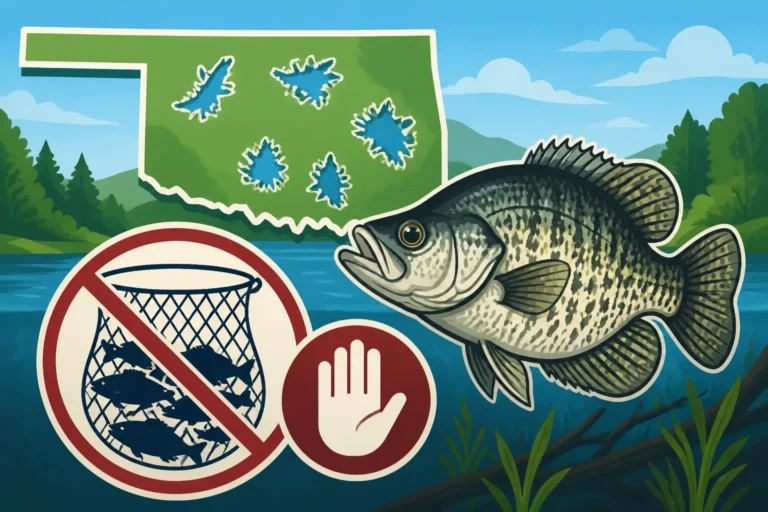
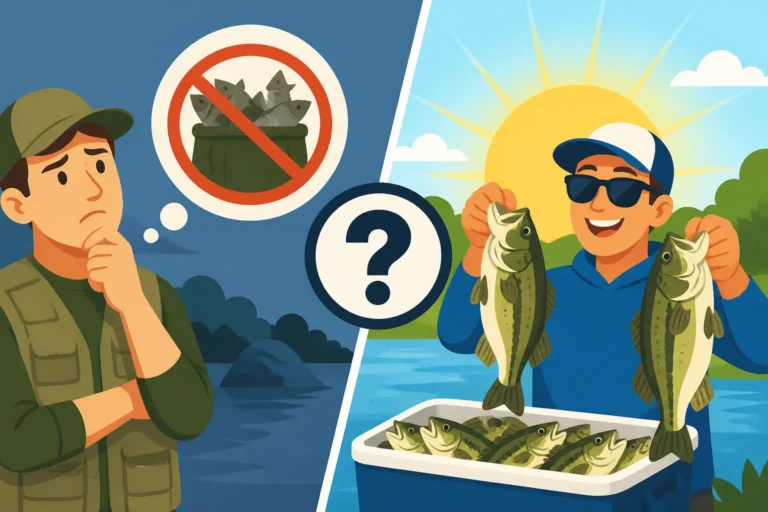
This is perhaps the most critical takeaway. Just because you don't need a license doesn't mean you can keep every fish you catch. Every single species you'll encounter in Oklahoma waters, from the feisty largemouth bass to the tasty crappie and the mighty catfish, has specific bag and size limits. These limits are put in place by biologists to prevent overfishing and ensure that there are plenty of fish left to spawn and grow, sustaining the fishery for years to come.
For example, when it comes to bass, you still need to adhere to the Oklahoma Statewide Bass Bag Limit Explained, which means you can’t just fill a cooler with trophy largemouths. Similarly, for panfish, the Oklahoma Statewide Crappie Bag Limit will apply. Think about it – if everyone could keep an unlimited number of fish on free fishing days, our lakes and rivers would be depleted in no time. Game Wardens are out there specifically to enforce these regulations, even if they aren't checking for a license. The fines for violating these rules can be hefty, far exceeding the cost of a license.
These rules also often include specific size restrictions. For instance, many species have a minimum length you can keep, ensuring that younger fish have a chance to mature. Sometimes there are slot limits, where you can keep fish below and above a certain size, but not within a specific "slot" to protect prime breeding fish. Always, always check the current year's fishing regulations guide, which can be found on the ODWC website or at any license vendor.
Lake-Specific and River Regulations
While there are statewide rules, many of Oklahoma's diverse fishing spots have their own unique regulations. These local rules are tailored to the specific needs of that particular body of water and its fish populations. Ignoring these local nuances, even on a free fishing day, can lead to serious trouble.
Take crappie, for instance. While there's a generous statewide bag limit, certain lakes have much stricter rules. You absolutely must be aware of the Stricter Crappie Limits at Six Oklahoma Lakes, which include popular spots like Lake Arbuckle, Lake Tenkiller, Fort Gibson Lake, and Grand Lake. At Tenkiller Lake, for example, there's a 10-inch minimum size limit for crappie, which is different from the statewide rule. If you're fishing at Lake Texoma, even though it's a border water, the Crappie Fishing at Lake Texoma on the Oklahoma Side follows Oklahoma's specific rules. Just imagine showing up to a lake like Hudson Lake or Fort Gibson Lake, reeling in a bunch of crappie under the size limit, only to find yourself in hot water with a Game Warden.
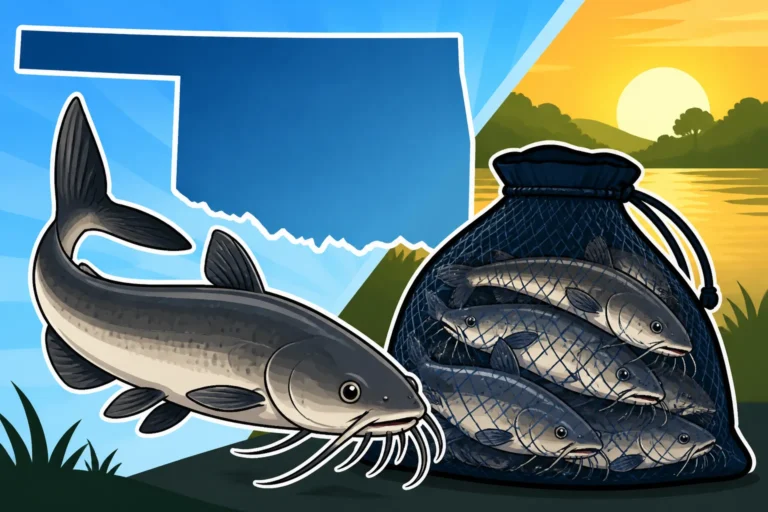
Rivers and streams are another area where rules can differ significantly from lake regulations. There's a reason Why River Bass Limits Differ From Lake Limits in Oklahoma; flowing water environments present different biological challenges and opportunities. For species like catfish, the Oklahoma Forked-Tail Catfish Bag Limit might have specific provisions about blue catfish over 30 inches, which applies no matter the day. It's your responsibility to know the rules for the specific water you're casting your line into, regardless of whether it's a free fishing day or not. This information is readily available in the ODWC's annual fishing guide.
Permitting and Gear Restrictions
While the general fishing license is off the table during Free Fishing Days, certain specialized permits and specific gear restrictions remain firmly in place. These aren't just arbitrary rules; they're in place for very good reasons, often tied to species conservation, safety, or managing unique fishing opportunities.
Special Permits and Endorsements
This is where things can get a little tricky, and it's a detail many new anglers overlook. Free Fishing Days typically waive the general fishing license. However, if you plan on participating in certain niche fishing activities or targeting specific species in designated areas, you might still need additional permits or endorsements. For instance, if you're thinking about trying your hand at paddlefish snagging, even if it's during a free fishing weekend, you'd still need to ensure you're aware of any specific requirements for Paddlefish Snagging Season in Oklahoma. These often include specific tags or permits that are separate from a standard fishing license.
Another common example is trout fishing in designated trout areas, like the Lower Mountain Fork River or the Illinois River below Lake Tenkiller. These areas are often managed as "put-and-take" fisheries or trophy trout areas and can have specific regulations or require a trout stamp/permit. If you plan to fish for trout in these areas, you'll likely still need to purchase the appropriate endorsement, even if the general license requirement is waived. It’s crucial to check the specific regulations for any specialized fishing you plan to do.
Legal Methods and Gear Restrictions
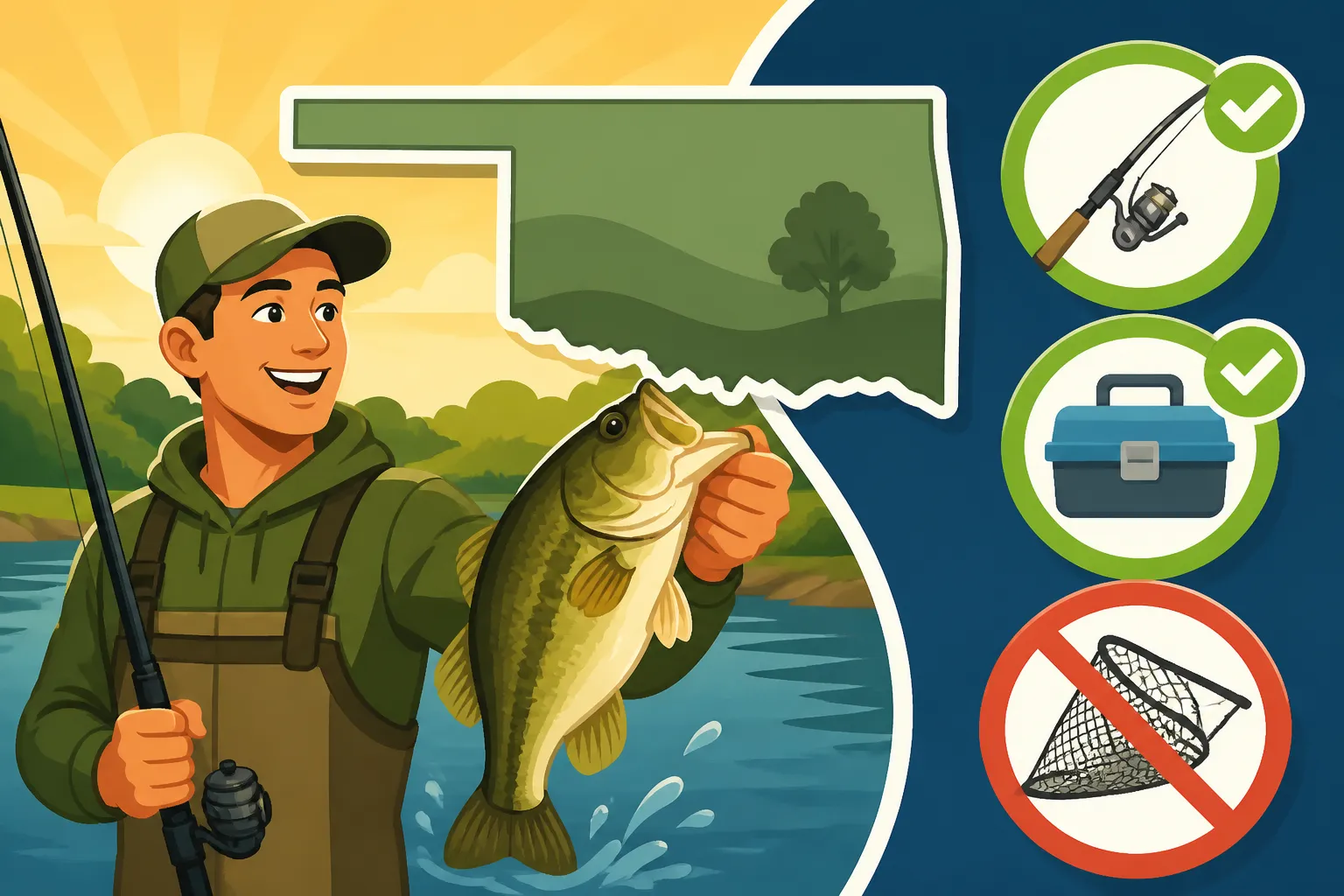
Even on Free Fishing Days, you can't just throw any old thing in the water and call it fishing. There are very clear rules about how you can catch fish and what gear you're allowed to use. These regulations are designed to ensure fair chase, prevent illegal harvesting, and protect fish populations.
For example, methods like noodling (hand fishing for catfish) or using trotlines and jug lines for catfish fishing have very specific rules, including times of year they're allowed, identification requirements for the lines, and limits on the number of hooks. These rules don't disappear just because it's a free fishing day. Similarly, certain areas might have "artificial lures only" restrictions, or limits on the number of rods you can actively fish at one time. You can find a vast array of fishing gear, from rods and reels to lures and tackle boxes, on platforms like Amazon, but always double-check that your chosen equipment and methods comply with Oklahoma's regulations before you head out.
Understanding these gear restrictions is key to staying out of trouble. Imagine showing up to a lake with multiple unattended jug lines on a free fishing day, thinking you're in the clear. A Game Warden would quickly inform you otherwise, and those violations carry fines. Always consult the ODWC regulations guide to ensure your chosen fishing methods and gear are legal for the specific water body you’re visiting.
Boating and Safety Laws
While free fishing days give you a pass on the fishing license, they offer absolutely no waiver for boating laws or safety regulations. If you're planning to fish from a boat, kayak, or even a paddleboard, you are still subject to all Oklahoma boating laws. Think of it this way: the act of fishing is separate from the act of operating a vessel.
Boat Registration and Safety Equipment
This is a big one. If you're taking any motorized vessel, or even a larger non-motorized vessel, out on the water, it needs to be properly registered. Free Fishing Days do not exempt you from this. For instance, you’ll still need to follow all the guidelines for Oklahoma Boat Registration and Titling Rules Explained. This applies whether you're bringing a brand-new bass boat to Lake Texoma or a well-loved jon boat to a smaller pond. Even some larger kayaks and canoes might require registration, so it's always best to check.
Beyond registration, all state and federal boating safety regulations remain in full force. This includes carrying the required safety equipment onboard. We're talking about life jackets (or personal flotation devices, PFDs), a fire extinguisher for most motorized boats, a sound-producing device (like a whistle or horn), and navigation lights if you're out from sunset to sunrise. Crucially, Oklahoma Life Jacket and PFD Rules for Boaters stipulate that all children 12 years of age and younger must wear a U.S. Coast Guard-approved life jacket at all times while underway on any vessel. For adults, while you don't always have to wear it, you must have an accessible, properly fitting life jacket for every person on board, plus a throwable device (like a life cushion or ring) for boats 16 feet and longer. Ignoring these safety rules can result in significant fines and, more importantly, put lives at risk.
Rules of the Waterway and Personal Conduct
Just like on any other day, when you're out on the water, you're expected to abide by the rules of navigation and general conduct. This means respecting other boaters, anglers, and anyone else enjoying the outdoors. Littering is still illegal and harmful to our environment. Trespassing on private property, whether by land or by water, is also strictly prohibited.
Rules for operating your boat, such as obeying "no wake" zones, speed limits, and staying clear of designated swimming areas, are all still in effect. It's about common courtesy and safety for everyone. Game Wardens, local law enforcement, and lake patrols are very much present and active during Free Fishing Days, and they will enforce all applicable laws. Remember the phrase, Why Game Wardens Check Anglers for a License? They're also checking for everything else! Their job is to ensure public safety and protect resources, and they take that very seriously. Being polite and cooperative with any official you encounter is always the best approach.
Planning Your Free Fishing Day Adventure
So, now that you know what rules still apply, how do you make the most of Oklahoma's Free Fishing Days? It’s all about preparation and making sure you have the right information at your fingertips.
Where to Find the Official Rules
Your absolute best friend for understanding fishing regulations is the official Oklahoma Fishing and Hunting Regulations Guide, published annually by the ODWC. This guide is a treasure trove of information, detailing statewide limits, lake-specific rules, legal fishing methods, and much more. You can typically pick up a physical copy wherever licenses are sold, or, even easier, find the most current version on the ODWC's website. They often have digital copies you can download to your phone or tablet.
Before you head out, especially if you're targeting a new body of water, make it a habit to check the "Specific Waterbody Regulations" section of the guide. This is where you'll find those crucial localized rules for lakes like Tenkiller, Eufaula, or Grand Lake. Don't rely on what someone told you last year, or what you think the rules are. Regulations can change, and it's your personal responsibility as an angler to be informed. You might even consider having the ODWC website open on your phone or tablet (perhaps a ruggedized tablet you picked up from Amazon) while you're fishing, just in case a question pops up.
Essential Gear and Preparations
Even without the license fee, you still need to be prepared for a successful and safe day of fishing. Beyond just your rods, reels, and tackle, here’s a quick checklist to consider:
- Tackle and Bait: Make sure you have the right lures or bait for the species you're targeting. For bass, think about a variety of soft plastics, crankbaits, or spinnerbaits. If crappie are your game, small jigs and minnows are usually a good bet. Catfish? Cut bait, stink baits, or live worms. You can easily stock up on these essentials from Amazon before your trip.
- Weather Appropriate Gear: Oklahoma weather can be unpredictable. Check the forecast and dress in layers. Sunscreen, a wide-brimmed hat, and polarized sunglasses (another great find on Amazon for cutting glare) are always a good idea, even on cloudy days.
- Hydration and Snacks: Pack plenty of water, especially during those warm summer Free Fishing Days. Bring snacks to keep your energy up throughout the day.
- First Aid Kit: A basic first-aid kit for minor cuts, scrapes, or hook mishaps is a must-have for any outdoor adventure.
- Tools: Pliers for hook removal, a tape measure to check fish length, and a pair of clippers for line are all invaluable.
- Cooler with Ice: If you plan on keeping fish within the legal limits, you'll need a cooler with plenty of ice to keep your catch fresh.
Remember, the goal is to have fun and make memories. Being prepared ensures that your focus stays on the fishing and enjoying the great outdoors, rather than dealing with unexpected issues or, worse, running afoul of the law.
What Rules Still Apply: A Quick Overview
To help clarify, here's a quick comparison of what changes and what stays the same during Oklahoma's Free Fishing Days:
| Feature | During Free Fishing Days | Regular Fishing Days |
|---|---|---|
| State Fishing License | WAIVED | REQUIRED |
| Statewide Bag Limits | STILL APPLY | STILL APPLY |
| Statewide Size Limits | STILL APPLY | STILL APPLY |
| Lake/River Specific Rules | STILL APPLY | STILL APPLY |
| Special Permits (e.g., Trout) | MAY STILL BE REQUIRED | MAY STILL BE REQUIRED |
| Legal Fishing Methods | STILL APPLY | STILL APPLY |
| Gear Restrictions | STILL APPLY | STILL APPLY |
| Boat Registration | STILL REQUIRED | STILL REQUIRED |
| Boat Safety Equipment | STILL REQUIRED | STILL REQUIRED |
| Navigation Rules | STILL APPLY | STILL APPLY |
| Littering Laws | STILL APPLY | STILL APPLY |
| Trespassing Laws | STILL APPLY | STILL APPLY |
| Game Warden Enforcement | STILL ACTIVE | STILL ACTIVE |
Free Fishing Days in Oklahoma are truly a wonderful opportunity to experience the joy of fishing without the initial hurdle of purchasing a license. It’s an open invitation to explore our beautiful waterways and connect with nature. However, it is paramount that all participants remember that while the license requirement is temporarily lifted, the vast majority of Oklahoma’s fishing and boating regulations remain firmly in effect. These rules—bag limits, size limits, specific lake rules, and all boating safety laws—are designed to protect our natural resources and ensure that everyone enjoys a safe and equitable experience. By understanding and respecting these continuing regulations, you can ensure your Free Fishing Day adventure is not only enjoyable but also responsible and rewarding for years to come.
Disclaimer
Fishing regulations can change frequently. While this guide provides a comprehensive overview, it is essential for all anglers to consult the current Oklahoma Fishing and Hunting Regulations Guide published by the Oklahoma Department of Wildlife Conservation (ODWC) before engaging in any fishing activity. This information can be found on the official ODWC website. The author and publisher are not responsible for any violations or consequences resulting from outdated or misinterpreted information.