Do Bag Limits Still Apply on Free Fishing Days?
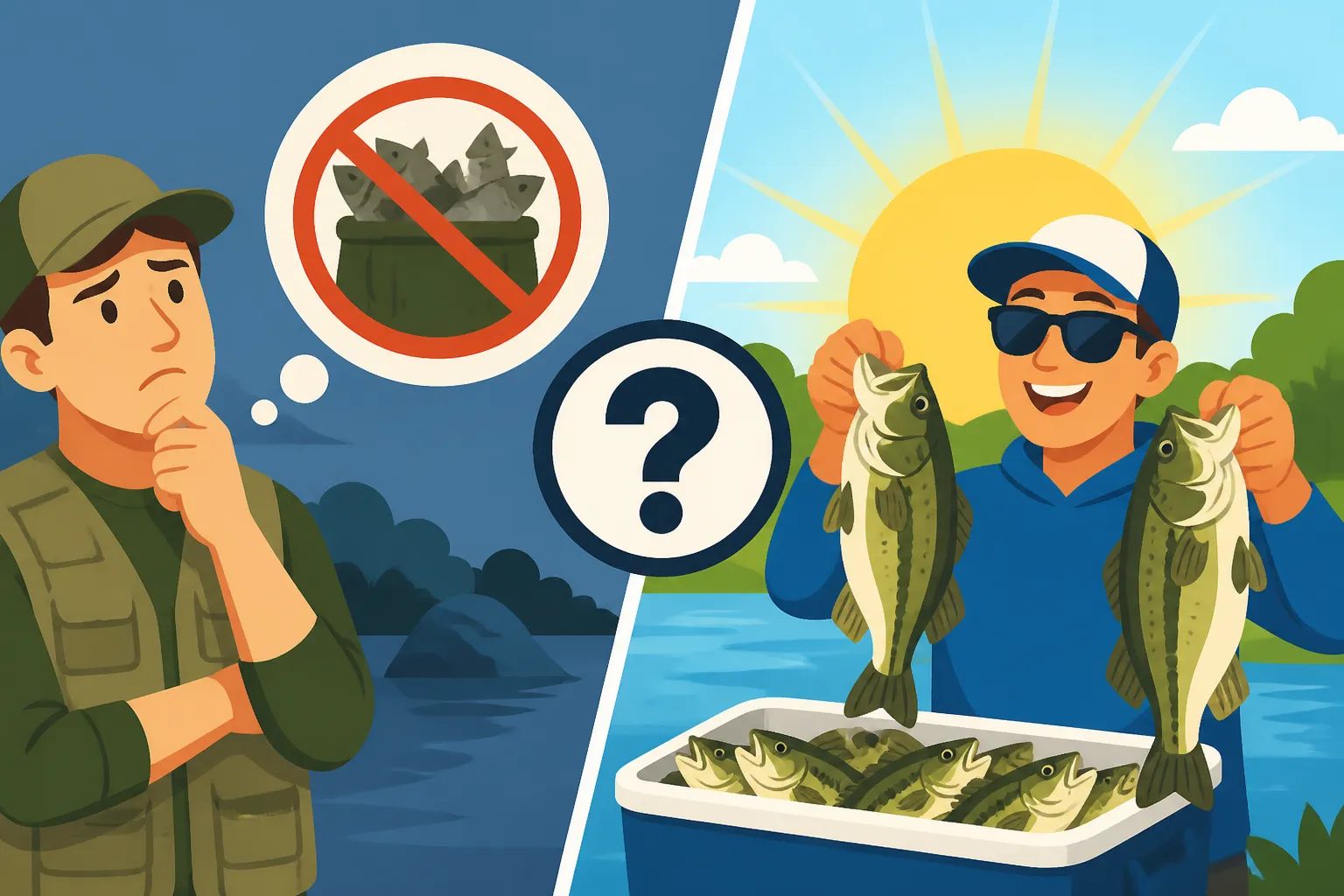
It’s truly a fantastic feeling when those long-awaited Free Fishing Days roll around in Oklahoma. The idea of heading out to your favorite lake or stream without worrying about a fishing license is liberating, a chance for new anglers to try their hand or for seasoned pros to enjoy a stress-free day. However, this wonderful opportunity often leads to a common, yet critical, question: Do bag limits still apply on these "free" days? The short answer, and one we’re going to dive deep into, is an emphatic yes.
Understanding Oklahoma's Free Fishing Days
For many of us, the phrase "Free Fishing Days" conjures up images of absolute freedom on the water, no rules, just pure angling joy. While that spirit of freedom is certainly part of the experience, it's crucial to understand the specifics of what these days actually entail. They are a fantastic initiative by the Oklahoma Department of Wildlife Conservation (ODWC) to encourage participation in fishing, but they are not a complete suspension of all regulations.
What "Free Fishing" Truly Means for Anglers
The core benefit of Oklahoma’s Free Fishing Days is quite simple: you don't need to purchase or possess a state fishing license to legally fish in Oklahoma public waters. This is a huge incentive, especially for families, out-of-state visitors, or anyone who just wants to wet a line without the upfront commitment of a license purchase. It removes that initial barrier, inviting everyone to experience the peace and excitement of fishing. Think of it as a special invitation, but one where you still need to respect the host's house rules. This specific waiver of the license requirement is often the only regulation that is lifted for these special days, and it's important not to confuse it with a free pass on other conservation measures.
When These Special Days Occur
Oklahoma typically designates the first Saturday and Sunday of June as its annual Free Fishing Days. These dates are usually consistent year after year, offering a predictable window for anglers to plan their outings. Knowing when to mark your calendar is half the battle when it comes to planning a successful trip. While the exact dates might shift slightly by a day or two depending on how the calendar falls, June has historically been the month to remember. These days are strategically placed during a time of year when many species are active, and the weather is generally favorable, making for an enjoyable experience for everyone. For more details on these dates, you can check out our guide on how to plan your trip around Oklahoma's two Free Fishing Days.
The Core Question: Do Bag Limits Still Apply?
This is where the rubber meets the road, and it's probably the most misunderstood aspect of Free Fishing Days. The excitement of not needing a license can sometimes overshadow the understanding of other standing rules. Let's clear this up unequivocally.
The Unwavering Rule of Bag Limits
Yes, absolutely, bag limits still apply on Free Fishing Days in Oklahoma. This is not a suggestion; it's a mandatory regulation that remains firmly in place. The Oklahoma Department of Wildlife Conservation is very clear about this: while the license requirement is waived, all other fishing regulations, including daily bag limits, size limits, and method of take restrictions, are still in effect. Ignoring these rules, even on Free Fishing Days, can lead to serious consequences, just as it would on any other day of the year. The "free" aspect pertains solely to the license itself, not a free-for-all on the fish population. It’s about conservation, pure and simple.
How Bag Limits Protect Our Fisheries
Bag limits are not arbitrary rules designed to make your fishing trip less fun. Quite the opposite, they are a critical tool for ensuring the long-term health and sustainability of Oklahoma's diverse fish populations. Imagine if everyone could keep as many fish as they wanted, especially during peak seasons or on popular Free Fishing Days. Our lakes and rivers would be depleted in no time.
For example, without limits, a popular species like crappie could be overfished, leading to a decline in their numbers, smaller average sizes, and eventually, a collapse of the fishery. This wouldn't just affect future generations; it would impact next month's fishing trip. Bag limits are based on scientific research and population assessments, designed to allow enough fish to reproduce and maintain a healthy ecosystem. They ensure that there are plenty of fish for everyone, year after year, safeguarding the sport we all love. For a broader overview, take a look at Oklahoma's Bag Limit Rules by Species.
Navigating Specific Bag Limits on Free Fishing Days
Since bag limits are a constant, it’s essential to know what those limits are for the species you’re most likely to encounter. These rules aren't just about the number of fish; they often include size restrictions too, which are equally important to follow.
Common Species and Their Limits
Oklahoma boasts a fantastic variety of game fish, and each has its own specific limits designed to manage its population effectively. Knowing these limits by heart, or at least having the current regulations guide handy (you can often find it on a trusted site like Amazon for a physical copy, or download it from the ODWC website), is part of being a responsible angler.
Bass Regulations
For Largemouth, Smallmouth, and Spotted Bass, the statewide daily bag limit is generally six fish in combination. This means you can keep a total of six bass of any of these three species. However, there's a crucial size restriction to remember: only one of those six bass can be 16 inches or longer. The rest must be under 16 inches. This regulation is designed to protect the larger, more reproductively active bass, ensuring they stay in the water to spawn and contribute to the population. For a deeper dive into these rules, check out the Oklahoma Statewide Bass Bag Limit Explained. It's a key regulation that protects our trophy potential.
Crappie Regulations
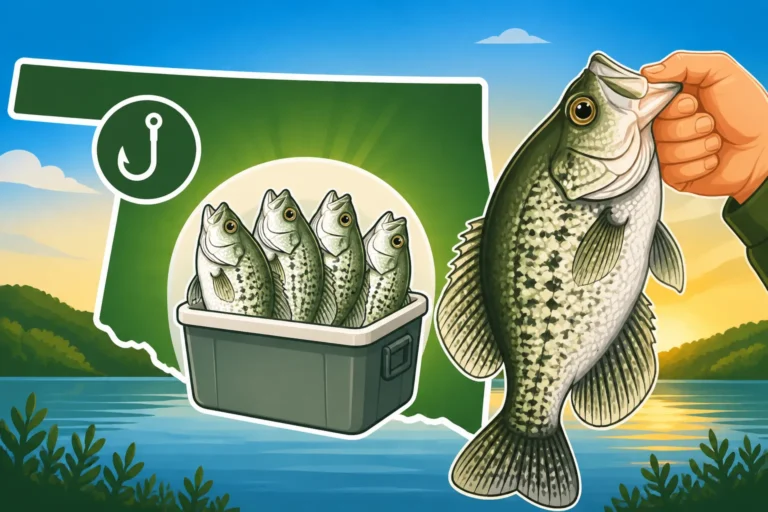
When it comes to Black and White Crappie, Oklahoma has a generous statewide daily bag limit of 37 fish in combination. This allows for a great day of panfishing and plenty of fillets for the dinner table. However, and this is a big "however," many popular lakes in Oklahoma have special regulations that supersede the statewide limit. Several lakes implement a 10-inch minimum length limit and/or reduced daily bag limits. For instance, lakes like Tenkiller Ferry, Fort Gibson, and Hudson often have a 10-inch minimum length and a reduced bag limit of 15 crappie per day. It’s absolutely critical to check the specific regulations for your chosen fishing spot before you cast a line, especially if you're targeting crappie. You can learn more by reading about Oklahoma Statewide Crappie Bag Limit and why six Oklahoma lakes have stricter crappie limits.
Catfish Regulations
Channel Catfish and Blue Catfish are grouped together under what's called the "forked-tail catfish" regulations, with a statewide daily bag limit of 15 fish in combination. This means you can keep a mix of channel and blue catfish, totaling no more than 15. The exception, and it's a significant one for trophy hunters, is that only one of those blue catfish can be 30 inches or longer. This protects the very largest, most mature blue cats, which are vital for maintaining strong genetics in the population. Flathead Catfish, on the other hand, usually have a separate, smaller bag limit, often just five fish, with no size restrictions, recognizing their different growth patterns and ecological role. For comprehensive details on these limits, refer to the Oklahoma Forked-Tail Catfish Bag Limit.
Locality-Specific Regulations
This point cannot be stressed enough: always check the specific regulations for the body of water you intend to fish. While statewide limits provide a baseline, many lakes, rivers, and even specific areas within a lake, have their own unique regulations. These are put in place for very good reasons, often to address specific ecological needs, protect recovering populations, or manage particularly popular fisheries.
For example, a lake might have a slot limit for bass, meaning you can only keep fish below a certain size and above another, protecting the fish within the "slot." Or, a river stretch might have a different crappie limit than the reservoir it feeds into. These localized rules are published in the annual Oklahoma Fishing Regulations Guide, which is available online through the ODWC website and sometimes in print at local sporting goods stores or state park offices. Never assume that the statewide limit applies everywhere; a quick check can save you from a potential citation. This is especially true for popular destinations like Grand Lake O' the Cherokees; always make sure you're checking Crappie Rules Before Fishing Grand Lake if that's your destination.
Size Limits and Other Restrictions
Beyond just the number of fish, size limits play a huge role in conservation. A "minimum length limit" means a fish must be at least that long to be legally kept, protecting juvenile fish. A "maximum length limit" means fish over a certain length cannot be kept, protecting large, breeding adults. "Slot limits," as mentioned earlier, protect fish within a specific size range.
Other restrictions can include:
- Method of Take: Certain methods like trotlines, juglines, or noodling might have specific rules, or even require a separate permit, even on Free Fishing Days.
- Gear Restrictions: Some areas might limit the number of rods you can use or prohibit certain types of bait.
- Closed Seasons/Areas: Rarely, but occasionally, certain areas or species might have a closed season for spawning or other conservation reasons.
All these rules are designed to work together to ensure sustainable angling. It's not just about what you catch, but how you catch it and what size it is.
Enforcement and Consequences (Even on Free Days)
It’s easy to feel a sense of relaxed freedom on Free Fishing Days, but this feeling should never extend to thinking that game wardens are taking the day off. Far from it.
Game Wardens Are Still on Patrol
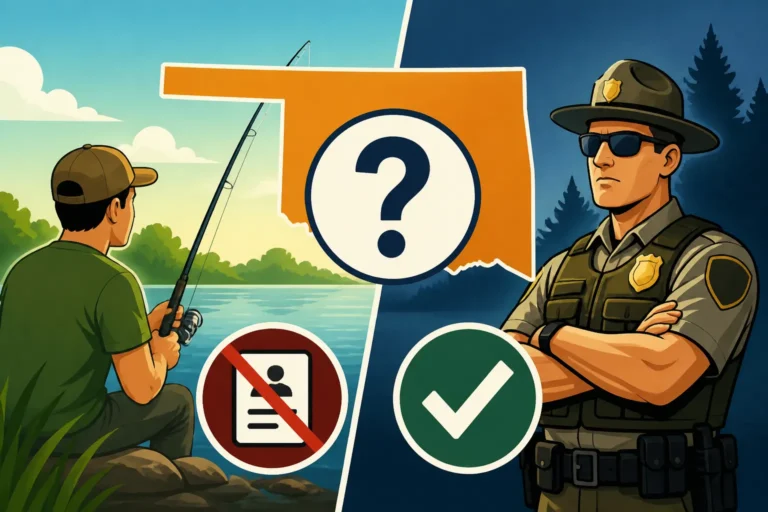
Let’s be realistic: Oklahoma Game Wardens are dedicated professionals, and their job is to protect Oklahoma’s natural resources and ensure that everyone is following the rules. Free Fishing Days are often busier days on the water, meaning there are more people out, and thus, more opportunities for wardens to be present and observe activity. They are out there patrolling lakes, rivers, and ponds, checking for compliance with all regulations, including bag and size limits. Their presence isn't meant to spoil your fun, but to ensure that the resources are there for future enjoyment, and that everyone is playing by the same rules. Don't be surprised if you see them pulling up to your boat or walking the bank; they're just doing their job.
Penalties for Violating Limits
Violating fishing regulations, whether it’s exceeding a bag limit, keeping undersized fish, or using an illegal method of take, carries real consequences. These aren't just minor infractions. Penalties can include:
- Fines: These can range from moderate to substantial, depending on the severity and frequency of the offense.
- Confiscation of Fish and Gear: Wardens have the authority to confiscate illegally taken fish, and in some cases, even your fishing gear.
- Loss of Fishing Privileges: Repeated or severe violations can lead to the suspension or revocation of your fishing privileges, making it illegal for you to obtain a license in Oklahoma (and sometimes other states) for a period of time.
- Court Appearances: In more serious cases, you might be required to appear in court.
These consequences apply equally on Free Fishing Days. The lack of a license requirement does not grant immunity from other regulatory enforcement. Just as you'd face penalties for fishing without a license, you'll face them for exceeding bag limits. For a general idea of how seriously the state takes violations, you can read about what happens if you fish without a license in Oklahoma. The principle of enforcement remains the same across all regulations.
Here's a quick summary of general statewide bag limits for some popular species. Remember, always check current regulations for specific bodies of water, as these can and do change.
| Species (Statewide Limit) | Daily Bag Limit | Size Restrictions | Applies on Free Fishing Days? |
|---|---|---|---|
| Bass (Largemouth, Smallmouth, Spotted) | 6 (in combination) | Only 1 over 16 inches | YES |
| Crappie (Black, White) | 37 (in combination) | None statewide, but many lakes have 10-inch minimum and/or reduced limits | YES |
| Catfish (Channel, Blue) | 15 (in combination) | Only 1 Blue Catfish over 30 inches | YES |
| Flathead Catfish | 5 | None | YES |
| Walleye/Saugeye/Sauger | 5 (in combination) | 18-inch minimum length | YES |
| Striped Bass/Hybrid Striper | 20 | Only 5 over 20 inches | YES |
Essential Preparation for Free Fishing Days
To truly enjoy Oklahoma's Free Fishing Days, a little preparation goes a long way. This isn't just about packing snacks and bug spray; it's about being informed and equipped.
Research Your Destination
Before you even leave the house, take a few minutes to pinpoint where you're going to fish and then research that specific location's rules. The Oklahoma Department of Wildlife Conservation website is your absolute best friend here. They publish a detailed annual fishing regulations guide that lists all statewide limits and, crucially, any exceptions for specific lakes, rivers, or streams. You can download a PDF version to your phone or print out the relevant pages.
Imagine heading to Lake Arbuckle, known for its crappie, only to find out they have a strict 10-inch minimum and a reduced bag limit, vastly different from the statewide rule. A quick five-minute search could prevent disappointment or even a citation. The most up-to-date information is always key, especially since regulations can be updated.
Gear Up Responsibly
Having the right gear makes a difference, whether you're a seasoned angler or a complete beginner. For those just starting out, Free Fishing Days are a perfect opportunity to test the waters, so to speak. You don't need a fancy boat or expensive electronics, but having basic, reliable equipment is important. A decent rod and reel, some hooks, sinkers, bobbers, and a selection of appropriate baits (live bait like worms or minnows, or simple lures) will get you started.
If you're looking to grab some basic tackle or even a simple rod and reel setup before you head out, places like your local Walmart or sporting goods store are great, but don't overlook online retailers. Amazon, for example, offers a vast selection of entry-level fishing gear that can be delivered right to your door, making it convenient to stock up. Just be sure to pick gear appropriate for the fish you plan to target. Consider reading our guide on what a first-time Oklahoma angler needs before casting a line for some essential tips. Don't forget a tape measure or a fish ruler to ensure your catches meet size requirements!
The Spirit of Free Fishing Days
Ultimately, Oklahoma’s Free Fishing Days are a gift to anglers and an invitation to newcomers. They’re a chance to reconnect with nature, spend quality time with loved ones, and experience the thrill of the catch without the barrier of a license fee. However, they are built on a foundation of responsible stewardship.
By understanding that bag limits, size restrictions, and other regulations remain in full effect, you're not just avoiding potential penalties; you're actively participating in the conservation efforts that ensure Oklahoma's waters remain vibrant and full of fish for generations to come. So, go out, enjoy the "free" aspect of the day, but always remember to fish smart, fish legally, and respect the resource that gives us so much joy.
Disclaimer
The information provided in this article is for general guidance and informational purposes only. While we strive to provide accurate and up-to-date content, fishing regulations, laws, and policies in Oklahoma are subject to change at any time. It is the responsibility of every individual angler to consult the official Oklahoma Department of Wildlife Conservation (ODWC) fishing regulations guide or website directly before engaging in any fishing activities. Reliance on any information in this article is solely at your own risk.