Why Six Oklahoma Lakes Have Stricter Crappie Limits
Anglers often hit their favorite Oklahoma crappie spots, only to discover too late that the rules they know by heart don't quite apply. It's incredibly frustrating when you've done your homework on the statewide limits, only to find a specific lake has its own unique regulations that can quickly turn a fun day into a potential violation. This guide will dive deep into why certain Oklahoma lakes have stricter crappie limits, so you can fish confidently and legally every single time you cast a line in the Sooner State.
Understanding Oklahoma's Statewide Crappie Regulations
Before we get into the exceptions, it's really important to understand the baseline – what the statewide crappie limits are for most of Oklahoma's waters. This is the general rule you'll typically follow, and it's the standard against which those stricter limits stand out. For many folks, this is the only set of rules they ever really need to worry about, but being aware of the nuances is what sets a prepared angler apart.
The Standard 37-Fish Daily Limit
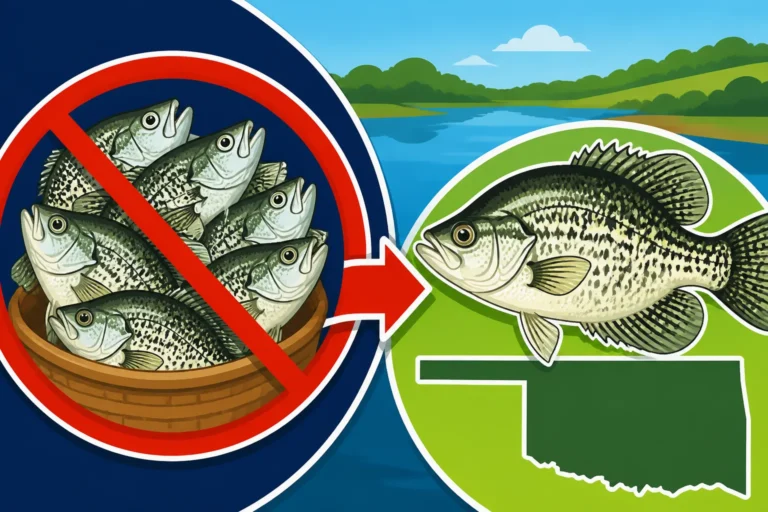
Across the vast majority of Oklahoma's lakes, rivers, and ponds, anglers are allowed a generous daily limit of 37 crappie. This applies to both black crappie and white crappie, which are counted together as a combined bag limit. So, whether you're catching a mix of the two species or just one type, your total haul for the day cannot exceed 37 fish. There's no minimum size limit associated with this statewide rule, which means if a crappie is big enough to hook, it's typically big enough to keep, provided you don't exceed your daily count. This allows for a lot of flexibility and is designed to ensure sustainable populations in most waters.
It's a pretty liberal limit, one that many states don't offer, and it speaks to the robust crappie populations found in Oklahoma. For many anglers, catching 37 crappie in a single outing is a fantastic day on the water, providing plenty for a fish fry or to stock the freezer. This standard rule also simplifies things considerably for those who just want to enjoy a casual fishing trip without getting bogged down in complex regulations for every little body of water they visit. However, it's exactly this simplicity that can sometimes lead to surprises when you encounter one of those special regulation lakes. You can find more detailed information on this topic in our article on the Oklahoma Statewide Crappie Bag Limit.
What Qualifies as a Legal Crappie Catch
When we talk about a "legal crappie catch" under the statewide rules, it's primarily about adhering to that 37-fish daily bag limit. As mentioned, there's generally no size restriction, so any crappie you catch, regardless of how small, contributes to your total count. This means that if you're pulling in a lot of smaller crappie, you'll still need to keep a careful tally to ensure you don't go over. It’s not about minimum length but maximum quantity for most waters.
This lack of a minimum size limit is a double-edged sword. On one hand, it means you don't have to spend time measuring every fish, which can be great for keeping the action going, especially when the crappie are really biting. On the other hand, it means anglers might be keeping smaller fish that haven't had a chance to fully grow or reproduce. The Oklahoma Department of Wildlife Conservation (ODWC) manages crappie populations with these general rules, but they also use the flexibility to implement stricter regulations on specific lakes where circumstances warrant it. Understanding this basic framework is crucial before diving into the exceptions, because these exceptions are designed to achieve very specific conservation and management goals that go beyond the typical How Many Crappie You Can Keep in Oklahoma rule.
Why Certain Lakes Have Special Crappie Management Rules
It can feel a bit unfair or confusing when you're used to one set of rules, and then suddenly a particular lake demands something different. But trust me, these stricter crappie limits aren't arbitrary. They're put in place for very important reasons, usually centered around the long-term health of the fish population, the ecosystem of the lake itself, and ensuring future generations of anglers have a healthy fishery to enjoy. It's all about balancing nature's needs with our desire to catch fish.
Protecting Unique Crappie Populations
One of the primary reasons some lakes have stricter crappie limits is to protect unique or particularly vulnerable crappie populations. Not all lakes are created equal when it comes to habitat, food sources, and spawning success. Some lakes might have conditions that lead to crappie growing slower, or they might be prone to overfishing due to their popularity and easy access. When wildlife biologists notice these trends – perhaps through creel surveys, netting, or angler reports – they step in.
For example, a lake might have a population of crappie that consistently struggles to reach larger sizes, or perhaps recruitment (the number of young fish entering the population) is lower than ideal. In these cases, a size limit, like a 10-inch minimum, means that smaller, younger crappie are released back into the water, giving them a chance to mature, spawn, and contribute to the population before being harvested. This helps ensure that the gene pool remains strong and that there's always a healthy stock of fish for the future. You can find out more about these regulations in our comprehensive guide to Crappie Fishing Rules and Limits in Oklahoma.
Balancing Angler Success with Lake Health
Another critical factor is the delicate balance between allowing anglers to have a successful day on the water and maintaining the overall health and sustainability of the lake's ecosystem. A lake might be experiencing high fishing pressure, meaning a lot of anglers are targeting crappie there, which can quickly deplete the population if left unchecked. The ODWC isn't just trying to save fish; they're trying to save fishing for everyone.
Imagine a scenario where a particular lake is known for producing really large, trophy-sized crappie. If there were no stricter limits, anglers might quickly harvest all the big ones, leaving behind only smaller fish, which can throw off the natural balance. By implementing a reduced bag limit or a minimum size limit, the department ensures that some of those larger, more productive fish remain in the water to continue spawning and contribute to the growth of the population. It's a management tool to prevent boom-and-bust cycles, where a lake is great for a few years and then collapses due to overfishing. This proactive approach ensures consistent opportunities for everyone. Sometimes, this also means considering specific scenarios like the need for a quality tape measure, which you can easily find on sites like Amazon, to ensure you're compliant with those size restrictions.
The Six Oklahoma Lakes with Stricter Crappie Limits
Now, let's get down to the nitty-gritty of it. Knowing which lakes have these special rules is just as important as knowing why. These six lakes are popular destinations, and it's easy to get caught off guard if you're not aware of their specific nuances. Always, always check the current regulations before you head out, because these can change over time based on ongoing biological assessments. The ODWC's current fishing guide is always your best friend, whether it's a physical copy or the digital version you can look up on your phone.
Here's a breakdown of the specific rules for these six key crappie lakes:
Grand Lake O' the Cherokees Crappie Rules
Grand Lake O' the Cherokees, a sprawling jewel in Northeast Oklahoma, is a fantastic crappie fishery, but it comes with specific rules designed to protect its abundant population. For years, anglers have enjoyed the lake's incredible crappie fishing, but its popularity necessitates careful management. Instead of the statewide 37-fish bag limit, Grand Lake has a daily bag limit of 15 crappie per person. What's more, there's a 10-inch minimum size limit in effect. This means any crappie you catch under 10 inches must be immediately released back into the lake.
These rules are critical for Grand Lake because it experiences immense fishing pressure, especially during the spring spawn. The 15-fish limit ensures that while anglers can still take home a respectable number of fish, the overall harvest is reduced, allowing more crappie to remain in the lake. The 10-inch minimum size limit gives younger crappie a chance to grow into sexually mature adults, contributing to future spawns and ensuring the long-term health of the fishery. Imagine the scene: you’re out on Grand Lake, pulling in crappie after crappie. It's easy to lose track, so having a reliable measure (perhaps one you picked up from Amazon) is non-negotiable. You’re excited, but you pause to measure each fish, ensuring it meets that 10-inch mark before it goes into the livewell. This diligence helps sustain the very fishery you're enjoying. Don't forget to review Grand Lake Crappie Size and Bag Limits before your trip.
Lake Texoma's Distinctive Crappie Regulations
Lake Texoma, straddling the Oklahoma-Texas border, is unique not only for its size and diverse fishery but also for its special reciprocal fishing agreements and, consequently, its specific crappie regulations. When fishing the Oklahoma side of Texoma, the crappie limits are set at a daily bag limit of 20 crappie per person, and these fish must be at least 10 inches in length. This rule applies year-round.
The reason for this slightly different approach compared to other Oklahoma lakes lies in its shared management with Texas and the unique dynamics of a border lake. Both states work together to maintain a healthy crappie population that can withstand the significant angling pressure it receives from residents of both states. The 20-fish limit is a bit higher than some other restricted lakes, reflecting the immense size and productivity of Texoma, but the 10-inch minimum size is still there to protect the younger fish. This careful management ensures that Lake Texoma remains a premier destination for crappie anglers, providing ample opportunities for those who respect its specific rules. You can compare these rules to the general statewide regulations in Texoma's Crappie Rules Compared to the Statewide Limit.
Tenkiller Ferry Lake's Size and Bag Limits
Nestled in Eastern Oklahoma, Tenkiller Ferry Lake is another beautiful reservoir with its own specific crappie regulations, and it mirrors the pattern we see in other managed lakes. For Tenkiller, the daily bag limit for crappie is 15 fish per person, and just like Grand Lake and Texoma, there's a 10-inch minimum size limit that must be observed.
Tenkiller is known for its clear waters and excellent fishing, attracting a lot of anglers. The ODWC has determined that a reduced bag limit and a minimum size are necessary here to protect the crappie population from overharvest, especially considering the lake's popularity and the potential for a high catch rate. By allowing crappie to reach at least 10 inches before being kept, the management plan aims to give these fish sufficient time to spawn multiple times and contribute significantly to the future of the fishery. This ensures that Tenkiller continues to provide quality crappie fishing experiences for years to come. Remember, even if you’re fishing with a buddy, each of you needs to adhere to these limits individually. If you're planning a trip, check out Tenkiller Lake's 10-Inch Crappie Minimum for a deeper dive.
Hudson Lake and Its Specific Crappie Catch Rules
Lake Hudson, located in Northeast Oklahoma, is another one of the six lakes where crappie regulations diverge from the statewide standard. Here, anglers are subject to a daily bag limit of 15 crappie per person, and all crappie kept must meet a 10-inch minimum length requirement. These rules are identical to those found at Grand Lake and Tenkiller, reflecting similar management strategies for popular, high-pressure fisheries.
The reasoning behind these specific rules at Hudson is consistent with the goals of protecting fish populations in heavily fished waters. Lake Hudson is a popular spot for crappie, and without these stricter measures, there's a higher risk of depleting the population, particularly the larger, more desirable fish. By requiring anglers to release crappie under 10 inches, the ODWC ensures that a significant portion of the crappie population gets the opportunity to mature and reproduce, bolstering future generations of crappie and sustaining the quality of fishing on the lake. It's a proactive step to keep Hudson Lake's crappie fishery vibrant. For more details, see Hudson Lake Crappie Limit Explained.
Lake Arbuckle's Crappie Size Restriction
Down in Southern Oklahoma, Lake Arbuckle presents another scenario where specific crappie regulations are in force. Similar to the other lakes on this list, Lake Arbuckle has a daily bag limit of 15 crappie per person, and anglers must adhere to a 10-inch minimum size limit. These measures are implemented to ensure the health and longevity of the crappie fishery within its unique ecosystem.
Lake Arbuckle, known for its clear waters and beautiful surroundings near the Chickasaw National Recreation Area, attracts many anglers. The biological conditions and fishing pressure here have led the ODWC to establish these protective measures. The 10-inch minimum size limit is particularly important in ensuring that crappie have ample time to reach spawning age and contribute to the reproductive cycle, leading to more robust fish stocks. The reduced bag limit further conserves the population, making sure there are always plenty of crappie for future angling enjoyment. These are the kinds of specific rules that necessitate checking your fish often, so having a readily accessible fishing ruler—a good waterproof one might be available on Amazon—is a simple way to stay compliant. Check out Arbuckle Lake Crappie Rules in Oklahoma for further insights.
Fort Gibson Lake's Crappie Management Plan
Fort Gibson Lake, another gem in Northeast Oklahoma, rounds out our list of lakes with stricter crappie limits. Here, the crappie regulations are set at a daily bag limit of 15 crappie per person, with a mandatory 10-inch minimum size limit. This consistent application of a 15-fish, 10-inch minimum rule across several key lakes highlights a successful, repeated strategy for managing crappie populations under specific conditions.
Fort Gibson is a large, popular lake, and like Grand Lake and Hudson, it experiences significant angling pressure. The ODWC's management plan for Fort Gibson is specifically designed to prevent overfishing and to promote a healthy crappie population with a good size structure. By ensuring that crappie are at least 10 inches long before they can be kept, a larger proportion of the fish are allowed to reach full maturity and reproduce, which ultimately benefits the overall population dynamics. The reduced bag limit helps to distribute the harvest more evenly among anglers and protects the breeding stock. This ensures that Fort Gibson remains a prime crappie fishing destination for anglers seeking a quality experience. For those planning a trip, be sure to consult Fort Gibson Lake's 15-Fish Crappie Limit.
Here's a quick comparison of the crappie limits in Oklahoma:
| Lake Name | Daily Bag Limit (Crappie) | Minimum Size Limit (Crappie) | Notes |
|---|---|---|---|
| Most Oklahoma Waters | 37 | None | Standard statewide regulation. |
| Grand Lake O' the Cherokees | 15 | 10 inches | Strict limits due to high fishing pressure. |
| Lake Texoma | 20 | 10 inches | Border lake with reciprocal agreements and specific management. |
| Tenkiller Ferry Lake | 15 | 10 inches | Known for clear waters, managed for quality population. |
| Hudson Lake | 15 | 10 inches | Popular fishing spot requiring conservation efforts. |
| Lake Arbuckle | 15 | 10 inches | Clear waters and high pressure necessitate size and bag limits. |
| Fort Gibson Lake | 15 | 10 inches | Large, popular lake with tailored management to prevent overfishing. |
Staying Informed and Prepared for Varied Crappie Limits
It’s completely understandable to feel overwhelmed by all these different rules. You might think, "Do I really need to memorize every single lake's regulations?" The answer is no, not necessarily, but you absolutely need to know how to find them. Being prepared means having the right resources at your fingertips, and being ready to adjust your approach once you hit the water. It’s all part of being a responsible and successful angler in Oklahoma.
Essential Resources for Checking Lake-Specific Rules
The absolute best resource for up-to-date and accurate fishing regulations in Oklahoma is the Oklahoma Department of Wildlife Conservation (ODWC) Fishing Guide. This guide is updated annually and is your bible for all things fishing regulations. You can usually pick up a physical copy at bait shops, sporting goods stores like Academy Sports + Outdoors, or ODWC offices. However, the most convenient way for most of us is to access the digital version through their official website or mobile app. Seriously, bookmark it or download the app – it's a lifesaver.
Before every fishing trip to a new or unfamiliar lake, make it a habit to quickly check the ODWC guide for that specific body of water. Don't rely on old printed guides or hearsay from a buddy (unless they just checked the official source themselves!). Regulations can and do change, sometimes subtly, so always verify. This simple step takes just a few minutes, but it can save you from potential fines or the disappointment of having to release fish you thought were legal. This proactive approach is key to Planning a Crappie Trip Around Oklahoma's Six Stricter Lakes successfully.
Adjusting Your Fishing Strategy for Special Regulations
Once you know the specific crappie limits for the lake you're fishing, you can adjust your strategy to comply and maximize your success. If there’s a minimum size limit, for instance, you might consider using slightly larger baits or lures to target bigger fish, or modify your hook size to reduce the chances of hooking smaller crappie too deeply. For example, if you're using a tiny jig for crappie, you might catch a lot of small ones that don't meet the 10-inch minimum. Switching to a slightly larger jig or a small minnow on a bigger hook might help you selectively target those keepers. You can also find a wide range of crappie jigs and minnow buckets on Amazon that cater to different sizes and techniques.
If the bag limit is significantly reduced (like 15 instead of 37), your focus might shift from simply catching as many as possible to targeting quality fish. You might spend more time exploring different depths or structures, honing in on areas where larger crappie are known to hold, rather than just pulling in numbers. This change in strategy can actually lead to a more rewarding fishing experience, forcing you to become a better, more observant angler. And remember, handling those smaller fish gently and releasing them quickly is crucial to their survival, helping to keep those populations thriving for everyone. Even if you're just getting started, don't worry, there are plenty of resources on The 37-Fish Crappie Limit Explained to help you understand the foundational rules before exploring the exceptions.
Disclaimer
The information provided in this guide is intended for general informational purposes only and may not reflect the absolute most current regulations. Fishing regulations are subject to change by the Oklahoma Department of Wildlife Conservation (ODWC). Always consult the official Oklahoma Fishing Guide or the ODWC website for the most up-to-date and accurate rules before engaging in any fishing activities. Compliance with all state and local fishing laws is the responsibility of the individual angler.