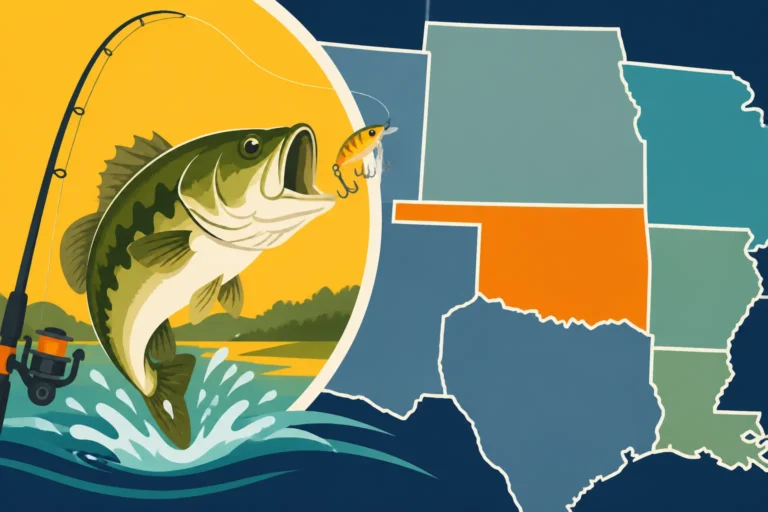
Do River Bass Rules Apply to Lakes Too?
It can be incredibly confusing to keep all the fishing regulations straight, especially when you're moving between different types of waterways in Oklahoma. You might be out on a big reservoir one day, pulling in some chunky largemouth, and then decide to hit a scenic river the next, only to wonder if the rules you just memorized for the lake still apply. This guide is here to clear up that common head-scratcher: do Oklahoma's river bass rules apply to lakes, and vice-versa?
Understanding Oklahoma's Bass Regulations: Rivers vs. Lakes
One of the biggest frustrations for anglers is feeling like you need a law degree to understand where you can and can't cast a line, or what you can and can't keep. Oklahoma, like many states, has nuanced regulations for bass, and they absolutely differ between lakes and rivers. This isn't just to make things complicated; there are real ecological reasons behind these distinctions.
Why the Distinction Matters
You might think, "A bass is a bass, right? Why change the rules?" But the truth is, the environments of a sprawling lake versus a winding river are drastically different, and fish populations respond accordingly. Lakes, especially large reservoirs, tend to have more stable water levels, broader food bases, and more consistent habitat. They can often support a higher density of larger bass, making them prime spots for trophy fishing. Rivers and streams, on the other hand, are often subject to more dramatic flow changes, shallower waters, and different predator-prey dynamics. Bass in rivers might grow slower or mature at different sizes.
The Oklahoma Department of Wildlife Conservation (ODWC) sets these rules with conservation in mind. They're trying to ensure healthy, sustainable fish populations for everyone, from the casual bank angler to the serious tournament competitor. Different regulations help protect vulnerable populations or allow more robust ones to thrive. For instance, a minimum length limit might be higher in a lake known for producing big bass, while a river might have a more restrictive rule to protect smaller, more sensitive populations. Understanding these ecological foundations can make the regulations feel a little less arbitrary.
General Statewide Lake Bass Regulations
Let's start with what most folks consider the "standard" bass rules in Oklahoma, which generally apply to the vast majority of the state's public lakes and reservoirs. When you're fishing for black bass – that's your largemouth, smallmouth, and spotted bass – there's a pretty straightforward set of rules you're usually working with.
For most of Oklahoma's lakes, the statewide bass bag limit is six fish per day, and this includes all three black bass species combined. So, you can't catch six largemouth and then go catch six smallmouth; it's a total of six. Now, here's where it gets a little specific: out of those six fish, only one of them can be 16 inches or longer in length. This is a rule that often trips people up. You can have five bass under 16 inches and one over, but you can't have two bass that are both 16 inches or longer in your daily creel. This specific regulation is designed to protect the breeding stock of larger, mature bass, allowing them to contribute more to the population before being harvested. It's a key part of Oklahoma's 6-fish bass limit for Largemouth and Smallmouth.
For the most part, there isn't a statewide minimum length limit for black bass in lakes, except for that one 16-inch rule. However, and this is crucial, many specific lakes across Oklahoma have their own unique length limits. For example, you might find a lake with a 13- to 16-inch slot limit, meaning you have to release bass caught within that size range, but can keep those smaller or larger. Or a lake might have a strict 14-inch minimum length. Always, always check the current Oklahoma Fishing Guide for the specific body of water you're fishing. It's available online through the ODWC website and sometimes at bait shops, or on an app like the Go Outdoors Oklahoma application.
Diving Into Oklahoma's River and Stream Bass Rules
Now, let's talk about rivers and streams, where things can get a bit more restrictive and, frankly, confusing if you're not paying close attention. It’s easy to assume the lake rules carry over, but that’s not the case at all. The very nature of riverine environments means bass populations behave differently and often require different management strategies.
Specific River and Stream Bass Limits
When you head to a river or stream in Oklahoma, the statewide black bass regulations shift significantly from those for lakes. For largemouth and spotted bass caught in rivers and streams, there's a mandatory 14-inch minimum length limit. This means any largemouth or spotted bass you catch that is shorter than 14 inches must be immediately released. This is a blanket rule for these species in moving water, aiming to give them more time to grow and reproduce before they can be harvested.
But wait, there's more! Smallmouth bass, those feisty fighters that thrive in rocky, clear flowing waters, have even tighter restrictions in Oklahoma's rivers and streams. While the daily bag limit for all black bass combined is still six, when it comes to smallmouth in these moving water environments, you can only keep one fish that is 16 inches or longer. This is a critical point that many anglers miss. So, if you're targeting smallmouth in a river, you might keep a few under 16 inches, but only one can break that 16-inch mark. This stricter rule reflects the slower growth rates and more localized populations of smallmouth bass in river systems, ensuring their long-term health. Understanding why River Bass Limits Differ From Lake Limits in Oklahoma is key to successful and legal fishing.
These differing rules are a prime example of why checking the regulations for your specific body of water is paramount. A 14-inch bass caught in a creek might be illegal to keep, whereas the same size fish might be perfectly legal in a nearby lake that doesn't have a specific minimum.
Identifying What Constitutes a "River" or "Stream"
This is where the rubber meets the road, and sometimes, where the lines can get a little blurry for anglers. What exactly does the ODWC consider a "river" or "stream" for regulatory purposes? Generally speaking, a river or stream is any natural flowing waterway, including its tributaries, that is not considered a main lake or reservoir impoundment. This distinction becomes critical when you're fishing in areas like river arms leading into a major reservoir, or directly below a dam where the water flow is still very river-like.
For the most part, if the water is clearly flowing, has a defined channel, and isn't part of the large, main basin of a reservoir, it's likely considered a river or stream. This includes many smaller creeks and even larger rivers like parts of the Illinois River, Mountain Fork River, or the Red River before it widens into Lake Texoma. ODWC often clarifies these areas in their annual fishing guide, sometimes even providing maps or specific designations for certain stretches of water. It’s not always obvious, especially in the transitional zones where a river feeds into a lake. When in doubt, it’s always best to err on the side of caution or consult the official guide to avoid any potential violations. Knowing where river rules apply to Keeping Black Bass From Moving Water in Oklahoma is essential.
Navigating Overlapping Water Bodies and Exceptions
Oklahoma's diverse hydrology means that some bodies of water don't fit neatly into "lake" or "river" categories, which can definitely add to the confusion. You've got vast reservoirs fed by major rivers, and sometimes the lines between the two seem to blend.
Reservoir Arms and Impoundments
This is perhaps the trickiest area for many anglers. When a river flows into a large reservoir, there's a point where the moving water of the river transitions into the more stagnant, open water of the lake. These "reservoir arms" often retain some characteristics of a river, with narrower channels and current, but they are technically part of the larger lake impoundment. So, which rules apply?
In most cases, once the river's flow becomes impounded by a dam and widens into what is clearly part of the lake's main body, the lake regulations for bass take precedence. However, in the very upper reaches of a reservoir, especially in distinct river channels that still exhibit strong flow and riverine habitat, game wardens and the ODWC often consider these to fall under river rules. This can be particularly true for black bass in the Red River arm of Lake Texoma, or the Grand River arm of Grand Lake O' the Cherokees. It's not always marked clearly on a map, which is why local knowledge, paying attention to water flow, and checking specific regulations for named areas are crucial. For example, the upper Kiamichi River flowing into Sardis Lake might still be considered a river, while the main body of Sardis would be under lake rules. This can make planning a fishing trip around License and Limit Checklist Before an Oklahoma Fishing Trip a bit more complex.
Local Exceptions and Special Regulations
To add another layer of complexity, there are always those specific, local rules that override the statewide general regulations, whether for lakes or rivers. Oklahoma has numerous bodies of water with unique management plans tailored to their specific fisheries. These special regulations might involve:
- Slot Limits: Where fish within a certain size range must be released (e.g., 13-16 inches).
- Increased Minimum Lengths: Some lakes might have a 14-inch or 15-inch minimum for all bass, not just the "one over 16-inch" rule.
- Reduced Bag Limits: A particular lake or river stretch might have a daily limit of fewer than six bass.
- Trophy Lake Designations: Certain lakes might be managed specifically for trophy bass, with very strict length and harvest rules.
These exceptions are almost always noted explicitly in the annual Oklahoma Fishing Guide. For instance, you'll find different bass rules for bodies like Lake Carl Blackwell near Stillwater, or parts of the Glover River in southeastern Oklahoma. Neglecting to check these local rules can quickly turn a fun fishing day into a frustrating interaction with a game warden. This is why a simple search on the ODWC website for the specific lake or river you plan to visit is your best friend.
Comparing Lake and River Bass Rules at a Glance
To make it a little easier to digest, here's a quick comparison of the typical statewide bass rules for lakes versus rivers and streams in Oklahoma. Remember, this is for general statewide rules, and local exceptions always apply.
| Rule Category | Most Oklahoma Lakes (Statewide) | Oklahoma Rivers & Streams (Statewide) |
|---|---|---|
| Combined Daily Limit | 6 Black Bass (Largemouth, Smallmouth, Spotted) | 6 Black Bass (Largemouth, Smallmouth, Spotted) |
| Largemouth/Spotted | No statewide minimum length, but only ONE over 16 inches. | 14-inch minimum length; any under 14 inches must be released. |
| Smallmouth Bass | No statewide minimum length, but only ONE over 16 inches. | 14-inch minimum length; only ONE over 16 inches. |
| Key Distinction | Emphasis on protecting larger, mature fish in a stable environment. | Emphasis on protecting younger fish and sensitive populations in flowing water. |
| Common Confusion | Forgetting the "one over 16 inches" rule. | Not realizing the 14-inch minimum applies to all river bass. |
This table should give you a quick reference point. But please, never rely solely on a general table. Always consult the most current Oklahoma Fishing Guide or the Oklahoma's Bass Fishing Rules and Limits publication for the exact regulations pertaining to the specific water body you intend to fish. It's the only way to be 100% sure you're compliant. Knowing the difference between Largemouth Bass vs Smallmouth Bass: How to Tell Them Apart can also help you identify what you've caught to properly apply the rules.
Navigating these rules can feel like a maze, but with a little homework, you'll be well on your way to enjoying Oklahoma's fantastic bass fishing, whether you prefer the expansive waters of Lake Eufaula or the intimate settings of a winding creek. And don't forget, there are also special considerations for tournaments, so make sure you read up on Tournament Angler Rules in Oklahoma if that's your game. Checking Oklahoma's 181 Fish Species: A Quick Overview can also give you broader context on the state's diverse aquatic life.
For those interested in the minutiae, you can delve into Oklahoma Statewide Bass Bag Limit Explained or specifically target information on Black Bass Rules for Oklahoma Rivers and Streams. You can even find out How Many Bass You Can Keep in Oklahoma and understand The One 16-Inch Bass Rule Anglers Miss.
Disclaimer
Please note: Fishing regulations, license requirements, and fees are subject to change. Always consult the current Oklahoma Department of Wildlife Conservation (ODWC) fishing regulations guide or website before heading out to fish to ensure you have the most up-to-date and accurate information.