Oklahoma’s 181 Fish Species: A Quick Overview
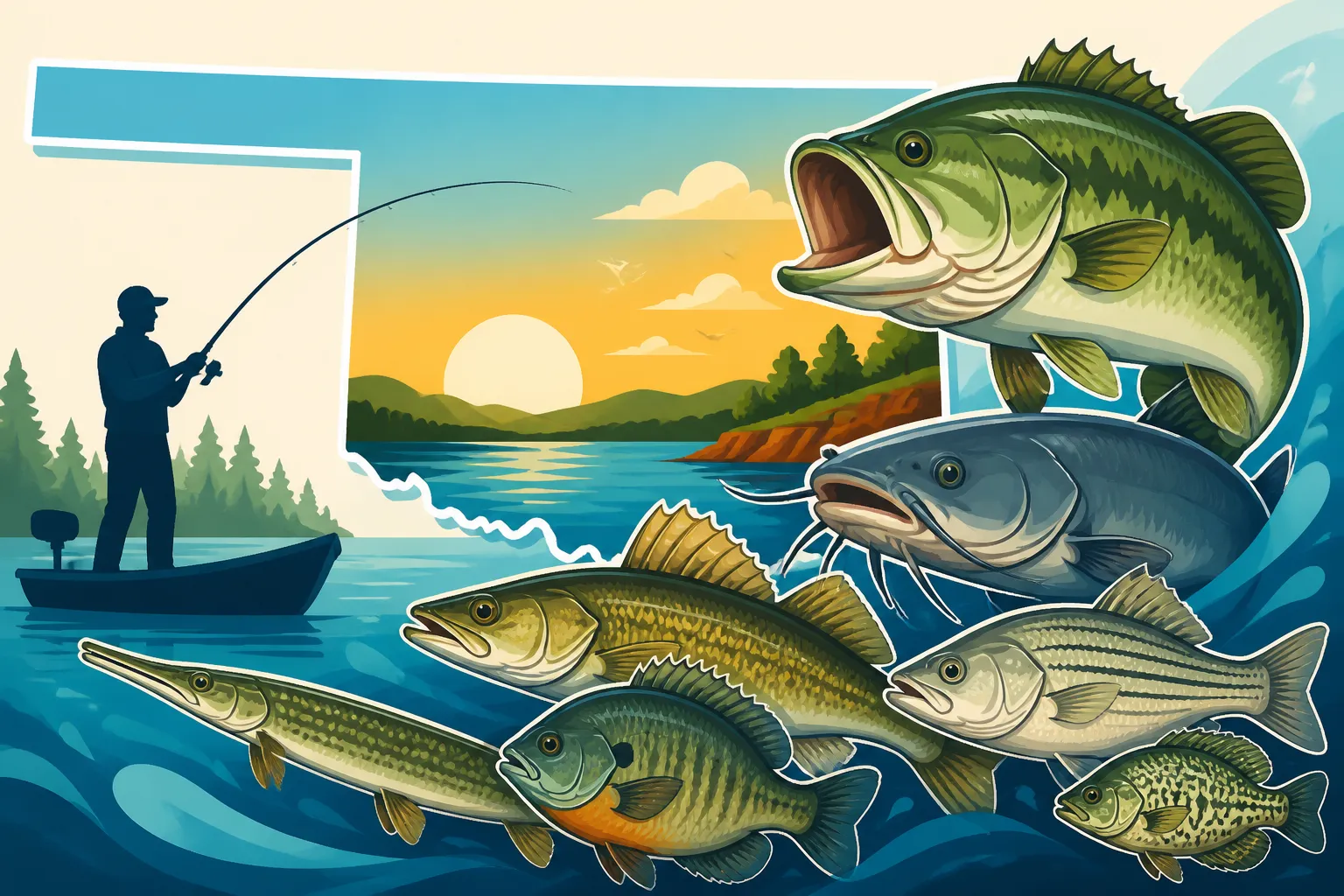
It can feel overwhelming to consider the sheer number of fish species swimming in Oklahoma's waters. When you're standing on the bank or out in your boat, wondering what might bite next, it’s easy to get lost in the possibilities beyond the usual bass and crappie. This guide aims to demystify the incredible diversity of Oklahoma's aquatic inhabitants, giving you a quick overview of the many fish species you might encounter, from common catches to truly unique native residents.
The Big Three: Bass, Crappie, and Catfish
No discussion of Oklahoma fishing would be complete without talking about the iconic trio that brings so many anglers to our lakes and rivers. These species are not only abundant but also offer fantastic sport and delicious table fare, making them prime targets for both seasoned pros and weekend warriors.
Oklahoma's Bass Bonanza
When most folks think of fishing in Oklahoma, a big ol' bass is usually the first image that comes to mind. We're lucky to have several species of black bass that thrive here, each offering a slightly different challenge and habitat preference. Understanding the nuances between them can significantly improve your chances of success.
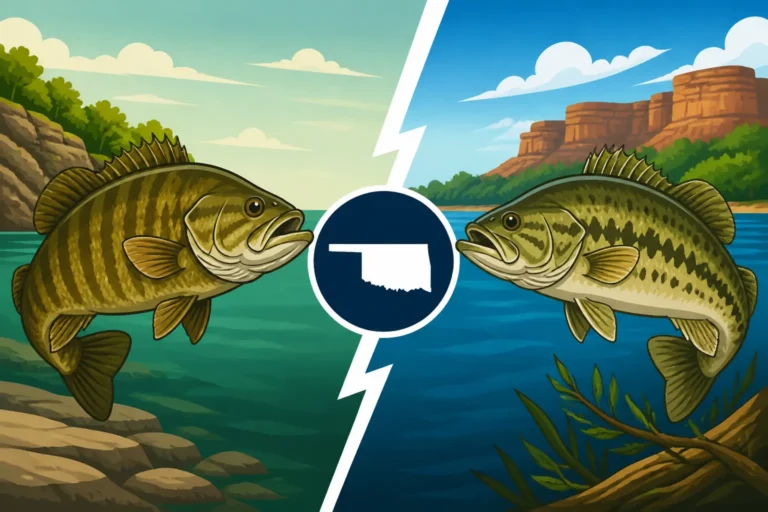
The largemouth bass is undeniably the king of Oklahoma's warm-water fisheries. These aggressive predators love cover, whether it's submerged timber, lily pads, or rocky points, and they'll strike at a wide array of baits from plastic worms to topwater frogs. They're found in nearly every lake, pond, and river system across the state, making them accessible to almost everyone. Catching a trophy largemouth is a bucket-list item for many, and Oklahoma has plenty of lakes, like Lake Eufaula or Grand Lake O' the Cherokees, that are known for producing giants. For an in-depth dive, check out Largemouth Bass Fishing in Oklahoma: The Complete Guide.
While largemouth get a lot of the spotlight, Oklahoma also boasts healthy populations of smallmouth bass and spotted bass. Smallmouth, often called "bronze backs," prefer clearer, rockier waters with cooler temperatures, making them more common in the eastern and southeastern parts of the state, especially in rivers and deep, clear reservoirs like Broken Bow Lake or Tenkiller Ferry Lake. They're renowned for their hard-fighting nature and acrobatic jumps. Spotted bass, on the other hand, are a bit of a hybrid in their habits, often occupying habitats similar to largemouth but with a preference for deeper, clearer water than their big-mouthed cousins. You can learn how to differentiate these fighters in Largemouth vs Smallmouth vs Spotted Bass: How to Tell Oklahoma's Bass Apart.
Crappie: Panfish Perfection
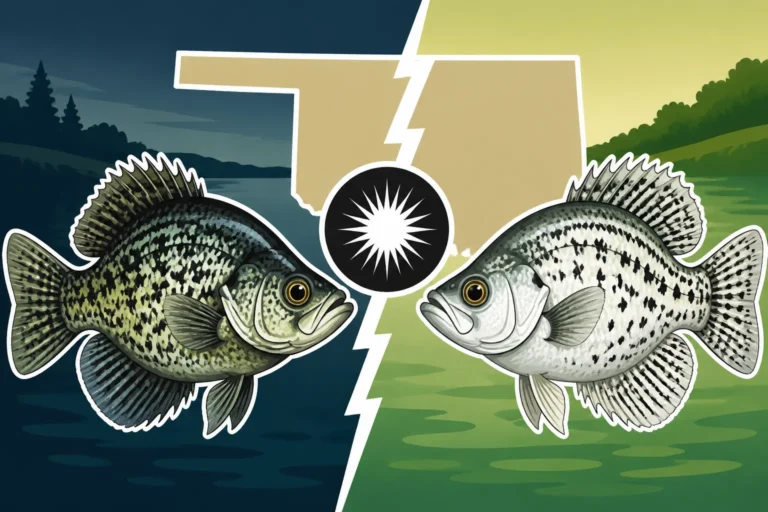
Crappie fishing is a true Oklahoma tradition, especially in spring when these delicious panfish move shallow to spawn. We have both black crappie and white crappie thriving in our waters, and while they share many similarities, they do have some distinct preferences and characteristics.
Black crappie tend to prefer clearer water with more vegetation and structure, often hanging around brush piles, submerged trees, and docks. They have a more speckled appearance and typically seven or eight dorsal spines. White crappie, however, are a bit more tolerant of murkier water and are often found in larger, more open reservoir systems. They usually have distinct vertical bars on their sides and typically six dorsal spines. Both are schooling fish, meaning if you find one, you're likely to find a whole bunch! Knowing the subtle differences can help you target them more effectively, especially if you're chasing a specific type. If you're curious about the specifics, read Black Crappie vs White Crappie: Key Differences for Oklahoma Anglers.
Catching crappie is a joyful experience, whether you're jigging with small plastics, dangling live minnows, or even spider rigging multiple rods from a boat. Lakes like Fort Gibson Lake and Lake Texoma are legendary crappie fisheries, drawing anglers from all over. The fight might not be as explosive as a bass, but the sheer numbers and incredible taste make up for it. Just remember to check specific lake regulations, as some spots have unique size and bag limits to protect these valuable populations, as discussed in Crappie Fishing in Oklahoma: Black and White Crappie.
Catfish: The Bottom Dwellers
For many Oklahomans, there’s nothing quite like a mess of fried catfish. Our state offers fantastic opportunities for pursuing all three major species: channel catfish, blue catfish, and flathead catfish. Each has its own personality, preferred habitat, and best fishing techniques, making catfishing a diverse pursuit.
Channel catfish are the most widespread and commonly caught species. They're easily identifiable by their slender, spotted bodies and deeply forked tails. You'll find them in virtually all of Oklahoma's rivers, lakes, and even farm ponds. They're opportunistic feeders, biting on everything from stink baits and worms to cut bait and chicken livers. They're a fantastic target for bank anglers and those just starting out, offering consistent action and a great meal.
Blue catfish are the true giants of Oklahoma's catfishing scene, capable of reaching immense sizes. These powerful fish prefer large river channels and main lake basins, often gathering in deep holes or around significant current breaks. They have a bluish-gray color and a noticeably humped back. Live or fresh cut bait, particularly shad, is usually the key to enticing these monsters. The thrill of hooking into a 50-pound-plus blue cat is something every angler should experience, and lakes like Lake Texoma are famous for them. Be mindful of specific regulations, like the one blue catfish over 30 inches rule, which is explained in The 30-Inch Blue Catfish Exception Explained.
Flathead catfish are unique among their whiskered brethren. They're ambush predators, preferring live bait over stink baits, and they often lurk in heavy cover like log jams or submerged timber in rivers and large reservoirs. Flatheads have a distinct, flattened head, a brownish mottled color, and a square or slightly rounded tail, unlike the deeply forked tails of blues and channels. Catching a flathead requires patience and a robust setup, but their firm, flaky white meat is considered a delicacy by many. If you want to know more about the differences and how to target them, check out Channel Catfish vs Blue Catfish vs Flathead Catfish in Oklahoma. For a broader overview, take a look at Catfish Species You'll Find in Oklahoma.
Other Popular Game Fish: Beyond the Usual Suspects
While bass, crappie, and catfish steal a lot of the show, Oklahoma's waters are home to a vibrant array of other game fish that provide thrilling battles and unique angling experiences. Don't overlook these fantastic species when planning your next trip!
Striped Bass and Their Cousins
For sheer power and an adrenaline rush, it's hard to beat the striped bass. These ocean-going transplants thrive in Oklahoma's large reservoirs, particularly Lake Texoma, where they reproduce naturally. Stripers are schooling fish that chase massive schools of shad, making for explosive topwater action or deep-water trolling opportunities. They are identified by their distinct horizontal stripes running along their silvery bodies. Many anglers find themselves on an ongoing quest for these powerful fish, and a heavier rod and reel can be a huge asset. If you’re looking for gear, you can find durable options suitable for striper fishing on Amazon. Discover more about their history and habits in Oklahoma's Striped Bass: An Introduced Species Guide.
In addition to pure stripers, Oklahoma also has white bass and hybrid striped bass. White bass are smaller but incredibly feisty, offering fast action, especially during their spring spawning runs up tributary rivers. Hybrids, a cross between striped and white bass, offer a fantastic combination of size and fight. They're often stocked in many reservoirs throughout the state and provide consistent angling opportunities. Knowing how to distinguish these species is part of the fun, as their fighting styles and preferred baits can vary.
Walleye, Sauger, and Saugeye
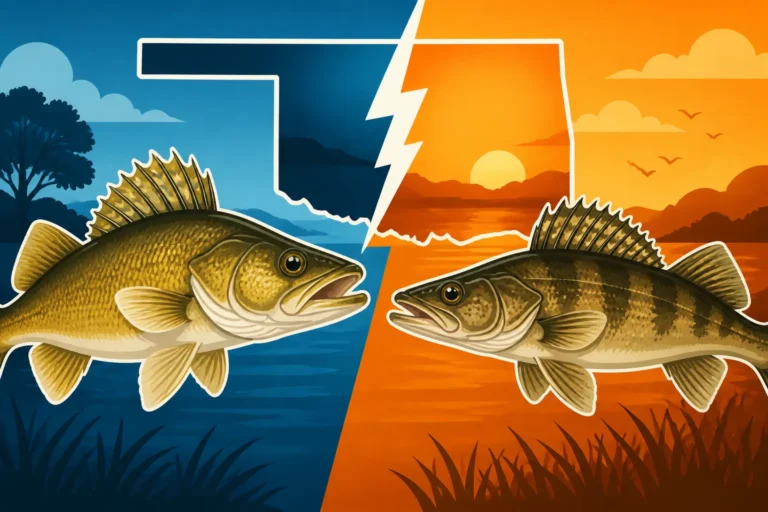
Oklahoma isn't typically the first place people think of for walleye fishing, but these toothy, delicious fish have established strong populations in several of our clearer, deeper reservoirs, especially in the western and northern parts of the state. Walleye are known for their keen eyesight and nocturnal feeding habits, making dawn, dusk, and even night fishing particularly productive. They prefer rocky bottoms, humps, and submerged points.
We also have sauger and saugeye (a hybrid of walleye and sauger). Sauger are smaller than walleye and prefer riverine environments, often found below dams. Saugeye, like their hybrid striper cousins, offer a blend of both parents, growing faster than pure walleye and tolerating a wider range of conditions. Identifying the subtle differences between these three can be tricky but is key for understanding their habitats. For a detailed guide on these fascinating fish, refer to Walleye, Sauger and Saugeye: Oklahoma's Cousin Fish. Their white, flaky meat is highly prized, and many anglers actively target them with jigs, crankbaits, or live minnows.
Trout and Paddlefish: Unique Challenges
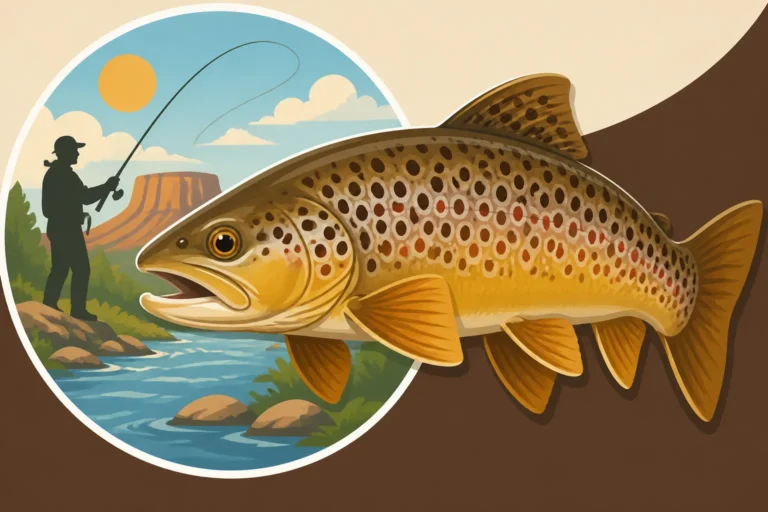
Oklahoma might be a warm-water state, but we also offer unique opportunities for cold-water species like trout, thanks to dedicated stocking programs. The Lower Mountain Fork River below Broken Bow Lake and the Illinois River below Lake Tenkiller are year-round trout fisheries, offering rainbow and sometimes brown trout. These picturesque areas provide a completely different angling experience, with clear, cold water and stunning scenery. Light tackle, small spinners, flies, or power bait are often the ticket to hooking these beautiful fish. If you're looking for a change of pace, Trout Fishing in Oklahoma: Rainbow and Brown Trout has all the details.
Then there's the paddlefish – a true ancient marvel and a bucket-list species for many. These filter feeders, often called "spoonbills" because of their long, paddle-like snout, are snagged rather than caught on bait. Grand Lake O' the Cherokees is famous for its incredible paddlefish snagging season, drawing thousands of anglers each spring. It's a physically demanding but incredibly rewarding experience, often yielding fish over 50 pounds! Specialized heavy-duty gear is a must for paddlefish snagging, and you can find many of the necessary components, from robust rods to large treble hooks, by searching on Amazon. Learn how to prepare for this unique adventure in Paddlefish Snagging in Oklahoma: The Complete Guide.
Panfish and Sunfish: Fun for the Whole Family
If you're introducing kids to fishing, or just looking for some relaxing action, panfish are your best friends. Oklahoma's waters teem with various species of sunfish that are eager to bite and provide endless entertainment. They might not be trophy-sized, but they offer consistent action and are great for the dinner table.
Bluegill, Green Sunfish, and Redear
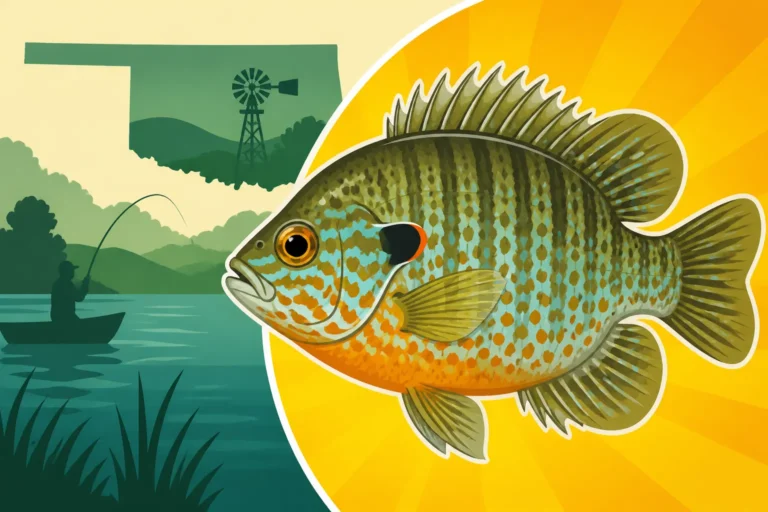
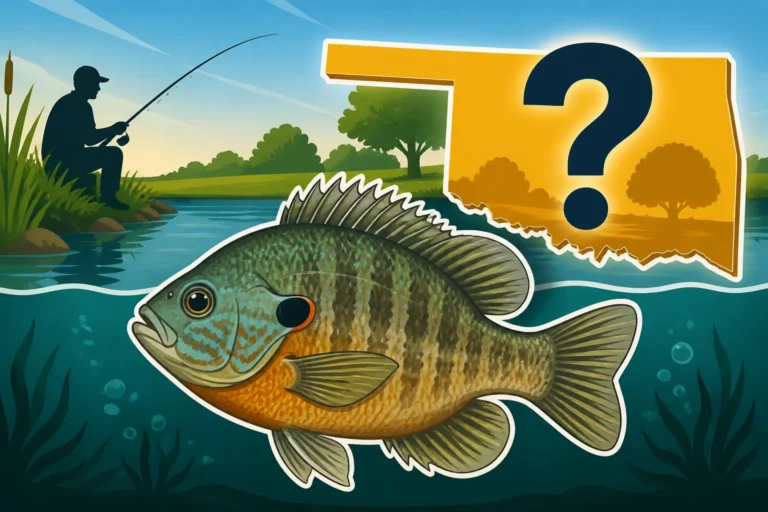
The bluegill is perhaps the most iconic panfish. These round, dark-colored fish with a distinct blue "ear flap" are found in almost every pond, lake, and slow-moving river in Oklahoma. They're incredibly aggressive, making them perfect for young anglers. A simple hook, worm, and bobber setup is all you need, and you can pick up a starter kit for kids on Amazon without breaking the bank. They'll readily bite on crickets, small pieces of corn, or tiny artificial jigs.
Green sunfish are another common sight, often distinguished by their slightly larger mouth, iridescent green coloration, and prominent black spot on their dorsal fin. They are incredibly hardy and can tolerate a wide range of water conditions, even thriving in small, sometimes stagnant ponds where other fish might struggle. While not as large as bluegill, they're just as eager to bite and put up a surprisingly good fight for their size. Redear sunfish, sometimes called "shellcrackers," are less common but highly sought after for their larger size and excellent table quality. They have a distinctive red or orange margin on their ear flap and a preference for eating snails and other crustaceans, which means you might find them in areas with harder bottoms.
Hybrid Sunfish and Warmouth
Oklahoma also has various hybrid sunfish, often a cross between bluegill and green sunfish, which tend to grow larger and faster than their parent species. These hybrids offer a great opportunity for a bigger panfish catch. They exhibit characteristics of both parents and are often stocked in ponds and smaller lakes to provide a robust fishery.
The warmouth is another interesting member of the sunfish family, though less frequently encountered than bluegill or green sunfish. They have a more bass-like body shape, mottled brown coloration, and often have reddish eyes. Warmouth prefer weedy, murky water and are known for their aggressive strikes, often hitting baits intended for larger fish. All these panfish provide accessible, enjoyable fishing, making them ideal for a family outing or a relaxing afternoon by the water.
Lesser-Known and Native Wonders: The Diverse Inhabitants
Beyond the common game fish and panfish, Oklahoma's aquatic ecosystems support a fascinating array of other species, many of which play crucial roles in the environment or offer unique angling challenges for those seeking something different.
Gar Species: Ancient Predators
Gar are truly ancient fish, recognizable by their long, cylindrical bodies and tooth-filled, elongated snouts. Oklahoma is home to several species, including longnose gar, spotted gar, shortnose gar, and the awe-inspiring alligator gar. Alligator gar are the largest, capable of reaching immense sizes and sporting a broad, alligator-like snout. They are powerful predators and a bucket-list catch for many extreme anglers. Catching them often involves specialized techniques and strong gear, sometimes even using rope lures, which you can find discussed in forums and some specialty shops on Amazon.
Longnose gar are more common and widespread, found in many lakes and rivers. They have a very long, slender snout, often much longer than their head. While not traditionally targeted for food by most, some anglers enjoy the challenge of catching them, and their firm, white meat can be quite good when properly prepared. Gar are an important part of the ecosystem, helping to control rough fish populations. For those interested in these fascinating creatures, Alligator Gar Fishing in Oklahoma and Longnose Gar: An Overlooked Catch in Oklahoma Waters offer more information.
Freshwater Drum, Buffalo, and Carp
Oklahoma's waters also hold several species often categorized as "rough fish" or "commercial fish," though many offer great sport and some are excellent table fare. The freshwater drum, often called "gaspergoo" or "sheephead," is a common bottom feeder found in many large reservoirs and rivers. They put up a surprisingly strong fight on light tackle, making them a fun target. Their white, flaky meat is quite good, especially from cleaner waters.
Various species of buffalo, including bigmouth, smallmouth, and black buffalo, are also abundant. These large, carp-like fish are primarily filter feeders or bottom grazers and are often targeted by bowfishers or commercial anglers. They can grow to impressive sizes and are known for their powerful runs when hooked. Common carp and various species of suckers are also widespread. While often overlooked by recreational anglers, carp fishing is a popular pursuit in other parts of the world and is gaining traction here. They can be incredibly wary and challenging to catch, offering a unique test of skill.
The Whole Picture: A Diverse Ecosystem
Oklahoma's aquatic biodiversity is truly remarkable, supporting not just game fish but also a huge variety of smaller, less visible species like minnows, shiners, darters, and various small forage fish. These smaller fish form the crucial base of the food chain, providing sustenance for the larger predators that we love to catch.
This rich diversity means that no matter your angling preference, there's always something new to learn and something exciting to pursue in Oklahoma's waters. It’s a testament to the health and vitality of our lakes and rivers that they can support such a wide array of life. Understanding this bigger picture helps us appreciate every ripple and every catch, big or small. You might even find yourself looking for a new rod and reel combo on Amazon after reading about the different species.
Here's a quick look at some of the key characteristics of Oklahoma's major game fish:
| Species Group | Common Species | Typical Size Range (Oklahoma) | Preferred Habitat | Common Fishing Methods | Notes |
|---|---|---|---|---|---|
| Bass | Largemouth, Smallmouth, Spotted | 1-8 lbs (trophies larger) | Structure, cover, rocky points, clear to murky water | Lures (worms, crankbaits, jigs), live bait | Aggressive fighters, popular tournament fish |
| Crappie | Black, White | 0.5-2 lbs (slabs larger) | Brush piles, docks, submerged timber | Jigs, minnows, spider rigging | Delicious panfish, schooling behavior, excellent for families |
| Catfish | Channel, Blue, Flathead | 1-50+ lbs | River channels, deep holes, log jams, varied water | Cut bait, stink bait, live bait, trotlines, juglines | Blues are giants, flatheads prefer live bait, channels are common |
| Striped Bass | Striper, White Bass, Hybrid | 2-20+ lbs | Open water, main lake basins, chasing shad | Trolling, topwater lures, live shad, spoons | Powerful fighters, often found in large schools |
| Walleye | Walleye, Sauger, Saugeye | 1-8 lbs | Rocky bottoms, humps, deep structures | Jigs, crankbaits, live minnows | Prized table fare, strong fighters, often nocturnal |
| Trout | Rainbow, Brown | 10-20 inches | Cold, clear flowing water below dams | Flies, small spinners, power bait, worms | Stocked fisheries, unique cold-water experience |
| Paddlefish | Paddlefish | 30-80+ lbs | Open water, large river systems | Snagging (heavy gear) | Ancient, unique, large, seasonal snagging opportunities |
Understanding the wide variety of fish that call Oklahoma home is a fantastic first step in becoming a more versatile and successful angler. Each species presents its own challenges and rewards, making every fishing trip a new adventure. Before heading out, make sure your tackle box is well-stocked; you can find a great selection of hooks and weights on Amazon to suit any species you decide to pursue. Don't forget to check the current Oklahoma's Bag Limit Rules by Species before you go!
Disclaimer
This article is for general informational purposes only and does not constitute professional advice. Laws, prices and regulations vary by location and change over time. Consult a qualified professional for guidance on your specific situation.