Why a Nonresident License Costs More Than a Resident License
It's a familiar feeling for many anglers: you've planned a fantastic fishing trip to Oklahoma, maybe envisioning big striped bass on Lake Texoma or some crappie action on Grand Lake, and you start looking into the fishing license requirements. You click to purchase your permit, and then bam – the nonresident fee pops up, often looking substantially higher than what a local might pay. It can feel a bit unfair, leaving you wondering why you're being asked to shell out so much more just because you don't live within state lines. But there's a whole system of logic and critical funding behind those varying prices, and understanding it can actually give you a better appreciation for where your hard-earned money goes. This guide will unpack the core reasons why a nonresident fishing license typically costs more than a resident license in Oklahoma.
The Foundation: Sustaining Oklahoma's Natural Resources
The biggest reason for the price difference boils down to how states manage and fund their natural resources, including all those incredible fish populations and the habitats they rely on. Think about it: a resident pays taxes to the state year-round. These taxes, in various forms, contribute to the state's general fund, which in turn supports a multitude of public services, including state parks, wildlife agencies, and conservation efforts. Nonresidents, while they might pay sales tax during their visit, don't contribute to these ongoing state tax revenues in the same consistent way.
Resident Contributions and Ownership
When you live in Oklahoma, your property taxes, income taxes, and sales taxes all feed into the state's budget. A portion of that budget is then allocated to the Oklahoma Department of Wildlife Conservation (ODWC). This agency is responsible for everything from stocking fish in public waters to enforcing fishing regulations, conducting research on fish populations, and maintaining boat ramps and access points. It's essentially an investment in the "home team." Local anglers are seen as primary stakeholders who continuously contribute to the health and accessibility of their home state's fisheries through these broad tax contributions. When they buy a fishing license, it's an additional, direct contribution, but it's layered on top of their existing tax base. It's like having a membership to a club you already pay annual dues to through other means.
Nonresident's Direct Impact and Fair Share
For nonresidents, the fishing license is often their most direct and significant financial contribution to the state's wildlife management efforts. Without consistent state tax payments, the license fee becomes their primary way of helping to sustain the very resources they are coming to enjoy. It's essentially their "fair share" to help offset the impact their recreational activity has on local fish populations and infrastructure, as well as to contribute to the conservation programs that keep those waters thriving. The thought is, if you're coming in to enjoy a resource that locals are constantly funding, your direct contribution should reflect that imbalance to maintain equity and ensure the resource remains viable for everyone.
The Economics of Conservation and Management
Managing a state's fisheries is an incredibly expensive undertaking. It involves biologists, game wardens, hatchery operations, habitat improvement projects, and a whole lot of administrative overhead. License fees are a critical component of how these operations are funded.
User-Pay, User-Benefit Model
Wildlife and fisheries management in the United States largely operates on a "user-pay, user-benefit" model. This means that those who directly benefit from hunting and fishing activities are the ones who primarily fund conservation efforts through license fees and excise taxes on sporting goods (thanks to the federal Sport Fish Restoration Act, also known as the Dingell-Johnson Act). The higher nonresident fees are designed to ensure that visitors who come to enjoy these resources contribute proportionally to their upkeep, just as residents do through their broader tax contributions and direct license purchases. This system helps keep our lakes and rivers healthy for future generations, ensuring there's always something biting. If you're planning a trip to the Red River, for instance, knowing the current Oklahoma's Catfish Fishing Rules and Limits can help you plan what gear to bring to contribute to sustainable fishing practices.
Funding for Infrastructure and Enforcement
Imagine the wear and tear on boat ramps, parking areas, and fishing docks, especially at popular spots like Lake Texoma or Lake Eufaula, which see thousands of visitors annually. All of this infrastructure needs maintenance, repairs, and sometimes expansion. Game wardens need to be paid, equipped, and trained to enforce regulations, ensuring everyone is following the rules, preventing overfishing, and protecting vulnerable species. Hatcheries need funding to raise and stock millions of fish, bolstering populations for popular species like bass and crappie. The higher fees collected from nonresidents help supplement these costs, ensuring that even temporary visitors are contributing significantly to the upkeep of the entire system. Without this, the burden would fall almost entirely on local taxpayers, which wouldn't be sustainable given the influx of out-of-state anglers. Many out-of-state anglers heading to Lake Texoma often wonder about Texas Anglers Fishing in Oklahoma Waters, and a proper license is paramount for cross-border fishing.
Oklahoma's Specific License Structure: A Breakdown
Let's look at Oklahoma's actual license fees to illustrate this point. While prices can change, these numbers give you a clear picture of the disparity and some interesting exceptions. It also clarifies why you might see different prices depending on how long you plan to fish. You can easily find the most current Oklahoma Fishing License Costs and Types on the ODWC website.
Comparing Resident and Nonresident Annual Licenses
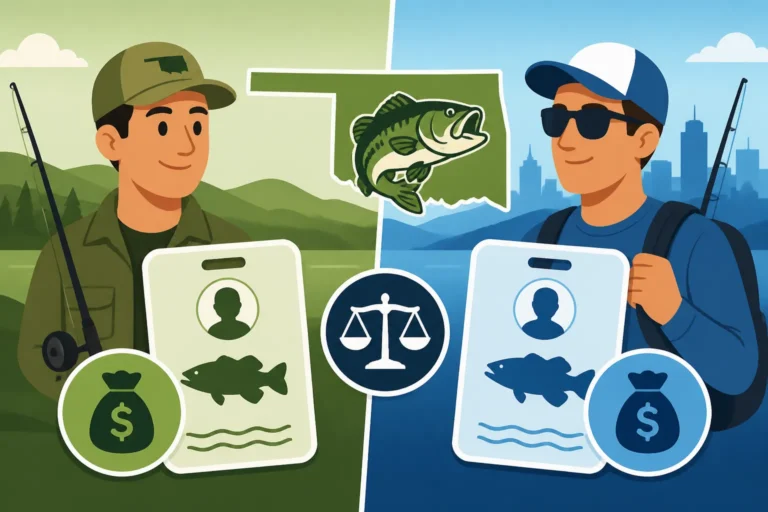
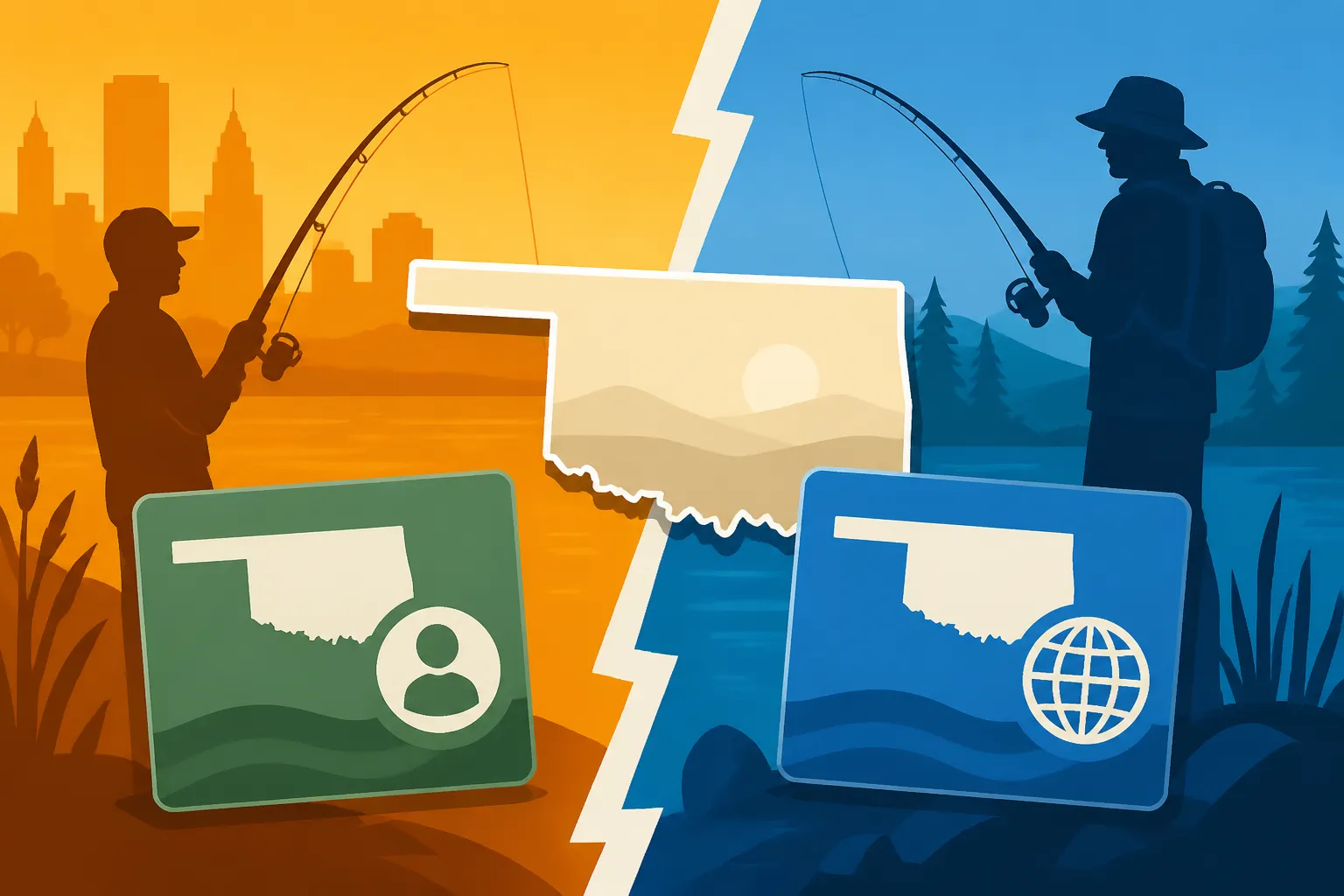
The most significant difference typically appears in the annual fishing license. For instance, an Oklahoma resident might pay around $31 for their annual fishing license. This allows them to fish all year, contributing to the state's conservation efforts. In stark contrast, a nonresident looking for an annual permit might be looking at a fee of $81. That's a noticeable jump, but it reflects the principles we just discussed. This difference helps to account for the fact that residents are already contributing to the state's general revenue which, in part, funds wildlife management. For a deeper dive, check out Resident vs Nonresident Fishing License Prices in Oklahoma.
Here's a quick comparison of some common license types:
| License Type | Oklahoma Resident Price | Nonresident Price | Notes |
|---|---|---|---|
| Annual Fishing License | $31 | $81 | Covers all species (except trout, which needs an additional stamp) |
| 1-Day Fishing License | $15 | $15 | No difference! Designed for short visits for anyone. |
| 6-Day Fishing License | N/A | $55 | Nonresident specific, offers a multi-day option without annual cost |
| Youth Annual Fishing License | Free (Under 16) | $20 (16-17 years) | Residents under 16 are free; nonresidents pay if 16 or 17 years old |
| Senior Lifetime Fishing License | $30 (Age 65+) | N/A | Only available to Oklahoma residents 65 and older |
Note: Prices are subject to change. Always check the official Oklahoma Department of Wildlife Conservation website for the most current information.
You'll notice that for a one-day license, the price is often the same for both residents and nonresidents. This is a common practice designed to make short visits more accessible and less intimidating for casual anglers. It acknowledges that a single day of fishing has a smaller, more contained impact and seeks to encourage tourism and participation. However, once you start looking at extended periods or annual permits, the cost difference becomes very clear. This is particularly relevant if you're an angler from a neighboring state like Texas or Arkansas. For more information, read up on Arkansas Anglers Fishing in Oklahoma Waters.
The Value of the Nonresident 6-Day License
For many nonresidents, the 6-day fishing license for $55 is an excellent compromise. If you're planning a week-long vacation to a place like Broken Bow Lake Fishing Guide on the Mountain Fork River or a dedicated fishing trip to chase big catfish, this option provides significant savings compared to buying multiple 1-day licenses or the full annual nonresident permit. It's a way for the state to offer flexibility while still ensuring a fair contribution to their conservation efforts. Even if you're not planning a full week, the cost difference might make it worthwhile if your trip spans more than two or three days. You can learn How to Buy an Oklahoma Fishing License Online to secure this before you even hit the road.
The Broader Benefits Your License Fee Supports
Whether you're an Oklahoma resident or an out-of-state visitor, your fishing license fee goes into a dedicated fund that directly benefits the state's wildlife and fisheries. It's not just about paying to fish; it's about investing in the future of the sport.
Conservation Programs and Habitat Restoration
A significant portion of license revenue supports critical conservation programs. This includes everything from restoring vital fish habitats in rivers and lakes to managing invasive species that can harm native populations. For instance, funds might be used to plant aquatic vegetation, create artificial brush piles for fish cover, or manage water levels to improve spawning success for species like largemouth bass or crappie. These programs directly improve the quality of fishing for everyone. Many anglers even pick up their own castable fish finders on Amazon to help locate these submerged structures.
Research and Population Management
Wildlife biologists constantly monitor fish populations, study their breeding habits, and track their health. This research is vital for setting appropriate bag limits and size restrictions, ensuring that fish stocks remain healthy and sustainable. For example, knowing the Oklahoma Statewide Bass Bag Limit Explained or why certain lakes have Stricter Crappie Limits at Six Oklahoma Lakes comes directly from this scientific work. Your license fee helps fund these scientists and their crucial work, preventing overfishing and ensuring there are plenty of fish for generations to come. Having access to this data allows the ODWC to make informed decisions that benefit both the ecosystem and the anglers.
Access and Education
Beyond fish in the water, license fees contribute to providing and maintaining public access points. This means well-kept boat ramps, fishing piers, and shoreline access areas, making it easier for you to get out and enjoy your time on the water. Funds also support educational programs aimed at teaching responsible angling practices, introducing youth to fishing, and promoting boating safety. These initiatives help foster a new generation of conservationists and anglers. If you're ever unsure about the rules, learning about Fishing Regulations You Need to Know in Oklahoma is key, and your license fees help fund the dissemination of this vital information. Don't forget to check Amazon for educational fishing books or even simple knot-tying tools if you're brushing up on your skills!
Ultimately, while the difference in price between a resident and nonresident fishing license can be jarring, it's a necessary part of a comprehensive system designed to protect and enhance Oklahoma's incredible fishing opportunities. Your investment, whether you're a local or just visiting, directly contributes to ensuring that the waters remain vibrant and full of fish for years to come.
Disclaimer
The information provided in this guide is for general informational purposes only and does not constitute legal advice. Fishing regulations and license requirements in Oklahoma are subject to change. Always consult the official Oklahoma Department of Wildlife Conservation website or contact them directly for the most current and accurate information before planning your fishing trip.