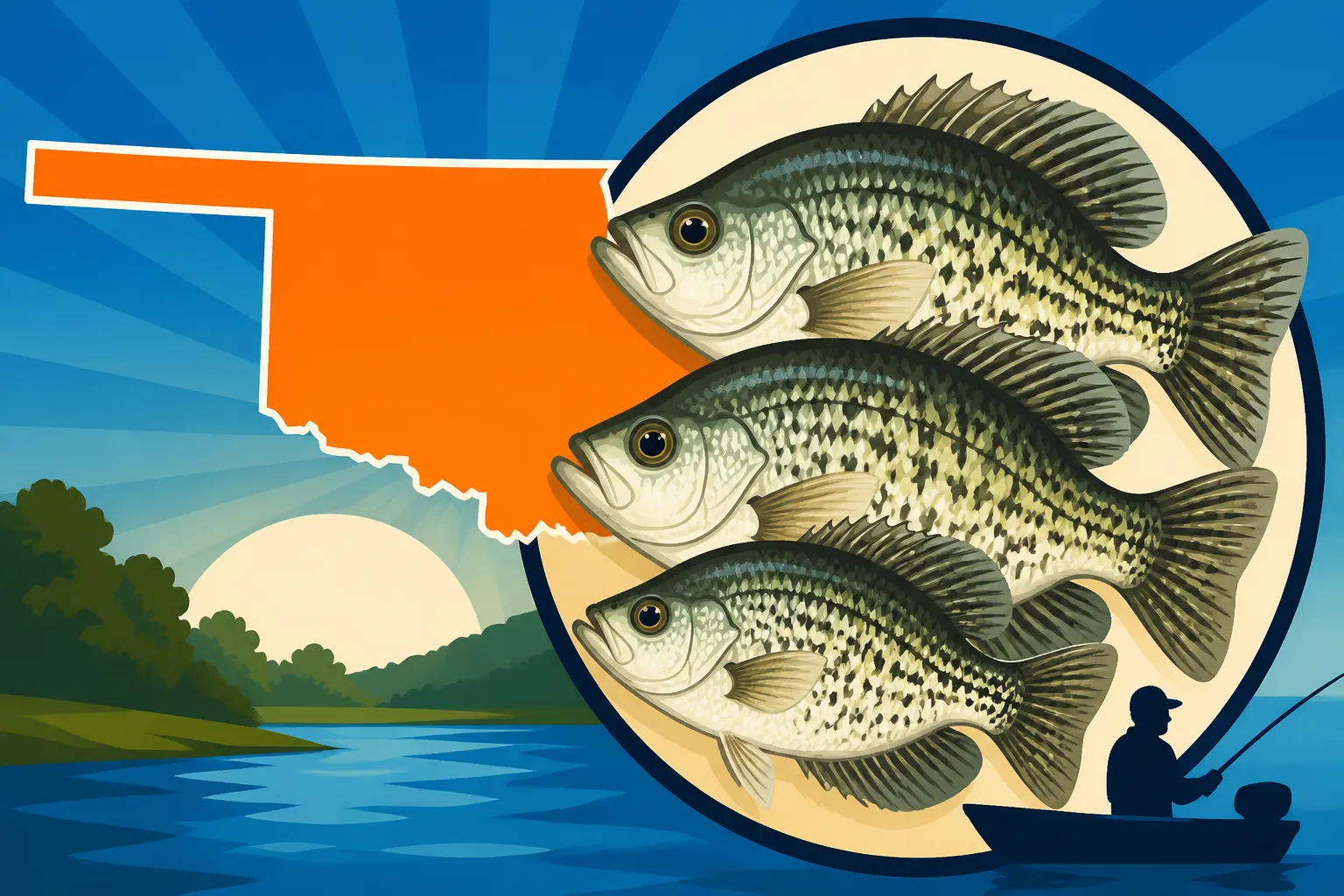
Oklahoma Statewide Crappie Bag Limit
It can be incredibly frustrating to head out to your favorite Oklahoma fishing spot, spend a fantastic day on the water, only to realize you're unsure if your crappie haul falls within the legal limits. The rules can feel like a moving target, especially when some lakes have different regulations than others. This guide is here to untangle the confusion surrounding Oklahoma's statewide crappie bag limit, ensuring you can enjoy your time fishing without any worries about unintentional violations.
Understanding the Statewide Crappie Bag Limit
Oklahoma's crappie fishing is legendary, drawing anglers from all over for a shot at these delicious panfish. But before you fill your livewell, it's absolutely crucial to understand the statewide rules. The Oklahoma Department of Wildlife Conservation (ODWC) sets these limits to manage fish populations and ensure healthy fisheries for everyone, now and in the future. Ignoring them, even by accident, can lead to stiff penalties, and nobody wants that after a relaxing day.
The Standard 37-Fish Daily Limit
So, let's get right to it. Across the vast majority of Oklahoma's waters, the statewide daily bag limit for crappie is 37 fish. This number might seem a little specific, but it's been carefully determined by fisheries biologists to maintain sustainable populations. What exactly does "daily bag limit" mean, though? It refers to the maximum number of crappie you, as an individual angler, can keep in a single day. This isn't just about what's in your livewell while you're fishing; it also pertains to the number of crappie you have in your possession once you've left the water.
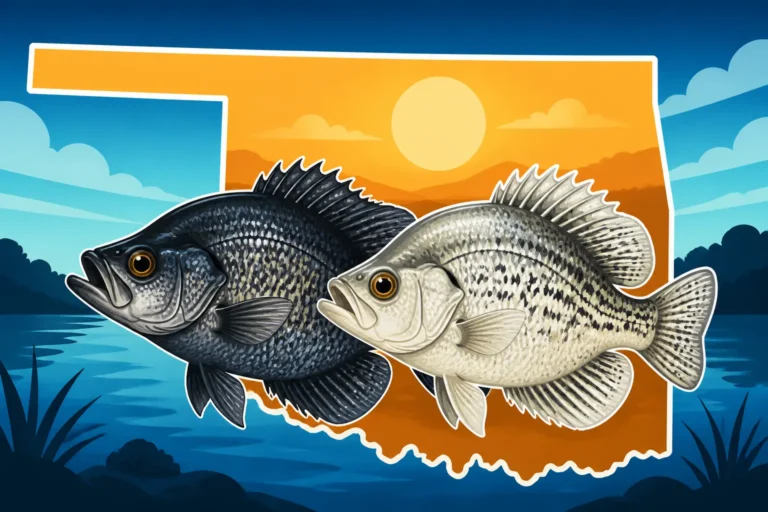
It's important to remember that this limit applies whether you're catching black crappie or white crappie, or a mix of both. They are counted collectively towards that 37-fish total. You can dive deeper into these specifics by checking out our guide on how many crappie you can keep in Oklahoma. This simple rule helps keep things consistent and makes it easier for everyone to comply, no matter which species is biting more aggressively that day.
No Statewide Size Limit for Crappie
Now, here's a point of frequent confusion: for the statewide limit, there is no minimum size limit for crappie in Oklahoma. This means that if you're fishing a lake or river that only follows statewide regulations, any crappie you catch, regardless of how small, can be kept as long as you don't exceed your 37-fish daily bag limit. This contrasts sharply with many other game fish, like bass, which often have strict length requirements.
However, this lack of a statewide size limit is precisely why it's so vital to be aware of lake-specific regulations. Just because there's no statewide size restriction doesn't mean you can keep any size crappie from every lake. We'll get into those specific lake rules in a moment, but always double-check before you cast your line. Using a reliable measuring device and possibly a small scale, perhaps one you found on Amazon, can help you ensure you're always in compliance, especially when dealing with stricter local rules.
What Counts Towards Your Crappie Limit?
Understanding the numbers is one thing, but knowing exactly what constitutes a "kept" fish and how it impacts your limit is another. This is where many anglers can inadvertently make mistakes, leading to unnecessary headaches. Let's break down the details to keep you on the right side of the regulations.
Black and White Crappie Count Together
As we touched on earlier, Oklahoma's crappie regulations treat black crappie and white crappie as one and the same when it comes to your daily bag limit. Whether you're pulling out fat black crappie from a brush pile or slim white crappie from open water, they all contribute to that overall 37-fish tally. This simplifies things immensely, as you don't need to keep separate counts for each species.
Think of it like this: if you catch 20 black crappie and 17 white crappie, you've hit your daily limit of 37 fish. If you then catch one more crappie, regardless of its color, you're over the limit. This combined count means you can enjoy the diversity of crappie fishing without the added stress of species-specific accounting. It's a pragmatic approach that benefits both anglers and fisheries management.
"In Possession" Means More Than Just Your Livewell
Here's a critical concept: the daily bag limit also translates to the "possession limit" once you've left the water. This means the 37-fish limit isn't just for the fish you catch while you're actively fishing. It also applies to the number of crappie you can have in your cooler, your freezer, or otherwise in your personal possession at any given time after you've completed your daily fishing trip. This prevents someone from fishing multiple days without consuming or processing their catch and accumulating an excessive number of fish beyond what's reasonable for daily take.
For example, if you catch 37 crappie on Monday, take them home and clean them, you cannot go out and catch another 37 on Tuesday unless you've consumed or given away the previous day's catch. The intent is to ensure that the daily bag limit is respected over a longer period, preventing commercial-level harvesting under the guise of recreational fishing. For further clarification on overall possession rules, our comprehensive guide on Oklahoma's Crappie Fishing Rules and Limits provides additional context.
Why Lake-Specific Rules Can Be Confusing and Where to Find Them
While the statewide limit provides a baseline, a handful of Oklahoma's most popular crappie lakes operate under special regulations. These lake-specific rules are put in place by the ODWC to address unique ecological conditions, improve fish quality, or manage fishing pressure in particular bodies of water. This is where most anglers get tripped up, and frankly, it's completely understandable. You expect consistency, but Mother Nature and population dynamics don't always oblige.
Exceptions to the Rule: Lakes with Stricter Limits
There are currently six lakes in Oklahoma that have stricter crappie limits than the statewide 37-fish, no-size-limit rule. These lakes often have a minimum length requirement, a reduced daily bag limit, or both. For instance, several lakes enforce a 10-inch minimum size limit, meaning any crappie shorter than 10 inches must be immediately released. Others might have a bag limit of 15 or 20 fish instead of 37.
This isn't about making fishing harder; it's about trying to grow bigger, healthier crappie populations in those specific waters. By protecting smaller fish, they get a chance to mature and reproduce, leading to better fishing for everyone in the long run. Our article, Stricter Crappie Limits at Six Oklahoma Lakes, lists these specific bodies of water and details their particular rules. It’s a must-read before planning a trip to any of Oklahoma’s prime crappie destinations.
Finding Current Lake-Specific Regulations
So, how do you keep track of these nuanced rules? The absolute best place to find the most up-to-date information is the Oklahoma Fishing Guide, published annually by the ODWC. You can find this guide online on their official website, or pick up a physical copy wherever fishing licenses are sold. Many anglers also find that having a dedicated fishing app on their phone, often available through platforms like Amazon, is incredibly helpful. These apps frequently update with current regulations, giving you real-time access when you're out on the water.
It's never a bad idea to make a quick phone call to the lake's game warden office or a local bait shop as well. These folks are usually dialed into the specifics and can offer local insights. For example, if you're heading to Tenkiller Ferry Lake, you'd want to check its specific rules, as mentioned in our guide Tenkiller Ferry Lake's Ten-Inch Crappie Limit Explained, to avoid any surprises. Always, always check the rules for your specific destination before you go.
Here's a quick comparison of the statewide vs. an example lake rule:
| Regulation Aspect | Statewide Crappie Limit | Example: Tenkiller Ferry Lake Crappie Limit |
|---|---|---|
| Daily Bag Limit | 37 fish | 15 fish |
| Minimum Size Limit | None | 10 inches |
| Species Counted | Black & White Crappie combined | Black & White Crappie combined |
| Purpose | General population management | Grow bigger fish, manage pressure |
Practical Tips for Adhering to Crappie Limits
Staying within the legal crappie limits doesn't have to be a source of stress. With a few simple habits and tools, you can ensure your fishing trips are enjoyable and fully compliant. It’s all about preparation and mindfulness while you’re out there.
Counting Your Catch Accurately
The most straightforward way to adhere to the bag limit is to keep an accurate count of every crappie you decide to keep. Sounds obvious, right? But in the excitement of a hot bite, it's easy to lose track. Some anglers use clickers, like those found at many outdoor retailers or on Amazon, to tally each fish. Others simply keep a mental note and confirm when they transfer fish to a cooler or livewell.
If you're fishing with multiple people on your boat, make sure each person knows their individual limit and is keeping their own count. The game warden won't accept "we thought they were all John's fish" as an excuse if the boat has 70 crappie and only two people on board when the limit is 37 per person. Clear communication within your fishing party is key to avoiding penalties for fishing without a license in Oklahoma or exceeding bag limits.
Utilizing Length Rules (Where Applicable)
For those lakes with minimum size limits, a measuring device is non-negotiable. A simple ruler or a measuring board permanently affixed to your boat or tackle box will do the trick. Measure each fish carefully from the tip of the jaw to the tip of the tail. If it doesn't meet the minimum length, gently release it back into the water as quickly as possible to maximize its chances of survival.
Remember, if a lake has a 10-inch minimum, even if you’re under your 37-fish bag limit, keeping a 9-inch crappie is a violation. It’s a dual check: both quantity and size must be correct. This is particularly important for specific fisheries like those discussed in the Fort Gibson Lake's 15-Fish Crappie Limit or the Hudson Lake Crappie Limit Explained.
Planning Your Trip Around Regulations
Before you even hitch up the boat or pack your bank fishing gear, take a few minutes to confirm the regulations for your chosen fishing destination. Is it a statewide regulations lake, or does it have specific rules? Knowing this beforehand lets you set realistic expectations for your day and prepare accordingly. You might decide to focus on a different species if the crappie limits are particularly restrictive at your intended lake, or perhaps bring different bait and tackle tailored to larger fish if there's a size minimum.
For instance, if you're planning a multi-species trip, you'll need to be aware of how the crappie limit fits in with others, such as the Oklahoma Statewide Bass Bag Limit Explained or the Oklahoma Forked-Tail Catfish Bag Limit. A little planning goes a long way in ensuring a legal and enjoyable day on the water.
Final Thoughts on Oklahoma Crappie Limits
Navigating the nuances of Oklahoma's crappie bag limits might seem like a lot to take in at first glance, but it's fundamentally about preserving our incredible fishing opportunities. The statewide limit of 37 crappie with no size restriction is your general rule of thumb, but it's those lake-specific exceptions that demand your careful attention. Always double-check the regulations for your chosen body of water, whether through the official ODWC guide, a reliable fishing app, or a quick chat with local experts. By doing so, you'll not only avoid potential fines but also contribute to the health and sustainability of Oklahoma's crappie fisheries for generations to come.
Disclaimer
Please note that fishing regulations are subject to change. While every effort has been made to provide accurate and up-to-date information in this guide, it is ultimately the angler's responsibility to consult the current Oklahoma Fishing Guide or the Oklahoma Department of Wildlife Conservation's official resources before fishing.