Forked-Tail Catfish Limits in Oklahoma
It's incredibly frustrating when you're out on the water, having a fantastic day reeling in catfish, only to wonder if you're keeping too many or if that big blue cat you just landed is even legal. Oklahoma's fishing regulations can feel like a maze, especially when it comes to specific species. This guide is here to clear up all the confusion around forked-tail catfish limits in Oklahoma, ensuring your next angling adventure is both successful and fully compliant with the rules.
Understanding Oklahoma's Catfish Species
One of the most common misunderstandings anglers face in Oklahoma is the nuanced difference between the various catfish species, especially when it comes to their tails. While many might lump all "catfish" into one category, the state's regulations specifically address "forked-tail catfish," which primarily refers to blue catfish and channel catfish. Flathead catfish, with their distinctly non-forked, rounded tails, fall under entirely different regulations. Knowing these distinctions isn't just for trivia; it's absolutely crucial for staying on the right side of the law and contributing to sustainable fishing practices.
Differentiating Forked-Tail Catfish
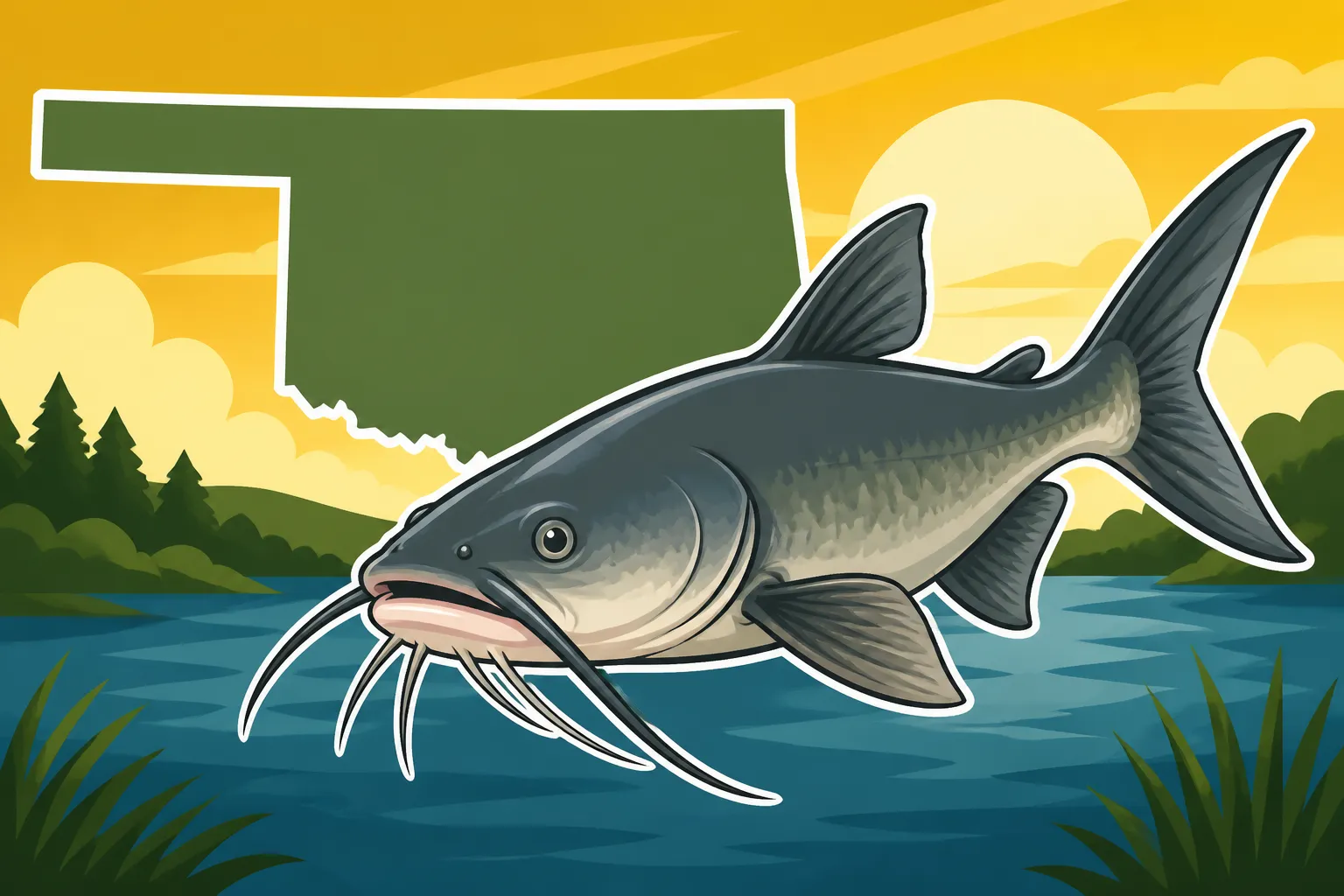
Let's talk about those tails! It sounds simple, but a quick glance at the tail can save you a lot of headache. Forked-tail catfish are exactly what they sound like: their caudal fin (the tail fin) has a noticeable fork or V-shape. Within this group, two species dominate Oklahoma waters and angler interest: the blue catfish and the channel catfish. While they both share that characteristic fork, there are other distinguishing features that are important to recognize.
-
Blue Catfish Characteristics
Blue catfish are the largest of North America's catfish species and are renowned for their impressive size and fighting spirit. In Oklahoma, they can reach gargantuan proportions, making them a prime target for trophy hunters. Key characteristics beyond their deeply forked tail include a relatively straight anal fin (the fin on the underside near the tail) with a higher ray count, typically between 30-35 rays. Larger specimens often develop a distinct humped back profile, and their coloration is a beautiful bluish-gray, often fading to white on the belly. They generally have no spots, even when young, which helps distinguish them from their spotted cousins. If you're wondering, How Big Do Blue Catfish Get in Oklahoma, you'll be impressed by the state records!Another subtle but important identification point for blue catfish is their head shape. It's often more conical and pointed than a channel catfish, especially in larger adults. They have a tougher, more leathery skin compared to channel cats. When you land one of these giants, you'll feel the power they possess, and their distinct features truly set them apart as the kings of Oklahoma's catfish scene.
-
Channel Catfish Traits
Channel catfish are probably the most recognized and widely distributed catfish in Oklahoma, found in just about every lake, pond, and river. They also possess a deeply forked tail, though often not as profoundly split as a blue cat's. Their anal fin is a key identifier: it's typically rounded or gently curved and has a lower ray count, usually between 25-29 rays. Younger channel catfish are easily identified by their scattered black spots, which tend to fade as they age, sometimes disappearing entirely in very old fish. Their coloration is usually olive-brown to slate-gray on the back and sides, with a white or off-white belly. They typically don't grow as large as blue catfish, making them more common table fare for many anglers. When trying to tell the difference, remember that in a Channel Catfish vs Blue Catfish vs Flathead Catfish in Oklahoma comparison, the tail and anal fin are your first clues.Their head is also usually smaller and more rounded in comparison to a large blue catfish. While they might not reach the sheer size of a blue cat, a big channel cat still puts up a fantastic fight and can be a wonderful reward for an angler. Many anglers appreciate their accessible nature and the sheer abundance across the state, making them a staple for family fishing trips and casual outings.
Why the Distinction Matters for Limits
Now, you might be thinking, "What's the big deal if they both have forked tails?" Well, when it comes to fishing regulations, details matter, and Oklahoma's wildlife department carefully crafts rules to manage different fish populations. These regulations aren't arbitrary; they're based on scientific data about growth rates, reproductive success, and population health for each species.
-
Regulatory Focus on Specific Species
While blue catfish and channel catfish are often grouped together under the "forked-tail" umbrella for general bag limits, there's a specific, crucial exception for blue catfish that doesn't apply to channel cats. This difference directly impacts what you can legally keep. The Oklahoma Department of Wildlife Conservation (ODWC) recognizes the blue catfish's potential for trophy size and its slower growth rate, leading to special protective measures for larger individuals. Understanding these nuances is key to adhering to Oklahoma's Catfish Fishing Rules and Limits. Without these specific rules, populations of large, breeding fish could quickly dwindle, impacting the overall health and future of the fishery. It's a fine balance between allowing anglers to harvest their catch and ensuring the long-term sustainability of the resource.The ODWC also uses these specific regulations to promote different types of fishing experiences. By protecting larger blue catfish, they help maintain a trophy fishery that attracts anglers from far and wide, adding economic value to local communities while preserving the genetic potential for truly massive fish. It's a strategic approach to managing a highly valued game species.
-
Impact on Conservation Efforts
Every regulation, especially those regarding size and bag limits, is a tool for conservation. By having distinct rules for the "trophy" class of blue catfish, the ODWC aims to ensure that a healthy population of large, breeding fish remains in the water, contributing to the next generation of giants. These larger, older fish are often the most successful spawners, producing more resilient offspring. This targeted approach helps prevent overfishing of larger, more mature fish, which are vital for a sustainable fishery. Ignoring these distinctions can inadvertently harm the very populations we love to fish, undermining future opportunities for ourselves and other anglers.Moreover, these regulations help maintain the ecological balance of Oklahoma's aquatic ecosystems. Catfish play a crucial role as scavengers and predators, and a healthy population contributes to the overall health of lakes and rivers. By understanding and respecting these rules, anglers become active participants in the conservation process, ensuring that the thrill of catching a big blue cat remains a possibility for generations to come.
Statewide Forked-Tail Catfish Daily Bag Limits
Alright, let's get down to the numbers, because this is where a lot of anglers get tripped up. The statewide regulations for forked-tail catfish in Oklahoma are generally pretty straightforward, but that one exception for big blue cats is what you absolutely have to remember. It’s all designed to manage fish populations effectively and ensure there are plenty of whiskered beauties for everyone for years to come.
The General 15-Fish Rule
For the vast majority of your catfish outings in Oklahoma, this is the rule you'll be living by. It’s the baseline that applies across most of the state's waters, allowing for a generous harvest while still protecting the overall population.
-
How the Bag Limit Works for Blue and Channel Catfish
The standard daily bag limit for forked-tail catfish in Oklahoma is 15 fish. This means that in any 24-hour period, from midnight to midnight, you can legally harvest a combined total of up to 15 blue catfish and channel catfish. It doesn't matter if you caught 10 channel cats and 5 blue cats, or 15 channel cats and no blue cats—the total count cannot exceed 15. This rule is designed to allow anglers to enjoy a productive day of fishing without putting undue pressure on the overall catfish population. Remember, these are the 15-Fish Catfish Limit for Oklahoma Anglers everyone talks about.This limit applies whether you're fishing from a boat, off the bank, or using traditional methods like trotlines or juglines, provided those methods are also legal in the specific area you're fishing. It's about your individual harvest for the day, regardless of your technique. Keep track of your catch, especially if you're out with multiple people, to ensure nobody in your party inadvertently exceeds their personal limit.
-
Counting Mixed Bags: Blue and Channel Combined
This is where it's easy to make a mistake if you're not paying close attention. The 15-fish limit isn't 15 blue cats and 15 channel cats; it's 15 total of both species. So, if you're targeting both and having a great day, keep a running tally in your head (or on a stringer!). Imagine you've pulled in seven nice channel catfish and then you start hooking into some feisty blue cats. Once you hit a combined total of fifteen, it's time to either switch to catch and release, or pack up for the day. This combined approach is part of Oklahoma's Catfish Rules for Blue and Channel Combined and helps manage both species effectively.It's important to differentiate this from species that have individual limits. For some fish, like crappie, there's a statewide limit, but forked-tail catfish are grouped together. This means you need to be mindful of the total number of both species you decide to keep. If you accidentally keep more than 15 total, even if you thought they were different categories, you could still be in violation.
Understanding the 30-Inch Blue Catfish Exception
This is the big one, literally, for blue catfish. Oklahoma recognizes the exceptional growth potential of blue catfish and has implemented a specific protective measure for the biggest specimens. You can certainly catch a giant blue cat, but keeping it comes with a special condition.
-
The 'One Fish Over 30 Inches' Rule
Among your daily bag limit of 15 forked-tail catfish, there's a strict rule concerning blue catfish that measure over 30 inches in length. You are allowed to keep only one blue catfish per day that is 30 inches or longer. This means if you catch a 32-inch blue cat and decide to keep it, that's your one big fish for the day. Any other blue catfish you keep must be under 30 inches, and those still count towards your overall 15-fish limit. This specific regulation is frequently highlighted as The 30-Inch Blue Catfish Exception Explained in state guides. Many anglers wonder, Can You Keep Two Blue Catfish Over 30 Inches? The answer is a clear no, not within a single daily bag.This rule applies even if you haven't caught your full 15-fish limit. For example, if you catch one 35-inch blue cat and then only 10 small channel cats, you've met your "one over 30 inches" quota and can only keep fish under 30 inches for the remaining part of your 15-fish general limit. This ensures that a diverse size range of blue catfish remains in the population.
-
Why This Rule Exists for Trophy Blues
The reasoning behind this "one over 30 inches" rule is purely conservation-driven. Large blue catfish are typically older, more mature, and often the most prolific spawners in a population. By limiting the harvest of these larger fish, the state aims to protect the breeding stock, ensuring that these impressive genetics continue to propagate. It also encourages catch-and-release for those truly massive, once-in-a-lifetime fish, helping to maintain a healthy population of trophy-sized blue cats in Oklahoma's waters. This policy is a cornerstone of Why Only One Blue Catfish Over 30 Inches Counts towards your daily take. It's all about balancing angler opportunity with long-term ecological health.Think of it as an investment in the future of Oklahoma's catfishing. By allowing these large, reproductively valuable fish to remain in the water, the ODWC is working to ensure that future generations of anglers will also have the chance to battle truly monstrous blue catfish. It's a testament to the value placed on these magnificent fish and the incredible experiences they provide.
Specific Lake and River Catfish Regulations
While statewide limits are your general guideline, here's a crucial piece of advice: always, always check for local regulations! Just like how the speed limit might drop when you enter a town, fishing rules can become more specific or restrictive depending on the particular body of water you’re on. Oklahoma has a diverse range of lakes and rivers, and the biologists managing these areas often implement tailored rules to suit local conditions and fish populations.
When Local Rules Override Statewide Limits
It’s easy to assume that if you know the statewide rules, you're good to go anywhere. Unfortunately, that’s a common pitfall. Many of Oklahoma's most popular fishing destinations, especially larger reservoirs and specific river stretches, have their own unique set of regulations that can differ significantly from the general state rules. These are often put in place to address specific conservation needs, promote trophy fisheries, or manage unique ecological conditions.
-
Examples of Lake-Specific Regulations
Imagine heading to a renowned catfish lake like Lake Texoma, for instance. While it shares the border with Texas, which often has different rules, the Oklahoma side might also have specific management plans. You might find a different size limit, or even a modified daily bag for certain species of catfish, particularly if it's a lake known for producing exceptionally large blue cats, or if a particular fishery needs a boost. For example, some lakes might have a slot limit, where fish within a certain size range must be released to protect intermediate-sized breeders. Always double-check the latest ODWC fishing guide or website for the specific lake you plan to visit. Ignoring these local variations could lead to unintentional violations. This applies not just to catfish, but also to other species, as seen in topics like Stricter Crappie Limits at Six Oklahoma Lakes.Another example could be a smaller, intensely managed lake where the ODWC is trying to establish a new trophy fishery. Here, they might impose even stricter size limits or a reduced bag limit specifically for blue or channel catfish to allow the population to mature. It's never safe to assume; a few minutes of research can save you a lot of grief.
-
Checking Local Regulations Before You Go
Before you even load up your gear and head out, make it a habit to consult the Oklahoma Department of Wildlife Conservation’s current fishing regulations guide. This invaluable resource is updated annually and details all statewide and site-specific rules. You can usually find it online as a PDF, or pick up a physical copy at bait shops, sporting goods stores like Academy Sports + Outdoors, or ODWC offices. A quick search on your phone or computer can prevent a costly mistake. Don't rely on old information or hearsay from a buddy. Regulations change, and it's your responsibility as an angler to know the current rules for the exact body of water you’ll be fishing.I always keep a digital copy of the current regulations on my phone, just in case I have spotty service or forget a specific detail. It's a small habit that provides immense peace of mind. A little bit of proactive effort goes a long way in ensuring your trip is enjoyable and compliant.
River System Specifics for Catfish
Fishing rivers often presents a different set of challenges and, sometimes, different regulations compared to stillwater lakes. Oklahoma's river systems, from the Red River to the Arkansas River, offer incredible catfishing opportunities, but their dynamic environments sometimes warrant distinct rules.
-
Impact of River Sizes and Flow on Rules
River systems are constantly changing, with varying water levels, currents, and habitat features. These factors influence fish populations and can lead to specific regulations tailored to a particular river stretch. For instance, a smaller, slower-moving river might have different blue catfish populations compared to a large, fast-flowing one, necessitating different management strategies. Some regulations might pertain to specific gear types allowed on rivers versus lakes, or even restrictions on certain times of the year, especially during spawning seasons for various species. Anglers targeting Best Rivers and Streams for Channel Catfish should be especially diligent.Rivers can also be more susceptible to environmental changes like floods or droughts, which can temporarily impact fish populations. Biologists may implement emergency regulations or modify existing rules to protect fish during vulnerable periods. Staying informed about these potential changes, perhaps by checking the ODWC website or local news, is part of being a responsible river angler.
-
Navigating River Boundaries
This is particularly important for border rivers, like the Red River which separates Oklahoma and Texas. Reciprocity agreements sometimes exist, allowing anglers with a license from one state to fish in certain parts of the other, but the regulations regarding bag and size limits might still default to the state in whose waters you are physically fishing. For example, Texas Anglers Fishing in Oklahoma Waters need to understand these nuances. Always carry both state licenses if fishing a border river, and be absolutely clear on which state's regulations apply to your current location. A GPS unit on your boat or phone can be a lifesaver in these situations, helping you determine exactly which side of the river you're on and thus, which set of rules you must follow. It’s an extra step, but it’s critical for avoiding issues.Even if you're not on a border river, different stretches of the same river within Oklahoma might have specific rules due to dams, management zones, or unique ecological features. Always treat each distinct body of water as potentially having its own set of guidelines, and never assume one rule applies to all.
The Importance of Accurate Fish Identification and Measurement
It might sound silly, but being able to correctly identify the species of catfish you've caught, and then accurately measure it, is paramount. This isn't just about showing off your catch; it's fundamental to complying with those specific bag and size limits we just talked about. A mistake here, no matter how innocent, can lead to a violation.
Key ID Tips for Forked-Tail Catfish
Even seasoned anglers can sometimes get mixed up, especially with juvenile fish. But paying attention to a few key features will help you distinguish between a blue cat and a channel cat, which is vital when that 30-inch blue cat rule comes into play.
-
Tail Shape and Fin Characteristics
While both are "forked-tail," the degree of the fork can be a subtle clue. Blue catfish typically have a deeper, more pronounced fork in their tail, giving it a sharper V-shape. More reliably, look at the anal fin. Remember, the anal fin is on the underside of the fish, behind the vent, before the tail. Channel catfish have a rounded or gently curved anal fin with fewer rays (25-29). Blue catfish have a straighter, longer anal fin with more rays (30-35). Counting those rays is a definitive way to tell them apart, though it requires a bit of careful observation. Take a moment to gently spread the fin and count the thin, bone-like structures. This can make all the difference in understanding Mixing Blue and Channel Catfish in Your Daily Limit for your limits.It's also worth noting the presence or absence of a "membrane" on the fin rays. Channel cats often have a more prominent membrane, whereas blue cats' fins can appear a bit more skeletal in comparison, especially on their dorsal and pectoral fins. These small details, when combined, paint a clearer picture of the species.
-
Coloration and Body Shape Differences
Beyond the fins, coloration and body shape are good secondary indicators. As mentioned, juvenile channel catfish usually have distinct dark spots, which tend to fade as they grow larger. Blue catfish, on the other hand, rarely have spots at any age, even when young. Their color is typically a uniform bluish-gray on the back and sides, contrasting with the channel cat's olive-brown or slate-gray. Larger blue cats often develop a noticeable hump on their back, giving them a more robust, "tank-like" appearance compared to the more streamlined channel catfish. If you're comparing them side-by-side, these differences become much clearer.Also consider the head size in proportion to the body. Blue catfish, especially the larger ones, tend to have a larger, broader head. Channel catfish, even big ones, usually have a proportionally smaller and narrower head relative to their body length. Observing all these characteristics together rather than relying on just one will significantly improve your identification accuracy.
Proper Measurement Techniques
You've identified your fish; now, how do you know if it's over 30 inches? This isn't a "guesstimate" situation. Game wardens carry measuring devices, and they expect you to be accurate.
-
From Snout to Tail Tip
When measuring fish in Oklahoma, the standard is "total length." This means you measure from the tip of the snout (with the mouth closed) to the furthest tip of the tail, with the tail squeezed together. You don't measure along the curve of the body; you want a straight-line measurement. Lay the fish flat on a measuring board or against a tape measure, ensuring it's as straight as possible. Don't pinch the tail if it's naturally splayed out; gently compress it to get the maximum length. This precise measurement is critical for that The 30-Inch Blue Catfish Exception Explained.A common mistake is to let the tail lie naturally splayed out, which will give you a shorter measurement than the true total length. Always gently squeeze the tail lobes together to get the full length of the longest caudal ray. This can easily make a difference of an inch or two, which could mean the difference between a legal fish and a violation, especially for fish close to the 30-inch mark.
-
Tools to Ensure Accuracy
Having the right tools on your boat or in your tackle bag makes this process simple and eliminates guesswork. A good, rigid measuring board is ideal for smaller fish. For larger catfish, a sturdy, retractable tape measure that's clearly marked in inches is essential. You can find durable, waterproof measuring tapes and bump boards on platforms like Amazon, specifically designed for anglers. I recently picked up a reliable, floating measuring tape from Amazon, and it's been a game-changer for quick, accurate measurements without worrying about losing it overboard. Many experienced anglers also suggest checking Amazon reviews for products like the Ketch Board or Rapala folding ruler to ensure you're getting something robust and easy to use in varying conditions. Having a clearly legible measuring device means you can quickly and accurately assess your catch, reducing the time the fish is out of the water if you intend to release it, or confidently keeping it if it meets the legal requirements. Don't rely on a flimsy cloth tape measure that can stretch or get wet and warp. Remember, a small investment in accurate measuring tools from retailers like Amazon can save you a lot of hassle and potential fines down the road. This thoughtful preparation, easily aided by a quick browse on Amazon for the right gear, ultimately contributes to a smoother, more enjoyable day on the water.
Penalties and Enforcement for Violating Catfish Limits
Nobody wants to face a game warden with a citation in hand, but unfortunately, it happens. Whether it's an honest mistake or a deliberate disregard for the rules, violating fishing limits in Oklahoma carries real consequences. It's not just about paying a fine; it can affect your future fishing opportunities and reputation as an ethical angler.
What Happens if You Exceed the Limit
The exact penalties can vary depending on the severity of the violation, the number of fish over the limit, and whether it's a repeat offense. But make no mistake, exceeding bag limits is a serious matter, and the Oklahoma Department of Wildlife Conservation takes it very seriously.
-
Fines and Legal Consequences
If you're caught with more fish than the legal limit, or with an illegally sized fish, you can expect to receive a citation. Fines for such violations can range from several hundred dollars, and in some cases, can be compounded by additional fees for each illegal fish. For example, if you're found with five channel cats over the 15-fish limit, you're not just facing a single charge; each additional fish can add to the penalty. Beyond monetary fines, serious or repeated offenses can even lead to your fishing license being suspended or revoked. This can be a significant blow for anyone who cherishes their time on the water. It’s definitely a situation you want to avoid, as outlined in topics like Penalties for Fishing Without a License in Oklahoma, which are similarly stringent.The court process for these citations can also be an inconvenience, requiring appearances that take you away from work or other commitments. Additionally, a conviction can appear on your record, potentially impacting other aspects of your life. It's a sobering reminder that fishing regulations are indeed laws, and they are enforced with real legal power.
-
Potential Loss of Fishing Privileges
Imagine having your fishing license taken away. For many of us, fishing isn't just a hobby; it's a way of life, a connection to nature, and a source of relaxation and sustenance. Losing the privilege to fish in Oklahoma can be a devastating consequence. The ODWC takes resource management very seriously, and one of their most effective tools for ensuring compliance is the power to suspend or revoke licenses. This isn't just a temporary inconvenience; it could mean missing out on an entire season or even longer, proving that the cost of violating limits goes far beyond a simple fine.The length of a suspension can vary, from a few months to several years, depending on the severity and frequency of violations. This also affects your ability to purchase new licenses, not just in Oklahoma but potentially in other states through reciprocity agreements. It truly underscores the importance of adhering to all regulations, not just to avoid a fine, but to protect your ability to enjoy the sport you love.
Role of Oklahoma Game Wardens
These dedicated professionals are not just there to catch rule-breakers; they are vital stewards of Oklahoma's natural resources and educators for the public. Understanding their role can help foster a cooperative relationship rather than an adversarial one.
-
Their Authority and Responsibilities
Oklahoma Game Wardens are fully commissioned state peace officers, meaning they have the authority to enforce all state laws, not just wildlife regulations. Their primary responsibility, however, is to protect and conserve Oklahoma's fish and wildlife resources. This includes patrolling lakes, rivers, and remote areas, checking licenses (like your Oklahoma Resident Annual Fishing License Cost or Nonresident Annual Fishing License Cost in Oklahoma), inspecting catches, and educating anglers about regulations. They also investigate wildlife crimes, respond to emergencies, and often assist in search and rescue operations. When a game warden approaches you, they are simply doing their job to ensure fair play and sustainable practices for everyone.These wardens spend countless hours on the water and in the field, often in remote locations, to ensure compliance and monitor wildlife populations. They are often the first point of contact for outdoor enthusiasts and play a crucial role in public safety, education, and resource protection. Recognizing their diverse responsibilities can help us appreciate their presence and purpose.
-
Importance of Cooperation
When a game warden requests to inspect your license or your catch, it's always best to be polite, cooperative, and honest. They're often looking for information and trying to ensure that everyone is following the rules, which ultimately benefits the fishery and all ethical anglers. Having your fishing license readily available and your catch organized can make the process quick and painless. Trying to hide fish, argue, or be uncooperative will only escalate the situation and can lead to additional charges. Remember, they are protecting the resources that we all enjoy, and a little respect goes a long way.A friendly demeanor and a willingness to comply make their job easier and your interaction much smoother. Most wardens are passionate about fishing and wildlife themselves, and they are usually happy to answer questions or clarify regulations if approached respectfully. Establishing a positive relationship with enforcement helps everyone contribute to a thriving outdoor recreation environment in Oklahoma.
Oklahoma Catfish Limits at a Glance
For a quick reference on the general statewide rules for catfish in Oklahoma, here's a helpful table. Remember that local regulations can always supersede these general rules, so always verify for your specific fishing location!
| Catfish Species Type | Statewide Daily Bag Limit (Combined) | Special Size Limit Rule | Applies To |
|---|---|---|---|
| Forked-Tail Catfish (General) | 15 Fish | None | All Blue & Channel Catfish < 30 inches |
| Blue Catfish (Specific) | Included in 15-Fish Limit | Only 1 fish >= 30 inches total per day | Blue Catfish >= 30 inches |
| Flathead Catfish | 10 Fish | None (different species, different rules) | All Flathead Catfish |
| Bullheads | None | None (different species, no specific limit) | All Bullhead species |
Disclaimer
Please note that fishing regulations are subject to change. While every effort has been made to provide accurate and up-to-date information, it is the angler's responsibility to consult the official Oklahoma Department of Wildlife Conservation (ODWC) fishing regulations guide before heading out on the water. This article is intended for informational purposes only and should not be considered a substitute for the official rulebook.