Arbuckle vs Tenkiller Crappie Limits Side by Side
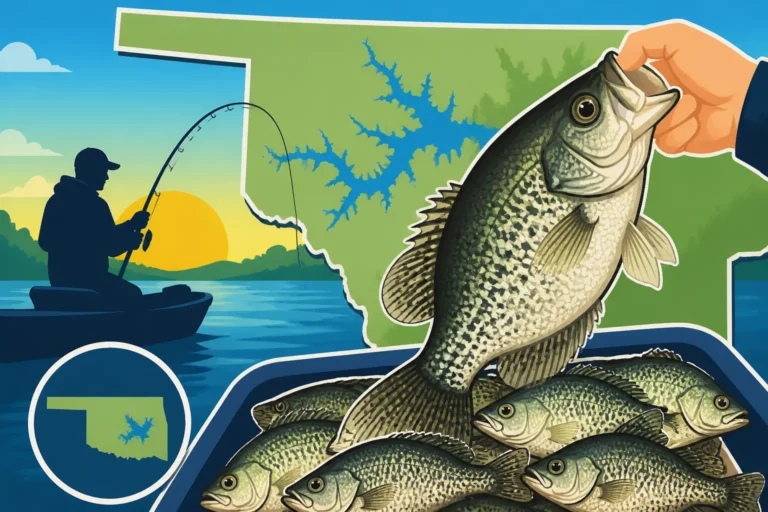
It's incredibly frustrating when you're planning a crappie fishing trip, looking at different lakes, and then realize the rules aren't as straightforward as a simple statewide limit. You might hear whispers about certain lakes having special regulations, and it can throw a real wrench in your tackle box preparation. This guide is here to clear up the confusion specifically around crappie limits for two popular Oklahoma destinations: Lake Arbuckle and Tenkiller Ferry Lake, detailing exactly what you need to know before you cast a line.
Understanding Oklahoma's Crappie Fishing Landscape
Before we dive specifically into Lake Arbuckle and Tenkiller, it’s crucial to understand that Oklahoma doesn't have a single, universal crappie rule across all its waters. While there's a generous statewide limit, some of our most beloved lakes have stricter regulations in place. This isn't just to make your life harder; it's a carefully considered effort by the Oklahoma Department of Wildlife Conservation (ODWC) to protect and enhance the crappie populations in those specific fisheries. Ignoring these localized rules can lead to fines and a disappointing day on the water, so staying informed is truly your best defense. It's really worth reading up on the general Crappie Fishing Rules and Limits in Oklahoma to get a baseline before tackling specific lakes.
The Statewide Crappie Limit Baseline
For most of Oklahoma's lakes, rivers, and ponds, the standard crappie limit is quite generous. Anglers can typically keep 37 crappie per day, and there's usually no minimum length requirement. This means if you're fishing a local farm pond or a smaller reservoir not listed under special regulations, you can fill your cooler with a good number of slab crappie, regardless of their size, as long as they're legal to possess. This standard limit reflects a healthy, abundant crappie population in many areas that can sustain a higher harvest rate without impacting the future of the fishery. Many anglers find this statewide allowance to be more than enough for a fantastic day out, especially when targeting pan-sized fish for a family meal.
Why Some Lakes Have Stricter Regulations
So, why the deviation from the norm? The ODWC implements stricter limits on certain lakes for a variety of ecological reasons. Often, these lakes are known for producing larger, trophy-sized crappie, or their specific habitat and forage base might make their crappie populations more susceptible to overfishing. By imposing a minimum length limit, such as the common 10-inch rule, the department ensures that crappie have a chance to reach sexual maturity and reproduce at least once, contributing to future generations of fish. A reduced daily bag limit, like the 15-fish rule we'll discuss, also helps spread the harvest among more anglers and prevents any single individual from heavily impacting the population. These are strategic management decisions designed to create more sustainable and high-quality fishing experiences in particular locations. It's a nuanced approach, and understanding "Why Bag Limits Change From Lake to Lake" can give you a better appreciation for these efforts.
Lake Arbuckle's Crappie Regulations
Lake Arbuckle, nestled in the scenic Arbuckle Mountains near Sulphur, is a fantastic fishery known for its clear water and excellent bass and crappie populations. However, it's one of those specific lakes where the crappie rules diverge from the statewide standard. If you're planning a trip to this beautiful spot, paying close attention to these particular regulations is paramount.
The 10-Inch Minimum Length Rule
When you're reeling in crappie at Lake Arbuckle, you can't just toss every fish you catch into the livewell. The lake enforces a strict 10-inch minimum length limit for crappie. This means that any crappie you catch that measures less than 10 inches from the tip of its snout to the end of its tail must be immediately released back into the water. This rule is a cornerstone of the lake's management strategy, aimed at ensuring the crappie population has ample opportunity to grow and reproduce. For an angler, it means you'll need to have a reliable measuring device on hand. Many experienced Arbuckle anglers keep a small, waterproof ruler or a measuring board easily accessible on their boat or in their tackle box, often purchased from places like Amazon, to quickly check their catches. Catching a lot of smaller crappie can be fun, but remember, if they're under that 10-inch mark, they need to go back. This focus on size is a major reason why Arbuckle is listed among the Stricter Crappie Limits at Six Oklahoma Lakes.
The 15-Fish Daily Bag Limit
In addition to the length limit, Lake Arbuckle also has a reduced daily bag limit for crappie. While the statewide limit is a generous 37 fish, at Arbuckle, you are only permitted to keep a maximum of 15 crappie per day. This applies to both black and white crappie combined; you can't keep 15 of each. This reduced bag limit, coupled with the 10-inch minimum, creates a different fishing dynamic. It encourages anglers to target larger, more mature fish and reduces the overall harvest pressure on the lake's crappie stocks. If you're used to filling a stringer with dozens of crappie, you'll need to adjust your expectations and focus your efforts on quality over quantity when fishing Lake Arbuckle. This regulation also implicitly means that you should be mindful of how many fish you're keeping throughout the day. If you catch your limit early, it's time to either switch species or enjoy the scenery for the rest of your trip. More details can be found under the specific Arbuckle Lake Crappie Rules in Oklahoma.
Tenkiller Ferry Lake's Crappie Regulations
Moving to the eastern part of the state, Tenkiller Ferry Lake, often simply called Lake Tenkiller, offers breathtaking scenery and fantastic fishing opportunities, especially for crappie. Similar to Arbuckle, Tenkiller is another one of Oklahoma's premier crappie fisheries that operates under special regulations to maintain its renowned quality.
The 10-Inch Minimum Length Requirement
Just like Lake Arbuckle, Tenkiller Ferry Lake also enforces a 10-inch minimum length limit for crappie. This means that any crappie caught in Tenkiller that doesn't measure at least 10 inches must be carefully released. This regulation is particularly important for a lake like Tenkiller, which is known for its clear waters and deep structure, ideal for growing big crappie. The 10-inch rule helps protect the younger, smaller crappie, allowing them to mature and contribute to the breeding population. Anglers often find themselves fishing deeper brush piles and submerged timber on Tenkiller, and it’s not uncommon to pull up several smaller crappie before finding those legal-sized slabs. It's a testament to the lake's management that anglers consistently report catching good-sized fish, a direct result of rules like the Tenkiller Lake's 10-Inch Crappie Minimum. Always have your measuring tape ready, perhaps one you picked up at a bait shop or through an online retailer like Amazon, to avoid any issues.
The 15-Fish Daily Bag Limit
Matching Lake Arbuckle, Tenkiller Ferry Lake also limits anglers to a daily bag of 15 crappie. Again, this is a combined limit for both black and white crappie. This limit is considerably lower than the statewide 37-fish allowance, emphasizing the lake's focus on sustainable, quality crappie fishing. For many anglers, catching 15 crappie that are all 10 inches or longer is still a fantastic day on the water and provides plenty of fish for a delicious meal. This regulation shifts the focus from sheer numbers to the size and health of the individual fish. Knowing you only have a 15-fish limit often encourages anglers to be more selective, perhaps practicing catch and release on fish that are just barely legal, hoping to find an even larger one. It also means that if you're out with a group, each individual angler is subject to their own 15-fish limit, assuming they have their own valid Fishing License Requirements in Oklahoma.
Side-by-Side Comparison: Arbuckle vs. Tenkiller Crappie Limits
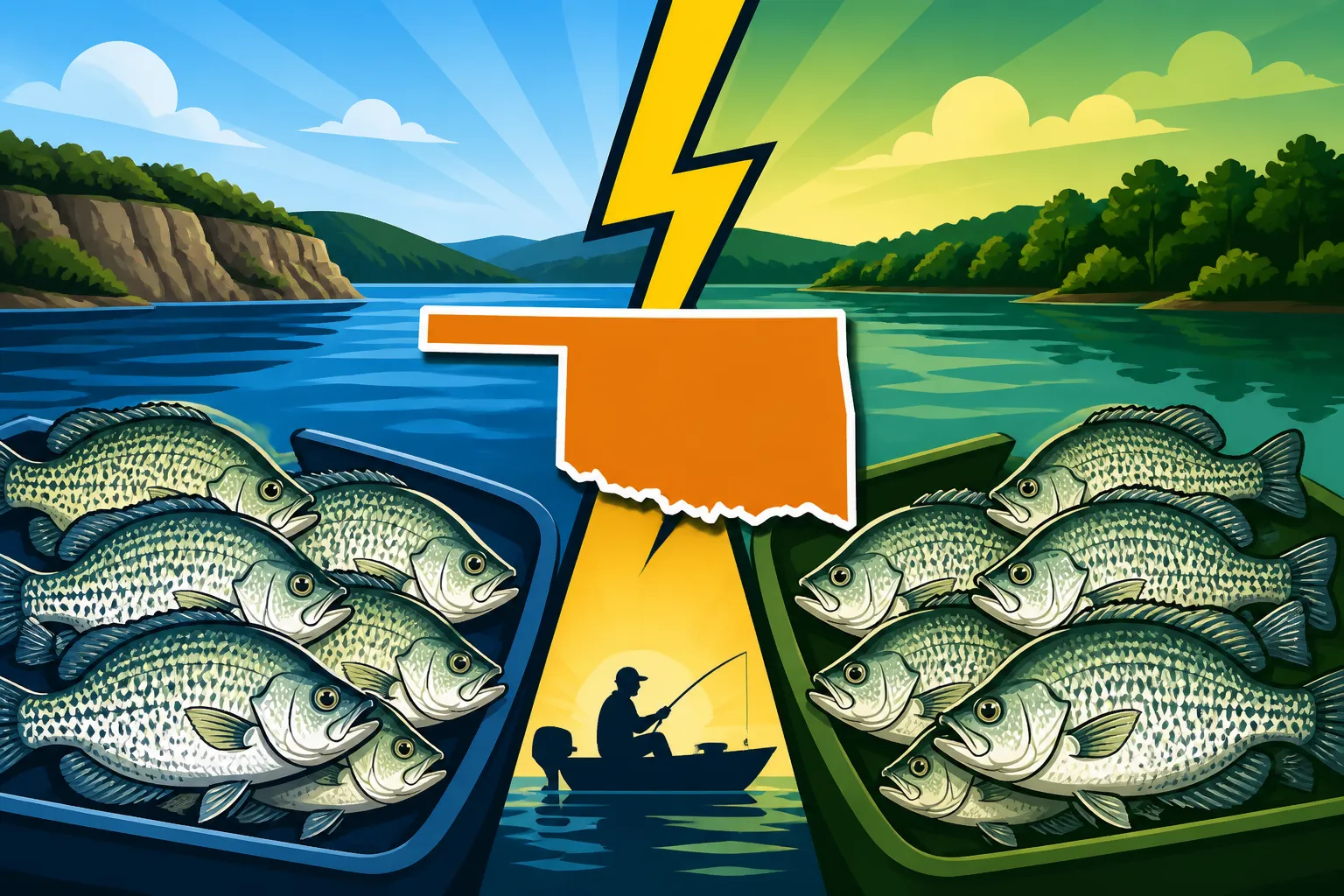
When you look at the raw numbers, the crappie limits for Lake Arbuckle and Tenkiller Ferry Lake are identical: both require a 10-inch minimum length and impose a 15-fish daily bag limit. This might seem simple on the surface, but understanding the nuances of how these rules apply and impact fishing strategies on each lake is where the real knowledge lies.
Identical Rules, Different Waters
While the regulations are numerically the same, the fishing experience and the ecological reasons behind them are subtly different for each lake. Lake Arbuckle is a relatively small, deep, clear-water lake, known for its pristine conditions and excellent crappie habitat in its numerous coves and timbered areas. The 10-inch minimum and 15-fish limit help maintain a healthy, large-fish population in a somewhat more contained system. Anglers often target brush piles and submerged structure, which can be found relatively quickly across the lake.
Tenkiller Ferry Lake, on the other hand, is a much larger reservoir with diverse topography, ranging from deep, clear main lake areas to shallower, timber-filled arms. Its size means crappie populations are spread out, and the management aims to ensure consistent quality across a vast body of water. The identical rules here ensure that even with higher fishing pressure due to its popularity, the crappie fishery remains robust. Anglers often spend more time navigating and searching for active crappie schools across Tenkiller's expansive waters.
Here's a quick reference table to lay it all out:
| Regulation Detail | Lake Arbuckle Crappie Limits | Tenkiller Ferry Lake Crappie Limits | Statewide Crappie Limits (for comparison) |
|---|---|---|---|
| Minimum Length Limit | 10 inches | 10 inches | No minimum length |
| Daily Bag Limit | 15 crappie (combined) | 15 crappie (combined) | 37 crappie (combined) |
| Applies To | Black and White Crappie | Black and White Crappie | Black and White Crappie |
| Enforced By | ODWC Game Wardens | ODWC Game Wardens | ODWC Game Wardens |
Strategic Implications for Anglers
Knowing these identical, yet distinctively applied, rules helps you tailor your approach. For both lakes, having a reliable ruler is non-negotiable. Don't guess, measure! If you're unsure about the exact measurement technique, brush up on How Many Crappie You Can Keep in Oklahoma, which often includes visual guides. For Arbuckle, given its clear water, sight fishing for crappie on beds during the spawn can be incredibly effective, but you'll need to be extra diligent about that 10-inch rule as smaller males might be guarding nests. On Tenkiller, due to its size, using electronics to locate schooling crappie in deeper water or around brush piles becomes even more critical. Both lakes reward patience and a focus on larger bait presentations or techniques designed to entice bigger fish, rather than simply trying to catch as many as possible.
You'll also want to consider your tackle. Lighter jigs might catch more fish, but for 10-inch minimum lakes, sometimes a slightly larger jig or a minnow on a bigger hook can naturally select for bigger crappie. You can find a vast array of appropriate crappie jigs and minnow rigs on Amazon to prepare for your trip.
Planning Your Crappie Trip to Either Lake
Whether you choose Lake Arbuckle or Tenkiller Ferry Lake for your next crappie adventure, a little preparation goes a long way. Beyond understanding the specific regulations, thinking about the time of year, your gear, and local conditions will drastically improve your chances of success. It's not just about the rules, it's about the whole experience.
Pre-Trip Checklist and Resources
Before you even load up the boat or pack your bank fishing gear, make sure you've covered the basics. First and foremost, verify that your Oklahoma Fishing License Requirements in Oklahoma are up to date. This is non-negotiable for any angler over the age of 16. You can easily check this online or purchase one through the ODWC website. Next, double-check the specific regulations for the lake you plan to visit, as rules can sometimes be updated. The ODWC's current fishing guide is the best resource for this.
Consider the season: are you planning a trip during the spring spawn, when crappie are shallow and actively biting? Or are you aiming for a fall bite when they move to deeper structure? Your tactics will change significantly based on the time of year. For instance, in spring, crappie might be found in very shallow, brushy areas, while in summer, they'll retreat to deeper, cooler waters. You can learn a lot by looking at the best Crappie Fishing Techniques and Seasonal Patterns in Oklahoma.
Finally, ensure your gear is appropriate for the task. For 10-inch minimum lakes, many anglers opt for lighter but sensitive rods to feel those subtle crappie bites, paired with small spinning reels spooled with light line. Don't forget a dependable measuring device! Having a good depth finder or fish finder can also be invaluable, especially on larger, deeper lakes like Tenkiller, to locate those crucial crappie holding spots.
Adapting Your Fishing Strategy
Since both lakes demand a 10-inch minimum, your strategy should focus on quality. This might mean using slightly larger jigs (1/16 to 1/8 oz) or live minnows as bait, which tend to attract bigger fish. When you catch a crappie that's under the legal limit, handle it with care to ensure its best chance of survival. Wet your hands before touching the fish, and try to remove the hook quickly. If the fish is deeply hooked, consider cutting the line rather than trying to rip the hook out, which can cause internal damage.
For both Lake Arbuckle and Tenkiller, identifying structure is key. Look for submerged brush piles, standing timber, rock ledges, and creek channels using your electronics. Crappie will often congregate around these features, especially during colder months. During the warmer spring spawn, they will move to shallower areas, often near emergent vegetation or woody debris. Knowing what to look for and how to approach these spots can make all the difference, helping you quickly identify areas where you're likely to find those legal-sized slabs. Remember, whether you're at Lake Arbuckle or Tenkiller, the goal is not just to catch fish, but to catch legal fish, so focusing your efforts on quality habitats will pay off.
Disclaimer
Please note that fishing regulations can change. While every effort has been made to provide accurate and up-to-date information, it is always the angler's responsibility to consult the most current Oklahoma Fishing Regulations Guide published by the Oklahoma Department of Wildlife Conservation (ODWC) before fishing. This guide is for informational purposes only and should not be considered legal advice.