Fishing Regulations You Need to Know in Oklahoma
Navigating Oklahoma's fishing regulations can feel like trying to untangle a bird's nest of fishing line – confusing, frustrating, and prone to giving you a headache. Nobody wants to accidentally break a rule and face a fine when all they want is a peaceful day on the water. This comprehensive guide is here to simplify Oklahoma's fishing regulations, from licenses to limits, so you can cast your line with confidence and enjoy everything the Sooner State's waters have to offer.
Understanding Your Basic Fishing License Requirements in Oklahoma
Before you even think about baiting a hook or casting a line into one of Oklahoma’s beautiful lakes or rivers, securing the right fishing license is absolutely non-negotiable. It’s the first step to enjoying a legal and worry-free day of angling. The Oklahoma Department of Wildlife Conservation (ODWC) uses funds from license sales to manage fish populations, improve habitats, and maintain public access areas, so it's a vital part of keeping our fisheries healthy. Skipping this step isn't just a minor oversight; it can lead to significant penalties, spoiling your entire outing and potentially costing you far more than the license itself.
Who Needs a License and Who Doesn't
It's easy to get confused about who actually needs a license, especially when you're planning a family trip or fishing with friends of different ages. Generally, anyone 16 years of age or older needs a valid Oklahoma fishing license to fish in public waters. This isn't just for residents; non-residents hitting our waters also need to be properly licensed, often with different options available. However, there are some really important exemptions that can save you time and money, and it’s critical to know them before you head out.
For instance, residents who are under 16 years old are not required to purchase a fishing license. This is fantastic news for families looking to introduce their kids to the joy of fishing, making it more accessible for youngsters to get out on the water. Similarly, Oklahoma residents who are 65 years of age or older often qualify for special lifetime licenses or may have other exemptions, which is a great perk for our senior angling community. There are also specific "Free Fishing Days in Oklahoma" where licenses are waived for everyone, offering a fantastic opportunity to try fishing without the initial investment. Understanding these nuances is crucial for avoiding unexpected fines and ensuring everyone in your party is compliant. You can learn more about specific age requirements in our guide on Do Kids Need a Fishing License in Oklahoma?.
Residency Defined for Licensing Purposes
The term "resident" might seem straightforward, but for fishing license purposes in Oklahoma, it has a very specific legal definition. You can't just call yourself a resident if you own property here or visit frequently; there are strict criteria set by the ODWC. Typically, to be considered an Oklahoma resident, you must have resided in the state for at least six months immediately preceding your application for a license. This generally means your permanent domicile is here, and you don't claim residency in another state for any purpose.
Proof of residency is often required when you purchase a license, especially a lifetime or senior resident license. This could include a valid Oklahoma driver's license, state ID card, or even utility bills proving continuous residency. It’s not an arbitrary rule; it’s designed to ensure that the benefits of resident pricing are reserved for those who contribute to the state’s tax base and long-term fishing conservation efforts. If you’re unsure about your residency status, it’s always best to check the official ODWC regulations to avoid any hiccups, particularly when exploring options like the Oklahoma's Senior Fishing License Guide.
Where and How to Purchase Your License
Gone are the days when you had to trek to a specific government office to get your fishing license. The ODWC has made it incredibly convenient to purchase licenses, recognizing that anglers want to spend less time on paperwork and more time fishing. The easiest and most popular method is to buy your license online through the ODWC’s Go Outdoors Oklahoma portal. This platform is user-friendly, allowing you to select your license type, provide necessary information, and print your license or save it digitally to your phone within minutes. Many anglers appreciate this flexibility, especially when planning a spontaneous trip.
Beyond online purchases, licenses are also readily available at a vast network of authorized license vendors across the state. This includes many sporting goods stores like Academy Sports + Outdoors, tackle shops, and even some local convenience stores. These vendors are often staffed by knowledgeable folks who can help you choose the right license and answer basic questions. Always make sure to carry proof of your license, whether it's a physical copy or a digital version on your smartphone, as game wardens can and will ask to see it while you're out on the water. For more details, check out our guide on How to Buy an Oklahoma Fishing License Online.
Exploring the Different Types of Oklahoma Fishing Licenses
Oklahoma understands that not every angler’s needs are the same. Some folks live and breathe fishing year-round, while others might only get out a few times a year, or perhaps they're visiting from out of state. That's why the Oklahoma Department of Wildlife Conservation offers a variety of license types, each tailored to different situations. Knowing your options can help you pick the most cost-effective and appropriate license for your angling adventures, saving you money and hassle in the long run.
Annual vs. Short-Term Licenses
For the dedicated angler, the annual fishing license is usually the best bet. It provides coverage for an entire license year, which typically runs from January 1st to December 31st, regardless of when you purchase it. This means if you buy an annual license in July, it’s still valid until the end of December of that same year, not 365 days from purchase. The annual resident license is generally an affordable investment for those who plan to fish regularly, offering unrestricted access to Oklahoma's public waters for a full season. For non-residents, an annual license is also available, though at a higher price point, reflecting the non-resident contribution to state conservation efforts.
On the other hand, if you're just visiting Oklahoma for a weekend trip, or maybe you only get a chance to fish a couple of times a year, a short-term license might be more practical and economical. The 1-day or 6-day non-resident options are perfect for tourists exploring Lake Texoma or Grand Lake. Residents also have the option for a 1-day license, which can be great for a spur-of-the-moment outing or if you're just testing the waters of a new hobby. These short-term licenses are designed for convenience and flexibility, ensuring you're legally covered for the duration of your brief fishing adventure without committing to a full year. You can find more details on Oklahoma Resident Annual Fishing License Cost and Nonresident Annual Fishing License Cost in Oklahoma.
Lifetime Licenses and Senior Discounts
For many long-time Oklahoma residents, especially as they approach their golden years, a lifetime fishing license is an incredibly attractive option. This one-time purchase eliminates the need to renew your license annually, providing peace of mind and potentially significant savings over decades of fishing. It’s an investment in a lifetime of angling pleasure, and the cost can vary based on age at the time of purchase, often becoming more affordable for younger individuals. The Oklahoma Department of Wildlife Conservation frequently offers lifetime combination licenses as well, which bundle fishing and hunting privileges, making them an even better value.
Seniors, in particular, receive special consideration in Oklahoma's licensing structure. Residents who are 65 years of age or older often qualify for a substantially discounted senior lifetime fishing license. This is a fantastic benefit, recognizing the many years our elder anglers have contributed to the state and its natural resources. Eligibility for these senior rates usually requires proof of age and Oklahoma residency, typically for at least six months. This thoughtful approach ensures that fishing remains accessible and enjoyable for all generations of Oklahomans. For specific details on this program, be sure to check out Senior Lifetime Fishing License in Oklahoma.
Combination Licenses and Special Permits
Beyond standard fishing licenses, Oklahoma offers combination licenses that allow anglers to bundle fishing with other outdoor activities like hunting. These "combination" options are incredibly popular among multi-sport enthusiasts, as they often provide a cost-effective way to enjoy various pursuits without purchasing separate licenses for each. For instance, a resident combination license could cover both annual fishing and hunting, streamlining your outdoor recreation planning and ensuring you're compliant across the board. It's about maximizing your time enjoying nature rather than fussing with multiple pieces of paper.
In addition to general fishing licenses, certain specialized fishing activities or species in Oklahoma might require additional permits or stamps. For example, if you plan to snag paddlefish, there might be a specific permit or tag needed on top of your regular fishing license. Similarly, fishing in certain designated trout areas during specific seasons might require a trout stamp. These special permits are crucial for managing specific fisheries and ensuring sustainable practices for unique or high-demand species. Always double-check the current regulations before targeting these species or visiting special areas to ensure you have all the necessary documentation. Our guide on Oklahoma Fishing License Costs and Types offers a broad overview.
Navigating Statewide Bag and Size Limits for Popular Species
Once you’ve got your license sorted, the next big hurdle for any angler in Oklahoma is understanding the statewide bag and size limits. These aren't just arbitrary numbers; they are scientifically determined regulations designed to protect fish populations, allow them to reproduce, and ensure there are plenty of fish for future generations. Ignoring these limits isn't just a minor infraction; it can significantly impact the health of a fishery and lead to hefty fines and even confiscation of your catch and gear. It’s a vital part of responsible angling, and knowing these rules before you cast a line is paramount.
Decoding Black Bass Regulations
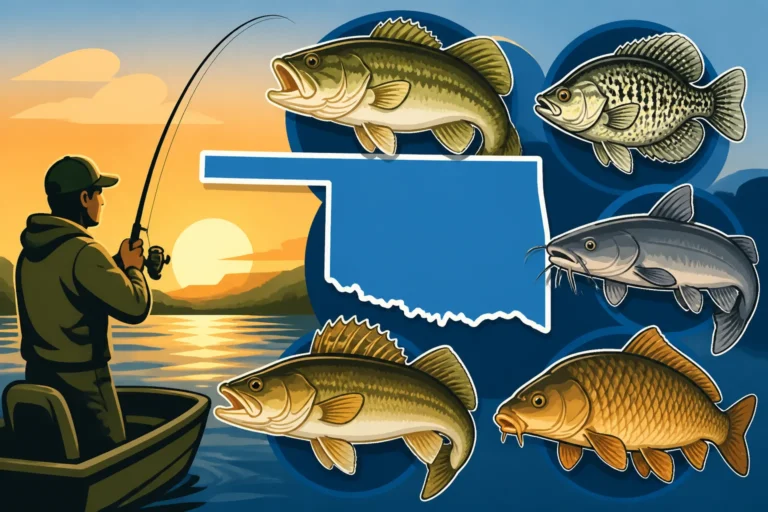
Oklahoma boasts fantastic black bass fishing, with largemouth, smallmouth, and spotted bass thriving in many of our waters. However, each species often has specific rules, and sometimes these rules vary by water body. The statewide daily bag limit for black bass (which includes largemouth, smallmouth, and spotted bass in combination) is typically six fish. This means you can keep a total of six bass of any of these three species per day. It’s important to remember that these are combined; you can't keep six largemouth and six smallmouth.
Size limits are where things can get a little trickier. For most statewide waters, there isn't a minimum size limit on largemouth or spotted bass, but there is often a restriction on how many larger fish you can keep. For example, a common rule is that only one black bass over 16 inches can be kept per day. This regulation is crucial for protecting mature, breeding-size fish. Smallmouth bass often have stricter size limits, such as a 14-inch minimum, especially in rivers and streams, to help sustain their more delicate populations. Always consult the current Oklahoma Fishing Guide for the specific water body you're fishing, as special regulations can override statewide rules, especially in trophy lakes. For a deeper dive, read Oklahoma's Bass Fishing Rules and Limits.
Understanding Crappie Limits and Minimum Lengths
Crappie, both black and white, are immensely popular panfish in Oklahoma, known for their delicious taste and feisty fight. Anglers flock to lakes like Eufaula, Texoma, and Grand Lake O' the Cherokees to fill their stringers. The statewide daily bag limit for crappie (black and white in combination) is generally 37 fish. This generous limit reflects the abundance of crappie in many of our reservoirs and their relatively fast reproductive rates. Again, this is a combined limit, so you can't have 37 black crappie and 37 white crappie separately.
However, similar to bass, crappie fishing has its own set of special regulations that vary by lake. While many lakes don't have a minimum size limit, several key reservoirs implement a 10-inch minimum length for crappie. These "ten-inch lakes" are designated to allow crappie to reach a larger, more reproductively mature size before being harvested, aiming to improve the overall quality of the fishery. Lakes like Arbuckle, Fort Gibson, Hudson, and Tenkiller Ferry are known to have these stricter crappie limits, and it's absolutely vital to check the local rules before you fish these specific waters. Accidentally keeping undersized crappie from one of these lakes can result in a citation, so always carry a measuring device—many good ones are available on Amazon. Our detailed guide on Crappie Fishing Rules and Limits in Oklahoma provides more context.
The Nuances of Catfish Bag and Size Restrictions
Catfish are another beloved species in Oklahoma, with channel, blue, and flathead catfish providing exciting battles and excellent table fare. The statewide daily bag limit for channel and blue catfish in combination is 15 fish. This means you can keep any combination of these two species, up to 15 total, per day. For flathead catfish, the limit is typically much lower, often set at 5 fish per day, reflecting their slower growth rate and the desire to protect larger breeding individuals. These limits are in place to ensure sustainable populations across our diverse waterways, from the Red River to smaller farm ponds.
Size limits for catfish also have important distinctions. For channel and flathead catfish, there generally aren't statewide minimum size restrictions, though certain waters might have specific regulations. Blue catfish, however, have a unique statewide rule: only one blue catfish over 30 inches in length may be kept per day. This specific regulation is designed to protect the trophy-size blue cats, allowing them to grow to immense proportions and continue to provide thrilling challenges for anglers, while still permitting harvest of smaller, more common sizes. It's a balance between conservation and recreational opportunity. Always be prepared to measure your catch accurately, especially if you're targeting those bigger blues. Get all the specifics on Oklahoma's Catfish Fishing Rules and Limits.
| Species Group | Statewide Daily Bag Limit | Statewide Size Limit Notes | Common Lake-Specific Variations |
|---|---|---|---|
| Black Bass | 6 (Largemouth, Smallmouth, Spotted combined) | One bass over 16 inches may be kept. Smallmouth often 14-inch minimum in rivers. | Many lakes may have specific slot limits (e.g., 13-16 inch slot, no harvest) or different maximum lengths. |
| Crappie | 37 (Black and White combined) | No statewide minimum, but some lakes have a 10-inch minimum. | Arbuckle, Fort Gibson, Hudson, Tenkiller, Texoma (OK side) and Grand Lake O' the Cherokees often have a 10-inch minimum. |
| Catfish | 15 (Channel & Blue combined); 5 (Flathead) | Only one blue catfish over 30 inches may be kept. No statewide minimum for Channel/Flathead. | Specific areas might have lower bag limits or different size restrictions for certain species. |
| Striped Bass | 10 | 20-inch minimum, only 5 over 30 inches may be kept. | Lake Texoma has specific interstate rules, 10 fish limit, only 2 over 20 inches, but no more than 5 over 30 inches. |
| Walleye/Sauger/Saugeye | 10 (combined) | 18-inch minimum. | Some water bodies may have different minimums or daily limits to protect specific populations. |
Always verify current regulations with the official Oklahoma Fishing Guide before fishing, as rules are subject to change.
Special Considerations and Lake-Specific Regulations
Just when you think you've got a handle on the statewide regulations, Oklahoma reminds us that nature isn't always uniform! While the general rules for licenses, bag limits, and size restrictions provide a good foundation, many water bodies in Oklahoma have their own unique set of regulations. These lake-specific or river-specific rules are incredibly important, often put in place to manage specific fisheries, protect vulnerable species, or enhance trophy potential. Overlooking these localized rules can be a common pitfall for even seasoned anglers, leading to accidental violations and frustration.
Unique Rules for Specific Lakes and Rivers
Oklahoma is blessed with a diverse array of fishing environments, from the vast open waters of Lake Texoma to the clear, rocky bottoms of Broken Bow Lake and the sprawling structure of Lake Eufaula. Each of these unique ecosystems supports fish populations differently, and the ODWC implements specific regulations to match. For instance, the renowned Lake Texoma, straddling the Oklahoma-Texas border, has a very complex set of rules, particularly for striped bass, due to its shared management with Texas. The striped bass bag limit here is often different from other Oklahoma lakes, and there might be specific size restrictions on top of that. Anglers need to be particularly diligent when fishing shared waters like Texoma, as reciprocity agreements with Texas don't always mean identical bag limits. Our detailed article, Texas Anglers Fishing in Oklahoma Waters, can shed more light on this.
Other lakes also have their quirks. Grand Lake O' the Cherokees, famous for its paddlefish snagging, has specific seasons and harvest limits for this unique species. Tenkiller Ferry Lake, known for its crappie, might have a 10-inch minimum length limit on crappie that differs from the statewide "no minimum" rule. These localized rules are typically printed in the annual Oklahoma Fishing Guide, which is an invaluable resource. Before heading to any major lake, take a few moments to review its specific section in the guide. What works at Lake Murray might not apply at Skiatook Lake, and being prepared means a more enjoyable and compliant trip.
Trout, Paddlefish, and Other Game Fish Rules
Beyond the popular bass, crappie, and catfish, Oklahoma offers fantastic opportunities for targeting other specialized game fish, each with its own set of distinct regulations. Trout fishing, for example, is primarily sustained by stocking programs in designated "Trout Stream" areas like the Lower Mountain Fork River below Broken Bow Lake, and the Illinois River. These areas often have specific open seasons, daily bag limits, and even tackle restrictions (e.g., barbless hooks, artificial lures only) to protect the stocked fish and manage angler pressure. You can't just treat trout like any other fish; they require a careful understanding of their specific rules.
Paddlefish, often called "spoonbill," are another prime example of a species with highly specialized regulations. Snagging for these ancient fish is a popular activity, particularly on Grand Lake and the Three Forks area below Fort Gibson Dam. However, paddlefish season is strictly regulated, usually only open for certain months of the year, and requires a special paddlefish permit in addition to a general fishing license. There are also specific daily and annual limits, and rules about marking harvested fish. Similarly, species like walleye, sauger, and saugeye often have their own minimum size and bag limits, which are usually designed to protect them during spawning periods or to allow them to reach trophy size. Always look up these specific species in the regulations guide if you plan to target them, as their rules are rarely the same as the more common species.
Reciprocity Agreements with Neighboring States
Fishing in border waters can be a real head-scratcher when it comes to licenses. Thankfully, Oklahoma has established reciprocity agreements with some neighboring states to simplify things for anglers. The most prominent example is Lake Texoma, which it shares with Texas. Under the Texoma license agreement, an angler holding a valid Oklahoma fishing license (or Oklahoma combination license) or a valid Texas fishing license (or Texas combination license) is permitted to fish in the waters of Lake Texoma. This means you generally don't need both a Texas and an Oklahoma license to fish the entire lake, which is a huge convenience for cross-border anglers.
However, it's absolutely crucial to understand that while your license might be valid, the fishing regulations for bag and size limits might still differ depending on which state's side of the lake you are on, or even which state issued your license. For instance, the striped bass limits might be different if you're an Oklahoma resident fishing on the Texas side of Texoma versus an Oklahoma resident fishing on the Oklahoma side. These details are important and often specified in the annual fishing guide. Reciprocity agreements are complex and apply to specific water bodies, not typically state-wide. For example, while there's a Texoma agreement, an Arkansas angler generally needs an Oklahoma license to fish in Oklahoma waters away from the border, and vice versa. Always check the specific agreement for the water body you plan to fish, especially if you're an Arkansas Anglers Fishing in Oklahoma Waters or Kansas Reciprocity for Oklahoma Fishing Licenses.
Penalties for Violating Fishing Regulations
Nobody wants their peaceful day on the water to end with a lecture, a fine, or worse. Unfortunately, ignorance of the law is rarely an excuse in the eyes of a game warden. Violating Oklahoma's fishing regulations, whether intentionally or accidentally, can lead to a range of unpleasant consequences that far outweigh the small cost of a license or the satisfaction of keeping one too many fish. Understanding these potential penalties isn't about scaring you, but about reinforcing the importance of compliance and helping you avoid common mistakes.
Common Violations and Their Repercussions
The most straightforward violation is fishing without a valid license. This might seem minor, but it's a fundamental requirement, and the Penalties for Fishing Without a License in Oklahoma can be significant. A game warden can issue a citation, which typically results in a fine, court costs, and potentially even restitution for the fish you caught. It’s usually classified as a misdemeanor, and the fines can easily run into hundreds of dollars, far exceeding the price of an annual license. It’s simply not worth the risk.
Beyond licenses, exceeding bag limits or keeping undersized fish are also very common violations. For instance, if you're caught with more than the legal limit of crappie or bass, or if you have a blue catfish over 30 inches when the limit is one, you're looking at a citation. The penalties often involve fines per fish over the limit or per undersized fish, and wardens often have the authority to confiscate your catch. In more severe cases, especially for repeat offenders or egregious violations like illegal commercial fishing or using prohibited methods, penalties can escalate to include the confiscation of fishing gear, boats, and even temporary or permanent loss of fishing privileges.
The Role of Game Wardens and Enforcement
Oklahoma's game wardens are the front-line protectors of our natural resources, and their job is to ensure that fishing and hunting regulations are followed. They are fully commissioned law enforcement officers with the authority to stop, inspect, and issue citations. You'll often see them patrolling lakes, rivers, and even remote fishing spots, sometimes in uniform, sometimes in unmarked vehicles or boats. Their presence is not about ruining your fun; it's about safeguarding the health of our fisheries for everyone.
When a game warden approaches you, it's important to be courteous and cooperative. They will typically ask to see your fishing license, proof of residency (if applicable), and may ask to inspect your catch and tackle. This is a routine part of their job, and complying promptly and respectfully will make the encounter much smoother. Resisting or attempting to evade a warden can lead to more serious charges. Remember, they are trained professionals, and their goal is to enforce conservation laws, not arbitrarily harass anglers. They are there to answer questions about regulations as well, so don't hesitate to ask if you're genuinely unsure about a rule.
Avoiding Accidental Infractions
The best way to avoid penalties is, of course, to fully understand and follow the rules. But how do you do that without carrying a textbook to the lake? Firstly, always purchase the correct license before you even step foot in the water. Keep it readily accessible, whether on your phone or a physical printout. Secondly, always carry a measuring tape or device (you can find affordable and reliable ones on Amazon) to accurately measure your fish. It's better to release a fish if you're unsure of its length than to risk a fine.
Thirdly, make it a habit to review the current year's Oklahoma Fishing Guide. These guides are free, widely available online, and at license vendors. They explicitly detail all statewide and specific water body regulations. Pay close attention to any special regulations for the specific lake or river you're visiting. Finally, if you're fishing with others, make sure everyone in your party understands the rules. It's a team effort to ensure compliance. If you ever have a question about a regulation while you're out, it's safer to err on the side of caution and release the fish, or call the local ODWC office for clarification if possible.
Best Practices for Staying Informed and Compliant
Being a responsible angler means more than just catching fish; it means understanding and respecting the rules that protect our precious natural resources. With regulations sometimes changing or varying from lake to lake, staying informed might feel like a chore, but it's a crucial part of ensuring future generations can enjoy the same fantastic fishing opportunities we do today. Developing a proactive approach to understanding fishing regulations will serve you well on every trip.
Essential Resources for Up-to-Date Information
In today's digital age, getting access to the latest fishing regulations is easier than ever. The primary and most authoritative source is always the Oklahoma Department of Wildlife Conservation (ODWC) website. They maintain a comprehensive section dedicated to fishing regulations, licenses, and special notices. This is where you'll find the most current version of the annual Oklahoma Fishing Guide, often available as a downloadable PDF that you can save to your phone or tablet. Having this guide on your device means you have the answers to most of your regulatory questions right at your fingertips, even when out on the water with spotty cell service.
Beyond the official website, local tackle shops and sporting goods stores (many of which also sell licenses) are excellent resources. The staff often have a keen understanding of local regulations, especially for the specific water bodies nearby. They can offer advice, clarify confusing rules, and point you towards the most relevant sections of the fishing guide. Online fishing forums and community groups can also be helpful for general discussions, but always double-check any specific regulation claims against the official ODWC sources to avoid misinformation. Some anglers even purchase a laminated copy of the regulations to keep in their tackle box or boat, which can be found through retailers like Amazon.
Annual Review of the Oklahoma Fishing Guide
Consider the annual Oklahoma Fishing Guide your angler's bible. It is published yearly, usually around January 1st, and contains all the critical information you need to fish legally in Oklahoma. Making it a ritual to review this guide at the beginning of each fishing season is a practice I highly recommend for every angler, regardless of experience level. This isn't just a quick skim; take the time to read through the sections relevant to the species you target and the water bodies you frequent.
Why is an annual review so important? Because regulations aren't static. Bag limits might change for specific species to address population trends, or a new lake might implement a minimum size limit based on fishery management studies. New reciprocity agreements might be forged, or existing ones might be updated. A quick review each year ensures you're aware of any new rules, special seasons, or changes in enforcement. This proactive approach prevents accidental violations and demonstrates your commitment to ethical and legal angling, ensuring you are well-prepared for any fishing adventure.
Preparing for a Successful and Legal Fishing Trip
Preparation is key to a successful and stress-free fishing trip, and that includes regulatory compliance. Before each outing, especially if you're visiting a new lake or targeting a different species, take a moment to do a quick checklist. First, confirm your fishing license is valid and on your person. Second, review the specific regulations for your target species (e.g., bass, crappie, catfish) and the particular lake or river you plan to fish. This includes bag limits, size limits, and any special tackle restrictions.
Third, ensure you have the necessary gear to comply, such as a reliable measuring tape and any specialized permits for species like paddlefish. Keep a copy of the fishing guide easily accessible. Finally, talk to fellow anglers or local experts if you have lingering questions. There's a strong community of anglers in Oklahoma who are usually happy to share knowledge. By taking these steps, you not only protect yourself from potential penalties but also contribute to the sustainable management of Oklahoma's fantastic fishing resources, allowing everyone to enjoy the thrill of the catch for years to come.
Disclaimer
Please remember that fishing regulations are subject to change. While this guide aims to provide comprehensive and up-to-date information, it is essential to always consult the current official Oklahoma Fishing Guide published by the Oklahoma Department of Wildlife Conservation (ODWC) before engaging in any fishing activities. This guide is for informational purposes only and should not be considered a substitute for the official regulations.