Checking Crappie Rules Before Fishing Grand Lake
It's incredibly frustrating when you're just trying to enjoy a peaceful day on the water, but the rules and regulations feel like a moving target. Many anglers get caught off guard by lake-specific rules, especially for popular species like crappie, which can vary wildly even within the same state. This guide is here to untangle the specific crappie regulations for Grand Lake O' the Cherokees, helping you fish confidently and legally.
The Headache of Varying Crappie Regulations Across Oklahoma Lakes
You’d think fishing regulations would be pretty straightforward, right? A crappie is a crappie, and a lake is a lake. But anyone who’s spent a season or two chasing slabs in Oklahoma knows that’s just not the case. One of the biggest headaches for anglers, seasoned pros and beginners alike, is the sheer diversity of rules from one body of water to the next. What's perfectly legal at Lake Eufaula might earn you a citation at Lake Texoma, and vice versa. It’s enough to make you want to throw your hands up and just stick to a local pond.
Why Every Lake Isn't the Same
The reason behind these variations isn't to make your life harder, even if it feels that way sometimes. Wildlife departments, like the Oklahoma Department of Wildlife Conservation (ODWC), manage each lake's fishery based on specific biological needs. Factors like fish population health, spawning success, natural forage, fishing pressure, and even the unique characteristics of the lake itself (deep, shallow, clear, murky) all play a role. For instance, a lake with a booming crappie population but a lot of smaller fish might get a larger bag limit or a lower size restriction to encourage harvest and thin the population. Conversely, a lake struggling with overfishing or slow growth might have stricter limits to protect the resource and allow it to rebound. It’s a delicate balancing act, and unfortunately, it means you can't just memorize one set of rules and be done with it.
The Frustration of Mixed Messages
It's genuinely exasperating when you're planning a trip, you look up the statewide rules, and then you show up at the lake only to see a small sign at the boat ramp contradicting everything you thought you knew. This "mixed message" scenario is a common source of frustration. Imagine driving an hour or two to a beautiful lake like Grand Lake O' the Cherokees, only to find out the crappie you just caught and carefully measured are actually illegal due to a specific length limit you weren't aware of. It's not just about the potential fine; it's the wasted effort, the disappointment, and the feeling that you were set up to fail. This is precisely why it's so critical to not only understand the general rules but to dig into the nuances of specific lake regulations, especially for popular species like crappie. If you’re ever wondering about the broader rules, our guide on Crappie Fishing Rules and Limits in Oklahoma is a fantastic resource.
Unpacking Grand Lake O' the Cherokees' Crappie Rules
Grand Lake O' the Cherokees, nestled in Northeast Oklahoma, is a true jewel for anglers, renowned for its diverse fishery, especially crappie. However, like many of Oklahoma's premier fishing destinations, it operates under specific regulations that differ from the statewide norms. Ignoring these specifics can lead to a less-than-ideal fishing trip, or worse, a run-in with a game warden.
The Specifics: Bag and Size Limits
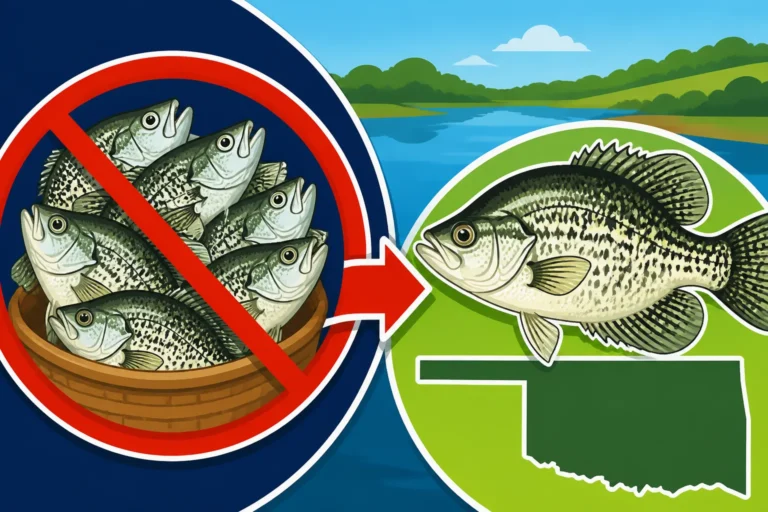
When you're targeting crappie on Grand Lake, you need to pay close attention to two key numbers: the daily bag limit and the minimum size limit. Unlike the statewide daily limit of 37 crappie with no size restriction, Grand Lake O' the Cherokees imposes tighter controls to maintain a healthy and robust crappie population. For Grand Lake, the daily limit for crappie (both black and white crappie combined) is 15 fish. Additionally, there's a 10-inch minimum length limit. This means any crappie you catch must measure at least 10 inches from the tip of its nose to the end of its tail, and you can only keep up to 15 of them in a single day. This distinction is vital for anglers to understand before they even cast their first line. For a general overview of limits, check out our piece on Oklahoma's Statewide Crappie Bag Limit.
How Grand Lake Differs from Statewide Rules
Let’s lay it out clearly because this is where most of the confusion stems from. The standard, default crappie regulation across Oklahoma allows anglers to keep a generous 37 crappie per day, with no minimum size limit. This allows for a lot of flexibility, especially for those who enjoy taking home a large stringer of panfish.
However, Grand Lake O' the Cherokees falls into a category of lakes with "special regulations," meaning its rules deviate from this statewide standard. The 10-inch minimum size limit is a critical difference. While you could keep an 8-inch crappie legally in most parts of the state, doing so on Grand Lake would be a violation. Similarly, keeping 20 crappie, all over 10 inches, would be perfectly legal statewide but would put you five fish over the limit on Grand Lake. This nuanced approach helps manage the unique fishing pressure and crappie dynamics specific to this large reservoir. To see how other lakes compare, read about Stricter Crappie Limits at Six Oklahoma Lakes.
Here’s a quick comparison table to keep things crystal clear:
| Regulation Aspect | Oklahoma Statewide Crappie Rules | Grand Lake O' the Cherokees Crappie Rules |
|---|---|---|
| Daily Bag Limit | 37 fish (black and white combined) | 15 fish (black and white combined) |
| Minimum Size Limit | None (can keep any legal size) | 10 inches |
Why These Specific Rules Exist
The ODWC doesn't just pull these numbers out of thin air. Grand Lake O' the Cherokees is a highly popular fishing destination, attracting thousands of anglers each year. This heavy fishing pressure, combined with the lake's specific ecosystem, necessitates tailored management strategies. The 10-inch minimum size limit is often implemented to allow crappie to reach sexual maturity and spawn at least once before being harvested. This helps ensure future generations of crappie, promoting a sustainable fishery. The reduced bag limit helps distribute the catch among more anglers and prevents excessive harvest that could deplete the population. By understanding that these rules are designed to protect and enhance the fishing experience for everyone in the long run, it makes them a bit easier to swallow, even if they require a bit more homework on our part.
Essential Tools for Staying on the Right Side of the Rules
Navigating fishing regulations can feel like a maze, but thankfully, there are plenty of resources and tools available to help you stay compliant. Being prepared isn't just about avoiding fines; it’s about being a responsible angler and contributing to the health of Oklahoma's fisheries.
The Power of the Official ODWC Guide
Your absolute best friend for staying up-to-date on all fishing regulations in Oklahoma, including those specific to Grand Lake, is the official Oklahoma Fishing & Hunting Regulations guide published by the ODWC. This guide is updated annually and is the definitive source for all rules, limits, and special considerations. You can pick up a physical copy at most bait and tackle shops, sporting goods stores, or ODWC offices. It’s also available as a free PDF download on the ODWC website. I always recommend having a physical copy in your boat or vehicle, and a digital version on your phone, just in case. You can learn more about finding these resources in our article on Where to Buy a Fishing License in Oklahoma.
This guide clearly outlines everything from Fishing License Requirements in Oklahoma to Oklahoma's Bass Fishing Rules and Limits, and critically, it details lake-specific exceptions like those for Grand Lake crappie. Think of it as your fishing bible – never leave home without at least reviewing the relevant sections for your destination!
Handy Gear for Compliance
Beyond the regulation guide, a few simple pieces of gear can make a world of difference in ensuring you're compliant with size limits. A reliable fish measuring device is non-negotiable.
- Measuring Board or Tape: Don't guess! A sturdy measuring board, often found at sporting goods stores or even on Amazon, is ideal. Many boats even have rulers built right into their decks. If not, a retractable measuring tape that's clearly marked in inches will work. Ensure it's easy to read, even when wet or in low light.
- Portable Digital Scale: While not directly for size limits, having a portable digital scale, which you can easily find on Amazon, can be useful for weighing your catch, especially if you're participating in a friendly competition or just curious about your trophy.
- Livewell or Cooler: For fish you intend to keep, a good livewell with aeration or a well-insulated cooler with ice is crucial. It ensures that any fish you measure and decide to keep stay fresh and healthy, especially if you plan to release some later after re-measuring or if you hit your bag limit quickly.
Having these tools readily available on your boat or in your tackle box means you can quickly and accurately check your catch against the regulations, minimizing stress and preventing accidental violations. You might even find some great crappie-specific lures on Amazon to help you get those keepers!
Leveraging Online Resources and Apps
In our digital age, staying informed is easier than ever. The ODWC website is a treasure trove of information, offering not just the full regulations guide but also frequently updated news, fishing reports, and maps. Many states also have official fishing and hunting apps that can put the regulations right in your pocket, often with GPS functionality to show you specific rules based on your current location. While Oklahoma doesn't have a dedicated fishing app with real-time rule overlays, the ODWC website is mobile-friendly and easily accessible.
Before heading out, a quick search for "Grand Lake crappie rules" on the ODWC site is always a good idea. Bookmark the relevant pages on your phone. Even a quick check of a reliable weather app or a specialized fishing app like Fishbrain can sometimes give you local insights, though always cross-reference with the official ODWC guide. For instance, if you're curious about How to Buy an Oklahoma Fishing License Online or Renewing Your Oklahoma Fishing License Online, the ODWC website is the place to go.
Avoiding Common Crappie Regulation Missteps
Even the most experienced anglers can occasionally make mistakes, especially when regulations vary so much. However, a little diligence and forethought can save you a lot of trouble and ensure your time on the water remains enjoyable and legal.
The "I Didn't Know" Defense Doesn't Fly
This is perhaps the toughest lesson to learn: ignorance of the law is never an excuse. A game warden isn't going to be sympathetic if you claim you didn't realize Grand Lake had a 10-inch minimum size limit for crappie, or that its bag limit was different from the statewide rule. Their job is to enforce the regulations designed to protect the fishery, and you, as an angler, are responsible for knowing and adhering to them. This is why having your fishing license, like those you can find covered in Oklahoma Fishing License Costs and Types, and the regulations guide readily accessible is so important.
The consequences of fishing without a proper understanding of the rules can range from a warning (if you're lucky and it's a minor oversight) to significant fines, confiscation of your catch, and even loss of your fishing privileges. Trust me, paying a hefty fine for an honest mistake is a bitter pill to swallow. Our article on Penalties for Fishing Without a License in Oklahoma highlights just how serious these violations can be, and it applies to other regulation breaches too.
Double-Checking Before Every Trip
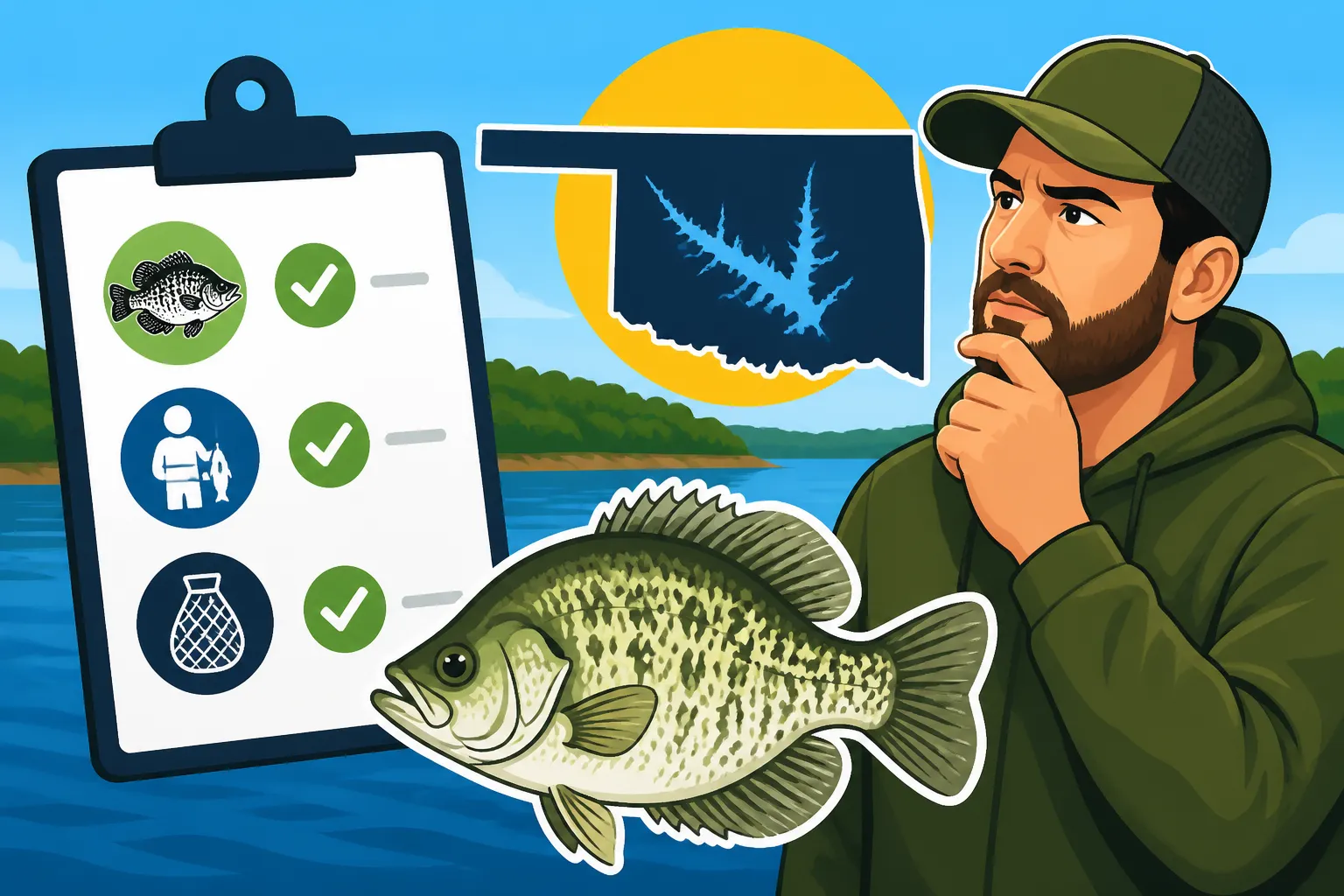
It might sound tedious, but forming the habit of a quick regulations check before every fishing trip, especially to a new or less-frequented lake, is invaluable. Here's a simple checklist:
- Confirm Your License Status: Is your How Long an Oklahoma Fishing License Stays Valid still active? Do you have the necessary endorsements?
- Consult the Current ODWC Guide: Open your physical guide or the digital PDF to the section for Grand Lake O' the Cherokees. Pay specific attention to crappie regulations, but also quickly scan for any other species you might incidentally catch.
- Check for Emergency Orders: Occasionally, severe weather, disease outbreaks, or sudden ecological changes can lead to emergency regulation changes. These are usually posted prominently on the ODWC website.
- Gear Check: Ensure your measuring device is easily accessible and accurate.
By taking these few moments, you not only ensure compliance but also enhance your overall fishing experience. Knowing you're following the rules means you can truly relax and enjoy the beauty of Grand Lake and the thrill of the catch. And if you're ever looking for tips to improve your success, guides like Crappie Fishing Techniques and Seasonal Patterns in Oklahoma can help you fill that legal limit!
Disclaimer
Please remember that fishing regulations can change. While this guide provides the most up-to-date information at the time of writing, it is always your responsibility to consult the official Oklahoma Department of Wildlife Conservation (ODWC) regulations guide or website before heading out to fish.