The 30-Inch Blue Catfish Exception Explained
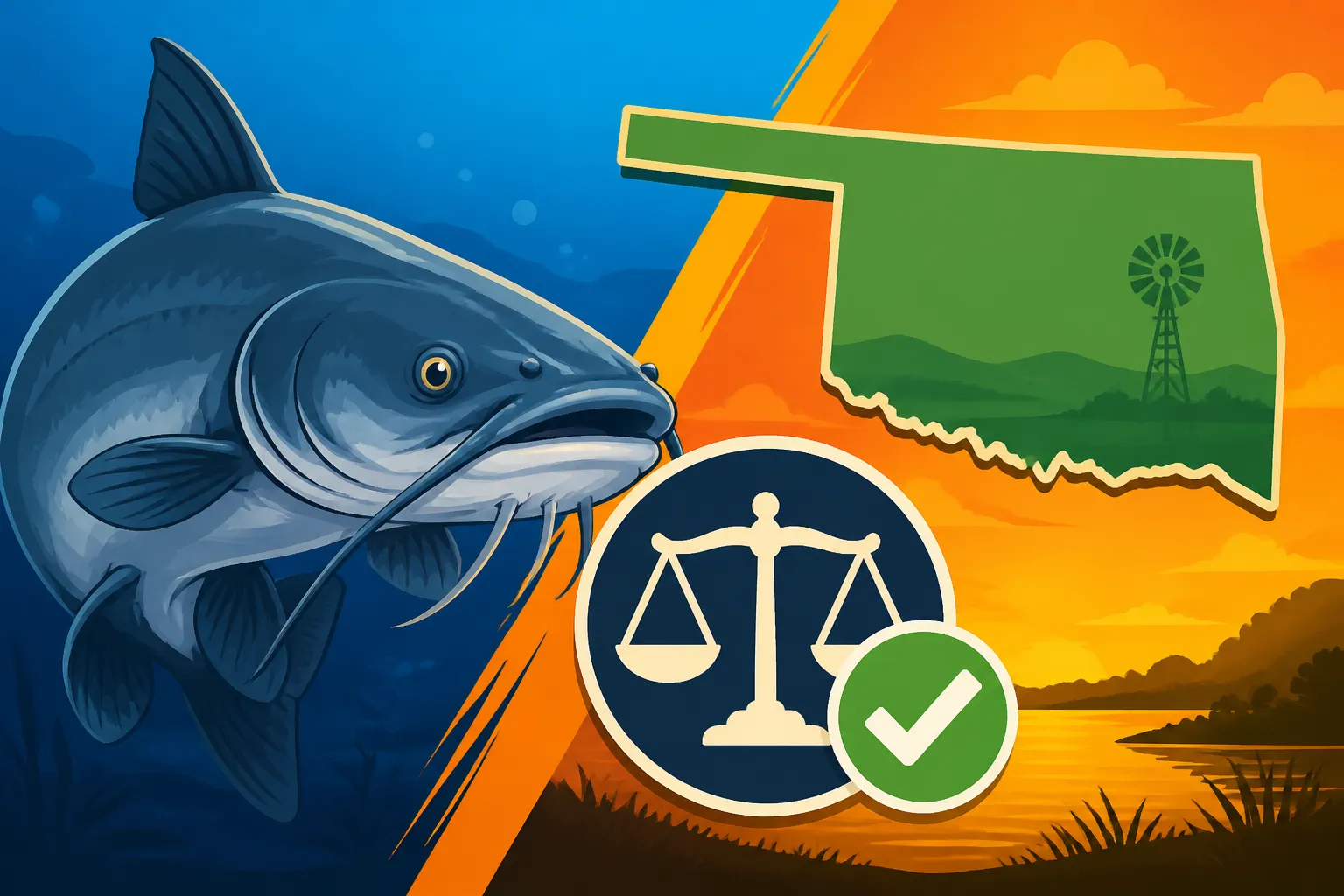
Few things are as frustrating as reeling in a monster blue catfish, that adrenaline rush pumping through your veins, only to stare at your catch and wonder if it's even legal to keep it. Oklahoma's fishing regulations can sometimes feel like a maze, especially when it comes to specific exceptions for certain species. This guide is here to untangle the confusion around "The 30-Inch Blue Catfish Rule in Oklahoma," so you can fish with confidence and understand exactly what's allowed and why.
Understanding Oklahoma's General Catfish Limits
Before we dive into the specific blue catfish exception, it's crucial to grasp the overarching rules for catfish in Oklahoma. The Oklahoma Department of Wildlife Conservation (ODWC) has put these regulations in place to ensure that our fantastic catfish populations remain healthy and abundant for generations of anglers to enjoy. It's all about balance, giving us a chance to harvest while also protecting the future of the fishery.
The Standard 15-Fish Bag Limit
When you're out chasing those whiskered beauties in Oklahoma, whether it's a calm evening on Lake Eufaula or a bustling day on the Red River, the general rule of thumb for forked-tail catfish is a daily bag limit of 15 fish. This isn't just for blue catfish; it also includes channel catfish. They're often found in similar habitats and are both incredibly popular targets for Oklahoma anglers. So, if you're catching a mix of both, you need to count them all toward that combined 15-fish limit.
Imagine you're having an incredible day. You've landed five nice channel cats and seven good-sized blue cats. That's a total of 12 forked-tail catfish. You'd still be legally allowed to catch three more before you hit your daily limit. However, if you're primarily targeting flathead catfish, these specific regulations don't apply, as flatheads have their own distinct rules. It’s always a good idea to refresh your memory on Oklahoma's Catfish Fishing Rules and Limits before you head out.
Why Blue and Channel Catfish Are Grouped Together
It might seem a little odd to group blue and channel catfish together, given their distinct appearances and sometimes different behaviors. But from a management perspective, it often makes a lot of sense. Both species are prolific, highly sought-after, and thrive in many of the same aquatic environments across Oklahoma. By having a combined limit, the ODWC can simplify regulations for anglers, making them easier to understand and enforce. More importantly, it helps prevent overharvesting of either species by ensuring that the overall pressure on the forked-tail catfish population is managed effectively.
This combined approach is especially helpful in waters where both species are prevalent, which is common in many of Oklahoma's major lakes and rivers. It means game wardens don't have to spend precious time trying to distinguish between closely related species in your livewell, and you, as an angler, don't have to worry as much about misidentifying a fish and accidentally breaking a rule. Knowing these nuances is part of being a responsible angler, and it helps everyone contribute to sustainable fishing in our great state.
The 30-Inch Blue Catfish Exception: What It Means
Now, let's get to the heart of the matter – that intriguing 30-inch blue catfish exception. This rule is where things get a little more specific, and honestly, it can trip up even experienced anglers if they're not paying close attention. But once you understand the logic behind it, it’s quite straightforward.
Only One Blue Catfish Over 30 Inches
The core of this exception is simple: you are only allowed to keep one blue catfish that measures 30 inches or longer per day. That's it. Just one. This isn't an extra fish on top of your limit; it's a specific size restriction within your overall catch. This particular rule is a prime example of how the ODWC works to protect the largest, most valuable breeding stock of blue catfish. These big fish are often the most prolific spawners, contributing significantly to the health and future of the population. By limiting the harvest of these giants, we're ensuring there are plenty of big breeders left in the water.
Let's say you're fishing on Lake Texoma, a renowned spot for trophy blue catfish. You catch a magnificent 35-inch blue cat – a true behemoth! You decide to keep it. That's your one fish over 30 inches for the day. Now, later that afternoon, you hook into another gorgeous blue cat, this one measuring 32 inches. Even though it's within your overall 15-fish limit if you still have room, you cannot legally keep that second 30-inch-plus fish. You've already exercised your one "trophy" fish allowance. You would need to safely release that second large blue cat. It's a tough decision sometimes, but it’s vital for conservation. This is precisely what "Can You Keep Two Blue Catfish Over 30 Inches?" aims to clarify, and the answer, as you now know, is generally no.
Combining the Exception with the General Bag Limit
This is where some anglers get truly confused. Does that one 30-inch blue catfish count outside the 15-fish limit? Absolutely not. That single blue cat over 30 inches does count towards your overall 15-forked-tail-catfish daily limit. It's not an "extra" fish; it's just a large fish that fills one slot in your limit, with the added restriction that you can only have one of that size.
Let's revisit our Lake Texoma scenario. You've kept your 35-inch blue catfish. That's one fish counted toward your 15-fish daily limit. This means you can still keep up to 14 additional forked-tail catfish (either blue or channel catfish), as long as none of those 14 are also 30 inches or longer. So, your final stringer might look like one 35-inch blue cat and 14 channel cats ranging from 18 to 25 inches. Or it could be one 35-inch blue cat, seven smaller blue cats, and seven channel cats. The key is that only one can be over 30 inches, and all fish still add up to no more than 15. Understanding "Oklahoma's Catfish Rules for Blue and Channel Combined" is paramount to avoiding an accidental violation.
Why This Rule Exists: Protecting Trophy Blue Catfish
Regulations like the 30-inch blue catfish exception aren't arbitrary. They are carefully crafted by fisheries biologists using data from population surveys, angler harvest reports, and scientific research. The goal is always to balance recreational opportunities with the long-term health of the fish populations.
The Importance of Large Spawners
When it comes to fish, bigger often means better, especially concerning reproduction. Large blue catfish, particularly females, are incredibly important for the species' sustainability. They produce a vast number of eggs, and often, larger females produce more viable eggs, leading to more successful spawns. These big, mature fish have survived numerous challenges to reach their impressive size, proving their resilience and genetic strength. Removing too many of these trophy-sized fish could significantly impact the reproductive capacity of the entire blue catfish population in a particular body of water.
Think of it like this: if you continually harvest the largest, strongest members of any population, you're essentially "high-grading" and removing the most valuable contributors to future generations. The one-over-30-inches rule ensures that a good percentage of these prime spawners remain in the water to continue reproducing, contributing their genetics to the next wave of blue catfish. It’s a direct conservation measure to safeguard the future of trophy catfish fishing in Oklahoma.
Balancing Harvest and Conservation
The Oklahoma Department of Wildlife Conservation (ODWC) always walks a fine line between giving anglers ample opportunities to enjoy their sport and ensuring that those opportunities are sustainable. Anglers want to catch fish, and many enjoy the reward of taking some home for dinner. At the same time, we all want to know that our favorite fishing spots will still be teeming with fish years down the road.
This 30-inch rule is a perfect example of this balance. It acknowledges the desire to land and perhaps even keep a truly magnificent, trophy-sized blue catfish, allowing for one such catch per day. However, it also strongly emphasizes conservation by preventing widespread harvest of these critical large fish. It encourages catch-and-release for additional large specimens, fostering a culture of conservation among anglers. By understanding and adhering to such regulations, we all become partners in managing Oklahoma's incredible natural resources. This balance is crucial for maintaining the quality of fishing across the state, from its thriving bass fisheries to its prolific catfish waters.
Practical Tips for Anglers
Understanding the rules is one thing, but applying them practically on the water is another. These tips will help you navigate the 30-inch blue catfish exception with ease and confidence.
Measuring Your Catch Accurately
When you reel in a big blue catfish, that measurement is critical. A fish that's 29.5 inches vs. 30.5 inches makes all the difference when it comes to the legalities of keeping it. Always carry a reliable measuring device on your boat or in your tackle box. A bump board or a flexible tape measure are both good options.
Here’s how to measure correctly:
- Lay the fish flat: Place the fish on its side on a flat surface, like a measuring board or the deck of your boat.
- Close its mouth: Gently close the fish’s mouth so it’s not gaping open.
- Measure nose to tail: Align the nose of the fish with the zero mark on your ruler or board, and measure to the absolute tip of its tail, pinching the tail if necessary to get the maximum length.
- Be precise: Don't guess! If it's borderline, it's always safer to err on the side of caution and release it if you're unsure, especially for larger fish. A slight mismeasurement could lead to a fine.
Releasing Large Blue Catfish Safely
If you've already kept your one blue catfish over 30 inches for the day, or if you've caught a trophy fish you simply want to release to fight another day, safe handling is paramount. Larger fish are more susceptible to stress and injury, so treating them with care ensures their survival.
Follow these guidelines for safe release:
- Minimize out-of-water time: Get photos quickly, but don't keep the fish out of the water longer than absolutely necessary.
- Support its body: When handling a large catfish, support its full body weight, especially under its belly. Don't just hold it by the gill plate or lower jaw, as this can cause internal damage.
- Use appropriate tools: Keep long-nosed pliers or a de-hooker handy to remove hooks cleanly. If the hook is deeply embedded and removal would cause too much trauma, cut the line as close to the hook as possible. Fish often expel hooks over time.
- Revive the fish: If the fish seems sluggish, hold it gently in the water, moving it back and forth to force water over its gills until it regains strength and can swim away on its own.
Essential Gear for Blue Catfish Anglers
To successfully target and handle blue catfish, especially those larger ones, you'll need the right gear. Strong, reliable equipment not only helps you land the fish but also ensures you can handle them responsibly.
- Heavy-Duty Rods and Reels: Blue catfish can be incredibly powerful. You'll want a medium-heavy to heavy action rod paired with a robust baitcasting or spinning reel spooled with strong braided or monofilament line. Many anglers find great deals on reliable gear for catching trophy catfish on Amazon.
- Strong Line: Think 30-80 pound test for your main line, depending on the size of fish you're targeting and the cover you're fishing in. Consider a heavy leader material as well.
- Large, Sturdy Hooks: Circle hooks are excellent for catfish as they often hook in the corner of the mouth, making for easier, safer releases. Sizes 5/0 to 10/0 are common for larger blue cats.
- Measuring Device: As mentioned, a reliable measuring board or tape is a must-have.
- Landing Net or Gripper: A large, rubberized landing net helps protect the fish's slime coat and makes landing big cats much easier. A good fish gripper can also be useful for control, but always support the fish's body with your other hand. For more ideas on what to bring, check out our guide on the Best Gear for Catfish Fishing in Oklahoma.
- Gloves: Catfish spines can be sharp, and their mouths are abrasive. Gloves can protect your hands.
Oklahoma Blue Catfish Regulations at a Glance
To make things a bit clearer, here’s a quick summary of the rules we’ve discussed regarding forked-tail catfish in Oklahoma.
| Regulation Category | Rule | Details & Exceptions |
|---|---|---|
| Species Included | Blue Catfish, Channel Catfish | These are considered "forked-tail catfish" and are grouped together for daily limits. |
| Statewide Daily Bag Limit | 15 Fish Total | This is the combined limit for both blue and channel catfish per angler, per day. |
| Minimum Size Limit | None Statewide | Generally, there is no statewide minimum size limit for blue or channel catfish. |
| Blue Catfish Over 30 Inches | One Fish per Day | Crucial Exception: Only ONE blue catfish 30 inches or longer may be kept per day. |
| Trophy Fish Impact | Counts Towards Bag Limit | The one blue catfish over 30 inches still counts as one of your 15 total forked-tail catfish. |
| Special Lake Rules | Check Local Regulations | Always check for any specific lake or river regulations, as some areas may have different rules (e.g., Lake Texoma). |
This table provides a concise overview, but remember that understanding the nuances, especially how the "one over 30 inches" rule interacts with the overall bag limit, is key. If you're interested in alternative methods for catching catfish, you might also want to look into techniques like Jug Fishing for Catfish or Trotline Fishing for Catfish, but always ensure you're aware of the specific rules that apply to those methods too.
Final Thoughts on Responsible Catfishing
Navigating fishing regulations might seem daunting at first, but with a little effort to understand them, you'll find they are designed to protect the very resource we all love to enjoy. The 30-inch blue catfish exception is a fantastic example of a conservation measure that allows for the occasional trophy while ensuring the future of Oklahoma's incredible blue catfish populations.
So, the next time you're out on the water, whether you're targeting those smaller "eater" catfish or dreaming of a true giant, you'll be well-equipped with the knowledge to fish legally and responsibly. Happy fishing, fellow Okie anglers! Don't forget that different species have different regulations; for instance, the Statewide Bass Bag Limits in Oklahoma are entirely distinct from catfish rules. Always check the latest ODWC regulations.
Disclaimer
Please note: Fishing regulations are subject to change. Always consult the most current Oklahoma Fishing Regulations Guide published by the Oklahoma Department of Wildlife Conservation (ODWC) before you go fishing. This article is intended for informational purposes only and does not supersede official state regulations.