Oklahoma’s Best Crappie Lakes
There’s nothing quite like the thrill of a crappie bite – that subtle tap, tap, tap on your line, followed by the fight of a slab coming out of the brush pile. But let’s be honest, trying to figure out which of Oklahoma’s countless lakes consistently produce those amazing crappie numbers can feel like searching for a needle in a haystack. Many anglers spend precious weekend hours bouncing from one spot to another, only to come up short. This comprehensive guide is here to cut through the confusion, pinpointing Oklahoma's premier crappie lakes and equipping you with the knowledge to make every trip a successful one.
The Crappie Quest: Why Oklahoma is a Panfish Paradise
Oklahoma, with its vast network of reservoirs and rivers, truly is a haven for crappie enthusiasts. For many of us, chasing crappie is more than just fishing; it’s a tradition, a way to relax, and a source of delicious fillets for the dinner table. But what makes the Sooner State such a prime destination for these speckled beauties? It's a combination of diverse aquatic environments, proactive fisheries management, and a robust forage base that keeps these fish thriving.
Understanding Oklahoma's Crappie Species
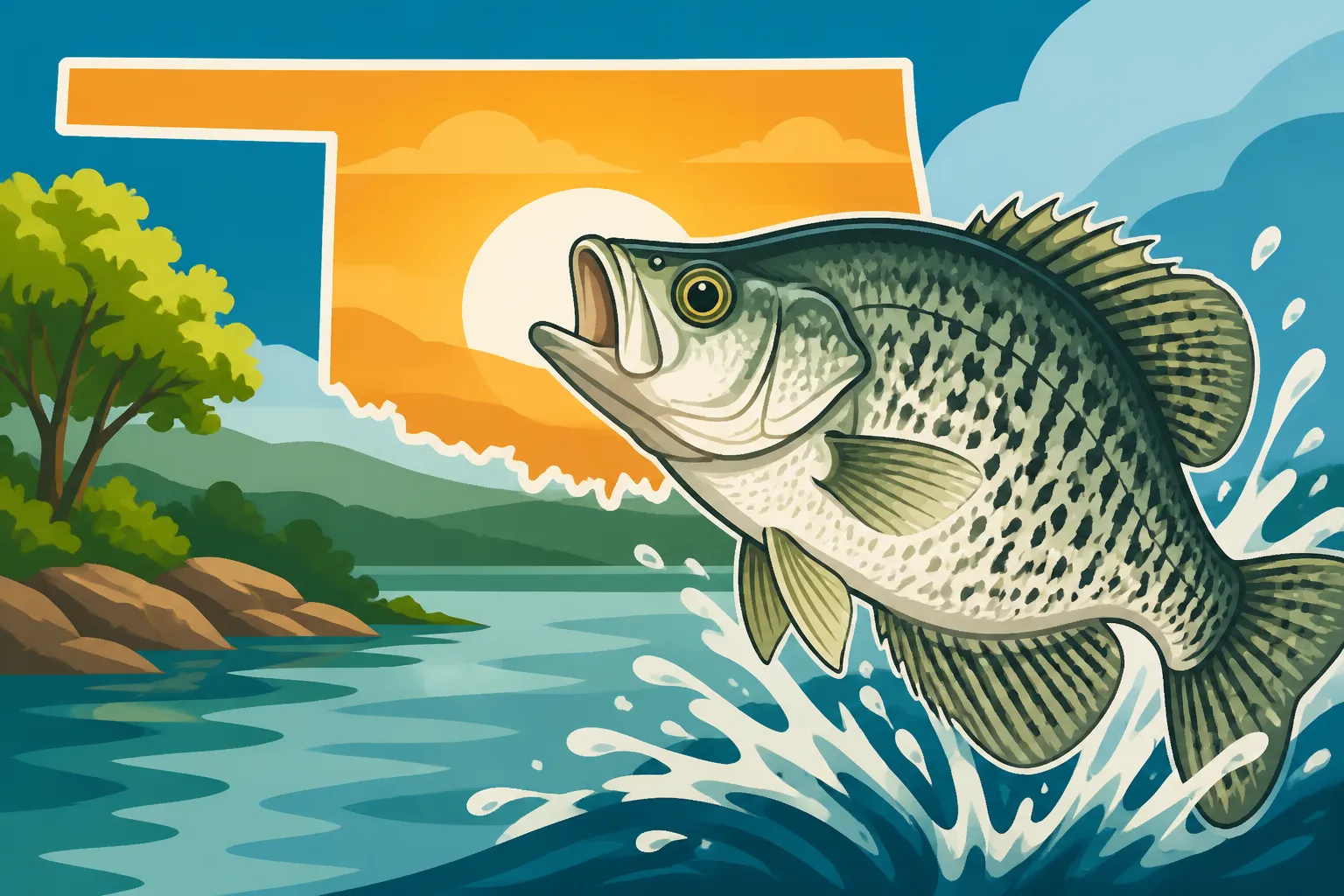
When we talk about crappie in Oklahoma, we're primarily referring to two distinct species: black crappie and white crappie. While they share many similarities and often inhabit the same waters, there are subtle differences in their preferences and appearances that savvy anglers learn to spot. Black crappie, typically found in clearer, cooler waters with more vegetation and structure, often boast a darker, speckled pattern that helps them camouflage in such environments. They tend to have seven or eight dorsal spines. White crappie, on the other hand, are more adaptable, thriving in murkier, warmer waters and often found in open water or around less dense cover. They usually have five or six distinct vertical bars on their sides and five or six dorsal spines. Understanding these nuances can help you fine-tune your approach, especially if you're targeting one species over the other. If you're curious to learn more, our guide on Black Crappie vs White Crappie: Key Differences for Oklahoma Anglers delves deeper into identification and habitat.
Why Crappie Fishing is So Popular Here
The popularity of crappie fishing in Oklahoma isn't just a coincidence; it's a testament to the state's incredible resources. Crappie are generally accessible, can be caught year-round, and provide a fantastic fight on light tackle. For families, they offer an excellent entry point into fishing, providing consistent action and building confidence for new anglers. Plus, their mild, flaky white meat makes them a highly sought-after table fish, rivaling even more glamorous species in culinary appeal. The abundance of prime crappie habitat, from submerged timber to brush piles and creek channels, means there's always a new spot to explore. The Oklahoma Department of Wildlife Conservation (ODWC) does an excellent job of stocking and managing these fisheries, ensuring healthy populations for generations to come.
Essential Crappie Hotbeds: Lakes Every Angler Should Know
Oklahoma is dotted with fantastic crappie lakes, each offering its own unique character and fishing experience. From massive reservoirs that span state lines to more intimate inland gems, there's a crappie lake for every angler's preference. We're going to dive into some of the absolute best, the ones that consistently deliver memorable crappie fishing. These are the lakes that should be at the top of your list when planning your next crappie expedition.
Lake Eufaula: The Gentle Giant's Crappie Promise
Lake Eufaula, often called "Oklahoma's Gentle Giant," is the state's largest lake, boasting over 600 miles of shoreline. This expansive reservoir in eastern Oklahoma is a crappie angler's dream, offering an incredible diversity of habitat. From vast open flats to countless timbered coves, brushy creek channels, and deep ledges, Eufaula has it all. The sheer size means there's always a new spot to explore, and the crappie populations are robust, with both black and white crappie thriving.
Spring is a magical time on Eufaula, as crappie move into the shallows to spawn. Anglers often find success casting jigs or minnows around flooded timber, docks, and rocky shorelines in depths of 2-8 feet. During the warmer months, crappie retreat to deeper, cooler waters, concentrating around main lake points, ledges, and submerged brush piles. Spider rigging with multiple rods or vertical jigging over structure become highly effective techniques. Don't underestimate the fall bite either, as crappie actively feed before winter, often found in similar areas to summer patterns but sometimes shallower. Our guide on Lake Eufaula: Oklahoma's Gentle Giant for Bass and Crappie offers even more insights into this incredible fishery.
Grand Lake O' the Cherokees: Northeast Oklahoma's Crappie Gem
Up in the northeast corner of Oklahoma lies Grand Lake O' the Cherokees, a sprawling, clear-water reservoir renowned for its excellent fishing, including a fantastic crappie fishery. While often celebrated for its bass and paddlefish, Grand Lake consistently produces chunky crappie, drawing anglers from across the region. The lake's diverse structure, including numerous docks, bridges, rock piles, and extensive submerged timber, provides ideal habitat for both black and white crappie.
Crappie fishing on Grand Lake tends to be exceptional in the spring, when fish move into the countless boat docks and shallow brush piles. Many locals have strategically placed brush piles under their docks, creating irresistible crappie magnets. During the summer, crappie school up in deeper water, often suspending over ledges, creek channels, and humps. Spider rigging with minnows or small jigs, as well as vertical jigging spoons or swimbaits, can be incredibly productive. For those looking for local expertise, considering a guided trip through a service like FishingBooker can provide invaluable insights into Grand Lake's crappie hotspots, especially if you're new to the area. For general information on the lake, check out our Grand Lake O' the Cherokees Bass Fishing Guide, which, despite its title, covers many aspects of fishing this diverse lake.
Southern Oklahoma's Crappie Sanctuaries
Southern Oklahoma offers its own unique charm, with a landscape that transitions from rolling plains to rugged hills, all dotted with fantastic fishing lakes. When it comes to crappie, these southern sanctuaries hold their own, providing ample opportunities for anglers seeking both numbers and size.
Lake Texoma: More Than Just Stripers
Lake Texoma, straddling the Oklahoma-Texas border, is famously known as the "Striper Capital of the World," but don't let its reputation for monstrous striped bass overshadow its incredible crappie fishery. Texoma holds a very strong population of both black and white crappie, with many anglers reporting impressive catches year-round. The lake's vastness and variety of habitats, including rocky bluffs, sandy flats, submerged timber, and deep creek channels, make it a dynamic crappie destination.
Springtime crappie fishing on Texoma is a true highlight. The fish move into the shallower creeks and coves, congregating around flooded willows, brush piles, and boat docks. Anglers often use small jigs, minnows, or a combination of both, pitching to visible structure. As the water warms in summer, crappie head to deeper water, often found suspending in schools over old creek beds or around bridge pilings. Techniques like vertical jigging, trolling, or even night fishing under lights become very effective. It's worth noting that Texoma's crappie rules are generally consistent with statewide limits, which you can find more about in our article on Oklahoma's Statewide Crappie Bag Limit. For a broader overview of fishing this massive lake, take a look at our Lake Texoma Fishing Guide for Oklahoma Anglers.
Lake Arbuckle: The Ten-Inch Crappie Challenge
Nestled in the beautiful Arbuckle Mountains near Sulphur, Lake Arbuckle is a gem of clear, deep water, known for its scenic beauty and quality fishing. While it might not have the sheer size of Eufaula or Texoma, Arbuckle boasts an excellent crappie population, though anglers here face a specific challenge: a 10-inch minimum length limit for crappie. This regulation is in place to protect the fishery and ensure crappie have a chance to grow to a good size before being harvested.
The clear waters of Lake Arbuckle mean that crappie can be a bit more finicky, requiring a stealthier approach. In spring, crappie move shallow, often found around submerged brush, rocky points, and docks. Small jigs in natural colors or live minnows are highly effective. During summer and fall, look for crappie holding to deep-water structure, such as humps, ledges, and drop-offs, sometimes suspending over open water. Electronic fish finders become crucial for locating these schools. Remember that 10-inch minimum size limit; patience is key here, but the reward is often a cooler full of quality slabs. Dive deeper into the specifics of this lake's rules with our guide on Arbuckle Lake Crappie Rules in Oklahoma.
Eastern Oklahoma's Crappie Goldmines
Eastern Oklahoma, characterized by its rolling hills, dense forests, and numerous large reservoirs, is a classic crappie fishing region. The lakes here are diverse, ranging from clear, rocky impoundments to more fertile, stained-water bodies, each offering unique crappie fishing opportunities.
Tenkiller Ferry Lake: Clear Waters, Abundant Crappie
Tenkiller Ferry Lake, or simply "Lake Tenkiller" as locals call it, is a breathtakingly beautiful reservoir in southeastern Oklahoma. Known for its exceptionally clear waters, dramatic bluffs, and extensive timber, it's a paradise for crappie anglers who enjoy sight fishing in spring or targeting deep-water structure year-round. Tenkiller is one of those special lakes with a 10-inch minimum length limit for crappie, similar to Arbuckle, which helps maintain a healthy population of larger fish.
Crappie fishing truly shines on Tenkiller during the pre-spawn and spawn periods, typically from late February through April, depending on water temperatures. Anglers focus on shallow coves, especially those with submerged cedar trees, brush piles, and rock ledges. Jigs in natural colors, often tipped with a minnow, are the go-to baits. In the heat of summer, crappie descend to the depths, congregating around underwater brush piles, ledges, and the numerous standing timber areas that dot the lake. Using your electronics to pinpoint these submerged structures and then vertical jigging or slow-trolling with minnows can be deadly. Our detailed article on Tenkiller Lake's 10-Inch Crappie Minimum provides all the necessary information to navigate these specific regulations.
Fort Gibson Lake: Consistent Catches and Scenic Views
Just north of Muskogee, you'll find Fort Gibson Lake, another prime crappie destination in eastern Oklahoma. This lake offers a fantastic balance of excellent crappie fishing and scenic beauty, making it a favorite for many anglers. Fort Gibson is known for its consistent crappie catches, and while it also has a crappie size limit, it often allows for a slightly higher bag limit than the statewide average, usually 15 fish.
Fort Gibson's crappie fishery thrives on its abundance of shallow water cover in the spring, with plenty of flooded timber, stump fields, and brush piles in its numerous coves and creek arms. Spider rigging live minnows or casting small jigs are proven methods during the spawn. As the seasons progress, crappie move deeper, relating to the main river channel, ledges, and prominent points. Night fishing under lights can also be exceptionally productive in the warmer months, attracting schools of baitfish, and in turn, hungry crappie. Before you head out, make sure you're up to date on the specific rules by checking out our guide to Fort Gibson Lake's 15-Fish Crappie Limit.
Central and Western Oklahoma's Hidden Crappie Treasures
While eastern and southern Oklahoma often get the most attention for their crappie fisheries, central and western regions of the state also hold some fantastic, often less pressured, crappie angling opportunities. These lakes might be smaller or have different characteristics, but they are absolutely worth exploring for that next big slab.
Keystone Lake: Near Tulsa, Rich in Crappie
Just a stone's throw from Tulsa, Keystone Lake offers accessible and productive crappie fishing. While it's known for its murky, stained waters, these conditions often create a fantastic environment for crappie. The lake's irregular shoreline, numerous coves, and abundance of standing and submerged timber provide excellent habitat. Keystone is a reliable spot, especially for white crappie, which tend to tolerate these stained-water conditions better.
Springtime crappie fishing on Keystone is a classic affair. Anglers target the shallow, warmer waters of the coves, casting jigs and minnows around visible timber and brush piles. The Arkansas River arm of the lake can be particularly productive as fish move upstream. During the summer, crappie will retreat to deeper water, often suspending over channel swings, humps, and dense brush piles. Trolling small crankbaits or spider rigging with minnows can be very effective for covering water and locating scattered schools. Don't overlook the potential for a great fall bite as crappie feed aggressively. For more general information on this fantastic lake, be sure to read our Keystone Lake Fishing Guide Near Tulsa.
Lake Skiatook: Deep Water Crappie Opportunities
North of Tulsa, Lake Skiatook stands out as a beautiful, deep, and clear-water reservoir. While it's a favorite for bass anglers, its crappie population is also quite strong, offering excellent opportunities, particularly for black crappie, which prefer clearer environments. The deep, rocky structure, combined with submerged cedar trees and brush piles, creates ideal holding areas for crappie.
Crappie fishing on Skiatook requires a bit more finesse due to its clear water. In spring, focus on the upper ends of creek arms and shallower coves with submerged brush and timber. Small jigs and minnows, fished on light line, are key. As the seasons change, crappie will move to deeper ledges, points, and the abundant standing timber in the main lake. This is where a good fish finder really pays off, allowing you to pinpoint schools of crappie suspending at various depths. Vertical jigging spoons or drop-shot rigs can be very productive on these deeper fish. For more on this body of water, our Skiatook Lake Fishing Guide has valuable insights for all types of fishing on the lake.
Understanding Special Crappie Regulations on Specific Lakes
Fishing in Oklahoma means being aware of the rules, and crappie fishing is no exception. While there's a statewide crappie bag limit, several lakes have specific regulations regarding size limits and even daily creel limits that differ from the norm. These special regulations are put in place by the Oklahoma Department of Wildlife Conservation (ODWC) to protect specific fisheries and promote healthy populations of quality fish. It's vital to check the current fishing regulations guide before heading out, as these rules can change.
The 10-Inch Minimum: Lakes That Demand Patience
A handful of Oklahoma's best crappie lakes have a 10-inch minimum length limit. This means any crappie you catch that measures less than 10 inches from the tip of its nose to the end of its tail must be immediately released unharmed. This regulation is designed to allow crappie to reach a larger, more desirable size before they are harvested, leading to a higher quality fishery. Lakes like Lake Arbuckle, Lake Tenkiller, and Hudson Lake are prime examples of this regulation. It can be a little frustrating to catch several short crappie, but remember, you're investing in the future of the fishery, and the reward is often a cooler full of bigger, meatier slabs. Our guide on Stricter Crappie Limits at Six Oklahoma Lakes provides a complete overview of all the lakes with special size restrictions.
Daily Bag Limits: Staying Within the Rules
Beyond length limits, Oklahoma also has daily bag limits for crappie. The statewide daily bag limit for crappie is 37 fish per person. This limit applies to both black and white crappie combined. However, as mentioned with Fort Gibson, some lakes have different daily bag limits. For instance, Fort Gibson Lake often has a 15-fish daily bag limit. It is absolutely crucial to know the specific bag limit for the lake you are fishing on that particular day. Exceeding the bag limit or keeping undersized fish can result in hefty fines and penalties. Always consult the official Oklahoma Fishing Guide or use reliable resources like the ODWC website or a local guide booked via a service like FishingBooker before your trip to ensure you're compliant. Knowing the current rules, such as those detailed in Oklahoma's Statewide Crappie Bag Limit and Crappie Fishing Rules and Limits in Oklahoma, will save you a lot of trouble.
| Lake Name | County | Primary Crappie Species | Special Size Limit | Daily Bag Limit (often) | General Characteristics |
|---|---|---|---|---|---|
| Lake Eufaula | McIntosh, Pittsburg | White, Black | None | 37 | Large, diverse habitat, stained water, abundant timber |
| Grand Lake O' the Cherokees | Delaware, Ottawa, Mayes | Black, White | None | 37 | Large, clear water, many docks, rocky bluffs |
| Lake Texoma | Bryan | White, Black | None | 37 | Massive, rocky, sandy, good for both species |
| Lake Arbuckle | Murray | Black, White | 10-inch minimum | 37 | Clear, deep, scenic, rocky structure |
| Tenkiller Ferry Lake | Cherokee, Sequoyah | Black, White | 10-inch minimum | 37 | Very clear, deep, bluffs, abundant standing timber |
| Fort Gibson Lake | Cherokee, Wagoner, Mayes | White, Black | None | 15 (often) | Stained to clear, consistent catches, many coves |
| Keystone Lake | Tulsa, Pawnee | White, Black | None | 37 | Stained water, abundant timber, river influence |
| Lake Skiatook | Osage | Black, White | None | 37 | Deep, clear, rocky, excellent structure |
| Hudson Lake | Mayes | Black, White | 10-inch minimum | 37 | Smaller, clear, good for quality crappie |
Note: Always verify current regulations with the Oklahoma Department of Wildlife Conservation before fishing, as rules can change.
Crappie Fishing Techniques for Oklahoma Waters
Catching crappie in Oklahoma is an art form, a blend of understanding fish behavior, water conditions, and the right tackle. There’s no single "magic bullet" technique, but rather a flexible approach that adapts to the season and the specific lake you're fishing. Mastering a few key strategies will dramatically improve your success rate and ensure you're ready for whatever the crappie throw at you.
Seasonal Strategies for Success
Crappie behavior is heavily influenced by water temperature and the time of year. Knowing these seasonal patterns is the bedrock of successful crappie fishing in Oklahoma. In spring, as water temperatures climb into the 50s and 60s, crappie move shallow to spawn. This is prime time for sight fishing and casting small jigs or minnows around visible cover like brush piles, docks, and submerged vegetation in 2-10 feet of water. Many anglers enjoy the excitement of catching fish off beds.
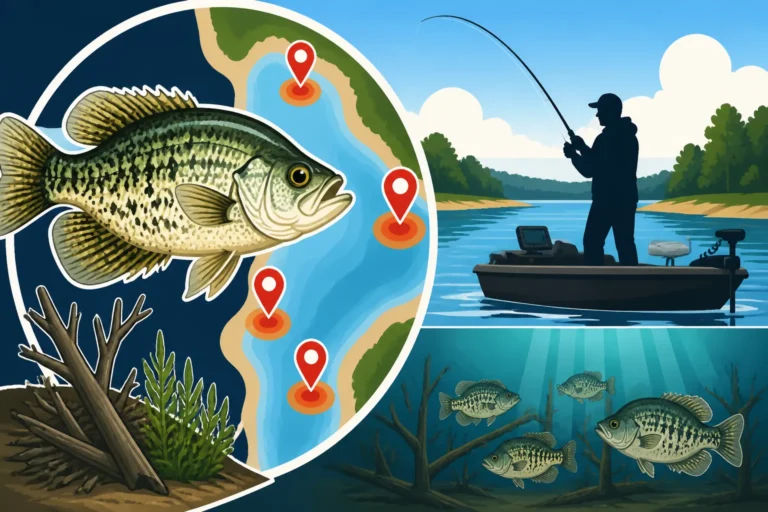
During summer, crappie retreat to deeper, cooler waters, often suspending over creek channels, ledges, humps, and brush piles in 15-30 feet or more. This is when vertical jigging with spoons or small swimbaits, slow-trolling with multiple rods (spider rigging) using minnows or jigs, and night fishing under lights become highly effective. The light attracts baitfish, which in turn draws in crappie. As fall arrives and water temperatures drop, crappie become more active, feeding heavily to build up reserves for winter. They'll often move back shallower, particularly in the mornings and evenings, concentrating around channels and brush, making for excellent jigging and minnow fishing. Finally, winter crappie fishing can be challenging but rewarding. Fish often school tightly in deep water, usually around brush piles, timber, or channel bends. Electronics are vital for locating these schools, and vertical jigging with small spoons or slow-moving jigs is the preferred method. Our detailed guide on Crappie Fishing Techniques and Seasonal Patterns in Oklahoma offers an even deeper dive into these seasonal shifts.
Essential Gear for Crappie Anglers
You don't need a boatload of expensive gear to catch crappie, but having the right tools for the job certainly helps. For rods, a light to medium-light action spinning rod, 6 to 8 feet long, is ideal. This length provides good casting distance and excellent sensitivity for detecting those subtle crappie bites. Pair it with a small, lightweight spinning reel spooled with 4-8 pound test monofilament or fluorocarbon line. Braided line can also be used for increased sensitivity, though some prefer the stretch of mono.
When it comes to baits, live minnows are a classic crappie killer, especially when suspended under a bobber or fished on a spider rig. Small jigs, typically 1/32 to 1/8 ounce, are incredibly versatile. Popular styles include tube jigs, curly tail grubs, and hair jigs. Colors vary by water clarity and angler preference, but chartreuse, white, black, and various shades of green and brown are reliable producers. For deeper water, small spoons or blade baits can be effective. Don't forget essentials like pliers, a measuring tape (especially for those 10-inch minimum lakes!), and a comfortable tackle box to keep your jigs organized. If you're looking for tips on how to fish from the bank, our article on How to Catch Crappie from the Bank is an excellent resource.
Planning Your Crappie Fishing Adventure
Embarking on a crappie fishing trip in Oklahoma should be an exciting and stress-free experience. A little planning goes a long way in ensuring you have everything in order, from understanding the local conditions to having all your legal documents in check. Whether you're a seasoned angler or planning a family outing, these considerations will help you make the most of your time on the water.
Tapping into Local Knowledge and Guides
One of the absolute best ways to shortcut the learning curve on a new lake, or even a familiar one, is to tap into local knowledge. Tackle shops, bait stores, and local online fishing forums are treasure troves of information. The folks working at these shops often have up-to-the-minute reports on what's biting, where, and on what bait. Don't be shy about asking questions! They are usually passionate anglers themselves and love to share their insights.
For a truly immersive and educational experience, consider hiring a professional crappie guide. Guides spend countless hours on the water, tracking fish movements, understanding patterns, and knowing exactly where the crappie are hiding. A guided trip can teach you techniques, reveal hotspots, and dramatically increase your chances of a successful outing. Services like FishingBooker make it incredibly easy to find and book experienced crappie guides across Oklahoma, providing reviews and details to help you choose the perfect fit for your trip. It’s an investment that often pays dividends in knowledge and memorable catches.
When and How to Get Your License
Before you even think about casting a line in Oklahoma, you absolutely must have a valid Oklahoma fishing license. This isn't just a suggestion; it's a legal requirement for most anglers over the age of 16 (there are some exceptions for residents, such as those over 65 who qualify for a senior lifetime license). The good news is that obtaining a fishing license in Oklahoma is quite straightforward.
You can purchase your license in several convenient ways. The quickest and easiest method for many is to buy it online through the Oklahoma Department of Wildlife Conservation (ODWC) website. You can often print it right from home or display it on your smartphone. Alternatively, licenses are available at hundreds of authorized license vendors across the state, including many sporting goods stores, bait shops, and even some Walmarts. Make sure you understand the different types of licenses available, whether you need an annual resident license, a 1-day pass, or a nonresident option. To get started, our comprehensive guide on How to Buy an Oklahoma Fishing License Online walks you through the entire process, ensuring you're legal and ready to fish. Knowing the details about Oklahoma Fishing License Costs and Types will help you pick the right one for your needs.
Disclaimer
The information provided in this guide is for general informational purposes only and is subject to change. Fishing regulations, including bag limits, size limits, and licensing requirements, can vary by season, location, and year. It is the angler's responsibility to consult the current Oklahoma Fishing Regulations Guide published by the Oklahoma Department of Wildlife Conservation (ODWC) before engaging in any fishing activities. Adherence to all state and local laws is mandatory.