Where to Catch Crappie on Lake Eufaula
Alright, fellow anglers, let's talk crappie on Lake Eufaula. If you've ever cast a line into Oklahoma's largest lake, you know it's a vast expanse, and trying to find those elusive papermouths can feel like searching for a needle in a haystack. But don't despair! With a little know-how about their habits and where they like to hang out, you can dramatically increase your chances of filling your livewell with these delicious panfish. This guide is all about helping you pinpoint those crappie hotspots on Lake Eufaula and arming you with the tactics to reel them in.
Understanding Crappie Behavior on Lake Eufaula
Before we dive into specific locations, it's crucial to understand a bit about crappie behavior, especially on a reservoir as massive and diverse as Lake Eufaula. Crappie aren't just swimming around aimlessly; they're creatures of habit, often relating to specific types of structure and depth, which changes throughout the year. Knowing this foundational information is your first step to consistent success.
The Seasonal Dance of Crappie Movements
Crappie in Lake Eufaula, much like in other large impoundments, undergo a significant seasonal migration. In the spring, when water temperatures start to climb into the 50s and 60s Fahrenheit, their thoughts turn to spawning. This is prime time to find them moving into shallow coves, brushy areas, and submerged timber, typically in 2 to 6 feet of water. They're looking for firm bottoms, often near woody cover or emergent vegetation, to lay their eggs. This pre-spawn and spawn period is often when anglers have the easiest time catching numbers of fish. You can learn more about this crucial period in our guide on how to Catch Crappie During the Spring Spawn at Lake Eufaula, Oklahoma.
As summer heats up, crappie generally retreat to deeper, cooler waters. You'll find them suspended over creek channels, near submerged humps, or relating to deep brush piles and bridge pilings, often at depths of 15 to 25 feet, or even deeper depending on oxygen levels. They might move shallow briefly during low light hours, but generally, summer means fishing deeper structure. Fall brings another transition as water temperatures begin to cool. Crappie will start to move shallower again, often schooling up on baitfish along creek channels and secondary points, feeding aggressively to build up fat reserves for winter. Finally, in winter, they return to deeper main lake channels, typically holding tight to structure like timber or ledges, often suspending just above the bottom.
Crappie's Affinity for Structure and Cover
Crappie are masters of camouflage and love to hide in cover, which serves multiple purposes for them. It offers protection from predators like bass and stripers, and it's also where their prey, primarily shad and other small baitfish, often congregate. On Lake Eufaula, this means you need to be looking for flooded timber, standing brush piles (natural or man-made), bridge pilings, rock jetties, and ledges along old creek and river channels.
The sheer volume of structure on Lake Eufaula is both a blessing and a curse. It means there's always somewhere for crappie to be, but it also means there are endless places for them to hide. Many local anglers and guides spend countless hours building and maintaining their own brush piles, sinking Christmas trees or bundles of cedar to create prime crappie habitat. These submerged sanctuaries are goldmines, but they're often kept secret. If you're fortunate enough to find one, fish it thoroughly, but always be respectful of other anglers and their spots.
Key Crappie Hotspots on Lake Eufaula
Lake Eufaula is enormous, covering over 100,000 acres, so breaking it down into manageable sections is key to finding crappie. While crappie can be found pretty much anywhere there's good habitat, certain areas consistently produce better results due to their abundance of structure, baitfish, and favorable conditions.
The Productive North End: River Arms and Shallow Flats
The northern reaches of Lake Eufaula, particularly the Deep Fork and North Canadian River arms, are renowned crappie factories. These areas are characterized by vast shallow flats, numerous creek channels, and extensive flooded timber and brush, especially upstream. During the spring spawn, these river arms are absolutely buzzing with crappie moving into the shallower bays and coves. Look for areas where the old river channel meanders close to a brushy bank or a shallow flat.
- Duchess Creek and Deep Fork Arm: These sections offer excellent crappie fishing due to their nutrient-rich waters and abundant woody cover. You'll find crappie congregating around flooded willows, cypress trees, and submerged log jams. In spring, target the backs of coves and protected pockets. During summer and winter, focus on the deeper bends of the creek channels and any significant brush piles you can locate with your electronics. These areas are often more stained, which crappie tend to prefer.
- North Canadian River Arm: Similar to the Deep Fork, this arm provides a labyrinth of shallow cover and creek channels. Access can be a bit more challenging in some spots, which often means less fishing pressure. Look for small feeder creeks joining the main river channel; crappie often stage in these transition zones before moving shallower or deeper. Using a service like FishingBooker can help you find local guides who specialize in these challenging but rewarding areas.
Central Lake Structures: Bridges, Humps, and State Parks
Moving south into the central part of the lake, the character of Eufaula changes, offering deeper water and different types of structure. This section is often more accessible and features prominent landmarks that hold crappie year-round.
- Highway 9 and Highway 150 Bridge Pilings: Bridges are notorious crappie magnets, and the pilings on Lake Eufaula's major crossings are no exception. These vertical structures offer both shade and current breaks, attracting baitfish and, consequently, crappie. Fish around the pilings, especially on the upstream or downstream side depending on current, looking for suspended schools. This is a great spot for vertical jigging or tightlining minnows. The sheer number of pilings means you can spend an entire day dissecting these areas.
- Fountainhead State Park and Arrowhead State Park Areas: The coves and points around these state parks offer a mix of shallow and deep water access, making them versatile crappie grounds. In spring, the protected coves within the parks' boundaries are excellent for spawning crappie. As the seasons progress, look for submerged points and offshore humps that drop into deeper water, often holding brush piles placed by anglers or natural debris. These parks also offer excellent bank fishing access for crappie, especially during the spring. For those without a boat, learning how to Catch Crappie from the Bank is an invaluable skill.
Southern Lake Deep Water and Rip-Rap
The southern end of Lake Eufaula, closer to the dam, generally features deeper, clearer water and more rocky structure. While it might not have the same expansive shallow flats as the north, it offers fantastic deep-water crappie opportunities.
- Eufaula Dam Area and Rip-Rap: The rip-rap along the dam itself, as well as nearby rocky points, can be excellent crappie spots, especially during cooler months. The rocks absorb heat and provide habitat for invertebrates, which in turn attract baitfish. Vertical jigging small jigs or minnows parallel to the rip-rap can be very effective. Be mindful of boat traffic, especially during peak season.
- Main Lake Channel Ledges: The old Canadian River channel runs through the southern end of the lake, offering distinct ledges and drops where crappie often suspend. Utilize your fish finder to locate these ledges and any brush or timber that might be clinging to them. This is often where you'll find larger schools of crappie in the summer and winter months.
Effective Techniques and Baits for Lake Eufaula Crappie
Finding the crappie is half the battle; the other half is convincing them to bite. Lake Eufaula crappie respond well to a variety of techniques and baits, but choosing the right one often depends on the season and the depth you're fishing.
Jigging and Live Bait Strategies
These are arguably the two most popular and effective methods for catching crappie on Lake Eufaula.
- Minnows are King: There's an old saying for a reason: "Minnows catch fish." Live minnows are incredibly effective for crappie, especially when they're a bit finicky. You can fish them under a bobber in shallow water during the spawn, or tightline them vertically over brush piles in deeper water. Many anglers use a simple slip-sinker rig or a split-shot rig to present minnows at precise depths. You can learn more about this in our guide on Best Bait for Crappie in Oklahoma.
- Jigging for Numbers: Small jigs, typically 1/16 to 1/8 ounce, tipped with soft plastic bodies, are incredibly versatile. Colors like chartreuse, white, black/chartreuse, and pink are perennial favorites on Eufaula. You can cast and retrieve them, often letting them fall along structure, or vertical jig them over brush piles. Spider rigging, which involves slow-trolling multiple rods with jigs or minnows at different depths, is a highly effective way to cover water and locate schools, particularly in the more open areas of the lake. Learning various Crappie Jigging Techniques can really up your game.
Adjusting Tactics for Each Season
Just as crappie move seasonally, your techniques need to adapt.
- Spring Fling: In spring, focus on casting small jigs or bobber-fishing minnows into shallow coves, around visible timber, and in brushy areas in 2-8 feet of water. Target protected bays that warm up quickly. This is often when you'll find the biggest slabs moving in to spawn.
- Summer Deep Dive: When the sun blazes, crappie head for deeper water. This is when vertical jigging over sunken brush piles, bridge pilings, and along creek channel ledges becomes paramount. Pay close attention to your fish finder to locate schools suspended over or in structure. Many anglers also find success night fishing under lights during the summer, drawing in baitfish and crappie to the illuminated areas.
- Fall Feeding Frenzy: As temperatures cool, crappie become aggressive feeders. Trolling jigs or crankbaits along creek channels and secondary points can be very productive as crappie chase schools of shad. Casting jigs to brush piles on points where crappie stage before moving deeper for winter is also effective.
- Winter Wonders: Crappie will hold tight to deep structure during winter. Vertical jigging small spoons or jigs, or carefully presenting minnows, directly into thick brush piles or along sharp drops is the ticket. Don't be afraid to fish slowly and patiently; winter crappie can be lethargic. You'll want to understand Oklahoma's Statewide Crappie Bag Limit and how Many Crappie You Can Keep in Oklahoma when you hit the water.
Table: Seasonal Crappie Fishing Strategies for Lake Eufaula
Here's a quick reference for adapting your crappie fishing to the changing seasons on Lake Eufaula:
| Season | Typical Depth (Feet) | Preferred Locations | Effective Techniques | Go-To Baits/Lures |
|---|---|---|---|---|
| Spring | 2-8 | Shallow coves, brushy banks, flooded timber, creek mouths | Casting jigs, bobber fishing, slow trolling | Live minnows, 1/16 oz jigs (chartreuse, white) |
| Summer | 15-30+ | Deep brush piles, bridge pilings, creek channels, humps | Vertical jigging, spider rigging, night fishing under lights | Live minnows, 1/8 oz jigs, small crankbaits |
| Fall | 8-20 | Secondary points, creek channels, brush piles on points | Trolling, casting jigs, slow retrieving | Live minnows, 1/8 oz jigs (natural colors) |
| Winter | 20-40+ | Deep main lake channels, tight to heavy structure | Vertical jigging, slow presentations | Small spoons, 1/16 oz jigs, live minnows |
Getting Around and Finding Crappie on Lake Eufaula
Navigating such a large lake and consistently finding crappie requires more than just a good rod and reel. It involves using modern technology, leveraging local knowledge, and understanding access points.
Utilizing Modern Fishing Technology
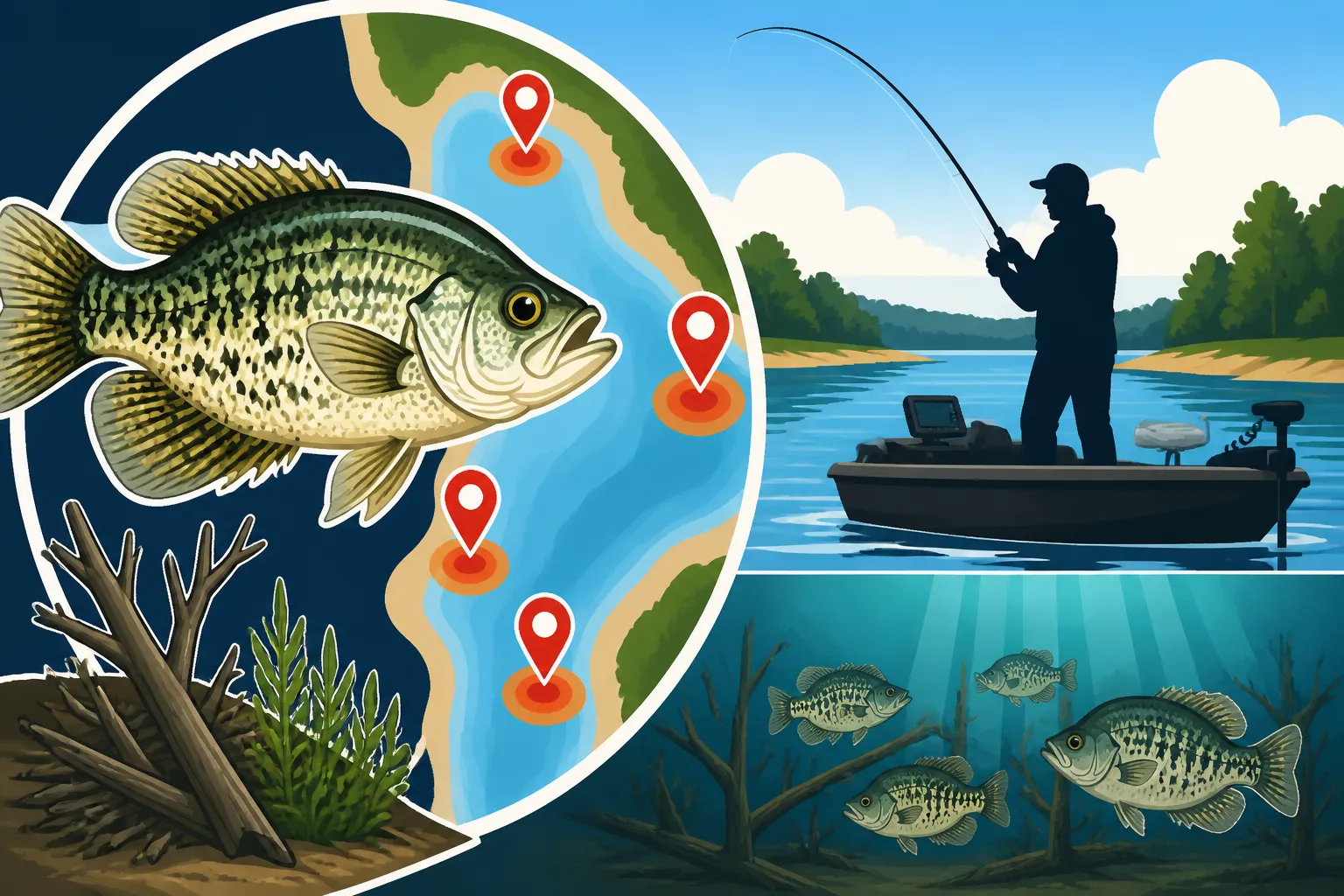
Today's anglers have an incredible array of tools at their disposal. A quality fish finder with side imaging and down imaging capabilities can be an absolute game-changer on Lake Eufaula. These units allow you to scan large areas quickly to identify submerged timber, brush piles, and even schools of crappie holding to structure. Pay attention to contour maps, too; they reveal old creek beds, humps, and points that are invisible from the surface but are prime crappie real estate.
Many anglers also use GPS-enabled units to mark waypoints for productive brush piles or specific stretches of structure. This allows you to return to productive spots year after year. Don't be afraid to spend time idling around potential crappie areas, diligently scanning with your electronics before you even drop a line. Often, the fish are suspended just above or to the side of the main structure, so a good understanding of your sonar is crucial.
Local Knowledge and Access Points
While technology is powerful, nothing beats good old-fashioned local knowledge. Don't hesitate to visit local bait shops around Eufaula. The folks working there are often avid anglers themselves and can provide invaluable, up-to-the-minute reports on where the crappie are biting and what baits they're hitting. They'll also know about recent stocking efforts or any temporary closures.
Lake Eufaula has numerous public boat ramps, making access generally straightforward. Popular ramps can be found near the town of Eufaula, at the various state parks, and along the river arms. You can find more specific information in our guide on Best Boat Ramps on Lake Eufaula, Oklahoma. If you're visiting and want a guaranteed shot at crappie, consider hiring a local guide through a platform like FishingBooker. They know the lake like the back of their hand and can put you on fish faster than you could ever find them on your own. They have the boats, the gear, and the local expertise to make your trip a success.
Remember, fishing is an ongoing learning process. The more time you spend on the water, observing and experimenting, the better you'll become at finding those elusive Lake Eufaula crappie. Happy fishing, and tight lines!
Disclaimer
The information provided in this guide is for general informational purposes only. Fishing regulations, conditions, and fish behavior can change rapidly. Always consult the latest regulations from the Oklahoma Department of Wildlife Conservation (ODWC) before fishing. Exercise caution and good judgment when on the water.