Best Places to Fish in Oklahoma
Figuring out where to drop your line in Oklahoma can feel like trying to pick a single star out of the Milky Way on a clear night – there are just so many incredible options, and it's easy to get overwhelmed. You might have heard whispers about monster bass at Texoma or giant crappie at Eufaula, but knowing which spot truly fits your fishing style and targets can be a real head-scratcher. This comprehensive guide is here to cut through the confusion, offering a deep dive into the very best fishing spots across the Sooner State, ensuring your next outing is a resounding success.
Understanding Oklahoma's Diverse Fisheries
Oklahoma is a hidden gem for anglers, a state blessed with an incredible array of aquatic environments. We're not just talking about a few good lakes; we're talking about a rich tapestry of rivers, streams, and massive reservoirs that cater to every kind of fishing passion, from tranquil fly-fishing for trout to high-octane pursuit of trophy catfish. This diversity is what makes our state so special for those of us who love to wet a line.
From Mountain Lakes to Prairie Reservoirs
When you picture Oklahoma, you might think of flat plains, but the truth is far more varied and exciting, especially when it comes to our fishing landscape. In the southeastern part of the state, you'll find the stunning Ouachita Mountains, home to deep, clear, spring-fed lakes like Broken Bow. These lakes offer different challenges and rewards compared to the vast, sprawling prairie reservoirs in the central and northern regions, such as Lake Eufaula or Grand Lake O' the Cherokees. Each body of water has its own unique character, influenced by its geology, water clarity, and the type of forage available to fish. It's this geographical variety that contributes to such a wide range of fishing experiences.
Moving west, you'll encounter the red rock country and more urban-proximate lakes, each presenting its own distinct ecosystem. Understanding these differences is key to choosing your next adventure. Are you looking for crystal-clear waters where you can sight fish for smallmouth bass, or do you prefer the sprawling, timber-filled impoundments that hide some of the biggest largemouth bass around? The geology dictates the water's mineral content, which in turn influences the aquatic vegetation and insect life, ultimately shaping the fish populations. It’s a fascinating interconnected system that makes every fishing trip a new discovery.
Key Fish Species to Target Across the State
Oklahoma's waters are teeming with a fantastic variety of fish, making it a dream destination for anglers targeting specific species. Most folks immediately think of bass, crappie, and catfish, and for good reason – these are abundant and offer incredible sport. We've got all three black bass species: largemouth, smallmouth, and spotted bass, each with its own preferred habitat and fighting style. Largemouth often lurk in submerged timber and hydrilla beds, while smallmouth prefer rocky points and clear, cool water. Spotted bass are a bit of a hybrid, often found in both.
Beyond the black bass, Oklahoma is renowned for its incredible populations of crappie, both black and white, which are a blast to catch and even better to eat. You'll find them schooling around brush piles, bridge pilings, and standing timber. And let's not forget the catfish! Channel, blue, and flathead catfish grow to impressive sizes here, with blues reaching truly monstrous proportions in our larger reservoirs. But the list doesn't stop there. We also have thriving populations of striped bass, particularly in Lake Texoma, walleye in several northern lakes, and even year-round trout fisheries in designated areas like the Lower Mountain Fork River. Knowing which species thrive in which regions will greatly enhance your chances of success.
Top Tier Lakes for Trophy Bass Anglers
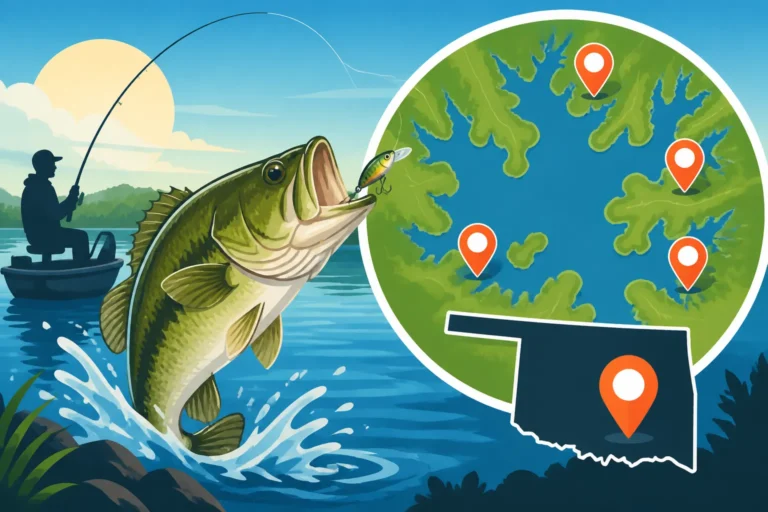
If chasing the thrill of a hard-fighting bass is what gets your blood pumping, Oklahoma has some world-class destinations that consistently produce trophy-sized fish. These lakes aren't just big; they're rich ecosystems designed to grow chunky largemouth, feisty smallmouth, and aggressive spotted bass. Tournament anglers flock to these waters, and for good reason – the potential for a personal best is always on the table.
Lake Texoma: Striper and Black Bass Haven
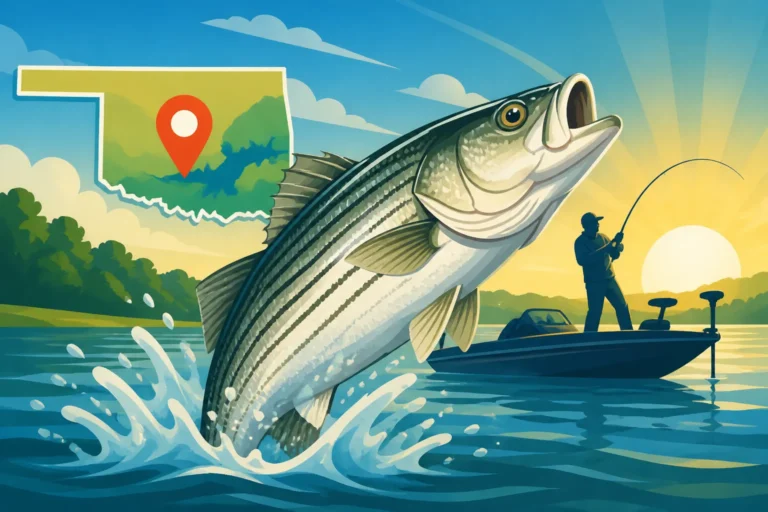
Lake Texoma, straddling the Oklahoma-Texas border, is a true angling marvel and a premier destination for those serious about bass fishing. While it's famously known as the "Striper Capital of the World" for its phenomenal population of striped bass, often highlighted in resources like our Lake Texoma Fishing Guide for Oklahoma Anglers, it also boasts an incredible black bass fishery. Largemouth bass thrive in its diverse habitats, from shallow coves filled with submerged vegetation to rocky points and ledges. You'll find anglers pitching jigs and soft plastics into brush piles or cranking square bills along riprap shorelines, all in pursuit of those thick, powerful largemouth.
The sheer size of Texoma, with its impressive 89,000 surface acres and 1,250 miles of shoreline, means there's always a new spot to explore. The lake's abundant forage base, including gizzard shad and various sunfish, contributes to the excellent growth rates of its bass. For those targeting smallmouth bass, look for the clearer, rockier areas, particularly around the dam and along bluffs. These bronze beauties offer an incredible fight, and Texoma has some real giants. Don't underestimate the spotted bass here either; they often school up and provide fast action, especially on deep-diving crankbaits or shaky heads. The diverse structure and ample food sources make Texoma a consistently productive lake for all types of bass fishing.
Grand Lake O' the Cherokees: Tournament Favorite
Grand Lake O' the Cherokees, located in northeast Oklahoma, is another absolute powerhouse when it comes to bass fishing. This sprawling reservoir, with over 46,000 acres, is a consistent host for major bass tournaments, including stops on the Bassmaster Classic and Major League Fishing circuits. The reason is simple: Grand Lake holds a massive population of largemouth bass, with plenty of five to eight-pounders swimming its depths. Its varied topography, featuring numerous coves, creek arms, rocky bluffs, and standing timber, provides ample cover and feeding grounds for bass throughout the year.
Anglers targeting Grand Lake's bass often employ a variety of techniques depending on the season. In the spring, spinnerbaits and crankbaits worked around spawning flats and shallow cover are highly effective. As summer heats up, bass move deeper to submerged humps, ledges, and brush piles, where jigs, deep crankbaits, and Carolina rigs come into play. The fall bite can be explosive as bass chase shad in open water. Additionally, Grand Lake has a healthy population of spotted bass, especially in the clearer main lake areas and around rock structures. Checking out a comprehensive guide like our Grand Lake O' the Cherokees Bass Fishing Guide can offer even more tailored advice for this fantastic fishery. This lake truly offers a challenge and a reward for any dedicated bass angler.
Lake Eufaula: The Gentle Giant's Abundance
Lake Eufaula, often affectionately called "Oklahoma's Gentle Giant," is the largest lake entirely within the state's borders, covering a staggering 102,000 surface acres. While its sheer size might seem daunting, it's also what contributes to its incredible abundance of largemouth bass. Eufaula is known for its vast expanses of submerged timber, hydrilla beds, and countless creek channels, creating an ideal environment for bass to grow large and healthy. It's a lake where patience and persistence can really pay off with some truly impressive catches.
Unlike some clearer, rockier lakes, Eufaula tends to have stained to murky water in many areas, particularly up its river arms, which often means an aggressive power-fishing bite. Spinnerbaits, chatterbaits, and lipless crankbaits can be incredibly effective when fish are active, especially around newly submerged vegetation. As the seasons change, bass will relate to the myriad of creek channels, humps, and ledges. Flipping and pitching jigs or Texas-rigged plastics into the dense timber is a classic Eufaula technique that has produced countless trophy bass over the years. This lake offers endless opportunities to explore and find your own honey hole, making it a perennial favorite for bass anglers seeking both quantity and quality.
Crappie Hotspots You Can't Miss
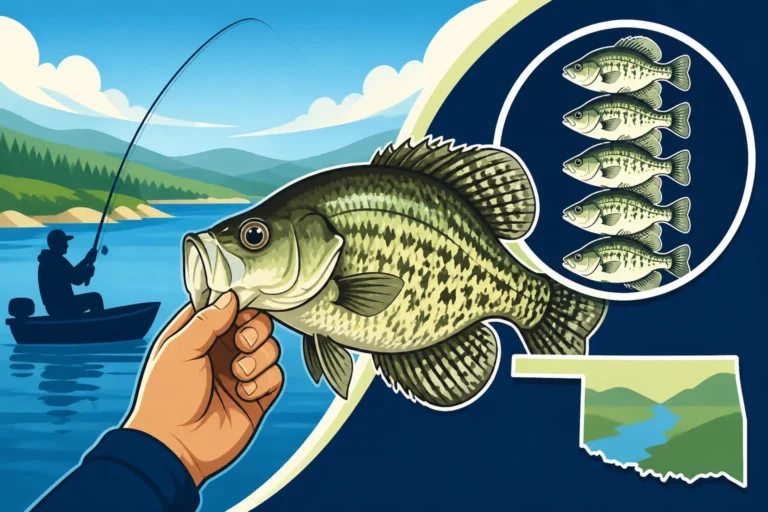
For many Oklahoma anglers, the pursuit of crappie is a passion. These delicious panfish offer fantastic light-tackle action, and they tend to congregate in predictable patterns, making them a rewarding target. Oklahoma is home to some truly outstanding crappie fisheries, where you can fill a cooler for a delicious fish fry or simply enjoy the steady tug on your line.
Fort Gibson Lake: Consistent Crappie Action
Fort Gibson Lake, located in northeastern Oklahoma, consistently ranks high on the list for crappie enthusiasts. With over 19,000 acres, it's a diverse fishery that offers both black and white crappie in abundance. The lake's countless brush piles, standing timber, bridge pilings, and natural channels create perfect habitat for these schooling fish. Many anglers find the crappie here to be quite cooperative, often schooling up in large numbers, which means fast action once you locate a productive spot.
Throughout the year, techniques vary, but Fort Gibson delivers. In the spring, crappie move into shallow coves and creek arms for their spawn, becoming excellent targets for jigging with small plastics or fishing minnows under a bobber. As summer progresses, they'll retreat to deeper brush piles and channel edges, where spider rigging with multiple rods or vertical jigging can be incredibly effective. Even in winter, the crappie remain catchable in deeper channels and under docks. Remember to check the local regulations, as Fort Gibson Lake's 15-Fish Crappie Limit is one of the Stricter Crappie Limits at Six Oklahoma Lakes, which helps maintain a healthy population for everyone to enjoy.
Tenkiller Ferry Lake: Clear Waters, Abundant Slabs
Tenkiller Ferry Lake, nestled in the scenic Cookson Hills of eastern Oklahoma, is renowned for its crystal-clear waters and stunning bluffs, making it a favorite not just for its beauty but for its fantastic crappie fishing. The clear water here means crappie can be a bit more finicky than in some murkier lakes, but when you find them, the rewards are often chunky, healthy slabs. Both black and white crappie thrive in Tenkiller, often relating to the lake's abundant submerged timber, rock ledges, and numerous natural and man-made brush piles.
Anglers targeting crappie on Tenkiller often adapt their techniques to the water clarity. Light lines, subtle presentations, and natural-colored jigs or live minnows are often the most successful. In the spring, look for crappie moving into shallower coves and around shoreline brush. During the hotter months, they'll suspend over deeper structure or along bluff walls, where vertical jigging or slow trolling with jigs and minnows can be very productive. The lake's deep, clear waters allow for exciting electronic scouting, letting you pinpoint those schools before you even drop a line. Just like Fort Gibson, Tenkiller Lake's 10-Inch Crappie Minimum and lower daily limits are in place to ensure a robust fishery, so be mindful of the local rules.
Lake Arbuckle: Quality Over Quantity for Crappie
Lake Arbuckle, located near Sulphur in south-central Oklahoma, might not be as widely known for crappie as some of the larger reservoirs, but it offers a unique and often high-quality crappie fishing experience. This relatively smaller lake (2,350 acres) is known for its deep, clear waters and excellent structure, including steep drops, rock formations, and abundant standing timber. The crappie here tend to be well-fed and robust, providing a good fight on light tackle.
Due to the clear water, similar to Tenkiller, finesse techniques often pay dividends at Lake Arbuckle. Small jigs, particularly those with a lot of natural action, and live minnows are go-to baits. Crappie will often relate to the deeper timber and brush piles throughout the year. In spring, they'll push into the shallower coves and around shoreline structures to spawn, providing excellent opportunities for bank anglers as well as boaters. It’s also important to be aware of the specific regulations here, as Lake Arbuckle is another one of those Oklahoma lakes with a 10-inch minimum length limit and reduced bag limit for crappie. This focus on quality over sheer numbers makes it a fantastic destination for those who appreciate catching larger, healthier fish.
Where to Land Monster Catfish
Oklahoma's reputation for giant catfish is well-deserved. The state's large rivers and nutrient-rich reservoirs provide the perfect conditions for channel, blue, and flathead catfish to grow to incredible sizes. If you're looking for a serious tug-of-war with a fish that can easily top 50 pounds, then these spots should be at the top of your list.
Lake Texoma: Blue Catfish Mecca
We've already mentioned Lake Texoma for its bass, but for catfish anglers, especially those chasing blue cats, it's nothing short of a legend. Lake Texoma is widely regarded as one of the best blue catfish fisheries in the entire country, consistently producing monster fish, including the state record. The lake's vast size, strong current from the Red and Washita Rivers, and massive populations of gizzard shad and other baitfish provide the perfect buffet for these apex predators. It's not uncommon to hear tales of anglers battling blues well over 60 pounds here.
The best techniques for targeting these giants often involve anchoring up on main lake humps, ledges, or channels and setting out large cut baits – shad, perch, or even carp work wonderfully. You'll need heavy-duty gear, stout rods, and reels capable of handling immense strain. In the colder months, blue cats tend to congregate in deeper holes and along major river channels. During warmer periods, they might move shallower, especially at night. Many anglers also have success drift fishing large cut baits over expansive flats, covering a lot of water to locate active fish. The potential for a truly once-in-a-lifetime catch makes Lake Texoma the premier destination for serious blue cat hunters. Just be aware of The 30-Inch Blue Catfish Rule in Oklahoma when planning your outing.
Lake Eufaula: Flathead and Channel Catfish Delight
While Lake Texoma dominates the blue catfish scene, Lake Eufaula offers an incredible fishery for both flathead and channel catfish, often producing some truly impressive specimens. The sheer amount of submerged timber, logjams, and river channels in Eufaula creates ideal habitat for big flatheads, which are ambush predators known for their preference for live bait. Channel catfish, on the other hand, are widespread throughout the lake and readily take a variety of baits.
For flatheads, live perch, sunfish, or even small carp are the preferred offerings, usually fished on heavy tackle around dense cover, creek mouths, or submerged structures. Night fishing is often key for these nocturnal giants. Channel catfish are much more adaptable and can be caught almost anywhere on the lake using prepared baits, cut bait, or worms. They'll frequent shallower coves, riprap shorelines, and main lake points. The numerous fishing piers and bank access points around Eufaula make it an excellent choice for anglers without a boat who still want to target quality catfish. The diversity of its catfish population ensures that no matter your preferred species or fishing style, Lake Eufaula has something to offer.
Keystone Lake: Trophy Catfish Potential
Keystone Lake, located west of Tulsa, is another fantastic option for catfish anglers looking for a shot at a trophy. This large reservoir, fed by the Arkansas and Cimarron Rivers, features extensive mud flats, river channels, and standing timber, all of which contribute to a healthy population of blue, channel, and flathead catfish. While perhaps not as famous as Texoma for blues, Keystone consistently produces excellent numbers of large catfish across all three species.
Blue catfish are frequently caught in the deeper river channels and along the main lake ledges, often by anglers drifting cut baits or anchoring with sonar to pinpoint schools. The areas near the dam and the power plant are known hotspots due to current and warm water discharges. Flathead catfish lurk in the countless logjams and dense timber, especially in the upper reaches of the river arms, making them a challenging but rewarding target for those using live bait. Channel catfish are abundant throughout the lake, and you can find them in shallower areas, especially near inflows after a rain, taking everything from stink bait to worms. Keystone Lake truly offers diverse catfish opportunities, from easy bank fishing for channels to serious trophy hunting for blues and flatheads.
Unique and Underappreciated Fishing Destinations
While the big names get most of the glory, Oklahoma is full of hidden gems and unique fisheries that offer incredible experiences beyond the typical bass and crappie pursuit. These spots provide different challenges and rewards, often in stunning natural settings, perfect for when you want to try something a little different.
Broken Bow Lake: Scenic Beauty and Walleye
Broken Bow Lake, tucked away in the beautiful Ouachita Mountains of southeastern Oklahoma, is a true marvel. Known for its crystal-clear, deep waters and surrounding pine forests, it feels more like a mountain lake in the Rockies than an Oklahoma reservoir. While it has a healthy population of largemouth and smallmouth bass, what truly sets Broken Bow apart is its fantastic walleye fishery. Walleye are a prized catch, known for their delicious white meat and challenging nature, and Broken Bow is one of the best places in the state to target them.
The clear water means walleye can be quite sight-sensitive, so low-light conditions (dawn, dusk, or cloudy days) and subtle presentations are often key. Trolling with crankbaits or spinner rigs over main lake humps and points can be effective, as can vertical jigging blade baits or spoons in deeper areas, especially near the dam. Beyond walleye, Broken Bow offers excellent fishing for smallmouth bass around its rocky bluffs and clear points, and its serene beauty makes any day on the water a peaceful escape. For those looking for a truly unique Oklahoma experience, perhaps even combining a fishing trip with hiking or cabin rentals, a Broken Bow Lake Fishing Guide on the Mountain Fork River is a must-read.
Lower Mountain Fork River: Premier Trout Fishing
Just below the dam of Broken Bow Lake lies another unique and highly sought-after fishery: the Lower Mountain Fork River. This river is one of Oklahoma's two year-round trout streams (the other being the Illinois River), maintained as a coldwater fishery by regular stockings of rainbow and brown trout by the Oklahoma Department of Wildlife Conservation (ODWC). For fly anglers and spin fishermen who crave the challenge of trout fishing, this is a premier destination.
The river is divided into several zones, with specific regulations for each, including catch-and-release-only sections and areas where artificial lures or flies only are permitted. This ensures a quality fishery and helps maintain healthy trout populations. Anglers here use everything from small inline spinners and spoons to delicate fly patterns like midges, nymphs, and dry flies. The natural beauty of the river, with its clear, flowing water and lush surroundings, adds to the incredible experience. It's a fantastic place to practice technical fishing skills and enjoy a species not commonly found in other Oklahoma waters.
Kaw Lake: White Bass Runs and More
Kaw Lake, situated in north-central Oklahoma near Ponca City, might not always make the national headlines, but it's a fantastic and often underappreciated fishery, particularly for its seasonal white bass runs and diverse angling opportunities. This large reservoir (17,000 acres) is fed by the Arkansas River, contributing to its nutrient-rich waters and abundant baitfish, which in turn support healthy populations of game fish.
The spring white bass run at Kaw Lake is legendary among local anglers. During this time, schools of white bass surge upstream into the river arms to spawn, creating incredible fast-action fishing. Anglers line the banks and fill boats, casting small jigs, inline spinners, and spoons into boiling schools of fish. Beyond white bass, Kaw Lake also holds excellent populations of crappie, especially around its numerous brush piles and standing timber, and a solid catfish fishery, with good numbers of channel and blue cats in its main channels and flats. It's a versatile lake that offers something for everyone, often with less pressure than some of the more famous destinations.
Family-Friendly and Accessible Fishing Spots
Fishing is a fantastic way to connect with nature and spend quality time with loved ones. Thankfully, Oklahoma offers numerous spots that are specifically geared towards making fishing easy, safe, and fun for the whole family, including beginners and children. You don't always need a fancy boat or expensive gear to enjoy a great day on the water here.
State Park Lakes and Ponds: Easy Access for All
Oklahoma's state parks are treasures, and many of them feature beautiful lakes and ponds that are perfect for a relaxed family fishing outing. These spots often come with amenities like fishing piers, paved access points, picnic areas, and restrooms, making them incredibly convenient. Lakes within state parks are frequently managed by the ODWC with an emphasis on accessibility and healthy fish populations, often stocked with species like channel catfish, sunfish (bluegill, redear), and sometimes even rainbow trout during winter months.
A great example is Lake Murray within Lake Murray State Park, which offers excellent bank access, multiple fishing piers, and a diverse fishery including bass, crappie, and catfish. These locations are ideal for teaching kids how to cast, bait a hook, and feel the thrill of a first catch. The focus isn't necessarily on landing a trophy, but on the joy of participation and enjoying the outdoors. Before you head out, you can check resources like Best State Park Fishing Spots in Oklahoma to find the perfect family-friendly location near you. The relaxed atmosphere and convenient facilities make these spots a top choice for creating lasting fishing memories.
Urban Fishing Programs: Close to Home Convenience
For those living in or near Oklahoma's larger cities, getting out to a major lake might not always be feasible. That's where the Oklahoma Department of Wildlife Conservation's Close to Home Fishing Program (CTH) comes in. This fantastic initiative manages and stocks dozens of small ponds and lakes in urban and suburban areas across the state, making fishing incredibly accessible for city dwellers and families. These ponds are typically stocked with easy-to-catch species like channel catfish, bluegill, and sometimes even trout, ensuring a high chance of success for beginners.
The beauty of the CTH program is its convenience. You can often find a well-maintained fishing pond just a short drive from your doorstep. These ponds usually have good bank access, often with fishing jetties or piers, and are regularly monitored. Imagine being able to take the kids out for an hour or two after school without having to pack for a full-day trip. It's an invaluable resource for fostering a love of fishing in new generations and providing quick, rewarding angling opportunities for everyone. This program helps address a common frustration: the time and travel barrier to enjoying the outdoors.
Planning Your Oklahoma Fishing Adventure
Once you have your sights set on a few promising fishing spots, the next step is to prepare for your trip. A little planning goes a long way in ensuring a successful and enjoyable day on the water, whether you're chasing bass, crappie, or catfish.
Essential Gear and Local Knowledge
Having the right gear is crucial, but it doesn't mean you need to break the bank. For most Oklahoma fishing, a medium-action spinning rod and reel combo, spooled with 8-12 pound monofilament or fluorocarbon line, will serve you well for a variety of species. A basic tackle box with an assortment of hooks (sizes 2 to 4/0), sinkers (split shot, bullet weights, egg sinkers), swivels, and a few key lures like plastic worms, jigs, and crankbaits will get you started. For specific species, you might need specialized gear – for example, a heavier setup for catfish or finesse tackle for clear-water crappie. You can find detailed advice in guides like Best Rods and Reels for Oklahoma Fishing.
Beyond the hardware, local knowledge is an invaluable asset. This means understanding seasonal patterns, knowing what baits are working, and identifying specific structures where fish are holding. Local bait shops are goldmines of information; the folks behind the counter usually have their fingers on the pulse of the local bite. Online fishing forums and social media groups dedicated to Oklahoma fishing can also provide real-time reports and tips. Pay attention to water temperatures, recent weather patterns, and even moon phases, as these can all influence fish behavior.
Utilizing Guides and Resources for Success
Sometimes, the best way to unlock a new fishery or target a challenging species is to lean on the expertise of a professional. Hiring a fishing guide, especially for a large or complex lake like Texoma or Grand Lake, can dramatically shorten the learning curve. A good guide knows the lake intimately, understands seasonal patterns, has the right gear, and can put you on fish faster than you could on your own. It's an investment that often pays off with memorable catches and valuable insights you can apply to future trips. Services like FishingBooker can be an excellent resource for finding reputable local fishing guides across Oklahoma, allowing you to compare options and book trips with confidence. They make it easy to see what's available for specific lakes and target species.
Beyond guides, there's a wealth of information available through the Oklahoma Department of Wildlife Conservation (ODWC) website, which offers detailed lake maps, stocking reports, and fishing forecasts. Subscribing to their newsletters or following their social media channels can keep you updated on current conditions and opportunities. Don't forget local magazines and outdoor publications too; they often feature articles and tips from experienced Oklahoma anglers. Leveraging these resources is a smart way to maximize your success and truly enjoy the fishing experiences our state has to offer.
Navigating Regulations and Best Practices
Before you cast a single line, it's absolutely vital to understand and adhere to Oklahoma's fishing regulations. These rules are in place not to make your life harder, but to ensure healthy fish populations for current and future generations of anglers. Ignoring them can lead to hefty fines and a ruined day on the water.
Understanding Licenses and Bag Limits
The most fundamental rule is having a valid fishing license. Most residents and non-residents over a certain age will need one. There are different types of licenses available, from annual to one-day options, and special considerations for seniors, youth, and those with disabilities. You can find comprehensive details about Fishing License Requirements in Oklahoma and also specific information like Oklahoma's Senior Fishing License Guide or Do Kids Need a Fishing License in Oklahoma? These resources clarify who needs what and how to obtain your license legally.
Beyond the license, every angler must be aware of species-specific bag limits and size restrictions. These vary significantly by species and can even change from one lake to another. For example, Oklahoma's Bass Fishing Rules and Limits specify different regulations for largemouth, smallmouth, and spotted bass, and some lakes might have stricter rules. The same goes for Crappie Fishing Rules and Limits in Oklahoma, where certain lakes like Tenkiller or Arbuckle have 10-inch minimum length limits and reduced bag limits compared to the statewide standard. Similarly, for our catfish enthusiasts, understanding Oklahoma's Catfish Fishing Rules and Limits, particularly the nuances of the 30-inch blue catfish rule, is crucial. Always check the current ODWC fishing regulations guide before heading out – it's your bible on the water.
Practicing Catch and Release for Future Generations
While filling the cooler for a fish fry is certainly a joy, adopting responsible catch and release practices is paramount to sustaining our fisheries. Many anglers choose to release larger, trophy-sized fish, especially bass and catfish, allowing them to spawn and contribute to the gene pool. Even if you plan to keep some fish, knowing how to properly handle and release those you don't intend to keep minimizes stress and increases their chances of survival.
This includes minimizing their time out of water, handling them gently with wet hands, supporting their weight properly (especially larger fish), and using appropriate de-hooking tools. Avoid dragging fish on rough surfaces. For fish caught from deep water, especially those showing signs of barotrauma (like bulging eyes or distended stomachs), knowing how to properly vent or use a descending device can save their lives. Practicing these techniques ensures that the incredible fishing opportunities we enjoy today will be around for our kids and grandkids to experience, preserving the legacy of Oklahoma fishing.
Quick Reference for Top Oklahoma Fishing Lakes
To help you get started planning your next trip, here’s a quick overview of some of the best fishing lakes in Oklahoma and what they're known for. Remember, this is just a snapshot – each lake holds countless specific honey holes and seasonal patterns waiting to be discovered!
| Lake Name | Primary Target Species (Top 3) | Key Features & Habitat | Best For (Angler Type) | Notes & Considerations |
|---|---|---|---|---|
| Lake Texoma | Striped Bass, Blue Catfish, Largemouth Bass | Vast, deep, rocky, river channels | Trophy hunters, open water boating, multi-species | Famous for Stripers. Check specific bass/catfish limits. |
| Grand Lake O' the Cherokees | Largemouth Bass, Crappie, Paddlefish | Sprawling, diverse structure, timber | Tournament anglers, crappie enthusiasts, paddlefish snagging | Major tournament lake. Excellent for Paddlefish Snagging Season. |
| Lake Eufaula | Largemouth Bass, Channel Catfish, Crappie | Huge, submerged timber, hydrilla | Bank fishing, family trips, power fishing | Largest lake fully in OK. Great for numbers of fish. |
| Broken Bow Lake | Walleye, Smallmouth Bass, Largemouth Bass | Clear, deep, mountainous, rocky | Scenic beauty, walleye specialists, smallmouth | Unique mountain lake feel. Trout fishing below dam. |
| Fort Gibson Lake | Crappie, White Bass, Largemouth Bass | Standing timber, brush piles, channels | Consistent crappie action, white bass runs | Stricter crappie limits. |
| Tenkiller Ferry Lake | Crappie, Spotted Bass, Smallmouth Bass | Clear, deep, bluffs, rock ledges | Finesse crappie, clear water bass, scenic | 10-inch crappie minimum. |
| Keystone Lake | Catfish (Blue, Channel, Flathead), White Bass, Striper | River channels, mud flats, timber | Trophy catfish, white bass runs, diverse | Good for all catfish species. |
| Lake Arbuckle | Crappie, Largemouth Bass, Smallmouth Bass | Clear, deep, rock formations | Quality crappie, clear water bass | 10-inch crappie minimum. |
| Kaw Lake | White Bass, Crappie, Catfish | Open flats, river arms, mud bottom | Spring white bass runs, less pressured | Excellent for seasonal white bass migration. |
Disclaimer
The information provided in this guide is for general informational purposes only and is based on current knowledge and typical conditions. Fishing regulations, fish populations, and environmental conditions can change frequently. Always consult the official Oklahoma Department of Wildlife Conservation (ODWC) regulations and current local reports before planning any fishing trip to ensure compliance and safety. We are not responsible for any changes in regulations or conditions that may impact your fishing experience.