Paddlefish Snagging at Grand Lake O’ the Cherokees
There’s something uniquely thrilling, and let’s be honest, a little intimidating, about chasing Oklahoma’s prehistoric giants – the paddlefish. If you've ever dreamt of battling a fish bigger than yourself but felt overwhelmed by the gear, techniques, and strict rules, you're not alone. This guide is here to demystify paddlefish snagging at Grand Lake O' the Cherokees, offering a comprehensive look at how to tackle these incredible fish safely and successfully.
Understanding Paddlefish and Their Unique Fishery in Oklahoma
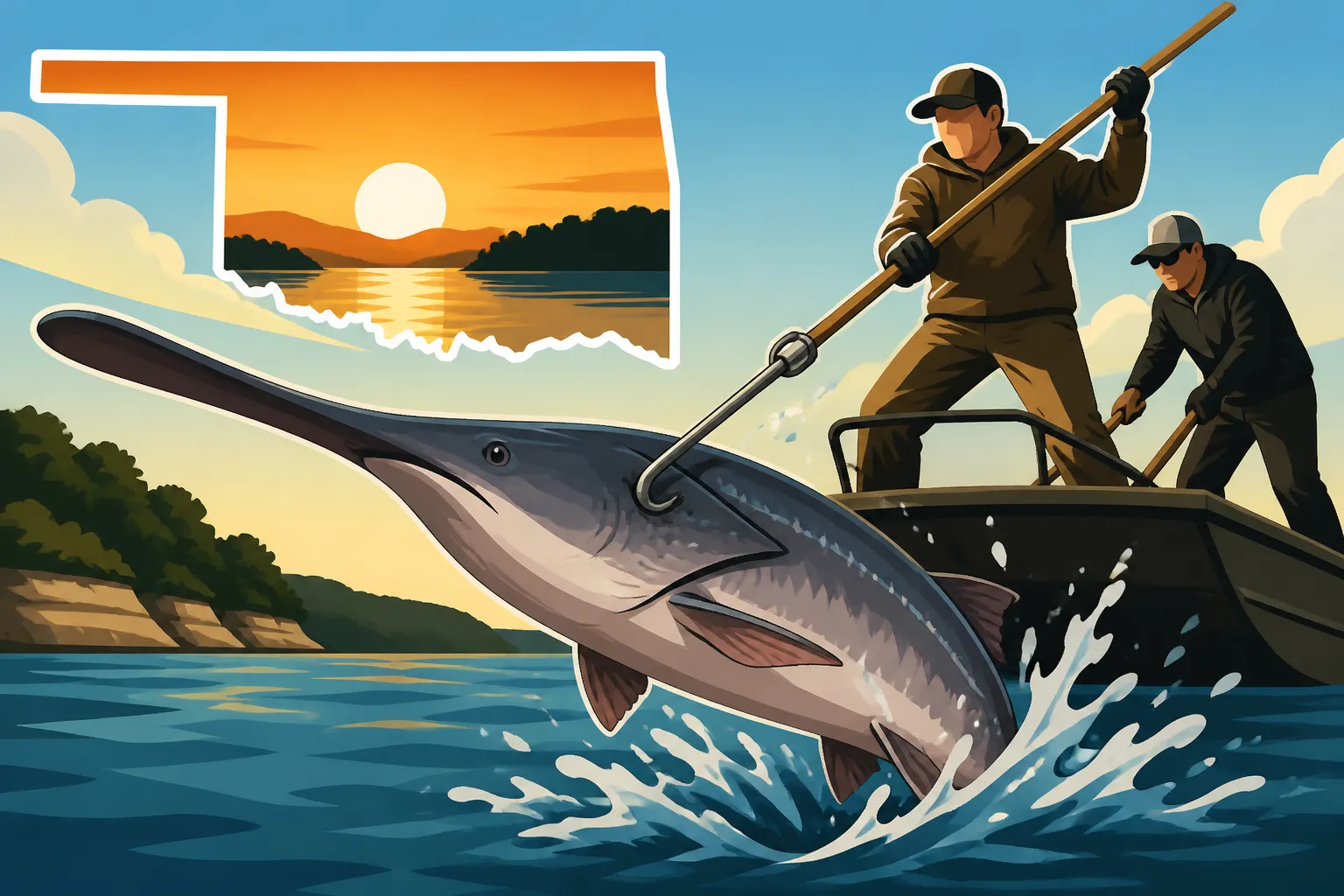
Paddlefish, often called "spoonbill" catfish by locals, are truly ancient fish, existing for millions of years with very little evolutionary change. They are filter feeders, which means they don't strike traditional baits with a mouth full of teeth. Instead, they swim with their mouths open, sifting plankton from the water column, and this unique feeding habit is precisely why we "snag" them.
What Exactly is a Paddlefish?
Imagine a fish with a long, flattened snout that makes up about a third of its body length – that’s the paddlefish. This "paddle" or rostrum is packed with electroreceptors, which they use to detect clouds of zooplankton, their primary food source. They are smooth-skinned, dark gray to black on top, fading to white on their belly, and can grow to truly enormous sizes. We're talking fish that often exceed 50 pounds, with some trophy specimens pushing well over 100 pounds. Their unique biology makes them a fascinating target, but also dictates the specialized methods required to catch them. Since they don't bite, the challenge lies in effectively locating them and then executing a precise snagging technique.
These fish are native to the Mississippi River basin, and Oklahoma's rivers and lakes provide ideal habitats. They require large, free-flowing rivers for spawning and expansive lake systems, like Grand Lake, for their feeding and growth phases. It's a privilege to pursue such a magnificent creature, and understanding their life cycle only deepens the appreciation for the sport.
Why Grand Lake is the Paddlefish Capital
Grand Lake O' the Cherokees isn't just one of Oklahoma's premier recreational lakes; it's a world-renowned hotspot for paddlefish snagging, drawing anglers from all over the country. The lake's position at the confluence of the Neosho and Elk Rivers creates the perfect environment. These rivers serve as critical spawning grounds, with paddlefish making their annual migration upstream during late winter and early spring. The massive reservoir itself provides an abundant food source, allowing these fish to reach impressive sizes.
The Oklahoma Department of Wildlife Conservation (ODWC) actively manages the paddlefish population in Grand Lake through stocking programs and careful regulation. This ensures a sustainable fishery for generations to come. The combination of natural habitat, strong forage base, and proactive management has firmly established Grand Lake as the undisputed "Paddlefish Capital." Anglers here often report multiple hook-ups in a single day, a testament to the thriving population.
The Ethical Angler's Approach to Snagging
While snagging might sound aggressive, ethical practices are paramount to ensure the health and future of the paddlefish population. A responsible angler understands that this isn't just about hauling in a fish; it's about respecting the species and the resource. This means being mindful of regulations, handling fish with care, and making informed decisions about keeping or releasing your catch.
For fish you intend to release, minimizing their time out of water is crucial. Use a large net, support their body weight, and quickly remove the hook. If the fish is bleeding excessively or deeply hooked, it’s generally best to keep it within the legal limits to avoid unnecessary waste. The ODWC encourages anglers to report tagged fish, which provides invaluable data for their research. Snagging, when done correctly and ethically, can be a thrilling and rewarding experience that contributes to the ongoing conservation efforts for this magnificent species.
The Essentials of Paddlefish Snagging Gear
Paddlefish snagging is not for the faint of heart, or for light tackle. These fish are powerful, and hooking into a 70-pound paddlefish requires gear that can withstand immense pressure. Using inadequate equipment will not only lead to frustration and lost fish but can also be unsafe. Investing in the right tools is key to a successful and enjoyable trip.
Rods, Reels, and Line: Built for Battle
When it comes to paddlefish, "heavy-duty" is the operative term for your rod and reel setup. You're not casting dainty lures; you're often sweeping a heavy weight and large hooks through the water column, then battling a fish that pulls like a freight train.
Rods: Look for a heavy to extra-heavy action rod, typically between 7 to 9 feet in length. Many anglers prefer fiberglass rods for their durability and parabolic bend, which helps absorb the shock of a powerful strike and the subsequent fight. A strong backbone is essential for setting those large treble hooks and for controlling a large fish. A medium-heavy saltwater surf rod can often do the trick, or specific "snagging rods" designed for this purpose are available from brands like B'n'M or Ugly Stik, known for their rugged construction. You need a rod that can handle significant stress without snapping.
Reels: A robust conventional (baitcasting) reel is almost universally preferred over spinning reels for paddlefish. Look for models with a high line capacity, a strong drag system, and sturdy internal components. Reels designed for saltwater big-game fishing or large catfishing are often suitable. Penn, Shimano, and Daiwa all offer models that can stand up to the challenge. The ability to smoothly crank in heavy line and manage a powerful run is critical. Make sure your reel is spooled with plenty of line, as a big paddlefish can make long, powerful runs.
Line: Braided line is the only way to go for paddlefish snagging. Its lack of stretch provides the sensitivity needed to feel the subtle contact with a fish, and its incredible strength is essential for fighting large specimens and for retrieving heavy weights and hooks from potential snags. A minimum of 80-pound test braided line is recommended, with many experienced anglers opting for 100-pound or even 120-pound test. A heavy monofilament or fluorocarbon leader (e.g., 80-100 lb test, 12-24 inches long) can be used to protect your main line from abrasion from the paddlefish's rough skin and sharp hooks, but some anglers prefer to tie directly to the hook setup.
Hooks and Weights: The Business End
This is where paddlefish snagging diverges significantly from other types of fishing. Since these fish don't bite bait, you are essentially trying to snag them externally as they swim. This requires specific terminal tackle that is both effective and legally compliant.
Hooks: Large, heavy-duty treble hooks are standard. The size is critical – typically ranging from 8/0 to 12/0. These hooks need to be incredibly strong to withstand the force of setting into a paddlefish's tough hide and the subsequent fight. Brands like Owner, Gamakatsu, or Mustad offer robust treble hooks. It’s also important that the hooks are sharp enough to penetrate quickly. Always check the current Oklahoma Fishing Regulations You Need to Know in Oklahoma, as hook size and number of hooks allowed can be restricted. For instance, sometimes regulations specify a maximum gap between point and shank.
Weights: To get your hooks down to where the fish are, heavy lead weights are necessary. Depending on the depth and current, you might be using weights ranging from 8 ounces to as much as 24 ounces or even more. Pyramid sinkers or bank sinkers are common choices as they help hold the bottom in current. The weight is usually tied above the treble hook, often with a shorter leader between the weight and the hook, allowing the hook to trail just below or behind the weight as you sweep.
Essential Accessories for a Successful Trip
Beyond your rod and reel, a few key accessories will make your paddlefish snagging trip safer and more efficient.
Gloves: Heavy-duty gloves are non-negotiable. Paddlefish have incredibly rough skin, like sandpaper, which can easily abrade your hands during the fight or when handling the fish. More importantly, large treble hooks can be incredibly dangerous. A good pair of gripping gloves will protect your hands from both the fish and the hooks.
Large Landing Net or Gaff: Once you've fought a monster paddlefish to the boat, you need a way to get it in. A large, sturdy landing net designed for musky or salmon is ideal, providing a safe way to scoop the fish. Some anglers prefer a gaff for larger fish, but it's important to be proficient in its use to avoid injuring the fish unnecessarily, especially if you plan to release it. Practice safe handling techniques before you even hit the water.
Bolt Cutters or Pliers: Accidents happen, and a large treble hook in an unfortunate spot (like your finger, or worse, your fishing partner) requires immediate and effective removal. Heavy-duty bolt cutters or large pliers capable of cutting through thick steel hooks are a must-have safety item. Similarly, a strong pair of de-hooking pliers is helpful for removing hooks from the fish, especially if you intend to release them.
Cooler: If you plan to keep your paddlefish, bring a large cooler with plenty of ice. These fish are big, and even a medium-sized one will require a sizable cooler to keep it fresh. Remember to review Oklahoma's Bag Limit Rules by Species before you go.
Navigating Grand Lake: Prime Snagging Locations and Timing
Grand Lake is vast, and knowing where and when to find paddlefish is half the battle. These fish are migratory, and their movements are heavily influenced by seasonal changes, water conditions, and their biological drive to spawn.
Key Areas for Targeting Paddlefish
The most productive paddlefish snagging on Grand Lake O' the Cherokees typically occurs in the upper reaches of the lake and its major tributaries, particularly during the spawning runs.
The Neosho River Arm: This is arguably the most famous and productive area for paddlefish snagging. As the spring approaches and water temperatures rise, paddlefish will migrate from the deeper main lake basins upstream into the Neosho River arm in search of suitable spawning habitat. Key areas within this arm include the sections around Twin Bridges State Park and further upstream towards Miami. The convergence of the Neosho and Spring Rivers here creates ideal current and depth conditions that concentrate fish. Anglers often target the main river channel and deeper bends where fish stack up.
The Elk River Arm: Similar to the Neosho, the Elk River arm also sees significant paddlefish activity during the spawning season. This arm, while perhaps less famous than the Neosho for paddlefish, can still be incredibly productive. Focus on the main river channel, especially where it narrows or has deeper holes. The same principles apply here: look for areas with current and structure that might hold large schools of migrating fish.
Main Lake Channels (Early Season): In the late winter and very early spring, before the main river runs begin in earnest, paddlefish can sometimes be found in the deeper channels of the main lake, particularly closer to the river mouths. These fish are staging, preparing for their upstream migration. This requires more searching with a good fish finder, but can offer a unique opportunity before the crowds descend on the river arms. Remember that knowing how to read water temperature for better fishing in Oklahoma can greatly improve your chances of locating these staging fish.
The Best Time of Year to Go Snagging
Timing is everything for paddlefish snagging. Their migratory patterns are predictable but can shift slightly based on weather and water conditions.
Late Winter to Early Spring (February – April): This is prime time for paddlefish snagging on Grand Lake. The season officially opens March 1st and closes April 30th on Grand Lake (check current regulations for specific dates and any changes). During these months, rising water temperatures (typically in the 40s to low 50s Fahrenheit) and increased river flow trigger the paddlefish's spawning migration. The fish move from the deeper lake waters into the rivers, creating high concentrations in navigable channels. This is when you'll find the most action and the largest numbers of fish. This is also specifically highlighted in topics such as Paddlefish Snagging Season in Oklahoma.
Factors Influencing Peak Timing:
- Water Temperature: The magical range is usually 45-55°F for consistent migration.
- River Flow: Increased flow from spring rains often correlates with stronger runs, as the fish are attracted to the moving water.
- Moon Phase: Some anglers believe full moons can influence paddlefish activity, though scientific evidence is less conclusive.
Always check the latest conditions and reports from the Oklahoma Department of Wildlife Conservation (ODWC) or local bait shops before heading out. Local guides who frequently fish these waters, often found through services like FishingBooker, can provide invaluable, up-to-the-minute insights into fish movements and hotspots.
Understanding Water Conditions and Their Impact
Paddlefish are highly sensitive to their environment, and water conditions play a huge role in their behavior and where they can be found.
Current and Flow: Moving water is paramount for paddlefish, especially during their spawning run. They need current to navigate upstream and for the eggs to hatch successfully. Look for areas with a noticeable current flow, but not so strong that your weights are constantly being swept away or that it's unsafe to boat. Too little current, and the fish may not be actively migrating or may be spread out. Stronger currents often mean the fish are more concentrated in eddy lines or slower seams.
Water Temperature: As mentioned, temperature is a critical trigger for spawning. Too cold, and the fish will remain deep in the lake. Too warm, and the spawning run might be over or the fish might be less active. Keep an eye on local water temperature readings. This applies to How Water Temperature Affects Fishing Timing in Oklahoma for many species.
Water Clarity: While paddlefish are filter feeders and don't rely on sight, extremely muddy water can disperse plankton, making it harder for them to feed and concentrate. Conversely, clear water might make them more skittish. A slightly stained or murky water condition often proves ideal, especially in the river arms. Rapid changes in clarity due to heavy rainfall can temporarily slow fishing. Paying attention to these subtle changes in water conditions can drastically improve your chances of success.
Mastering the Art of Paddlefish Snagging Techniques
Paddlefish snagging is not about finesse; it's about power, precision, and endurance. It's a physically demanding style of fishing that requires constant engagement and a good understanding of how to work your gear in moving water.
The Boat Position and Drifting Strategy
Effective boat control is perhaps the single most important factor in consistent paddlefish snagging. You need to position your boat to allow your terminal tackle to effectively sweep through areas where paddlefish are likely to be concentrated.
Upstream Positioning: The general strategy is to position your boat upstream of where you believe the fish are holding or migrating. This allows you to drift your lines naturally downstream with the current. This method helps present your hooks effectively as they sweep through the water column. However, it's not simply about dropping anchor. Many successful anglers use their trolling motor to precisely control their drift speed and direction, often trying to match the speed of the current or just slightly slower.
Controlling Your Drift: If you're drifting, watch your electronics to identify underwater channels, humps, or depressions where fish might congregate. Pay attention to other boats and where they are having success, but always maintain a safe distance. A controlled drift allows you to systematically cover an area. Some anglers choose to anchor in specific spots, particularly if they’ve identified a strong fish concentration, but drifting generally covers more water. Knowing the Best Boat Ramps on Grand Lake, Oklahoma can help you access these prime drift areas.
Teamwork: If you’re fishing with multiple people, coordinating your casts and sweeps is crucial to avoid tangles. Communication is key to ensure everyone is effectively covering different sections of the water column or spread.
The "Snag and Retrieve" Method
This is the core technique of paddlefish snagging, a rhythmic process of casting, sweeping, and retrieving designed to bring your large treble hooks into contact with a fish.
Casting: Make a long cast upstream, allowing your heavy weight to sink. You want your weight to hit the bottom and then ideally be swept downstream a bit by the current. The length of your cast will depend on the depth, current, and how much water you want to cover.
Sweeping: This is the most distinctive part of the technique. Once your weight is near the bottom, you engage your reel and begin a series of long, powerful upward sweeps with your rod. Think of it like a long, exaggerated jigging motion. After each sweep, you drop your rod tip back down towards the water, reeling in the slack as you do, effectively pulling your hooks through the water column. The goal is to cover as much of the water column as possible with your sweeps, trying to "feel" for any resistance that might indicate a fish. This motion is precisely described in How Does Paddlefish Snagging Work in Oklahoma.
Feeling for Contact: It takes practice to distinguish between a snag on the bottom and the subtle thump of a paddlefish. A true paddlefish "hit" often feels like your line suddenly goes heavy, or you feel a solid thud. When you feel this, set the hook hard. A paddlefish's skin is thick, and you need to drive those large trebles in deep. Don't be shy with your hook set; it's often more of a powerful sweep or jerk to ensure penetration.
Hooking and Fighting a Monster Paddlefish
Once you've hooked a paddlefish, the real battle begins. These fish are incredible fighters, known for their powerful, stubborn runs and surprising bursts of speed.
Patience and Drag Management: A hooked paddlefish will often make long, powerful runs. Do not try to muscle it in immediately. Let your drag do its job. Your heavy-duty reel and braided line are designed for this. A properly set drag will allow the fish to take line when it runs hard, preventing your line from snapping and cushioning the fight. You want your drag tight enough to apply pressure but loose enough to prevent a break-off.
Maintaining Pressure: Keep constant pressure on the fish. If you let up, the hook might dislodge, or the fish might gain an advantage. Pump and reel: when the fish stops running, slowly pump the rod up to gain line, then quickly reel down as you drop the rod tip. Repeat this process. A big paddlefish will often circle the boat or try to dive deep. Be ready to move around the boat if necessary to keep the line free of the motor or other obstructions.
The Final Landing: As you bring the fish close to the boat, have your net ready. It's often a two-person job: one angler fighting the fish, the other ready with the large landing net. Scoop the fish headfirst into the net, ensuring its entire body is inside before lifting. Lifting a large paddlefish directly by the line or with a small net is a recipe for disaster. This is where the importance of What Gear Do You Need for Paddlefish Snagging in Oklahoma really shines. Always be mindful of the sharp treble hooks during the landing process.
Regulations, Safety, and Conservation for Grand Lake Paddlefish
Successful paddlefish snagging isn't just about catching fish; it's about doing so responsibly and safely. Oklahoma has specific regulations designed to protect this unique species, and adhering to them is crucial for the long-term health of the fishery.
Oklahoma's Paddlefish Snagging Regulations
Ignorance of the law is never an excuse, especially when it comes to fishing regulations. The Oklahoma Department of Wildlife Conservation (ODWC) sets clear rules for paddlefish snagging, and they are strictly enforced.
License Requirements: First and foremost, you'll need a valid Oklahoma fishing license. This applies to both residents and non-residents. You can find detailed information on Oklahoma Fishing License Requirements in Oklahoma and Oklahoma Fishing License Costs and Types through the ODWC website or by visiting a licensed vendor. Always carry your license with you.
Snagging Season and Limits: The paddlefish snagging season on Grand Lake is typically open from March 1st to April 30th. However, these dates can change, so always verify the exact season dates and specific lake regulations for Grand Lake. The daily bag limit is generally one paddlefish per person, and the possession limit is two. Once you keep a fish, it must be "immediately dispatched" – meaning it cannot be released alive.
Hook and Line Restrictions: There are often specific rules regarding hook size (maximum gap between point and shank) and the number of hooks allowed per line. Make sure your terminal tackle complies. Additionally, paddlefish snagging is often restricted to daylight hours only.
Processing and Tagging: Any paddlefish you keep must have its caudal (tail) fin clipped or removed immediately upon retention. This makes the fish easily identifiable as a kept fish and prevents poaching. Some rules may require you to immediately remove the internal organs (entrails), but always check the latest regulations. Detailed information can be found in Oklahoma's Bag Limit Rules by Species.
Staying Safe on Grand Lake
Grand Lake is a large body of water, and while exciting, paddlefish snagging can present certain risks. Prioritizing safety is non-negotiable.
Boating Safety: If you're using a boat, ensure it's in good working order and you have all required safety equipment. This includes life jackets for everyone on board (especially children), a throwable floatation device, a fire extinguisher, signaling devices, and navigation lights. Review Oklahoma Boat Safety Equipment Checklist before every trip. Be aware of weather conditions; sudden storms can roll in quickly on large lakes. Always tell someone where you're going and when you expect to return.
Handling Large Fish: Bringing a large, powerful paddlefish into a boat carries risks. Be mindful of the large treble hooks, which can easily catch on clothing or skin. Use gloves, and clear the deck of any tripping hazards before attempting to land a fish. If the fish is thrashing, keep your distance until it calms down.
Sharp Objects: Besides hooks, you’ll be handling knives for processing fish. Exercise extreme caution. A first-aid kit on board is always a good idea. Consider taking a boater safety course, especially if you're new to operating a boat on large reservoirs.
Contributing to Paddlefish Conservation
The continued health of the Grand Lake paddlefish fishery depends on the conservation efforts of all anglers. Every responsible action contributes to this goal.
Catch and Release Best Practices: For any paddlefish you intend to release (perhaps if it's outside the legal size slot, or if you've already filled your limit), handle it with the utmost care. Minimize its time out of the water. Use a large, wet net, avoid dragging it onto boat carpeting, and support its body horizontally. Quickly remove the hook, and if it's deeply hooked or bleeding, consider keeping it if within legal limits rather than releasing a fish that might not survive.
Reporting Tagged Fish: The ODWC often tags paddlefish as part of their research. If you catch a tagged fish (look for small plastic tags, often near the dorsal fin), record the tag number, the length of the fish, and where it was caught. Report this information to the ODWC as instructed on the tag. This data is vital for understanding paddlefish populations, movements, and growth rates.
Respecting Other Anglers: Grand Lake can get busy during peak snagging season. Practice good etiquette, maintain safe distances from other boats, and be respectful of everyone enjoying the water. Conservation isn't just about fish; it's about fostering a community that values and protects our natural resources.
Planning Your Grand Lake Paddlefish Adventure
A successful paddlefish trip to Grand Lake requires more than just good gear and knowledge of regulations; it demands thorough planning and preparation. From deciding whether to hire a guide to packing the right essentials, every detail contributes to a smoother and more enjoyable experience.
Hiring a Guide: Pros and Cons
For many anglers, especially those new to paddlefish snagging or Grand Lake, hiring a professional guide is an excellent option. Local guides possess an unparalleled understanding of the lake, fish movements, and effective techniques.
Pros of Hiring a Guide:
- Local Expertise: Guides know the hotspots, the current conditions, and where the fish are biting (or, in this case, swimming). They spend countless hours on the water.
- Specialized Gear: A good paddlefish guide will provide all the necessary heavy-duty rods, reels, hooks, and weights, eliminating the need for you to invest in expensive, specialized equipment for a potentially one-time trip.
- Safety and Knowledge: Guides are experienced boaters, well-versed in Oklahoma Boat Safety Equipment Checklist and all local regulations. They can teach you the techniques firsthand and ensure a safe outing.
- Higher Success Rate: Their experience often translates to a much higher chance of catching fish, which can be invaluable for a first-timer.
- Convenience: They handle the boat, bait, and often the fish cleaning, allowing you to focus purely on the fishing experience.
- You can often find highly-rated local guides through platforms like FishingBooker, which makes booking and comparing options incredibly straightforward.
Cons of Hiring a Guide:
- Cost: Guides can be expensive, especially for a full-day trip. This might not be feasible for all budgets.
- Less Autonomy: You're following the guide's lead, which might mean less freedom to explore or try different techniques of your own.
- Scheduling: Popular guides book up quickly, especially during peak season, so you need to plan well in advance.
Ultimately, if you're serious about experiencing paddlefish snagging and want to maximize your chances of success without the upfront investment in gear and extensive research, a guide is highly recommended. For those who prefer the DIY challenge and have their own heavy tackle, going it alone can be equally rewarding.
Preparing for Your Trip: What to Pack
Whether you go with a guide or solo, preparation is key. Here's a checklist of essentials:
- Valid Fishing License: Don't forget your Fishing License Requirements in Oklahoma!
- Weather-Appropriate Clothing: Grand Lake weather can be unpredictable. Dress in layers, including rain gear, even if the forecast looks clear. Early spring mornings can be chilly, but midday sun can warm things up quickly.
- Sun Protection: Sunscreen, a wide-brimmed hat, and polarized sunglasses are a must. The reflection off the water can be intense.
- Food and Water: Bring plenty of snacks and hydration. Snagging is physically demanding, and you'll burn calories.
- Cooler with Ice: Essential for keeping any kept fish fresh. Bring a large one – these fish are big!
- Safety Gear: Beyond boat safety gear, consider personal items like a small first-aid kit, a whistle, and a waterproof bag for electronics.
- Heavy-Duty Gloves: For handling fish and hooks safely.
- Camera: You'll want to capture the memory of battling one of these prehistoric giants!
- Motion Sickness Medication: If you're prone to seasickness, even on a lake, take precautions.
Remember that How Long an Oklahoma Fishing License Stays Valid is typically from the date of purchase for a year, but it's always good to double-check before heading out. Make sure all your gear is in top working order – test your drag, check your line, and ensure your hooks are sharp.
Processing Your Catch: From Lake to Table
Paddlefish are not only thrilling to catch but also make for excellent table fare. However, processing such a large fish is a task in itself.
Immediate Dispatch and Fin Clipping: As per regulations, any paddlefish you decide to keep must be immediately dispatched and its caudal fin clipped. This is for both humane reasons and regulatory compliance.
Cleaning and Filleting: This is where the sheer size of a paddlefish can become a challenge. A large, sturdy cleaning station and a very sharp, robust fillet knife are essential. Paddlefish have a cartilaginous skeleton, not bone, which can be surprisingly tough to cut through if you don't know where to go. The meat is firm, white, and mild, resembling swordfish or sturgeon. Many anglers choose to remove the "red meat" or "mud line" from the fillets to ensure the mildest flavor. The entire process takes time and effort, so factor this into your plans for the day.
Caviar Considerations: Female paddlefish often carry roe (eggs) which can be processed into paddlefish caviar. This is a delicacy and can be quite valuable. If you catch a female and are interested in harvesting the roe, research the proper techniques for extracting and preserving it. There are specific guidelines for handling and keeping roe, so ensure you understand them fully. Many guides offer assistance with processing both the meat and the roe. Remember to verify regulations concerning caviar possession, as they can sometimes differ from general bag limits.
Remember, every step of your paddlefish snagging journey, from the preparation to the catch and even the processing, is part of the adventure. It’s an experience unique to places like Grand Lake, offering a glimpse into ancient fisheries and the thrill of a lifetime battle.
Paddlefish Snagging Essentials: A Quick Look
| Season (Grand Lake) | March 1 – April 30 (Always verify current ODWC regulations for any changes) |
|---|---|
| Daily Bag Limit | 1 paddlefish (Verify current ODWC regulations) |
| Possession Limit | 2 paddlefish (Verify current ODWC regulations) |
| Rod | Heavy to Extra-Heavy Action (7-9 ft, e.g., fiberglass surf rods or specific snagging rods) |
| Reel | Heavy-Duty Conventional/Baitcasting (High line capacity, strong drag, e.g., Penn, Shimano, Daiwa saltwater models) |
| Line | Braided (Minimum 80 lb test, often 100-120 lb test preferred) |
| Hooks | Large Treble Hooks (8/0 to 12/0, heavy-duty, always check legal size limits) |
| Weights | Heavy Lead Weights (8-24+ oz, pyramid or bank sinkers) |
| Key Areas | Neosho River Arm, Elk River Arm, deep main lake channels (during early staging) |
| Water Temperature | 45-55°F (Ideal for spawning migration) |
| Mandatory Gear | Valid Fishing License, PFDs/Life Jackets, Large Landing Net/Gaff, Heavy-Duty Gloves, Bolt Cutters/Pliers, Large Cooler with Ice |
| Conservation | Adhere to limits, careful release of unwanted fish, report tagged fish, immediate dispatch and fin clip for kept fish |
Disclaimer
The information provided in this guide is for general informational purposes only and is not intended as legal advice. Fishing regulations in Oklahoma, including those for paddlefish, can change frequently. It is the angler's sole responsibility to consult the most current Oklahoma Department of Wildlife Conservation (ODWC) regulations before engaging in any fishing activity. Failure to comply with current regulations may result in penalties. Always prioritize safety on the water.