Remote Fishing Spots on the Upper End of Grand Lake
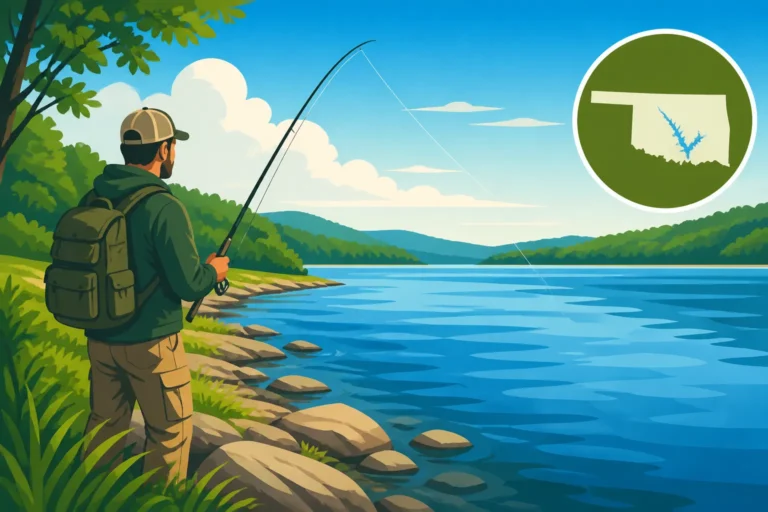
There's nothing quite like the dream of finding that perfect, untouched fishing spot, yet for many anglers heading to a popular destination like Grand Lake, the reality is often crowded boat ramps, noisy jet skis, and limited elbow room. It's a real bummer when you're looking for peace and quiet, not a party, and you just want to cast a line without dodging a dozen other boats. This guide is all about helping you escape the hustle and bustle, taking you deep into the secluded, remote fishing spots found on the upper end of Grand Lake O' the Cherokees where tranquility and big fish often go hand in hand.
Why Seek Solitude on Grand Lake's Upper End?
Grand Lake is, without a doubt, one of Oklahoma's crown jewels for fishing. But with its well-deserved reputation comes immense popularity. The lower and central portions of the lake, especially around popular towns like Grove and Monkey Island, can get incredibly busy, particularly during peak seasons and weekends. If your idea of a perfect fishing trip involves more nature and less noise, then the upper reaches are calling your name.
Escaping the Crowds and High Traffic
Imagine launching your boat without a line of impatient anglers waiting behind you, or casting a jig without worrying about a wakeboarder blowing through your spot. That's the promise of Grand Lake's upper end. This area, where the Neosho and Spring Rivers spill into the lake, maintains more of a riverine character, with narrower channels, more timber, and less residential development. This naturally deters larger recreational boats and those seeking wide-open waters for watersports, leaving more serene environments for serious anglers.
The sheer size of Grand Lake means that even its "upper end" is expansive, but the geography itself funnels boat traffic away from many of the prime fishing zones. Anglers who venture here are often seeking the same thing: an unhurried experience, the quiet hum of nature, and the thrill of discovering untouched water. It’s a completely different vibe than the main lake, one that rewards patience and a willingness to explore.
The Allure of Undisturbed Fish Populations
With fewer boats and less pressure, the fish in these remote areas often behave differently. They might be less spooky, more willing to bite, and potentially grow larger due to less angling pressure. These waters also tend to have abundant natural cover—think dense stands of timber, submerged brush piles, and shallow backwater coves choked with vegetation. These are prime hiding and feeding grounds for various species, offering a more natural habitat than the cleared shorelines and manicured docks found elsewhere.
Fish are creatures of habit, and when their habits aren't constantly interrupted by boat motors and errant casts, they can settle into more predictable patterns. This means that once you figure out a pattern in these secluded spots, you might find it more consistent than in highly pressured areas. It's a chance to truly connect with the environment and observe fish behavior without external distractions, making for a more rewarding and often more successful fishing trip.
Navigating the Lesser-Known Waters of Grand Lake's Upper Reaches
Getting to these remote spots often requires a bit more planning and the right kind of vessel. While the main lake offers wide-open navigation, the upper end demands a keen eye for charts and an understanding of river systems.
Exploring the Neosho and Spring River Arms
The primary arteries feeding the upper end of Grand Lake are the Neosho River and the Spring River. These river arms offer miles of winding channels, oxbows, and secluded backwater areas that are significantly shallower and narrower than the main lake. To truly get into the most remote spots, you'll want to focus on the furthest navigable points up these rivers, as well as their countless feeder creeks and bayous.
For instance, following the Neosho River north towards Miami, Oklahoma, will take you into increasingly wilder territory. Similarly, the Spring River arm, particularly north of Twin Bridges State Park, offers numerous side channels and sloughs that are perfect for exploration. These areas are characterized by extensive standing timber, laydowns, and often more turbid water, especially after heavy rains, which can actually be a boon for certain species like catfish and crappie. Always consult a good marine map or a reliable fishing app before heading out, as water levels can fluctuate, exposing new hazards or opening up previously inaccessible areas. If you're looking for expert local knowledge to navigate these tricky waters, a local guide found on a platform like FishingBooker might be invaluable.
Accessing Smaller Tributaries and Backwaters
Beyond the main river channels, there are numerous smaller creeks and ditches that wind their way into the lake. Many of these are only navigable by smaller boats, kayaks, or even by foot for wade fishing during lower water periods. These hidden gems are where you'll find truly undisturbed pockets of water, often brimming with fish that rarely see a hook.
Consider tributaries like Elk River or Honey Creek, especially their upper reaches where they become too shallow for larger vessels. These areas often feature excellent structure, including rock beds, gravel bars, and dense aquatic vegetation. Getting into these spots might mean launching a kayak from a less-developed access point or even parking and walking a short distance. The effort is often well worth it for the quiet and the potential for an exceptional catch. Remember, "remote" often implies less infrastructure, so be prepared for more rustic launching areas and fewer amenities. For those who prefer bank fishing, these smaller creeks can be fantastic. You might also find some excellent Bank Fishing Techniques articles helpful.
Here's a quick look at some key characteristics of the upper Grand Lake river arms:
| Feature | Neosho River Arm | Spring River Arm |
|---|---|---|
| Water Clarity | Often more turbid, especially after rain | Can vary, generally clearer than Neosho |
| Primary Structure | Extensive standing timber, laydowns, stump fields | Rock beds, gravel bars, submerged timber, vegetation |
| Common Fish | Catfish, crappie, largemouth bass | Largemouth bass, crappie, white bass, some walleye |
| Best Access | Public ramps near Miami, Twin Bridges | Public ramps near Twin Bridges, smaller creek access |
| Navigational Hazards | Shallow channels, submerged timber, siltation | Rock outcrops, shallow shoals, current |
| Solitude Level | High in upper reaches, especially mid-week | High in upper reaches and feeder creeks |
Targeting Fish in Secluded Grand Lake Coves and Creeks
The diverse habitat of Grand Lake's upper end supports a wide array of fish species, each with their own preferred haunts and feeding habits in these quieter waters. Understanding these patterns is key to success.
Largemouth Bass in Quiet Pockets
Largemouth bass absolutely thrive in the cover-rich environments of the upper lake. Look for them hunkered down in the dense standing timber that characterizes many of the river channels and flooded timber flats. They'll also patrol the edges of weed lines and hide beneath fallen logs in the smaller creek arms. These secluded pockets offer them ambush points for unsuspecting baitfish and crawfish.
When targeting largemouth here, techniques like flipping and pitching jigs or soft plastics into heavy cover are incredibly effective. Spinnerbaits and chatterbaits worked around timber can also draw explosive strikes, especially if the water has some color to it. Don't overlook topwater baits during low-light conditions in calmer pockets; the thrill of a bass blowing up on a frog or popper in a remote cove is unmatched. For a deeper dive into how to catch these green monsters, check out our guide on How to Catch Bass Through Every Season.
Crappie in Hidden Brush Piles
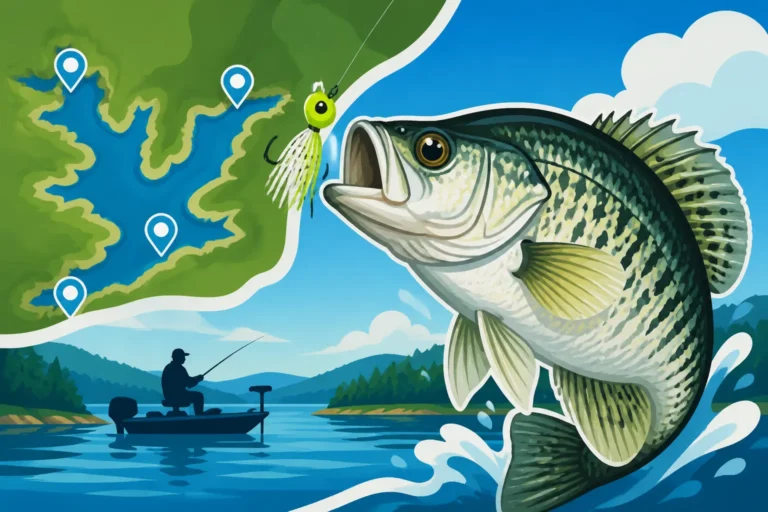
Crappie are abundant in the upper end of Grand Lake, and the less-pressured areas are fantastic for finding slabs. They often congregate around submerged brush piles, standing timber, and the roots of flooded trees. In the spring, they'll move into shallower creek arms and coves to spawn, becoming more accessible to anglers. As water temperatures rise, they'll retreat to deeper timber and channel swings, often suspend at certain depths.
Using small jigs (1/16 to 1/8 ounce) tipped with minnows or soft plastic crappie baits is a go-to strategy. Vertical jigging around timber or spider rigging multiple poles slowly through likely areas can produce impressive results. Don't be afraid to experiment with different depths until you find where they're holding. The upper Neosho arm, with its extensive timber, is particularly known for its crappie populations. For more in-depth strategies, explore Crappie Fishing Techniques and Seasonal Patterns in Oklahoma.
Catfish in Deeper Channels
Catfish—channel, blue, and flathead—are practically residents of the upper Grand Lake river systems. The often turbid waters, abundant natural food sources, and varying depths provide ideal conditions for these whiskered warriors. Look for channel catfish in shallower flats and creek mouths, especially after a rain when they move up to feed. Blue catfish will hold in the deeper channels and current breaks, while flatheads prefer heavy cover like log jams and undercut banks in more isolated areas.
Bait choice is crucial for catfish. Cut bait (shad, perch), live bait (worms, minnows), and prepared stink baits are all effective, depending on the species and conditions. Bottom fishing with a slip-sinker rig is a classic and reliable method. If you're targeting flatheads, bigger live baits like sunfish are often the ticket. The thrill of hooking into a powerful blue cat in a quiet river bend is a quintessential Oklahoma fishing experience. Our comprehensive guide on Catfish Fishing Techniques for Oklahoma Anglers has even more detail.
Essential Gear and Etiquette for Remote Angling
Embarking on a remote fishing adventure requires a different mindset and sometimes different gear than a typical day on the main lake. Being prepared and respectful of the environment is paramount.
Kayaks and Smaller Boats for Optimal Access
While larger bass boats can navigate many parts of the upper Grand Lake, truly remote spots are best accessed by smaller, more agile watercraft. Kayaks, canoes, jon boats, or small aluminum skiffs allow you to get into the skinny water, weave through standing timber, and explore shallow backwaters that are inaccessible to larger vessels. The quiet operation of a kayak or canoe also means less disturbance to the fish and a more immersive experience in nature.
When choosing a kayak, look for stable models designed for fishing, often with built-in rod holders and storage. A good paddle and a lightweight anchor are essential. If you're using a jon boat, a reliable, quiet trolling motor can be a game-changer for stealthily approaching productive areas. Make sure your boat is properly registered and titled, as outlined in guides like Oklahoma Boat Registration and Titling Rules Explained. Even kayaks might require registration depending on motor use, so always double-check current regulations.
Minimalist Tackle and Patience
When venturing into remote areas, it's often best to adopt a minimalist approach to your tackle. You don't need five tackle boxes brimming with every lure imaginable. Instead, focus on versatile rods and reels, and a selection of proven baits that work for the species you're targeting in that specific environment. A medium-heavy casting rod for bass and a light-to-medium spinning rod for crappie and panfish might be all you need, along with appropriate line and a handful of go-to lures and baits.
This simplicity not only makes your trip lighter and less cumbersome but also encourages a more focused and patient style of fishing. You're not just throwing everything in the box; you're observing, adapting, and truly working your chosen presentation. Remember, these remote spots often require a bit more effort to reach, so having a streamlined setup allows you to focus on the fishing rather than managing excessive gear. The rewards often come to those who slow down and truly embrace the remote experience.
Practicing Leave No Trace Principles
The beauty of remote fishing spots is their untouched nature, and it's our responsibility as anglers to keep them that way. This means strictly adhering to "Leave No Trace" principles. Pack out everything you pack in, including all trash, fishing line, and any leftover bait. Avoid disturbing wildlife or damaging vegetation, and if you're using live bait, be mindful of local regulations to prevent the introduction of invasive species.
Respect other anglers and private property. While these areas are remote, they aren't necessarily private. Be mindful of noise, give other anglers ample space, and always seek permission if you believe you're on private land. By being a responsible steward of these natural resources, we ensure that these special, remote fishing spots on Grand Lake's upper end remain pristine and productive for generations of anglers to come. For those interested in expanding their fishing knowledge, our guide on Oklahoma's Top Fishing Destinations might provide further inspiration.
Disclaimer
Fishing regulations in Oklahoma can change, and it is every angler's responsibility to stay informed of the most current rules and guidelines set forth by the Oklahoma Department of Wildlife Conservation. Always check the official ODWC website or their current fishing regulations guide before heading out on the water. This article is for informational purposes only and should not be considered a substitute for official legal or regulatory advice.