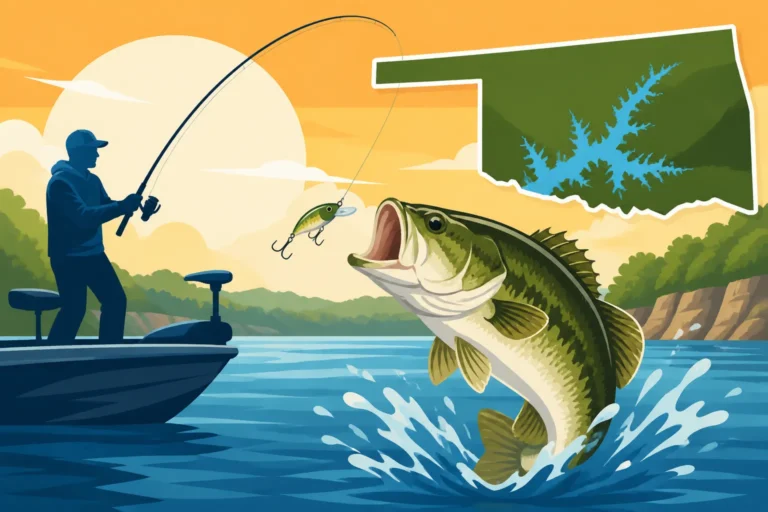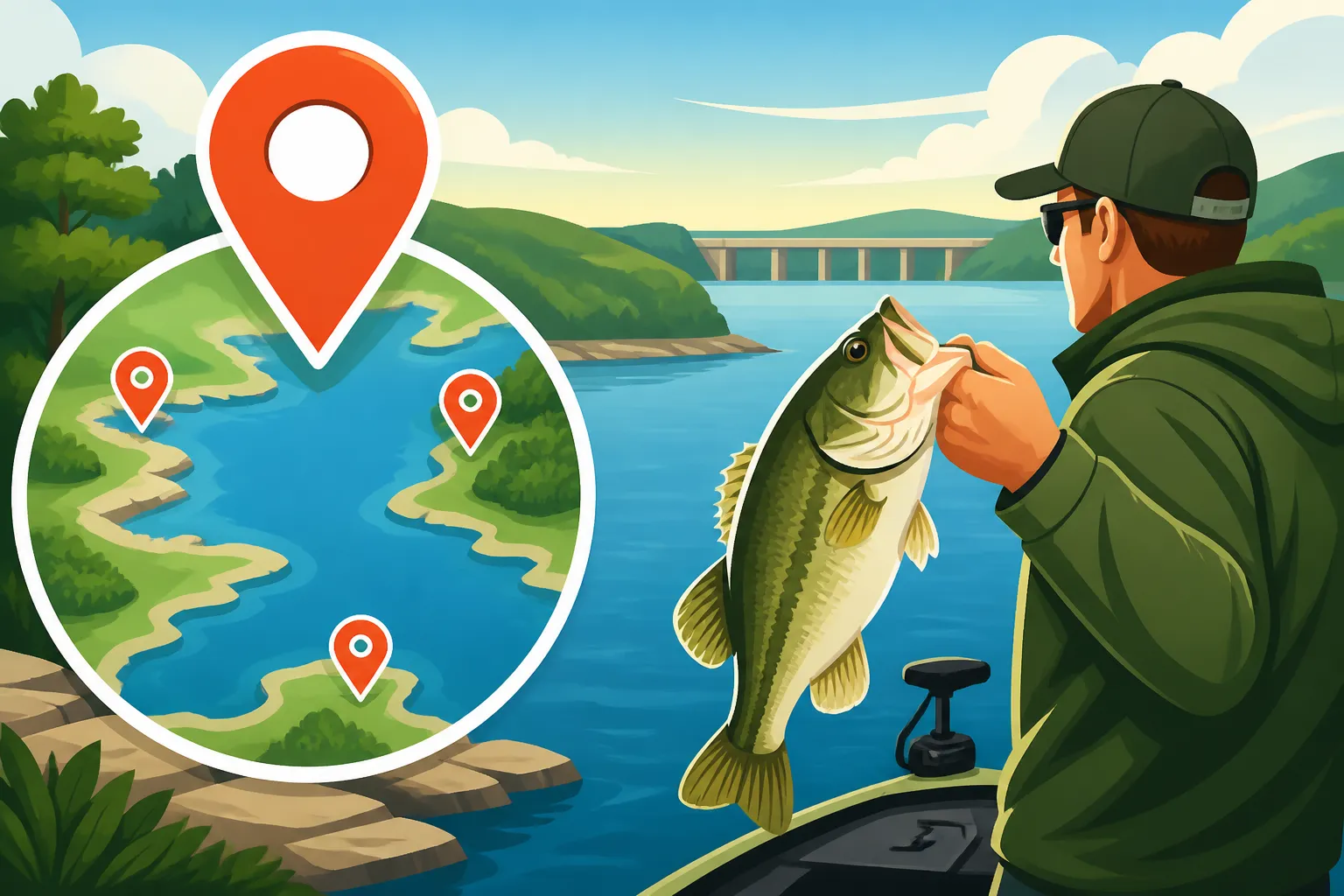
Keystone Lake Fishing Spots Near Sand Springs, Oklahoma
Finding those perfect fishing spots on a big, sprawling lake like Keystone can feel like a daunting task, especially when you're specifically looking for prime areas right near Sand Springs. It's easy to get overwhelmed by the sheer size, wondering where to even drop a line without wasting precious fishing time. This comprehensive guide is designed to cut through that frustration, pinpointing the best fishing locations on Keystone Lake accessible from Sand Springs, detailing what species you can expect to catch, and offering practical advice to make your next outing a resounding success.
Why Keystone Lake is a Prime Spot Near Sand Springs
Keystone Lake, often called the "water wonderland" of northeastern Oklahoma, truly lives up to its name, offering a fantastic array of fishing opportunities right on Sand Springs' doorstep. For local anglers, it's not just a body of water; it’s a diverse ecosystem teeming with various fish species, from the feisty largemouth bass to the schooling white bass, and of course, those monster catfish. Its close proximity to Sand Springs means less driving and more fishing, making it an ideal choice for a spontaneous afternoon trip or a full weekend adventure.
The Lake's Unique Characteristics and Challenges
Keystone Lake is a massive reservoir, covering over 26,000 acres with more than 330 miles of shoreline. What makes it particularly interesting is the convergence of the Arkansas and Cimarron rivers. This creates a fascinating blend of water conditions, from clearer, rocky areas to more turbid, sandy flats, offering diverse habitats for different fish species. This variety can be a challenge, however, as fish patterns might change dramatically from one arm of the lake to another, especially with fluctuating water levels and seasonal river flows. You might find bass in shallow timber in one cove, while crappie are stacked up in deep channels just a few miles away. The lake's vastness also means you need to be strategic about where you launch and what areas you want to target, or you could spend more time running the boat than actually fishing.
Accessibility and Convenience from Sand Springs
One of Keystone Lake's biggest draws for anglers living in or visiting Sand Springs is its unparalleled accessibility. You're literally minutes away from prime fishing grounds. Popular access points like Keystone State Park and Washington Irving South Park are incredibly convenient, offering multiple boat ramps, ample parking, and often even bank fishing opportunities. This ease of access means you can hit the water early without a long commute, maximizing your time on the lake. Whether you're trailering a bass boat, launching a kayak, or just bringing a pole for some shore fishing, the facilities around Sand Springs make it remarkably easy to get out and enjoy the water. For those traveling from further away, many find it simple to book guided trips through services like FishingBooker that focus on these easily reachable segments of the lake.
Top Fishing Hotspots Around Sand Springs on Keystone Lake
When you're looking to fish Keystone Lake from the Sand Springs area, certain sections consistently produce more action. Understanding these zones and what makes them tick is key to a successful outing.
River Channels and Creek Arms
The influence of the Arkansas and Cimarron rivers is huge, creating distinct fishing environments. The lower Arkansas River arm, particularly where it enters the main body of Keystone near Sand Springs, is a phenomenal area. This section is known for its strong currents, which can concentrate baitfish and, consequently, game fish. White bass and striped bass often make significant runs up these river channels, especially in the spring, chasing shad. You'll find anglers lining the banks or anchoring their boats in the deeper bends, casting jigs or small crankbaits. The Cimarron arm, though often a bit shallower and muddier, is a haven for catfish and can also produce excellent white bass action, particularly upstream during cooler months. Targeting areas where smaller creeks feed into these main river arms after a rain can be incredibly productive, as fresh water brings in nutrients and dislodges prey, attracting hungry fish.
Shoreline Access and Public Areas
Not everyone has a boat, and that's perfectly fine; Keystone Lake still offers plenty of fantastic bank fishing spots around Sand Springs.
- Keystone State Park: This park is an absolute gem for shore anglers. It offers numerous access points along its diverse shoreline, from rocky banks perfect for targeting bass and sunfish to calmer coves ideal for catfish. There are often designated fishing piers, which are great for families or those just looking to relax and cast a line. The deeper water access from some of the park's points can also be good for catching crappie and even white bass when they move closer to shore. If you're wondering about park entry, many local anglers know that a simple day pass covers your access, making it very straightforward. For more detailed information on specific park amenities and fishing regulations, you might want to look into the Fishing Regulations You Need to Know in Oklahoma.
- Washington Irving South Park: Located just north of Sand Springs, this park also provides excellent shoreline access. It’s particularly popular for its wide-open banks, offering plenty of space for multiple anglers. During spring, you'll often see people targeting white bass here as they stage before their upstream runs. The park’s proximity to deeper channels makes it a consistent spot for catfish as well. The convenience for Sand Springs residents is unmatched, making it a go-to spot for a quick fishing fix.
- Submerged Structure: While bank fishing, don't just cast into open water. Look for visible signs of submerged timber, rock piles, or sudden drop-offs. These structures act as fish magnets, providing cover and ambush points for predatory species. A keen eye for reading the water can really pay off here.
Structure Fishing Opportunities
For boat anglers, Keystone Lake is a treasure trove of underwater structure, much of it holding fish year-round.
- Submerged Timber: Much of Keystone Lake's basin was once forested, meaning there are vast expanses of submerged trees and brush piles, particularly in the upper reaches and creek arms. These areas are absolute magnets for largemouth bass and crappie. Using your fish finder to locate these underwater forests is crucial. Once you find them, slow down and work jigs, Texas rigs, or crankbaits through the branches. The bite might be subtle, but the rewards can be significant.
- Humps and Points: Deeper humps and points that extend into the main lake basin are prime targets for striped bass and white bass, especially during the warmer months when they move to cooler, deeper water. These areas also hold suspended crappie and even schooling bass. Trolling crankbaits or vertically jigging spoons over these structures can be incredibly effective. Many experienced anglers use detailed contour maps or their sonar to locate these subtle underwater features. For tips on maximizing your electronics, check out our guide on Fish Finders and Electronics for Oklahoma Reservoirs.
- Rock Piles and Riprap: Near bridges, causeways, and main lake points, you'll often find riprap and natural rock piles. These rocky areas attract baitfish, which in turn draw in bass and walleye. Casting spinnerbaits, crankbaits, or jigs along these rocky edges can be very productive, particularly during low light conditions or when the water is slightly stained.
| Species Targeted | Best Fishing Spot Type | Recommended Bait/Lure |
|---|---|---|
| Crappie | Submerged Timber, Creek Arms, Fishing Piers | Jigs (chartreuse, white), Small Minnows |
| Largemouth Bass | Submerged Timber, Rocky Banks, Humps | Texas Rigs, Crankbaits, Spinnerbaits |
| Smallmouth Bass | Rocky Banks, River Channels | Small Crankbaits, Tube Jigs, Grubs |
| White Bass | River Channels, Main Lake Points, Humps | Spoons, Slabs, Small Jigs, Roadrunners |
| Catfish (Blue/Channel) | River Channels, Deep Holes, Muddy Flats | Cut Bait, Liver, Prepared Baits |
| Walleye | Riprap, Rocky Points, Deep Humps | Crankbaits, Jigging Spoons, Nightcrawlers |
Targeting Keystone's Premier Fish Species Near Sand Springs
Keystone Lake boasts a diverse fishery, making it a fantastic destination for anglers with varying preferences. Knowing what species are biting and where to find them is half the battle.
Chasing Crappie and White Bass in the Rivers
Crappie and white bass are arguably two of the most popular species to target on Keystone Lake, especially for those venturing out from Sand Springs. Both are known for their schooling behavior and excellent table fare.
- Crappie: These panfish love structure, and Keystone has no shortage of it. Near Sand Springs, concentrate your crappie efforts in the submerged timber found in the creek arms off the main lake, particularly those leading into the Arkansas or Cimarron river channels. In the spring, they’ll move shallow to spawn, often found around brush piles and docks in Keystone State Park's coves. During summer and fall, they'll retreat to deeper brush piles and channel edges. Small jigs (1/16 to 1/8 oz) in chartreuse, white, or black-and-chartreuse are perennial favorites, tipped with a minnow for added attraction. Spider rigging multiple poles with jigs or minnows at varying depths can be a highly effective strategy for locating active schools. For more specific crappie regulations, check out our guide on Crappie Fishing Rules and Limits in Oklahoma, as some lakes might have stricter limits.
- White Bass: If you're looking for fast action, white bass are your fish. They are often found in large, aggressive schools, particularly in the river channels upstream from the main lake during their spring spawning runs. The Arkansas and Cimarron river arms are prime spots. Look for them breaking the surface, chasing shad, especially during early morning or late evening. When you find one, there are usually many more! Spoons, small crankbaits, inline spinners (like a "Roadrunner"), and small jigs are all incredibly effective. Trolling through likely areas or casting to schooling fish can lead to non-stop action. Many anglers find success casting from the banks of Washington Irving South Park when these schools move close to shore.
Largemouth and Smallmouth Bass Tactics
Keystone Lake holds healthy populations of both largemouth and smallmouth bass, offering exciting opportunities for dedicated bass anglers.
- Largemouth Bass: The largemouth are the most prevalent bass species and can be found throughout the lake. Around Sand Springs, focus your efforts on the countless areas of submerged timber, brush piles, and weed lines (when present). During the pre-spawn and spawn (typically March-May), they'll move into shallower coves and flats, often associated with woody cover. Flipping jigs, Texas-rigged plastics (worms, craws), and spinnerbaits near cover are excellent choices. In the summer heat, they'll retreat to deeper structure like humps, points, and channel swings, where crankbaits, shaky heads, and Carolina rigs become more effective. Topwater lures can also produce explosive strikes during low-light conditions over submerged vegetation or along rocky banks. Consider exploring various techniques by season with our guide on Oklahoma Bass Fishing: Techniques by Season.
- Smallmouth Bass: While not as common as largemouth, Keystone does have a decent smallmouth fishery, particularly in the clearer, rockier sections. Look for them around bluff walls, rocky points, and areas with chunk rock near deeper water. They often prefer current, so areas closer to the river channels or where wind creates current can be productive. Smallmouth are aggressive fighters, often hitting small crankbaits, jerkbaits, tube jigs, and grubs. Fan casting these lures across rocky points and retrieving them with erratic actions can trigger a strike. Early morning and late evening are often the best times to target these bronze beauties.
Catfish: The Bottom Dwellers' Delight
If you're after something big and hard-fighting, Keystone Lake's catfish population will not disappoint. Both channel and blue catfish thrive here.
- Channel Catfish: These are abundant throughout the lake and are relatively easy to catch. You'll find them in almost any part of the lake, from shallow coves to deeper channels. They are opportunistic feeders, responding well to a variety of baits. Stink baits, chicken liver, cut shad, and even hot dogs are all excellent choices. For bank anglers near Sand Springs, casting out a bottom rig with some prepared bait in slower-moving sections of the river arms or the calmer coves of Keystone State Park can yield great results. They are particularly active during warmer months and after rain showers that wash food into the lake.
- Blue Catfish: Keystone Lake is known for producing some truly massive blue catfish. These giants prefer deeper water, often congregating in the main river channels, deep holes, and along abrupt drop-offs. Fresh cut bait, especially shad or other oily baitfish, is the absolute best offering for blues. Heavy-duty tackle is essential when targeting these powerful fish. Look for concentrations of baitfish on your sonar, as big blues are often lurking nearby. You can try setting up trotlines or juglines, but bank or boat fishing with sturdy rods and reels is also highly effective. Just be aware of the specific limits for these impressive fish, especially the 30-inch blue catfish rule in Oklahoma, as there are special regulations on how many you can keep over that size. Many anglers find the help of a local guide, often found on platforms like FishingBooker, invaluable for pinpointing where these trophy-sized catfish are holding.
Essential Tips for a Successful Keystone Fishing Trip
Fishing Keystone Lake, especially near Sand Springs, can be incredibly rewarding, but a few key tips can elevate your experience and increase your chances of success.
Seasonal Considerations for Anglers
The bite on Keystone Lake changes dramatically with the seasons, just like any other large body of water. Understanding these shifts is crucial.
- Spring (March-May): This is arguably the most exciting time to fish Keystone. Crappie and white bass make their spawning runs up the river channels, offering incredible action. Largemouth bass move shallow, getting ready to spawn. Focus on creek mouths, shallow coves, and the river arms. The bite can be explosive.
- Summer (June-August): As temperatures rise, fish move to deeper, cooler water. Striped bass and white bass will school up on main lake points and humps. Largemouth bass will relate to deep structure and often feed during low-light hours or at night. Catfish activity remains high, especially in the river channels. Night fishing for crappie under lights can be fantastic.
- Fall (September-November): The cooling water temperatures trigger another strong feeding period. Fish become more active, often chasing shad on the surface. Look for schooling white bass and striped bass. Bass will be feeding aggressively to fatten up for winter, often found near points and channel edges. Crappie will move back to brush piles in shallower depths before the cold sets in.
- Winter (December-February): Don't discount winter fishing! While slower, it can be very productive for specific species. Crappie will stack up in deep water brush piles and vertical structure. Catfish can be caught in deep holes in the river channels, often less active but still catchable with patience and the right bait. White bass and striped bass can be found in deep main lake areas. For a full breakdown, explore our guide on Oklahoma Fishing Seasons: A Month-by-Month Guide.
Navigating the Water and Weather Challenges
Keystone Lake's vastness and location can present some unique challenges that even seasoned anglers need to consider.
- Wind and Waves: Being a large, open body of water, Keystone Lake can get incredibly choppy, especially when strong winds blow. Always check the weather forecast before heading out. High winds can make boating hazardous, particularly in smaller craft, and can make controlling your boat for fishing extremely difficult. On windy days, seek out protected coves or leeward shores where the water is calmer. This is also where fish might seek refuge from the turbulence.
- Muddy Water: Due to the river influences, particularly after heavy rains, the water in parts of Keystone Lake can become very muddy or stained. This isn't always a bad thing! Catfish often thrive in murky water, and bass can become more aggressive, relying on vibrations and scent rather than sight. In these conditions, use louder baits (like rattling crankbaits or spinnerbaits with large blades) and darker colored plastics (black, blue, junebug) for bass. For crappie, bright colors like chartreuse or orange can stand out. Always adapt your lure choices and retrieve speeds to the water clarity.
- Boating Safety: Given the size and potential for heavy boat traffic, especially on weekends, boating safety is paramount. Always have enough life jackets for everyone on board – it's not just a rule, it's critical for safety, especially for kids. Familiarize yourself with all safety equipment, including navigation lights, a horn, and a fire extinguisher. For a complete list of what you need, check out the Oklahoma Boat Safety Equipment Checklist. Be mindful of other boaters, especially skiers and pleasure craft, and maintain a safe speed. Utilizing services like FishingBooker for guided trips means you're with an expert who knows the lake's quirks and safety protocols inside and out.
Disclaimer
Please note that fishing regulations, license requirements, and local conditions can change. Always consult the latest Oklahoma Department of Wildlife Conservation (ODWC) regulations before heading out on the water to ensure you are compliant with all current laws. This guide is for informational purposes only and does not supersede official regulations.