Best Catfish Holes on Keystone Lake
It can be incredibly frustrating to hit the water, especially a big lake like Keystone, with high hopes of pulling in some monster catfish, only to spend hours with barely a nibble. You've heard the stories, seen the pictures, but finding those elusive whisker fish spots yourself feels like trying to crack a secret code. That's why this guide is here: to peel back the mystery and point you directly to the best catfish holes on Keystone Lake, along with the tried-and-true tactics that’ll put more fish in your boat or on your bank.
Understanding Keystone Lake for Catfish
Keystone Lake, nestled just west of Tulsa, Oklahoma, is a truly immense body of water, covering over 23,000 acres. This sprawling reservoir, formed by the confluence of the Arkansas and Cimarron Rivers, offers a diverse habitat that catfish absolutely thrive in. But its size can be intimidating, making it tough to pinpoint where the catfish are holding. Knowing a bit about its unique characteristics is key to unlocking its catfishing potential.
Keystone's Unique Water Characteristics
Keystone Lake isn't your typical crystal-clear highland reservoir; it's a dynamic, turbid, and nutrient-rich environment, especially in its river arms. This murkiness, often stirred up by heavy rains and river flows, can actually be a catfish angler's best friend. Catfish, with their incredible sense of smell and touch, navigate and feed exceptionally well in stained water. They don't rely on sight as much as bass or crappie, making these conditions ideal for them to forage without feeling exposed.
The lake's bottom is a mix of rock, sand, and mud, with plenty of submerged timber, old roadbeds, and creek channels that provide perfect ambush points and resting areas. The incoming flow from the Arkansas and Cimarron rivers constantly replenishes oxygen and brings in new forage, creating fertile grounds for a robust ecosystem. This constant influx of nutrients supports a healthy population of baitfish, which in turn, means more food for the lake's abundant catfish.
Key Catfish Species Found
Keystone Lake is a veritable paradise for catfish enthusiasts, hosting healthy populations of all three major species: the mighty Blue Catfish, the ubiquitous Channel Catfish, and the elusive Flathead Catfish. Each species has its own preferences and characteristics, but they all find something to love in Keystone's diverse waters.
Blue Catfish are the true giants of Keystone. These powerful fish love current and open water, often congregating in deeper river channels, especially where tributaries meet the main lake. They're primarily piscivorous, meaning they love to eat other fish, and Keystone's ample gizzard shad population provides them with an endless buffet. Catching a blue cat over 30 pounds here is not uncommon, and they offer a brutal fight that will test any angler's tackle. If you're looking for that trophy, the blues are your target.
Channel Catfish are perhaps the most common and widespread catfish in Keystone. They are less particular about habitat than blues or flatheads, found throughout the lake in a variety of depths and structures. Channels are omnivores, eating everything from insects and crustaceans to small fish and decaying organic matter. This makes them a bit easier to catch with a wider range of baits. They are excellent table fare and provide consistent action for anglers of all skill levels. They usually top out in the single digits or low teens in weight, but a big channel cat can still give you a run for your money.
Flathead Catfish are the solitary predators of the catfish world, preferring live bait and often hiding in submerged timber, rock piles, or undercut banks. These ambush predators are territorial and powerful, often found in the calmer, deeper sections of the lake where they can find structure to call home. Flatheads are highly sought after for their challenging fight and exceptional taste. While less numerous than channels or blues, dedicated flathead anglers can find some truly impressive specimens lurking in Keystone's snags.
Top Catfish Holes on Keystone Lake
Finding the right spot on a lake as massive as Keystone can feel like searching for a needle in a haystack. But armed with knowledge of catfish behavior and Keystone's unique geography, you can narrow down your search considerably. The key is to think about where catfish would naturally feed, hide, and ambush prey.
River Channels and Creek Beds
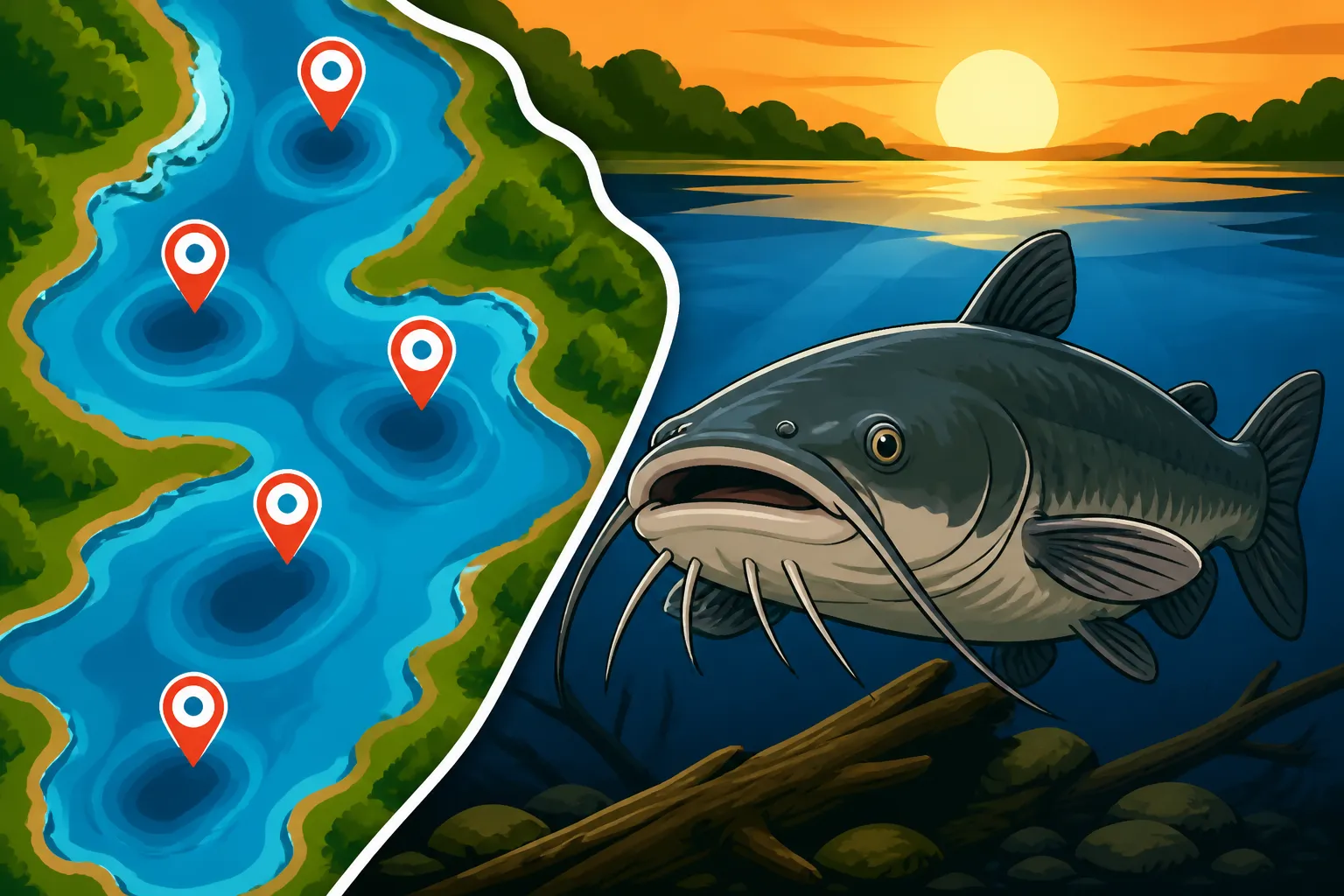
The historical river channels of the Arkansas and Cimarron Rivers, which now lie submerged beneath Keystone Lake, are absolute magnets for catfish, especially the big blue cats. These channels act like underwater highways, guiding baitfish and providing prime current breaks and depth changes. Imagine a submerged canyon: that's where the big ones cruise.
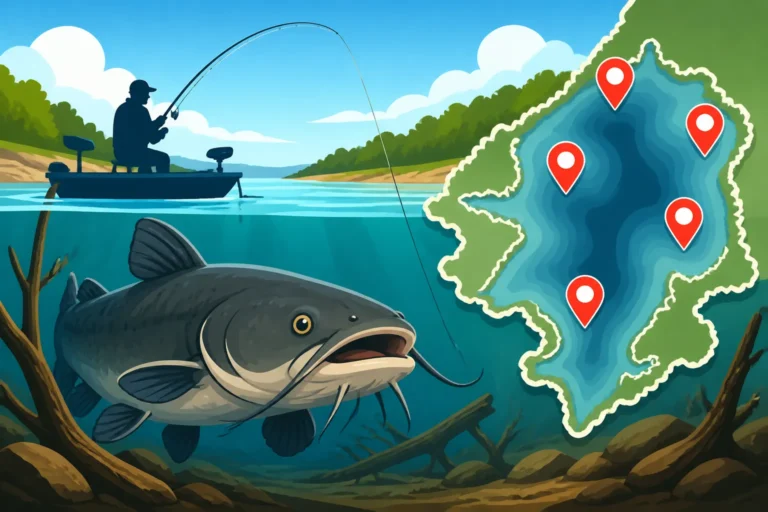
The Arkansas River arm, particularly from the Highway 51 bridge downstream towards the main lake, is legendary for its blue catfishing. Here, the old river channel snakes through, offering depths of 30-50 feet or more. Look for sharp bends, intersections with major creek channels, and areas where the current creates scour holes. These are perfect spots for anchoring up and sending cut bait down to the bottom. Similarly, the Cimarron River arm, though often shallower and muddier, holds fantastic populations of both channel and blue catfish, especially during periods of higher flow when baitfish are pushed into more concentrated areas. Many anglers swear by the FishingBooker app for scouting these deep channels and identifying promising underwater terrain before heading out.
The countless creek beds that feed into Keystone Lake also create invaluable catfish habitat. While many are shallow, the deeper sections where they merge with the main river channels or larger coves are goldmines. Catfish will follow these creek channels, especially during spawning seasons or after heavy rains, as they offer shallower, warmer water and an influx of food. Focus on the mouths of these creeks where they drop off into deeper water, or any bends where sediment and debris might accumulate, creating a hidden haven for hungry catfish.
Deep Holes and Structure
Catfish love to relate to structure, whether natural or man-made. This gives them cover, a place to rest out of the current, and an advantage when ambushing prey. Keystone Lake has an abundance of such spots.
Old bridge pilings, particularly around the remnants of old Highway 51 bridges, are fantastic examples of man-made structure that hold large catfish. These concrete and steel structures provide vertical relief and create current breaks where blues and channels often stack up. Fishing close to these pilings, especially on the downstream side where the current is broken, can be incredibly productive. You'll want to use heavy tackle here, as these areas are notorious for snags, but the payoff can be huge.
Submerged timber, the ghostly remains of trees from before the lake was filled, creates dense cover for flatheads and channel cats. These underwater forests are perfect ambush points. While they can be challenging to fish due to constant snags, they are often worth the effort. Try to find the edges of these timber fields, or target individual larger trees that stand out. You might want to try a tougher line to avoid getting completely broken off. Using a strong braided line and a heavy leader is often recommended.
Rock piles and rocky humps that rise from the lake bed also attract catfish, particularly flatheads and larger channel cats. These areas provide crevices for hiding and are often surrounded by baitfish. Look for these structures on your sonar, especially near drop-offs into deeper water. A lot of anglers find success by slowly drifting over these rocky areas with live bait.
Rocky Points and Bluff Walls
While not always immediately obvious "holes," rocky points and bluff walls on Keystone Lake can be incredibly productive for catfish, especially when targeting flatheads and large channel cats that prefer cleaner, harder bottoms.
These features offer vertical structure that extends into the water, providing excellent cover and deep-water access close to shore. Flatheads, in particular, love to hold near undercut banks and rocky overhangs along bluff walls, waiting for unsuspecting prey to pass by. Fishing along these edges with live bluegill or perch can yield some impressive flatheads.
Rocky points that jut out into the lake act as current breaks and funnel points for baitfish. Catfish will often patrol these areas, especially at dawn, dusk, or after dark, looking for an easy meal. During the day, they might be holding in deeper water just off the point. Casting cut bait or shrimp into these areas and letting it settle on the bottom can bring good results. These spots are also great for bank fishing, offering accessible deep water without needing a boat. Remember to check out the "Best Bank Fishing Spots in Oklahoma" for more tips on finding accessible shorelines.
Best Baits and Techniques for Keystone Catfish
You can find the best "catfish hole" in the world, but if you don't have the right bait on your hook or you're not using an effective technique, you're still going home empty-handed. Catfish are generally not picky eaters, but understanding their preferences, especially for the different species in Keystone, will dramatically improve your success.
Essential Baits
For the diverse catfish population of Keystone Lake, having a variety of baits on hand is crucial. Each species tends to favor something a little different, though there's certainly overlap.
Cut Bait and Shad: Without a doubt, fresh cut bait is king for blue catfish and extremely effective for large channel cats. Gizzard shad, which are incredibly abundant in Keystone, are the preferred choice. Catching your own fresh shad with a cast net before a trip is ideal, but many bait shops around the lake also carry frozen shad. Cut the shad into strips or chunks, ensuring you expose the scent-rich flesh. The oilier the fish, the better. Other oily fish like skipjack herring (if you can find them) or even carp can also work wonders. The strong scent trail these baits release is irresistible to cruising blue cats.
Chicken Liver: This is a classic channel catfish bait for a reason. Its soft texture and strong, bloody scent make it a go-to. Chicken liver is easy to acquire from any grocery store and relatively inexpensive. The trick is keeping it on the hook; many anglers use a small piece of pantyhose or a bait wrap to secure it, especially when casting. It works well for smaller blues too, and can even entice a curious flathead, though live bait is generally better for them.
Live Bait: If you're serious about targeting trophy flathead catfish, live bait is non-negotiable. Flatheads are strict predators and prefer a lively meal. Small sunfish (bluegill or green sunfish), perch, or even small drum are excellent choices. Make sure your live bait is healthy and active. Rig it on a large circle hook through the back or lips, allowing it to swim naturally. For smaller channel cats, live worms like nightcrawlers can also be very effective, especially fished near brush piles or grass beds. Remember to check local regulations on baitfish size and species.
Effective Fishing Techniques
Matching your technique to the species and conditions will greatly increase your chances of success on Keystone Lake.
Bottom Fishing: This is the most common and effective method for all three catfish species, especially blue and channel cats. The goal is to present your bait directly on or very near the lake bottom where catfish primarily feed. A classic Carolina rig or a three-way swivel rig works perfectly. Use enough weight (often 2-4 ounces, depending on current and depth) to hold your bait in place. When fishing the river channels, use heavier weights to keep your bait from washing away. For more details on this versatile approach, check out "Catfish Bottom Fishing Techniques".
Trotlines and Juglines: For serious catfish anglers looking to cover a lot of water or catch a substantial quantity, trotlines and juglines are invaluable tools, though they require specific permits and adherence to Oklahoma's fishing regulations. A trotline is a long main line anchored at both ends with multiple baited hooks suspended at various depths. Juglines are individual lines tied to floating jugs or bottles, drifting freely, or anchored. Both methods allow you to set multiple baits and check them periodically. They are particularly effective for targeting blue and channel catfish in open water or along submerged creek channels. Before deploying, always consult "Oklahoma's Catfish Fishing Rules and Limits" to ensure you're compliant.
Drifting and Controlled Drifting: When catfish are scattered or actively searching for food in open water, drifting can be highly effective. This involves allowing your boat to be pushed by the wind or current, dragging your baited lines across likely feeding grounds. For blue cats, this often means drifting cut bait over submerged flats or along the edges of river channels. A controlled drift, using a trolling motor to slow your drift or guide it along specific contours, can be even more productive. This technique covers a lot of water and lets you find where the fish are concentrated.
| Catfish Species | Preferred Baits | Best Techniques | Prime Locations on Keystone |
|---|---|---|---|
| Blue Catfish | Fresh Cut Shad, Gizzard Shad, Skipjack Herring | Bottom Fishing, Drifting, Trotlines, Juglines | Arkansas River Arm, Deep Channels, Below Keystone Dam |
| Channel Catfish | Chicken Liver, Cut Bait, Worms, Stink Baits | Bottom Fishing, Bank Fishing, Juglines | Creek Beds, Coves, Rocky Points, Anywhere in the Lake |
| Flathead Catfish | Live Sunfish, Live Perch, Live Goldfish | Bottom Fishing (live bait), Fishing Submerged Timber | Deep Snags, Bluff Walls, Heavy Cover |
Seasonal Catfish Strategies for Keystone
The behavior of catfish on Keystone Lake, like all fish, is heavily influenced by the seasons. Understanding these patterns and adjusting your approach accordingly will make you a much more successful angler throughout the year.
Spring and Summer Patterns
Spring on Keystone Lake is an exciting time for catfish anglers. As water temperatures begin to rise, typically into the 60s Fahrenheit, catfish become increasingly active, moving from their deep wintering holes into shallower areas to feed and eventually spawn. This pre-spawn period, usually from April through early June, sees catfish, especially channel cats, gorging themselves. They'll often be found in the shallower, warmer creek arms and coves, particularly those with muddy bottoms that absorb sunlight. Targeting these areas with chicken liver, worms, or small cut bait can lead to fast action.
The actual spawning period for channel cats usually occurs when water temperatures reach the upper 70s, typically late May through July. During this time, they seek out dark, secluded spots like hollow logs, rock crevices, and undercut banks to lay their eggs. While they can be a bit harder to catch during the peak of the spawn, they're still around. After the spawn, they become incredibly aggressive, trying to regain lost energy. Big blue cats will also be found migrating up the river channels, following baitfish that are pushed by spring rains and current. Targeting these riverine areas with large cut baits is key during this time. Remember that "Best Catfish Bait for Summer Fishing" will dive deeper into specific summer offerings.
Summer brings warmer water throughout the lake, and catfish fishing can be phenomenal, especially during the low-light hours of dawn, dusk, and throughout the night. During the hottest parts of the day, catfish will often retreat to deeper, cooler water, such as the main river channels, deep holes, or the shaded areas beneath bluff walls. Night fishing for catfish on Keystone is a classic summer tradition; the catfish come alive under the stars, moving into shallower flats and points to feed. Setting up juglines or fishing from the bank with lights can be incredibly productive. For those seeking a guided experience, considering a trip with a reputable guide found on platforms like FishingBooker can really enhance your summer catfishing success.
Fall and Winter Strategies
As the weather cools and leaves begin to change, fall brings another excellent catfishing opportunity on Keystone Lake. Water temperatures drop, signaling to the catfish that it's time to put on weight for the upcoming winter. This post-spawn, pre-winter feeding frenzy can be one of the best times to catch large numbers of fish. Blue and channel cats will be very active, often found transitioning from shallow summer haunts to deeper, more predictable patterns. They'll follow schools of baitfish into deeper pockets and along river channel edges, especially those with good cover.
Look for them congregating around large schools of gizzard shad, which will also be seeking deeper, more stable water. Using fresh cut shad, fished on the bottom in 20-40 feet of water, can lead to incredible catches. The cooler water also means catfish are often more willing to bite during daylight hours, making daytime trips more productive than in the summer heat.
Winter catfishing on Keystone Lake requires patience and a slightly different approach, but it can still yield fantastic results, especially for large blue cats. As water temperatures plummet, catfish become much less active, schooling up in their deep wintering holes. These are typically the deepest sections of the main river channels, sometimes 50 feet or more, where the water temperature is most stable. They won't be feeding as aggressively, but they will still eat if the bait is presented directly to them.
Slow, methodical presentations are key. Find those deep schools on your sonar, anchor directly over them, and drop cut bait or large chunks of shad right on their noses. Don't expect violent strikes; often, it's just a subtle thud or a slight bend in the rod tip. Fishing on warmer, sunny days, especially after a prolonged cold snap, can trigger short feeding windows. Remember that "Best Catfish Bait for Winter Fishing" offers specific tips for cold water success.
Final Thoughts on Keystone Catfishing
Keystone Lake is truly a jewel for Oklahoma anglers seeking catfish. From the feisty channel cats to the monster blue cats and elusive flatheads, it offers opportunities for every skill level and preference. It’s a lake that rewards patience, persistence, and a willingness to adapt your strategy to the conditions and the fish you're targeting. Whether you're dropping a line from the bank near a rocky point, setting out juglines in a vast open flat, or anchoring over a deep river channel, the potential for a memorable catch is always there. So get out there, explore those waters, and maybe, just maybe, you'll land that trophy you've been dreaming of. Don't forget to review the "Keystone Lake Fishing Guide Near Tulsa" for a broader perspective on fishing this amazing reservoir.
Disclaimer
Fishing conditions and regulations in Oklahoma can change. Always consult the latest rules and regulations from the Oklahoma Department of Wildlife Conservation before heading out on the water. This guide is for informational purposes only and should not be considered legal advice.