Best Lakes for Catfish Noodling and Bank Fishing
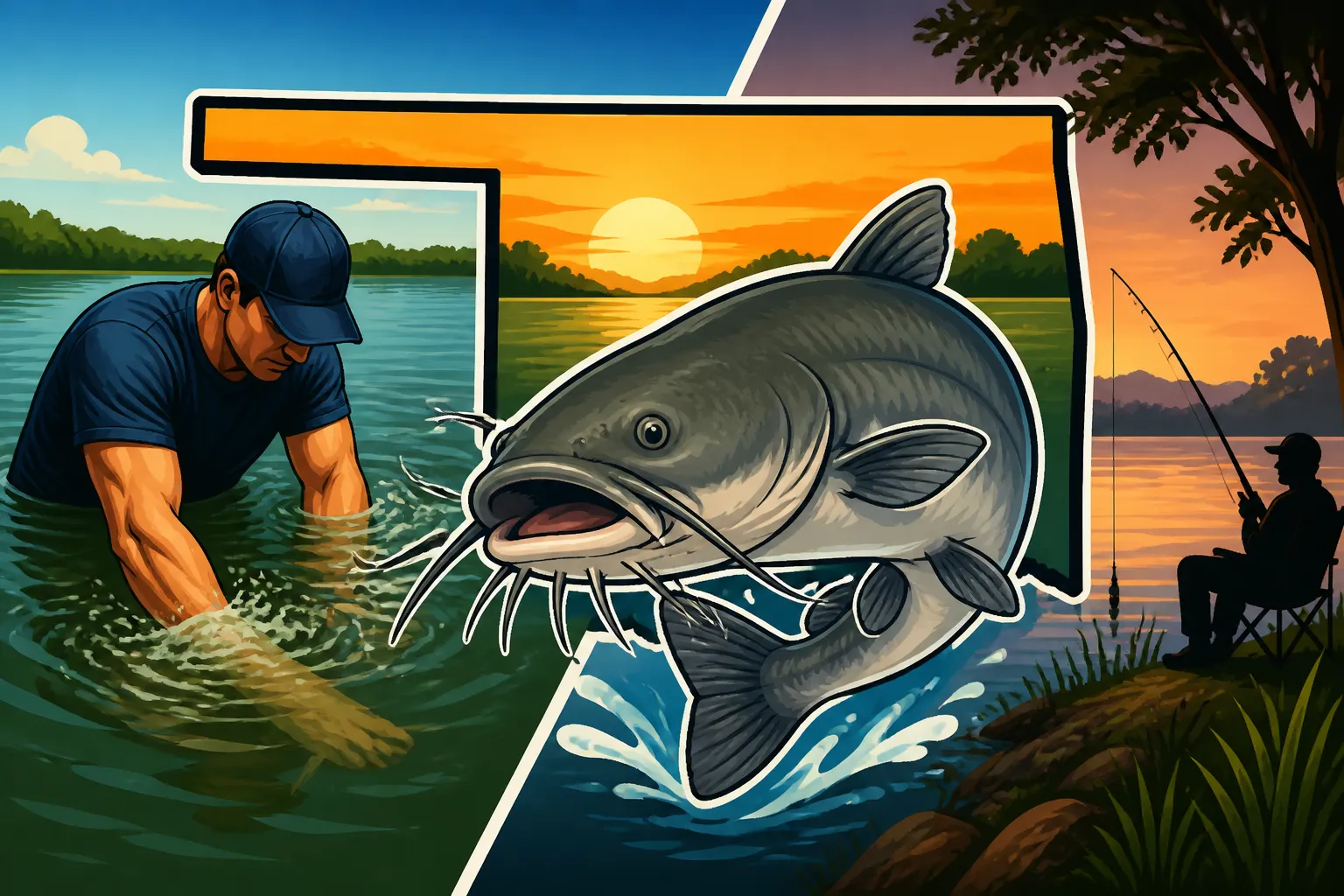
There's nothing quite like the thrill of chasing catfish in Oklahoma, whether you're wrestling a monster blue cat from an underwater lair with your bare hands or simply enjoying the peaceful solitude of a sunset spent bank fishing. Many anglers feel a bit overwhelmed trying to figure out which lakes truly offer the best chances for these unique and rewarding experiences. This guide is dedicated to breaking down the prime locations and essential knowledge you’ll need to excel at both noodling and traditional bank fishing for catfish across our incredible state.
The Raw Excitement of Catfish Noodling and Serenity of Bank Fishing
For many, fishing for catfish isn't just a pastime; it's a way of life, deeply ingrained in the culture of Oklahoma. There’s a primal draw to facing a powerful fish head-on with just your hands, known as noodling or handfishing. It's a method that truly tests your courage and strength against some of the biggest freshwater fish in the state. On the other end of the spectrum, bank fishing offers a different kind of reward: the quiet patience, the simple joy of a tight line, and the satisfaction of reeling in a good meal from the shore. Both methods have their own unique charm and loyal followers, and Oklahoma's diverse waterways are absolutely perfect for pursuing either.
Why Oklahoma is a Catfish Paradise
Oklahoma's geographical location and abundant water resources make it a premier destination for catfish anglers. We're blessed with vast reservoirs, winding rivers, and countless smaller ponds, many of which are absolutely teeming with channel, blue, and flathead catfish. The warm climate for much of the year contributes to fast growth rates for these fish, meaning there are plenty of trophy-sized specimens out there. Our state's fisheries management also does a fantastic job of maintaining healthy populations, ensuring that anglers have consistent opportunities. From the fertile Red River basin in the south to the clear waters of the Ozarks in the northeast, there's a catfish haven waiting for you.
Understanding the Appeal of Each Method
Noodling, while not for the faint of heart, provides an unparalleled adrenaline rush. It's an intimate, hands-on experience that connects you directly with the fish in its natural habitat. Imagine plunging your arm into an underwater hole, feeling around for a massive flathead, and then wrestling it to the surface. It’s physically demanding but incredibly rewarding. On the other hand, bank fishing offers accessibility and a relaxed atmosphere. It's perfect for families, beginners, or anyone looking to unwind. You can set up a comfortable chair, cast out a few lines, and let the fish come to you. Both approaches, despite their differences, share the common goal of landing a delicious Oklahoma catfish.
Prime Noodling Grounds: Where to Find Oklahoma's Giant Catfish
When it comes to noodling, you're primarily looking for large flathead and blue catfish, as their size and aggressive nature make them ideal targets for this method. These fish prefer natural cavities, undercut banks, log jams, and rocky crevices as hiding spots. Finding the right lake or river with these characteristics is key to a successful noodling adventure. Remember, safety is paramount, and it's always best to noodle with experienced partners.
Lake Texoma: A Noodler's Dream
Lake Texoma, straddling the Oklahoma-Texas border, is renowned for its incredible blue catfish population, many of which reach truly monumental sizes. The lake's extensive shoreline, numerous submerged structures, and the influence of the Red and Washita rivers create an ideal habitat for these giants. Noodlers often target the areas around submerged timber, rock ledges, and muddy banks with undercuts, particularly in the upstream sections of the rivers feeding into the lake.
The sheer volume of big blue catfish in Texoma makes it a consistent producer for noodlers. While you'll need to be mindful of the specific fishing regulations on both sides of the border, the Oklahoma side offers vast opportunities. Many guides specializing in Texoma fishing are available through services like FishingBooker, and some even offer trips that cater to handfishing enthusiasts, providing invaluable local knowledge and safety tips. Just be sure to double-check their specific offerings.
Lake Eufaula: The Gentle Giant of Catfish
As Oklahoma's largest lake, Lake Eufaula offers an immense amount of water and diverse habitat, making it another fantastic choice for noodlers. While it might not boast the sheer numbers of 50+ pound blue cats like Texoma, Eufaula has an excellent population of large flatheads and plenty of big channel catfish, which can also be great targets. The lake's countless coves, creek channels, and expansive timber provide endless potential hiding spots.
Look for areas with dense submerged trees or deep creek channels that offer stable, hard-bottomed structure. The North Canadian and Deep Fork river arms, which feed into Eufaula, are particularly productive, offering plenty of current and natural features that catfish love to call home. The muddier, fertile waters of Eufaula are perfect for producing large, healthy catfish that are strong fighters.
Fort Gibson Lake: A Hidden Gem for Handfishing
Nestled in northeastern Oklahoma, Fort Gibson Lake might not always grab the headlines for noodling, but it's a fantastic spot for those in the know. The Grand River, which feeds Fort Gibson, provides constant current and excellent structure for flatheads and blue catfish. The lake features numerous rock bluffs, submerged stumps, and ledges that create perfect cover.
Anglers often find success in the upper sections of the lake and along the river channels where the current is stronger. The blend of rocky and timbered areas creates a varied environment where catfish can thrive and hide. Exploring the more secluded coves and creek mouths can yield impressive results for experienced noodlers seeking less-pressured fish.
Top Lakes for Bank Fishing in Oklahoma
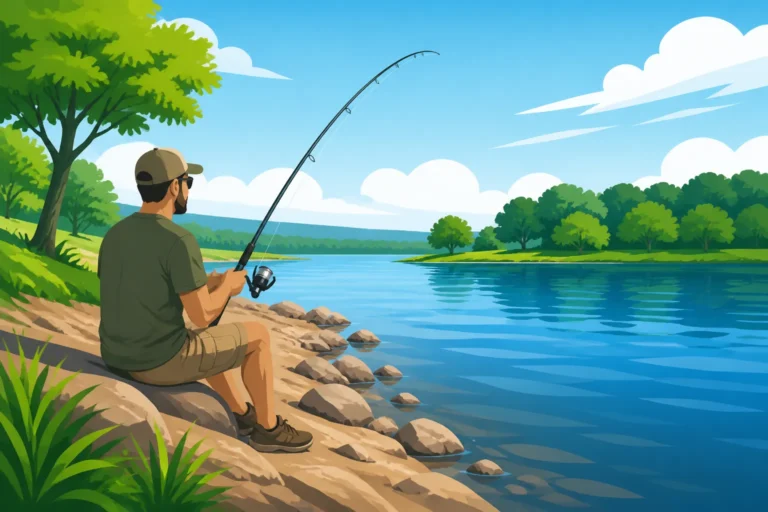
Bank fishing for catfish is a beloved pastime, offering accessibility and relaxation. The key to successful bank fishing is finding lakes with good public access, comfortable amenities, and thriving catfish populations. Oklahoma has an abundance of such spots, making it easy for anyone to enjoy a day (or night!) out fishing from shore.
Lake Murray: Family-Friendly Catfishing from Shore
Lake Murray, near Ardmore, is not only one of Oklahoma's most beautiful lakes but also a fantastic destination for bank fishing, especially for channel catfish. The lake offers numerous public access points, fishing piers, and shoreline camping areas within Lake Murray State Park. Its clear waters and diverse bottom structure mean catfish are abundant and often willing to bite.
You can find excellent opportunities along the designated fishing piers, such as those near the state park lodges or the many public access points that line the shore. These spots often have brush piles or underwater structure nearby, which attract baitfish and, consequently, catfish. It's a prime location for families, offering easy access and the chance to catch a good number of eating-sized channel cats.
Keystone Lake: Accessible and Productive
Just west of Tulsa, Keystone Lake is a massive reservoir formed by the Arkansas and Cimarron rivers. It's a bank fishing hotspot due to its extensive shoreline and numerous public use areas, including Keystone State Park. The lake is well-known for its abundant channel and blue catfish, with flatheads also making an appearance.
Anglers can find great success fishing from the many accessible points, including campgrounds, boat ramps, and even roadside pull-offs that offer shore access. The tailwaters below Keystone Dam can also be incredibly productive for channel and blue catfish, especially during periods of generation. Fishing the mouths of the river arms or the protected coves often yields good results. The turbid water associated with the river systems makes for excellent catfishing conditions.
Lake Thunderbird: Catfish Close to the City
For those near the Oklahoma City metro area, Lake Thunderbird offers convenient and productive bank fishing. While often busy with recreational activities, the lake has healthy populations of channel catfish, along with some blues and flatheads. Several public parks and fishing areas provide ample shoreline access.
Specific spots like Little Axe Park or Alameda Park offer good bank access and often have picnic areas and restrooms, making them ideal for a day trip. Fishing near submerged timber, brush piles, or along deeper creek channels can be very productive. Early morning or late evening often provides the best bite, especially in the warmer months when catfish move into shallower water to feed. You'll find that for many, Lake Thunderbird is one of the best fishing spots near Oklahoma City for a quick trip.
Other Great Bank Fishing Options
Beyond these mainstays, several other lakes deserve a mention for their bank fishing potential:
- Grand Lake O' the Cherokees: While famous for bass, Grand Lake has excellent channel and blue catfish populations, especially in its shallower, nutrient-rich upper arms. Many public parks and resorts offer ample bank access.
- Lake Arbuckle: Known for its clear water and excellent crappie fishing, Arbuckle also has good channel catfish populations, particularly around its numerous rocky points and coves. Its more remote feel can appeal to those seeking solitude.
- Waurika Lake: Located in southwestern Oklahoma, Waurika is known for its excellent channel and blue catfish, with plenty of accessible shoreline for bank anglers.
Here’s a quick comparison of some top lakes for different catfish fishing styles:
| Lake | Primary Catfish Species | Best For Noodling? | Best For Bank Fishing? | Key Features for Catfish Anglers |
|---|---|---|---|---|
| Lake Texoma | Blue, Channel, Flathead | Yes (Big Blues) | Yes | Vast size, Red/Washita river influence, large blue cat population |
| Lake Eufaula | Channel, Flathead, Blue | Yes (Flatheads) | Yes | Largest lake, diverse habitat, river arms, abundant timber |
| Fort Gibson Lake | Flathead, Blue, Channel | Yes | Yes | Grand River current, rock bluffs, submerged structures |
| Lake Murray | Channel, Blue | Less Common | Yes (Family-friendly) | State Park access, fishing piers, clear water, good numbers |
| Keystone Lake | Channel, Blue, Flathead | Less Common | Yes (Accessible) | Extensive shoreline, river influence, good public access |
| Lake Thunderbird | Channel, Blue, Flathead | Less Common | Yes (Metro-accessible) | Near OKC, public parks, structure in coves |
| Grand Lake O' the Cherokees | Channel, Blue, Flathead | Yes (Upper Arms) | Yes | Vast, varied habitat, nutrient-rich upper arms |
Mastering the Catch: Tips and Essential Gear for Success
Whether you're getting ready to noodle or simply cast a line from shore, a bit of preparation and the right gear can make all the difference. Knowing a few tricks can significantly increase your chances of success.
Essential Gear for Bank Fishing
For bank fishing, simplicity is often the best approach, but don't skimp on quality.
- Rods and Reels: A medium-heavy to heavy-action spinning or baitcasting rod, 7-9 feet long, paired with a reel spooled with 20-50 pound monofilament or braided line, is ideal. This setup provides enough backbone to cast heavy baits and handle large catfish. If you're looking for gear, you might consult resources like "Best Rods and Reels for Oklahoma Fishing" to help make your choice.
- Hooks and Weights: Circle hooks (size 4/0 to 8/0) are excellent for catfish, ensuring a good hookset in the corner of the fish's mouth and reducing gut-hooking. An assortment of sinkers (egg, pyramid, or no-roll weights from 1/2 oz to 2 oz) will help you keep your bait on the bottom, depending on current and wind.
- Bait: Catfish are opportunistic eaters, and a variety of baits work well.
- Cut Bait: Shad, sunfish, or even hot dogs cut into chunks are highly effective for blue and channel catfish.
- Prepared Baits: Stink baits, punch baits, and pre-made dough baits are popular, especially for channel catfish. Brands like Catfish Charlie or Secret 7 are often favorites.
- Live Bait: Worms, minnows, or small sunfish can entice flatheads, though live bait is often more effective with boat fishing for flatheads. Check out our guide on "Best Catfish Bait for Oklahoma Lakes and Rivers" for more detailed recommendations.
- Accessories: A sturdy rod holder to keep your rods secure while waiting for a bite, a bait knife, a tackle box with pliers and extra hooks, a headlamp for night fishing, and a cooler for your catch are all crucial. Don't forget a comfortable chair and plenty of water!
Tips for Successful Bank Fishing
- Fish the "High Percentage" Spots: Look for areas with structure: submerged logs, rock piles, sudden drops in depth, or the mouths of creeks and coves. Catfish will often patrol these areas for food.
- Time Your Trips: Early mornings and late evenings are often the best, especially during warmer months. Catfish become more active and move into shallower feeding areas during these times. Night fishing can also be incredibly productive for larger fish.
- Understand Catfish Behavior: Channel cats are scavengers and will hit almost anything stinky. Blue cats often prefer fresh cut bait. Flatheads are predatory and typically prefer live bait. Tailwaters below dams can be phenomenal when water is being released, as current disorients baitfish.
- Be Patient: Catfishing from the bank requires patience. Set up multiple rods with different baits if regulations allow, and wait for the bite.
Noodling Safety and Preparation
Noodling is inherently more dangerous and physically demanding than bank fishing. It requires intense focus and awareness.
- Know Your Limits: Never attempt to noodle alone. Always go with experienced partners.
- Identify Potential Spots: Look for holes in undercut banks, under logs, or in rock formations. These are where catfish, particularly flatheads, will make their nests or hide.
- Protective Gear: Heavy gloves are a must to protect your hands from sharp fins, gill plates, and submerged debris. Some noodlers also wear thick long-sleeved shirts.
- Technique: The basic technique involves feeling for an opening, inserting your arm, and once you feel the fish, reaching in and grabbing its lower jaw. This sounds simple but requires practice, courage, and a calm demeanor when you're underwater with a powerful fish.
- Regulations: Always check the Oklahoma fishing regulations for handfishing, as specific rules apply, including season dates and legal fish sizes. For instance, understanding specific rules like "Forked-Tail Catfish Limits in Oklahoma" or "The 30-Inch Blue Catfish Rule in Oklahoma" is vital. You can find detailed regulations on the Oklahoma Department of Wildlife Conservation (ODWC) website. Remember, fishing without a license can lead to serious "Penalties for Fishing Without a License in Oklahoma".
Catfish Species You'll Encounter in Oklahoma
Oklahoma is home to three main species of catfish, each with its own characteristics and preferred habitats. Knowing these differences can help you target them more effectively whether you're noodling or bank fishing.
Channel Catfish
Channel catfish are the most common and widespread catfish species in Oklahoma. They have a forked tail, smooth skin, and usually a spotted body (though spots can fade with age). They thrive in a wide variety of habitats, from large reservoirs to small ponds and rivers. Channel cats are often the primary target for bank anglers due to their abundance and willingness to bite on many different baits. They typically range from 1 to 10 pounds, though larger ones are caught.
They're excellent table fare and are often found in areas with moderate current, near structure, or along channel edges. Their diet is incredibly varied, making them susceptible to everything from worms and minnows to prepared baits and cut bait.
Blue Catfish
Blue catfish are the largest species of catfish in North America, and Oklahoma waters, particularly Lake Texoma, are famous for producing giants. Like channel cats, they have a forked tail, but their bodies are typically more uniformly bluish-gray, and they lack the spots. Their heads are usually larger and their mouths wider. Blue cats prefer large rivers and reservoirs with strong currents and abundant shad populations.
These powerful fish can grow to over 100 pounds in Oklahoma. They are primarily predators, often preferring fresh cut bait or live bait. Targeting them often requires heavier tackle for bank fishing or direct confrontation during noodling. Their fighting power is legendary, making them a thrilling catch. You'll definitely want to know the specific "Oklahoma's Catfish Fishing Rules and Limits" when pursuing these beasts.
Flathead Catfish
Flathead catfish are easily distinguished by their flat, broad heads, small eyes, and slightly rounded or square tail (not deeply forked). Their bodies are mottled brown and yellow, offering excellent camouflage in their preferred snag-laden habitats. Flatheads are solitary ambush predators, preferring to hide in deep holes, log jams, and undercut banks in rivers and large reservoirs.
These fish are highly sought after by noodlers because they tend to hold tight to structure, and their large mouths make them ideal for hand-grabbing. Flatheads primarily feed on live fish, so if you're bank fishing for them, live bait such as sunfish, perch, or large shiners is usually the most effective choice. They can also grow to immense sizes, often reaching 50 pounds or more in Oklahoma. For more detail, check out the "Channel Catfish vs Blue Catfish vs Flathead Catfish in Oklahoma" guide.
Planning Your Oklahoma Catfishing Adventure
Getting out on the water, or simply along the bank, is one of the best ways to experience Oklahoma. With a little planning, your next catfish trip can be incredibly rewarding.
Checking Regulations and Licenses
Before you head out, always double-check the current fishing regulations, as they can change from year to year. This includes bag limits, length limits for specific species or lakes, and specific rules for noodling. Ensure you have the appropriate Oklahoma fishing license. Our guide on "Oklahoma Fishing License Requirements in Oklahoma" is an excellent resource, covering everything from resident and nonresident options to various special permits.
For instance, the statewide limit for forked-tail catfish (blue and channel combined) is 15 fish per day, with only one blue catfish over 30 inches. These details matter for avoiding fines and ensuring the sustainability of our fisheries.
Finding a Guide or Local Expert
If you're new to noodling or exploring a new lake, consider hiring a local guide. They possess invaluable knowledge of the best fishing spots, current patterns, and effective techniques. Many experienced guides can be found through platforms like FishingBooker, which lists a variety of trips and services across Oklahoma's prime fishing destinations. A good guide can significantly increase your chances of success and provide a safer, more enjoyable experience, especially for something as unique as noodling.
Seasonal Considerations
Catfish can be caught year-round in Oklahoma, but their activity levels and locations change with the seasons.
- Spring: As water temperatures rise, catfish become more active and move into shallower areas to feed and spawn. This can be an excellent time for both bank fishing and noodling as fish are more aggressive.
- Summer: During the hot summer months, catfish are often most active during early mornings, evenings, and especially at night. Noodling is popular in summer when the water is warm enough to comfortably be in.
- Fall: As water cools, catfish remain active, feeding heavily to prepare for winter. They can be found in a variety of depths, often moving to deeper channels as the season progresses.
- Winter: Catfish activity slows, but they can still be caught, often concentrating in deeper holes and channels. Winter catfishing can be excellent for large blue catfish on some lakes.
Understanding these seasonal shifts and adjusting your techniques accordingly, such as employing "Winter Catfishing Techniques in Oklahoma", can lead to consistent success throughout the year.
Disclaimer
The information provided in this guide is for general informational purposes only and is not intended as legal advice. Fishing regulations in Oklahoma are subject to change, and it is the responsibility of each angler to consult the official Oklahoma Department of Wildlife Conservation (ODWC) regulations before engaging in any fishing activities. Always prioritize safety and adhere to all local, state, and federal laws.