Oklahoma’s Statewide Crappie Bag Limit
There’s nothing quite like the thrill of a crappie bite, especially when you’re in the middle of a hot streak, pulling slab after slab into your boat. But in that excitement, it’s easy to lose track of how many of those beautiful fish you’ve tossed into the livewell. Understanding Oklahoma’s crappie bag limits is crucial, not just to stay on the right side of the law, but to help preserve these fantastic fisheries for years to come. This guide will walk you through the statewide rules, pinpoint the exceptions you absolutely need to know, and offer practical tips to help you stay compliant on your next crappie fishing adventure.
Understanding Oklahoma's Statewide Crappie Bag Limit
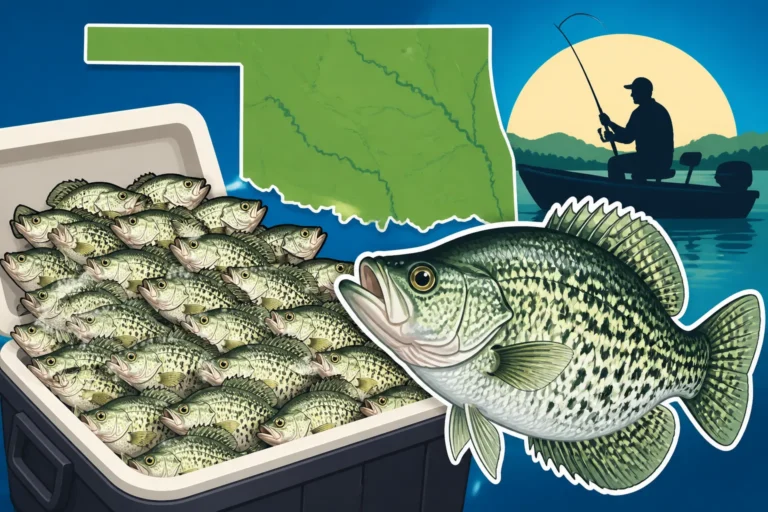
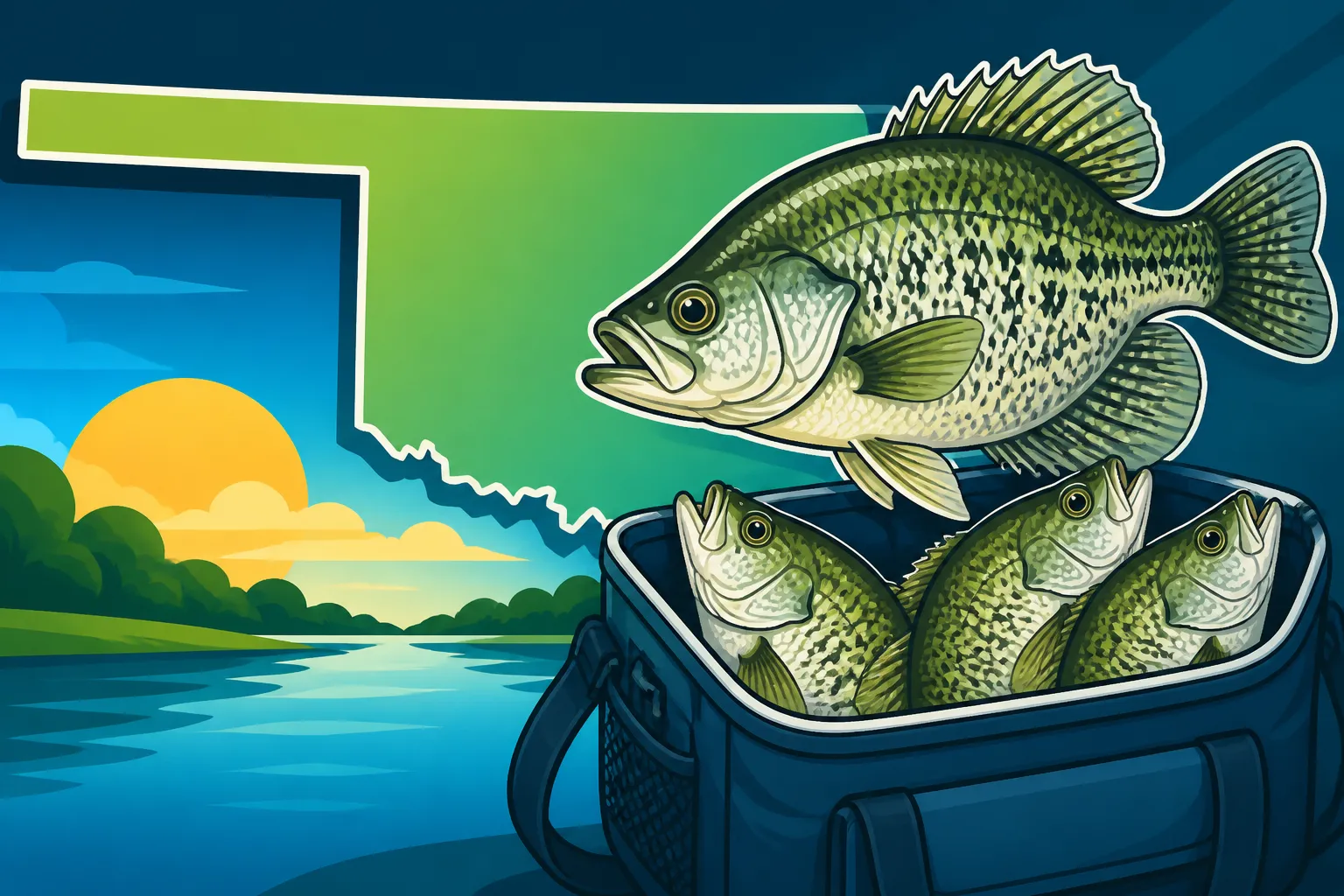
When you head out to most of Oklahoma’s incredible lakes and rivers, the general rule of thumb for crappie is pretty generous. It’s a number that many seasoned anglers have memorized, but for newcomers or those visiting from out of state, it can be a bit of a surprise. The statewide daily bag limit for crappie is 37 fish per person. That's a lot of crappie to clean, and it means you can have a really productive day on the water without worrying too much about hitting your limit too quickly in most places.
What "Daily Bag Limit" Truly Means
The term "daily bag limit" might seem straightforward, but it’s worth a moment to truly understand its implications. It means that within any single 24-hour period, starting at midnight, you cannot have more than 37 crappie in your possession. This isn't just about the fish in your livewell or cooler while you're actively fishing; it extends to the fish you've already taken home and haven't yet processed. So, if you catch your limit on Monday, go home, clean them, and then want to fish again on Tuesday, you start fresh with a new 37-fish allowance. The Oklahoma Department of Wildlife Conservation (ODWC) is pretty clear on this: the limit applies to all crappie possessed while fishing or immediately after you stop fishing, including fish that are kept at your camp, vehicle, or residence.
Counting Black and White Crappie Together
Another critical piece of information that sometimes trips up anglers, especially those new to Oklahoma, is that the 37-fish limit applies to all crappie species combined. This means whether you're catching plump black crappie or the equally delicious white crappie, they all go into the same count. There isn't a separate limit for each species; it's simply a collective "crappie" limit. So, if you pull in 20 black crappie and 17 white crappie, you've hit your daily limit. This rule simplifies things a bit, as you don't have to worry about correctly identifying each fish as you're pulling them in fast and furious, but it also means you need to be mindful of your overall count. You can dive deeper into how Black and White Crappie Counted Together works across the state.
Why Crappie Limits Are So Important for Oklahoma Fisheries
Bag limits aren't just arbitrary numbers conjured up by folks in an office. They are carefully determined by fisheries biologists who study fish populations, spawning success, growth rates, and angler pressure. These limits are a vital tool in managing our precious natural resources, ensuring that Oklahoma's lakes and rivers remain vibrant and productive fishing destinations for generations to come. It’s easy to get caught up in the moment and want to keep every fish, but remembering the bigger picture helps put these regulations into perspective.
Protecting Fish Populations and Future Spawns
The primary reason for any bag limit, especially for popular species like crappie, is conservation. Crappie are prolific spawners, but they are also highly sought after. Without limits, it wouldn't take long for overfishing to significantly impact their populations. Imagine if everyone could keep as many crappie as they wanted, every single day. Our lakes would be depleted quickly, and the fantastic crappie fishing we enjoy today would become a distant memory. Biologists use data to set limits that allow enough adult fish to remain in the water to successfully reproduce each year, ensuring strong future spawns. This delicate balance means we can continue to enjoy those exciting crappie runs year after year.
Maintaining a Healthy Ecosystem
Beyond just crappie numbers, healthy fish populations are integral to a thriving aquatic ecosystem. Crappie play a role as both predator and prey in many Oklahoma lakes. They feed on smaller baitfish and invertebrates, helping to control those populations, and in turn, they serve as a food source for larger predators like bass, catfish, and even eagles. When one part of that ecosystem is out of balance, the ripple effects can be far-reaching. So, adhering to these limits isn't just about protecting crappie; it's about safeguarding the entire intricate web of life that makes our Oklahoma waters so special. It’s a collective responsibility, and every angler plays a part in keeping that balance stable.
Specific Crappie Regulations at Six Oklahoma Lakes
While the statewide crappie bag limit is 37, Oklahoma is home to some incredible fisheries where the rules are a little different. These specific regulations are put in place for very good reasons, often to manage trophy fisheries, improve growth rates, or address unique population dynamics in certain bodies of water. It's really important to know these exceptions before you launch your boat, because an honest mistake can still lead to a pretty hefty fine. The Department of Wildlife Conservation does a great job of listing these, and you can generally find signs at boat ramps, but a little pre-trip research goes a long way. You can learn more about Stricter Crappie Limits at Six Oklahoma Lakes.
Lakes with a 15-Fish Daily Bag Limit and 10-Inch Minimum
Six prominent Oklahoma lakes have stricter crappie regulations compared to the statewide limit. On these lakes, the daily bag limit is reduced to 15 crappie per person, and often, there's a 10-inch minimum length limit. This means any crappie you catch that measures less than 10 inches from the tip of its nose to the end of its tail must be immediately released back into the water. This minimum size limit allows younger crappie to grow larger and contribute to the spawning population before they are harvested, leading to more "slab" crappie for anglers in the long run.
The lakes with these special regulations include:
- Lake Arbuckle: Known for its clear waters and excellent crappie fishing, Lake Arbuckle has a 15-fish daily bag limit and a 10-inch minimum size limit. This helps maintain its reputation as a premier crappie destination. If you're heading there, definitely check out the specific Arbuckle Lake Crappie Rules in Oklahoma.
- Lake Tenkiller: A favorite among many eastern Oklahoma anglers, Tenkiller Ferry Lake also enforces a 15-fish daily bag limit and a 10-inch minimum length limit for crappie. This regulation is crucial for managing the lake's highly pressured crappie population. You can get more details on Tenkiller Lake's 10-Inch Crappie Minimum.
- Hudson Lake: Another fantastic northeast Oklahoma lake, Hudson has the same 15-fish daily bag and 10-inch minimum size limits for crappie. Knowing the Hudson Lake Crappie Limit Explained beforehand will ensure a compliant and enjoyable trip.
- Fort Gibson Lake: This large reservoir near Wagoner and Muskogee is incredibly popular. Anglers here must adhere to a 15-fish daily bag limit and a 10-inch minimum size limit for crappie. For more information, refer to Fort Gibson Lake's 15-Fish Crappie Limit.
- Grand Lake O' the Cherokees: One of Oklahoma's most famous lakes, Grand Lake, also features a 15-fish daily bag limit and a 10-inch minimum length limit. This helps support the lake's reputation for producing quality crappie. Be sure to understand Grand Lake Crappie Size and Bag Limits before your visit.
- Lake Texoma (Oklahoma side): As a border lake shared with Texas, Texoma's regulations can be a bit tricky. On the Oklahoma side, you’ll find a 15-fish daily bag limit and a 10-inch minimum length for crappie. Always double-check Texoma's Crappie Rules Compared to the Statewide Limit, especially if you plan to fish both sides of the border.
These special regulations are in place for a reason, and they contribute to the quality of fishing on these specific lakes. Always consult the current Oklahoma Fishing Guide or the ODWC website before you go, as regulations can sometimes change.
Why Certain Lakes Have Stricter Rules
It might seem unfair that some lakes have tighter restrictions, but there’s sound science behind it. Fisheries biologists consider several factors. For example, if a lake receives exceptionally high fishing pressure, stricter limits prevent overharvest. In other cases, a lake might have slower-growing crappie populations, or perhaps a particularly high density of smaller fish that need to be culled through a size limit to allow the remaining fish to grow larger. The goal is always to improve the overall health and quality of the fishery. These regulations are designed to cultivate those "slab" crappie we all dream about, creating a more rewarding experience for every angler. It's a trade-off: fewer fish allowed, but potentially bigger, healthier fish when you do catch them.
Here's a quick comparison of crappie limits in Oklahoma:
| Body of Water | Daily Bag Limit (Crappie) | Minimum Size Limit (Crappie) | Notes |
|---|---|---|---|
| Most Oklahoma Lakes and Rivers | 37 fish | None | Applies statewide unless otherwise specified. |
| Lake Arbuckle | 15 fish | 10 inches | Stricter rules for specific management goals. |
| Lake Tenkiller | 15 fish | 10 inches | Popular lake with specific conservation efforts. |
| Hudson Lake | 15 fish | 10 inches | Managed for quality crappie fishing. |
| Fort Gibson Lake | 15 fish | 10 inches | High-pressure lake, rules aim to sustain population. |
| Grand Lake O' the Cherokees | 15 fish | 10 inches | Major tourist destination with active fishery management. |
| Lake Texoma (Oklahoma portion) | 15 fish | 10 inches | Border lake, always check state-specific regulations carefully. |
Staying Compliant: Practical Tips for Anglers
It's one thing to know the rules, and another to actually follow them, especially when the fish are biting fast and furious. Nobody wants to be that angler who inadvertently breaks the law or negatively impacts the fishery. Game wardens are out there to protect our wildlife, and while they appreciate honest mistakes, ignorance of the law isn't usually an excuse. Getting caught with too many fish or undersized fish can result in a fine, confiscation of your catch, and even your fishing equipment. It's always better to be prepared and methodical in your approach.
Counting and Measuring Your Catch Carefully
The simplest way to stay compliant is to keep a running tally of every crappie you keep. This can be as low-tech as a piece of paper and a pencil, or a small clicker counter you can wear on your belt, which you can easily find on Amazon. When the bite is hot, it’s incredibly easy to lose count, so make it a habit to click that counter every time a crappie goes into the livewell. For lakes with a minimum size limit, having a reliable measuring device is non-negotiable. A simple bump board or a tape measure attached to your boat's gunwale makes quick work of checking lengths. Don't eyeball it – a quick, accurate measurement can save you a headache later. If a crappie is undersized, get it back in the water as quickly and gently as possible to maximize its chances of survival.
Using Livewells and Culling Responsibly
Many crappie anglers use livewells to keep their catch fresh throughout the day. This also allows for culling, where you replace smaller fish in your livewell with larger ones you catch later. While culling is generally allowed in Oklahoma, there are rules to follow. You can only possess your daily limit of crappie at any given time. So, if you're on a 15-fish limit lake and already have 15 crappie in your livewell, you cannot keep another fish unless you immediately release one of the fish you already have. You can't have 16 fish in your livewell, even temporarily, while you're deciding which one to keep. This is a common misunderstanding, and game wardens do check for it. Make sure your livewell is functioning properly, keeping your fish healthy, whether they are destined for the frying pan or to be released after culling. A well-aerated livewell is a crucial piece of equipment, and you can find many options, along with aeration systems, on Amazon.
Penalties for Exceeding Crappie Bag Limits
Nobody wants to face a game warden with a guilty conscience, or worse, a citation. Penalties for violating fishing regulations in Oklahoma are not just a slap on the wrist; they can be serious. Game wardens take their job very seriously, and they are trained to spot violations. They are often out on the water, at boat ramps, and even checking anglers returning to their vehicles, so don't assume you won't be checked. It's a real bummer when a great day on the water ends with a costly mistake.
Fines and Potential Consequences
The consequences for exceeding bag limits or keeping undersized fish can vary depending on the severity of the violation and whether it's a repeat offense. Typically, you're looking at fines, which can quickly add up, especially if you're significantly over the limit. Beyond monetary penalties, game wardens have the authority to confiscate your illegal catch. In more egregious cases, or for repeat offenders, your fishing equipment (like rods, reels, or even your boat) could potentially be seized. Additionally, you could face the suspension or revocation of your fishing license, meaning you wouldn't be able to fish legally in Oklahoma for a period of time. It's a heavy price to pay for a few extra fish, or for simply not knowing the rules. You can find more details on Penalties for Fishing Without a License in Oklahoma, which often mirror other game and fish violations.
The Importance of Respecting Game Wardens
Game wardens are often seen as the "bad guys" when they write a ticket, but their role is vital. They are law enforcement officers dedicated to protecting Oklahoma's natural resources. If a game warden approaches you, be polite, cooperative, and provide any requested information, such as your fishing license and identification. They are simply doing their job to ensure that everyone is adhering to the regulations that keep our fisheries healthy. Arguing or being uncooperative can only make the situation worse. Remember, they are there to help ensure that all anglers can enjoy the sport for years to come. A little respect and understanding go a long way, and sometimes, a friendly conversation can even provide you with valuable insights into local fishing conditions or clarification on rules.
Maximizing Your Crappie Fishing Experience Responsibly
Fishing is more than just catching fish; it's about the experience, the outdoors, and the satisfaction of a day well spent. Being a responsible angler means understanding and respecting the rules that govern our sport. By knowing Oklahoma's statewide crappie bag limit and its exceptions, you can ensure your fishing trips are always enjoyable and worry-free.
Planning Your Trip Around Regulations
Before every crappie fishing trip, especially if you're heading to a new lake or one you haven't visited in a while, take a few minutes to check the current regulations. A quick visit to the Oklahoma Department of Wildlife Conservation website or a glance through the latest fishing guide (available at most tackle shops and on Amazon) can save you a lot of grief. Verify the daily bag limit, any minimum size limits, and any other special regulations for your chosen body of water. This is particularly important for those six lakes with stricter crappie rules. Knowing these details in advance allows you to plan your fishing day effectively, from how many coolers you might need to the types of measuring devices you should have on hand. It allows you to focus on the fun of fishing, rather than stressing about compliance.
The Value of Catch and Release
Even if you’re well within the bag limit, consider practicing catch and release, especially for larger breeding crappie. While it’s tempting to keep every big slab, releasing some of the larger, healthier females can contribute significantly to the future spawning success of the lake. It's a personal choice, of course, but many anglers find immense satisfaction in knowing they've contributed to the fishery's long-term health. If you do plan to release fish, handle them gently, minimize their time out of the water, and use proper dehooking tools. A quick snapshot, and then back into the water they go, ready to fight another day and make more crappie for future generations. This mindful approach truly makes you a conservation-minded angler.
Disclaimer
Please remember that fishing regulations can change. While every effort has been made to provide accurate and up-to-date information, it is your responsibility to verify all current rules and regulations with the Oklahoma Department of Wildlife Conservation (ODWC) before engaging in any fishing activity. This article is intended for informational purposes only and should not be considered legal advice.