Remote Fishing Coves on Hudson Lake
There's nothing quite like the feeling of pulling up to a fishing spot, anticipating a peaceful day, only to find it already teeming with other anglers, boats, and the general hubbub that drains the serenity right out of your soul. When you're dreaming of a quiet cast and the thrill of a fight without interruption, crowded shores and busy main lake points can be incredibly frustrating. This guide is all about helping you escape that clamor, leading you to the tranquil, productive waters of Hudson Lake's remote fishing coves where peace and good fishing often go hand-in-hand.
The Allure of Secluded Spots on Hudson Lake
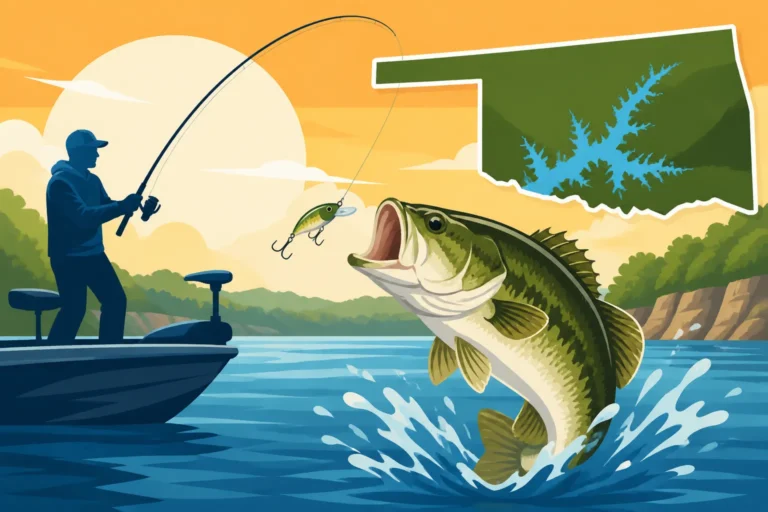
Hudson Lake, nestled in northeastern Oklahoma, is a beautiful body of water with a reputation for excellent fishing, especially for bass, crappie, and catfish. But like many popular reservoirs, its main lake points and easy-access areas can get pretty busy, particularly on weekends or during peak seasons. That's where the magic of remote coves comes in – they offer a much-needed escape and often hold some of the lake's best-kept fishing secrets.
Why Seek Out Remote Coves?
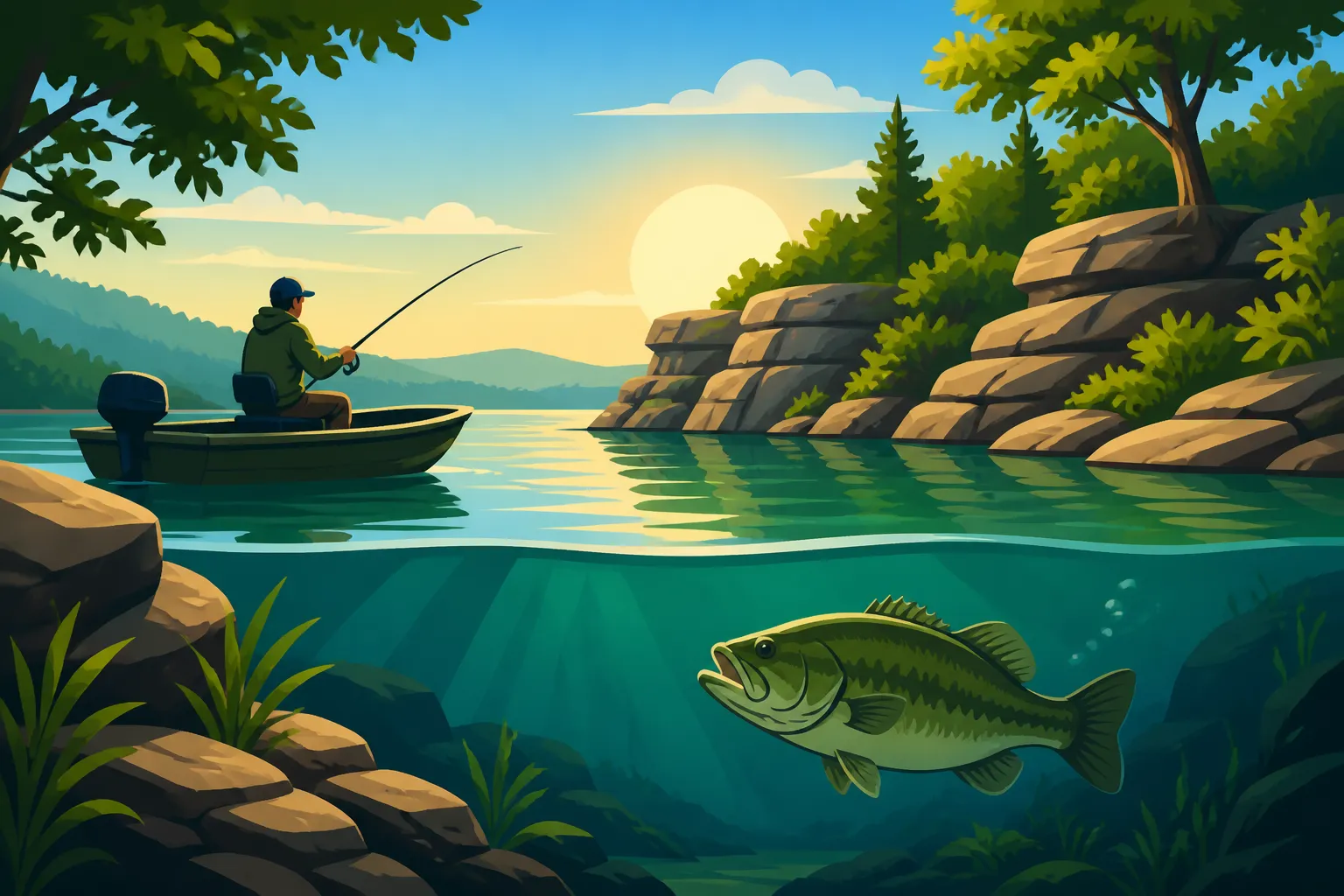
For many anglers, the appeal of remote coves goes beyond just avoiding crowds; it’s about tapping into a different kind of fishing experience entirely. Imagine gliding into a quiet pocket of water, surrounded by untouched natural beauty, where the only sounds are the chirping of birds and the gentle lapping of water against your boat or kayak. This tranquility isn't just good for the soul; it can also be incredibly beneficial for your fishing success. Fish in these less-pressured areas are often less wary, more likely to strike a bait, and can sometimes be larger because they haven't seen every lure in the tackle shop. It’s a chance to truly connect with the environment and feel like you've discovered something special.
Beyond the peace, remote coves often provide excellent cover and foraging opportunities for fish that aren't disturbed by constant boat traffic or bank activity. These spots can feature dense submerged timber, isolated rock piles, natural springs, or subtle depth changes that act as magnets for baitfish and, subsequently, the game fish that feed on them. Finding these undisturbed havens allows you to observe natural feeding patterns and present your baits in a way that truly mimics their environment, often leading to more consistent bites and larger catches. If you're looking for where to find those big bass, these are often the places to start.
Understanding Hudson Lake's Unique Geography
Hudson Lake is a tributary of the Grand River, part of the larger Grand Lake O' the Cherokees system, and it boasts a fascinating and varied shoreline. Unlike some lakes with uniform, gradual banks, Hudson features a mix of rocky bluffs, steep banks, and shallower, timber-filled flats that transition into numerous coves and pockets. This diverse terrain is exactly what creates so many opportunities for secluded fishing spots. The lake's irregular shape, with its winding arms and fingers, naturally carves out countless nooks and crannies that are harder to reach for larger boats or casual shore anglers.
Many of these remote coves are located up the various creeks and arms feeding into the main lake, such as the areas found along Spavinaw Creek or Salina Creek. These areas tend to become narrower and shallower, often with more standing timber or brush, making them less appealing for high-speed recreational boating but absolutely perfect for fishing. The varying depths and structures within these coves, from shallow spawning flats in spring to deeper channels and drop-offs in summer, mean they can hold fish year-round. Understanding this geography is the first step to truly unlocking the potential of Hudson Lake's quieter corners.
Identifying and Accessing Hudson Lake's Hidden Gems
Finding these remote coves isn't always as simple as looking at a basic map; it requires a bit of research and sometimes a willingness to explore. But the reward of discovering your own secret spot, brimming with active fish, is well worth the effort. Once you know what to look for, the process becomes an exciting part of the adventure.
Using Maps and Technology to Find Seclusion
Modern technology has become an invaluable tool for any angler serious about finding remote fishing spots. Start with high-resolution satellite imagery on apps like Google Earth or Navionics. Zoom in on Hudson Lake and look for areas with less development, fewer boat docks, and intricate shoreline features. Focus on the upper reaches of the lake's arms and creeks. You'll often see areas where the main channels narrow, giving way to extensive coves that are blocked off by submerged points, shallow flats, or thick stands of timber. These visual cues are your first indication of potential remote hideaways.
Beyond satellite images, good fishing maps (like those offered by FishingBooker, or dedicated fishing chart apps) provide crucial hydrographic data, showing contour lines, submerged structure, and depth changes. Look for coves that feature sharp drop-offs, underwater humps, creek channels, or dense cover like brush piles or rock formations. These are the elements that attract and hold fish, even in secluded areas. Cross-reference these features with satellite imagery to get a complete picture. Often, the most remote spots will require a bit of navigation through shallower water or around obstacles, which deters casual anglers and preserves their untouched quality.
Accessing Remote Coves: Boat, Kayak, or Foot?
Once you've identified potential remote coves, the next challenge is figuring out how to get there. The method of access often dictates just how remote a spot truly is and what kind of fishing experience you'll have.
Small Boats and Jon Boats: Many remote coves on Hudson Lake are accessible by smaller fishing boats, especially Jon boats or V-hull boats with shallow drafts. These vessels can navigate narrower passages and shallower depths that larger bass boats or pontoons might struggle with. The key is to be mindful of prop wash and submerged obstacles, especially if you venture into creek arms that get progressively shallower. A good trolling motor is indispensable for quietly maneuvering into prime positions once you're in the cove, allowing you to approach fish without spooking them. Remember to check your "Boat Safety Equipment Checklist for Oklahoma Boaters" before heading out.
Kayaks and Canoes: For truly untouched coves, particularly those with very shallow entry points or extensive timber, a kayak or canoe is often your best bet. These stealthy vessels can slip into areas where even Jon boats fear to tread, offering unparalleled access to pristine fishing grounds. Kayaks allow you to paddle silently, get right up against cover, and present baits with precision. Just be sure to equip your kayak with the right gear, from a comfortable seat to essential safety items. Many anglers find a Kayak Fishing Gear Every Oklahoma Angler Needs to be a game-changer for accessing these hard-to-reach spots.
Bank Fishing (with a Hike): While most remote coves imply boat access, some can be reached by a significant hike from less-traveled public access points or conservation areas around the lake. These are often small, secluded pockets that might be too shallow for even a kayak but can hold surprising numbers of fish for a patient angler willing to put in the legwork. If you're going this route, pack light, wear sturdy footwear, and be prepared for uneven terrain. You'll likely be limited to a few rods and a small tackle bag, but the feeling of earning your catch in such a tranquil setting is unbeatable. Exploring Bank Fishing Techniques can help you maximize your success from shore in these areas.
Here's a quick comparison of access methods:
| Access Method | Pros | Cons | Best For |
|---|---|---|---|
| Small Boat | Good range, carry more gear, cover water faster | Limited by depth/obstacles, can be noisy | Mid-sized coves, areas with deeper channels |
| Kayak/Canoe | Silent, shallow access, highly maneuverable | Limited range, less gear capacity, weather-dependent | Truly remote, shallow, timber-filled coves |
| Foot (Bank) | No boat needed, very quiet, deep solitude | Limited access points, strenuous, less mobility | Small, overlooked pockets near shore |
Fishing Strategies for Remote Coves on Hudson Lake
Once you've navigated to your chosen remote cove, the real fun begins. Fishing these secluded spots often requires a slightly different approach than the main lake, focusing on subtlety, precision, and understanding how fish utilize the abundant cover.
Targeting Key Species in Secluded Waters
Remote coves on Hudson Lake are prime territory for several popular game fish, each requiring tailored tactics.
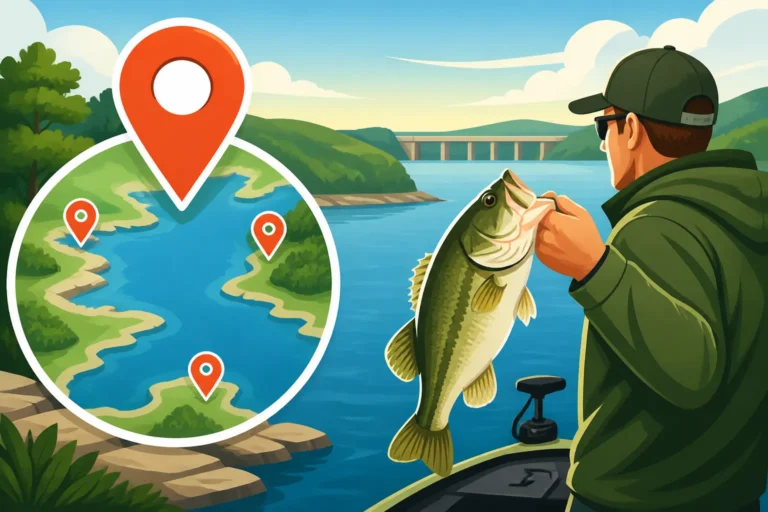
Largemouth Bass: These are often the stars of the show in remote coves. Look for them holding tight to submerged timber, brush piles, rocky outcroppings, or even isolated patches of emergent vegetation along the shoreline. In the spring, these shallow, protected areas are key spawning grounds, offering some incredible action. During summer and fall, bass will retreat to deeper cover within the cove or patrol its edges for baitfish. Flipping and pitching jigs or soft plastics into heavy cover is highly effective. You might also find success with weightless Texas-rigged worms or Senkos pitched quietly into pockets around wood. Consider researching Best Rods for Oklahoma Largemouth Bass to optimize your setup. If you find deep structure, don't forget to review How to Fish Deep Structure for Bass in Summer. Remember to also be aware of Oklahoma's Bass Fishing Rules and Limits to ensure legal catches.
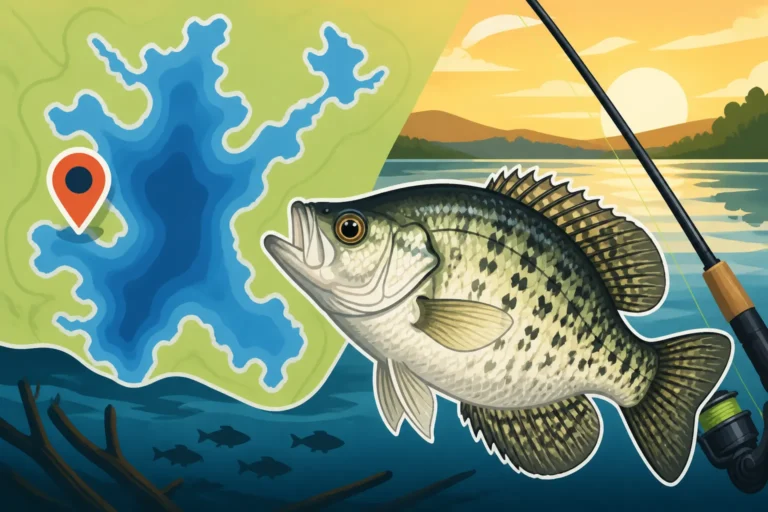
Crappie: Hudson Lake is renowned for its crappie, and remote coves are often fantastic crappie producers. During the spring spawn, crappie move into the shallowest parts of these coves, seeking brush, roots, and submerged vegetation to lay their eggs. Vertically jigging small crappie jigs (1/32 to 1/16 ounce) or minnows under a float around this cover can be deadly. In warmer months, crappie often suspend around submerged timber or the deeper ledges within the cove, especially early and late in the day. Look for standing timber or brush piles that extend into deeper water. A good Best Tackle Setup for Oklahoma Crappie will include light line and sensitive rods to detect their subtle bites. Always know the Crappie Fishing Rules and Limits in Oklahoma, especially the Hudson Lake's Ten-Inch Crappie Limit Explained. For more insights, check out Best Crappie Fishing Spots on Hudson Lake, Oklahoma.
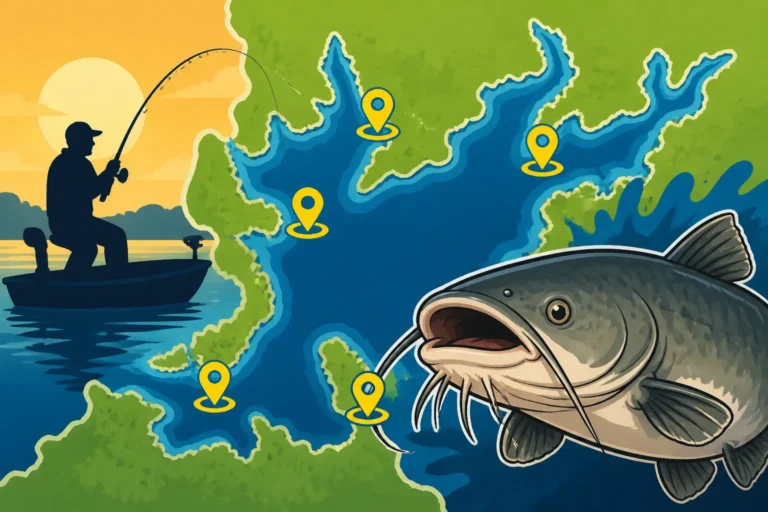
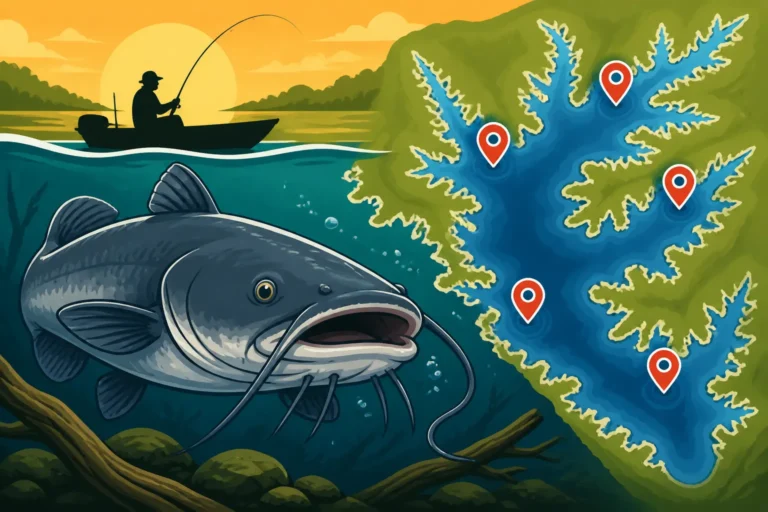
Catfish: Channel and blue catfish are also abundant in Hudson Lake and frequently seek out the quiet, food-rich environments of remote coves. Look for them in the deeper parts of the cove, especially where creek channels run through or where there's soft bottom material. They'll often cruise these areas, foraging for anything from insects and crawfish to small baitfish. Bottom fishing with natural baits like cut bait, chicken livers, or nightcrawlers is highly effective. Set up multiple rods with a slip-sinker rig and let the bait sit on the bottom. The calmer waters of a remote cove make it easier to detect light bites and keep your lines free from snags. Don't forget to review Best Catfish Bait for Summer Fishing to increase your chances.
Essential Gear for Remote Cove Success
When heading into remote coves, simplicity and efficiency are key. You won't have the luxury of a full tackle shop at your disposal, so choose your gear wisely.
Rods and Reels: Opt for versatile medium-light to medium-heavy spinning or baitcasting setups. A good 6'6" to 7' medium-action spinning rod paired with a 2500-3000 series reel is excellent for casting lighter lures for crappie or working soft plastics for bass. For heavier cover or larger bass and catfish, a 7' medium-heavy baitcasting setup with 12-20 lb fluorocarbon or monofilament is ideal. The goal is to have enough backbone to pull fish out of cover without being overly cumbersome for stealthy approaches.
Lures and Baits: Pack a selection of confidence baits that are proven producers for the species you're targeting. For bass, jigs (1/4 to 1/2 oz), Texas-rigged worms (green pumpkin, black/blue), spinnerbaits, and a few shallow-diving crankbaits or topwater lures are good choices. For crappie, an assortment of small jigs (chartreuse, white, black/chartreuse) and a few small minnows (if live bait is your preference) will cover your bases. Catfish anglers should bring a variety of their preferred stink baits, chicken livers, or cut bait. Don't forget extra hooks, weights, and plenty of line, as snags are common in timber-rich coves.
Navigation and Safety Gear: Even in a remote cove, safety is paramount. Always carry a fully charged cell phone (though service might be spotty), a first-aid kit, and plenty of water. A compact anchor for kayaks or small boats is crucial for holding your position in breezy conditions. If you're venturing far, a handheld GPS or a reliable fishing app on your phone can help you mark your entry and exit points and navigate back if visibility changes. When planning your trip, consider using a platform like FishingBooker to find local guides who specialize in these hidden spots, ensuring you have expert navigation and a safe, productive outing.
Planning Your Remote Hudson Lake Fishing Expedition
Embarking on a remote fishing trip to Hudson Lake is more than just packing your gear; it's about preparation, respect for nature, and ensuring a safe and enjoyable experience for everyone.
Safety Considerations and Preparedness
The beauty of remote coves often comes with increased isolation, meaning you need to be self-reliant. Before you head out, always let someone know your float plan – where you're going, your expected return time, and who to call if you don't check in. Weather on Oklahoma lakes can change rapidly, so monitor forecasts closely and be prepared for sudden storms. If you're in a kayak or canoe, always wear your life jacket; even a momentary lapse can turn dangerous in unfamiliar waters.
Beyond personal safety, be mindful of your equipment. Check your boat or kayak for any leaks or issues before launching. Ensure your trolling motor batteries are fully charged and you have a paddle as a backup. Pack enough food and water for your entire trip, plus a little extra, especially in warmer months. A portable battery bank for your phone or fish finder can also be a lifesaver. Being prepared not only keeps you safe but also allows you to focus entirely on the fishing experience without unnecessary worries.
Respecting the Environment and Other Anglers
Fishing in remote coves comes with a responsibility to preserve their untouched beauty. Practice "Leave No Trace" principles: pack out everything you pack in, including all trash, fishing line scraps, and bait containers. Avoid damaging shoreline vegetation or disturbing wildlife. These secluded areas are often home to nesting birds or other animals, so observe from a distance and avoid unnecessary noise or disturbance. The goal is to leave the cove exactly as you found it, if not better, so future generations of anglers can enjoy the same pristine experience.
Furthermore, while these coves are remote, you might occasionally encounter another angler who had the same idea. Courtesy goes a long way. Maintain a respectful distance, avoid making excessive noise, and share the water politely. Everyone is out there seeking peace and a good catch, and a shared appreciation for these special spots helps ensure they remain enjoyable for all. If you're thinking of booking a trip to explore these unique areas, platforms like FishingBooker can help connect you with local, responsible guides who understand the importance of sustainable angling practices and preserving the natural beauty of Hudson Lake.
Disclaimer
Please note that fishing regulations, conditions, and access points can change. Always consult the latest Oklahoma Department of Wildlife Conservation (ODWC) regulations before heading out. Fishing reports and conditions are subject to change based on weather, water levels, and seasonal patterns. Exercise caution and good judgment when on the water.