Best Fishing Spots Near Broken Arrow
If you're an angler living in or visiting Broken Arrow, Oklahoma, you know the craving for that perfect fishing spot without having to drive half the state. It's frustrating to want to wet a line and not know which direction to turn for the best chance at a great catch. This comprehensive guide is here to cut through the confusion, offering up some of the absolute best fishing spots just a stone's throw from Broken Arrow, complete with insights into what you can expect to catch and how to make the most of your trip.
Fort Gibson Lake: A Versatile Angler's Paradise
Just a short drive southeast of Broken Arrow, Fort Gibson Lake stands as a magnificent sprawling reservoir, renowned across Oklahoma for its diverse fishery and picturesque landscapes. It's not just a pretty face, though; this lake is an angler's dream, offering a variety of species that appeal to everyone from the seasoned pro to the casual weekend warrior. Its extensive shoreline, numerous coves, and varying depths provide a wealth of opportunities, making it a reliable destination for many fishing adventures.
Prime Species and Seasonal Opportunities
Fort Gibson Lake is truly a multi-species haven, but it shines particularly bright for its black bass population, especially largemouth bass. Anglers regularly pull out healthy largemouths, especially around the timbered coves and rocky points that dot the lake. The spring spawn sees these big bass move shallow, making them accessible to both boat and bank anglers. For those keen on knowing more about targeting these beauties, our guide on Largemouth Bass Fishing in Oklahoma: The Complete Guide offers a deep dive into tactics.
Beyond bass, crappie fishing here is legendary, particularly during the spring and fall migrations when they congregate in shallow brush piles and around submerged timber. White bass, often called "sandies" by locals, provide thrilling action, especially during their spring runs up the tributary rivers like the Grand (Neosho) and Verdigris. Catfish, including channel, blue, and flathead, are also abundant, with trotlines and juglines being popular methods for big blues in the deeper channels, while bank anglers can have a blast targeting channels with cut bait or stink bait. Keep in mind that for crappie, Fort Gibson Lake's 10-inch Crappie Rule Explained means you need to be mindful of size limits to keep your catch legal.
Access Points and Bank Fishing Hotspots
One of the great things about Fort Gibson Lake is its accessibility. There are numerous public boat ramps scattered around the lake, making it easy for boaters to launch and get on the water quickly. Popular ramps can be found at Sequoyah State Park, Wagoner City Park, and various Corps of Engineers recreation areas. If you're looking for a more personalized experience, or perhaps want to hit some less-pressured spots, using a service like FishingBooker can connect you with local guides who know the lake inside and out and can take you to the best access points or even private stretches of water.
For bank anglers, opportunities abound. Sequoyah State Park, located on a peninsula, offers excellent shoreline access with plenty of cover and structure for fish. Taylor's Ferry North and South Recreation Areas also provide ample bank fishing spots, often with picnic areas and facilities, making them perfect for a family outing. Look for areas with submerged timber, rock ledges, or natural brush piles close to shore. During the spring white bass run, casting from the bank near the mouths of creeks and rivers feeding into the lake can be incredibly productive. Our guide on Best Bank Fishing Spots in Oklahoma provides even more tips for maximizing your shoreline success.
Tips for a Successful Trip to Fort Gibson
To maximize your success at Fort Gibson, consider the season. In spring, focus on shallow coves and creek arms using crankbaits, spinnerbaits, and soft plastics for bass, and jigs or minnows under a bobber for crappie. As summer heats up, bass will move to deeper structure, points, and humps, often biting on Texas-rigged worms or deep-diving crankbaits. Night fishing can also be incredibly effective for both bass and catfish during the dog days of summer. If you're new to the game, checking out some Best Fishing Techniques for Beginners can set you on the right path.
Fall fishing is fantastic, with fish often schooling up and feeding aggressively before winter. Crankbaits, topwater lures, and jigs work well for bass, while crappie can be found schooling near creek channels and brush piles. Winter fishing, while slower, can still yield big catches, especially for crappie found deep over brush and for catfish in river channels. Always check the local regulations and daily limits set by the Oklahoma Department of Wildlife Conservation (ODWC) before you head out, and remember that you'll need an Oklahoma Fishing License Requirements in Oklahoma to fish legally.
Keystone Lake: Diverse Waters, Abundant Fish
Venturing west from Broken Arrow, you'll find Keystone Lake, another massive reservoir that offers a dramatically different fishing experience than Fort Gibson, yet is equally rewarding. Known for its rugged beauty, clear waters in some sections, and vast expanses, Keystone Lake is a favorite among anglers looking for a challenging but fruitful day on the water. Its proximity to Tulsa and Broken Arrow makes it an ideal choice for a quick trip or a full day's adventure.
Targeting Black Bass and White Bass
Keystone Lake is perhaps best known for its robust populations of black bass, including largemouth, smallmouth, and spotted bass. The lake's varied bottom structure, from rocky bluffs to submerged timber and sandy flats, provides ideal habitat for all three. Largemouth bass are often found in the shallower, timber-rich coves and along the many points. Smallmouth bass prefer the rocky shorelines and steeper bluffs, offering a spirited fight that many anglers cherish. Spotted bass, common throughout the lake, can often be found deeper than largemouths, especially around channel swings and submerged humps. If you're focused on bass, reviewing Oklahoma's Bass Fishing Rules and Limits is always a good idea.
White bass are also a huge draw at Keystone, particularly during their spectacular spring spawning runs up the Arkansas and Cimarron Rivers. Anglers flock to these river sections in late winter and early spring to intercept schools of aggressive white bass. Look for active feeding frenzies on the surface, especially around dawn and dusk, when white bass are chasing shad. Jigs, small crankbaits, and spoons are incredibly effective during these runs. For more targeted advice, consider exploring our detailed Keystone Lake Fishing Guide Near Tulsa.
Exploring Keystone's Many Faces
Keystone Lake's sheer size and varied terrain mean it has many "faces" to explore. The upper reaches, fed by the Arkansas and Cimarron Rivers, are often shallower and can be quite stained, especially after heavy rains. These areas are excellent for catfish, white bass, and largemouth bass that prefer dirtier water. As you move towards the dam, the lake becomes deeper and clearer, with more rocky structure and bluffs, which are prime territories for smallmouth and spotted bass.
There are numerous recreation areas around Keystone, such as Keystone State Park and Washington Irving South Park, offering boat ramps, camping, and cabin rentals. These areas often have good bank access as well, providing opportunities to cast from shore for various species. The fishing here can be quite diverse depending on where you choose to drop your line. For those who like to have all their options laid out, resources like FishingBooker can help you find local guides specialized in different sections of Keystone, ensuring you get the most out of the lake's unique features.
Family-Friendly Fishing and Amenities
Keystone Lake isn't just for hardcore anglers; it's a fantastic destination for family fishing trips. Many of the state parks and Corps of Engineers areas offer excellent amenities like playgrounds, swimming beaches, and well-maintained campgrounds. This means you can easily make a weekend out of your fishing excursion, providing activities for everyone. Think about packing a variety of gear to target different species, as panfish like bluegill and sunfish are also abundant and provide easy action for kids, making for a fun and rewarding experience for younger anglers.
For easy access, spots near boat ramps and developed park areas often have clearer paths and safer fishing environments. Teaching kids to fish from a dock or a gently sloping bank is a great way to introduce them to the sport. Live bait such as worms or crickets under a bobber can lead to consistent bites from panfish, keeping excitement levels high. Remember that even with kids, understanding basic regulations and having a valid fishing license is key for everyone aged 16 and over.
Skiatook Lake and Beyond: Northern Gems
Heading northwest from Broken Arrow brings you to Skiatook Lake, a beautiful, deep, and clear reservoir known for its exceptional crappie and hybrid striper fishing. While a bit further than Fort Gibson or Keystone, Skiatook offers a unique experience, especially for those targeting these specific species. Beyond Skiatook, other northern Oklahoma lakes like Oologah Lake also present fantastic, often less-pressured opportunities.
Skiatook Lake's Renowned Crappie and Hybrid Striper
Skiatook Lake boasts a reputation for some of the best crappie fishing in the region. Its deep, clear waters are ideal for both black and white crappie, which thrive in the numerous submerged brush piles, standing timber, and creek channels. Anglers targeting crappie often do well by spider rigging with minnows or by jigging small plastics over deep structure, especially during the colder months when crappie school up tight. During the spring, crappie move into shallower coves and can be caught near docks and fallen trees. Our guide on Best Tackle Setup for Oklahoma Crappie can help you rig up correctly.
Perhaps even more famous is Skiatook's incredible hybrid striped bass fishery. These hard-fighting fish are stocked annually by the ODWC and grow to impressive sizes, offering an exhilarating challenge. Hybrid stripers often chase schools of shad in open water, creating exciting surface boils. Anglers can target them by trolling deep-diving crankbaits, casting swimbaits, or using live shad as bait. Knowing how to read your electronics to find these schools is often the key to success. For a comprehensive look at this lake, refer to our Skiatook Lake Fishing Guide.
Lake Oologah: An Underrated Catfish and Crappie Destination
Just north of Skiatook, and still within a reasonable drive from Broken Arrow, lies Oologah Lake. This often-overlooked gem might not have the same fanfare as the larger, more popular lakes, but it offers fantastic fishing, especially for catfish and crappie. Oologah is characterized by its vast, open waters and extensive timbered areas, providing excellent habitat.
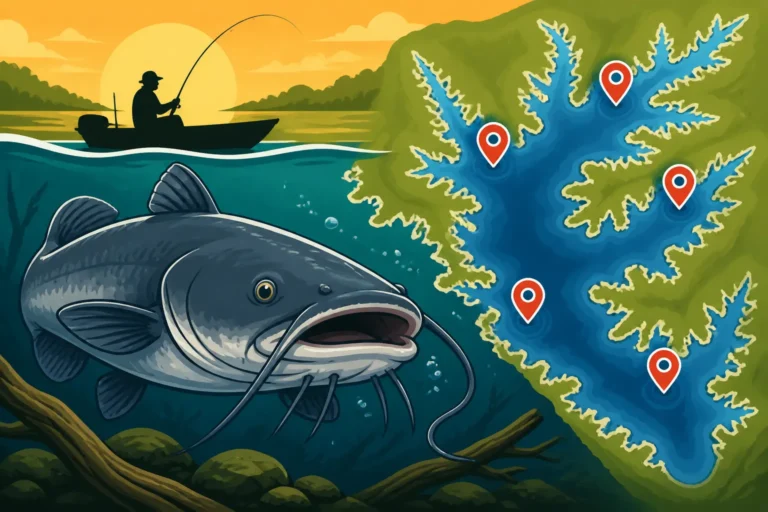
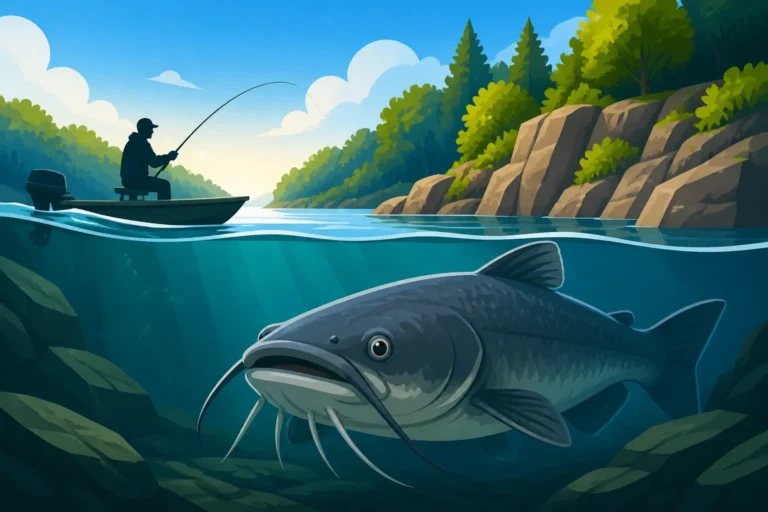
For catfish enthusiasts, Oologah is a goldmine. Both channel and blue catfish thrive here, with many anglers reporting excellent catches using a variety of baits, from cut shad to stink bait. The river channels and deeper holes are prime spots for larger blue cats, while channel cats can be found throughout the lake, including shallower coves. Crappie fishing at Oologah is also very strong, particularly around the many brush piles and submerged trees. Like Skiatook, minnows and small jigs are the go-to baits, and early spring and late fall are often the most productive times.
Local Ponds and River Access
While the big lakes get all the attention, sometimes the best fishing spots are closer to home. Around Broken Arrow, you might find smaller city or county park ponds that are regularly stocked with channel catfish, trout (in winter), and provide good action for bluegill and sunfish. These spots are fantastic for a quick trip, especially with kids, as they offer easy access and a higher chance of catching fish. Check with the City of Broken Arrow or Wagoner County Parks departments for information on local ponds and stocking schedules.
Additionally, the Verdigris River and parts of the Arkansas River that flow nearby can offer great opportunities, especially for catfishing and during the white bass runs. River fishing often requires a different approach than lake fishing, focusing on current breaks, deep holes, and snags. These river systems are truly dynamic and can provide unexpected catches. If you're looking for an adventure closer to home, a local guide found on platforms like FishingBooker might be able to reveal some hidden river gems that only the locals know. Just make sure you understand the unique challenges and rewards of river fishing.
Essential Gear and Planning for Your Broken Arrow Fishing Adventure
Having the right gear and a solid plan can make all the difference between a frustrating day and a memorable fishing trip near Broken Arrow. While you don't need the most expensive equipment, understanding what works best for the local waters and species will significantly boost your success rate.
Recommended Rods, Reels, and Baits
For all-around versatility in Oklahoma's lakes, a medium-action spinning rod (6'6" to 7' long) paired with a 2500 or 3000 series spinning reel spooled with 8-12 lb monofilament or braided line is an excellent choice. This setup can handle most largemouth bass, crappie, white bass, and smaller catfish. If you're specifically targeting bigger catfish or hybrid stripers, consider stepping up to a medium-heavy action rod and a larger reel, or even a baitcasting setup for more power. Our Best Rods and Reels for Oklahoma Fishing guide provides more detailed recommendations for specific species and techniques.
When it comes to baits, live bait is almost always a winner. Minnows are fantastic for crappie and white bass. Worms and crickets are irresistible to panfish. Cut shad, chicken liver, or prepared stink baits are deadly for channel and blue catfish. For lures, a diverse tackle box is your friend:
- Bass: Spinnerbaits, crankbaits (both shallow and deep diving), plastic worms (Texas-rigged or Carolina-rigged), jigs, and topwater lures.
- Crappie: Small jigs (1/16 to 1/8 oz) in various colors (chartreuse, white, black/chartreuse), small soft plastic crappie tubes or grubs, and live minnows.
- White Bass: Small spoons, inline spinners, white or silver swimbaits, and small jigs.
- Catfish: Circle hooks and slip sinker rigs with fresh cut bait (shad is king!), chicken liver, or punch bait.
Navigating Regulations and Licensing
Before you even think about casting a line, ensure you have the proper licensing. Anyone 16 years of age or older needs an Oklahoma fishing license. Non-residents also need a license, and the fees can vary depending on whether you're looking for an annual pass or just a one-day permit. You can easily purchase your license online through the ODWC website, at a local sporting goods store, or at many bait shops. Renewing Your Oklahoma Fishing License Online is a simple process if you're a returning angler.
Beyond the license, it's crucial to be aware of the specific regulations for each body of water and species. Bag limits, length limits, and sometimes even method-of-take restrictions can vary significantly from one lake to another. For instance, as mentioned, some lakes have a 10-inch minimum length for crappie, while others might have stricter bass limits or different rules for catfish, like The 30-Inch Blue Catfish Rule in Oklahoma. Always consult the current Oklahoma Fishing Regulations guide, available on the ODWC website, or pick up a physical copy wherever licenses are sold. Ignorance of the law is no excuse, and wardens do patrol regularly.
Finding Local Expertise
While this guide gives you a great starting point, there's no substitute for local knowledge. Bait and tackle shops around Broken Arrow, like those in Tulsa or Wagoner, are invaluable resources. The folks working there often fish the local waters daily and can provide up-to-the-minute information on what's biting, what baits are working, and current conditions. Don't be shy about asking for tips!
For an even deeper dive, especially if you're new to an area or targeting a specific species, consider hiring a local fishing guide. Guides not only know where the fish are but also the most effective techniques and local nuances. They typically provide all the necessary gear and can significantly shorten your learning curve. Websites like FishingBooker are excellent platforms for finding and booking reputable local fishing charters and guides in the Broken Arrow and Tulsa area, allowing you to filter by species, technique, or even boat type. A professional guide can turn a good day into an unforgettable trophy experience.
Fishing Spot Comparison Near Broken Arrow
To help you decide where to cast your line, here's a quick comparison of some of the top fishing spots near Broken Arrow:
| Lake Name | Primary Target Species | Key Features | Proximity to Broken Arrow | Ideal For |
|---|---|---|---|---|
| Fort Gibson Lake | Largemouth Bass, Crappie, White Bass, Catfish | Diverse habitats, extensive timber, clear to stained | ~30-45 mins (SE) | Multi-species trips, seasonal runs, family outings |
| Keystone Lake | Largemouth, Smallmouth, Spotted Bass, White Bass, Catfish | Rugged beauty, clear waters, rocky bluffs | ~30-45 mins (W) | Bass anglers, river run action, camping |
| Skiatook Lake | Crappie, Hybrid Striped Bass, Largemouth Bass | Deep, clear water, excellent hybrid striper fishery | ~45-60 mins (NW) | Crappie specialists, trophy striper hunters |
| Oologah Lake | Catfish, Crappie, White Bass | Large, open water, extensive timbered areas | ~45-60 mins (N) | Catfish enthusiasts, less-pressured fishing |
| Local Ponds/Rivers | Panfish, Catfish, White Bass (seasonal) | Easy access, urban convenience, varied conditions | ~5-20 mins | Quick trips, beginner-friendly, river adventures |
No matter which direction you choose from Broken Arrow, fantastic fishing awaits. Each lake offers a unique character and a chance to make some lasting memories.
Disclaimer
The information provided in this guide is for general informational purposes only and is subject to change. Fishing regulations, license requirements, and local conditions can vary. Always consult the official Oklahoma Department of Wildlife Conservation (ODWC) regulations manual or website for the most current and accurate information before planning your fishing trip. Safety should always be your top priority when on or near the water.