Best Bait for Largemouth Bass in Oklahoma Farm Ponds
Fishing for largemouth bass in Oklahoma farm ponds can be a truly rewarding experience, but many anglers often find themselves frustrated, wondering why their usual lake baits aren't producing. These smaller, often isolated bodies of water present a unique challenge, requiring a more nuanced approach to bait selection. This comprehensive guide is here to unravel the mystery, providing you with the best bait choices and strategies to consistently hook largemouth bass in Oklahoma's countless farm ponds.
Understanding Farm Pond Bass Behavior
Before we even talk about specific baits, it's crucial to understand why farm pond bass behave differently than their counterparts in sprawling reservoirs. It's not just about size; it's about their entire world.
The Unique World of Farm Ponds and Their Bass
Farm ponds are miniature ecosystems, often much more sensitive to changes and angler pressure than vast lakes. Imagine living in a small town where everyone knows everyone else's business – that's often how it is for a largemouth in a farm pond. They see the same lures, the same shadows, and hear the same noises day after day. This can make them incredibly wary and particular about what they'll strike. Unlike the abundant and varied forage found in big lakes, pond bass might have a more limited diet, relying heavily on crawfish, bluegill, small minnows, and even frogs or insects. This restricted food source can sometimes make them aggressive, but also make them quick to learn and avoid anything that looks unnatural or threatening. Largemouth Bass Fishing in Oklahoma: The Complete Guide offers a broader look, but the pond environment takes these general behaviors and amplifies them.
The size of the pond also plays a huge role. A half-acre pond will have different characteristics than a five-acre pond, but both share the common trait of being relatively confined. This means the bass have fewer places to hide and fewer expansive hunting grounds. They might be more concentrated, but also more exposed. Understanding this "small world" dynamic is the first step to choosing the right bait that doesn't just look appealing, but also feels safe and natural in their environment.
Reading the Seasons for Better Pond Fishing
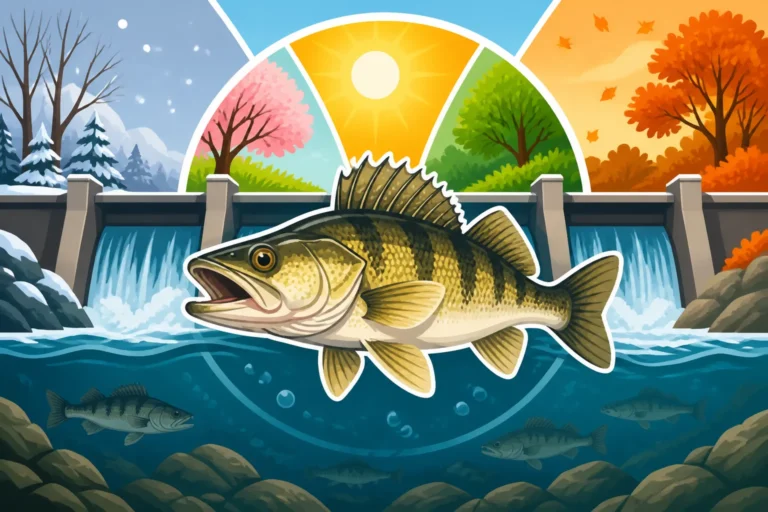
Just like in larger bodies of water, the seasons dictate much of a largemouth's behavior in farm ponds, directly influencing what baits will be most effective. Ignoring these seasonal shifts is a surefire way to come up empty-handed.
In spring, as water temperatures rise, bass move shallow to spawn. They become highly protective of their beds. During this pre-spawn and spawn period, slow-moving baits that mimic crawfish or bluegill are deadly. Post-spawn, they'll often be recuperating but will still be relatively shallow, making topwater and slower subsurface presentations key.
Summer brings warmer water, and pond bass often retreat to deeper, cooler water or seek refuge in dense cover like lily pads, submerged timber, or shaded banks. Early mornings and late evenings are prime for topwater action, but during the heat of the day, you'll need to get baits down to them in their hideouts. This is where weedless presentations truly shine. Best Bass Lures for Summer Fishing has some excellent general advice that applies well here, just think about scaling down for ponds.
As fall approaches and water temperatures cool, bass enter a feeding frenzy, stocking up for winter. They become more aggressive and will often chase baitfish. This is a fantastic time for moving baits like spinnerbaits, chatterbaits, and even some faster-retrieving soft plastics. They'll actively hunt along weed lines and channel edges.
Winter fishing in ponds can be tough. Bass are lethargic and metabolism slows way down. You'll need to fish extremely slowly, often with smaller, finesse presentations, right on their nose in deeper holes or near warm fronts. Understanding these seasonal patterns helps you select a bait that not only looks good but is also presented in a way that matches the bass's current activity level and location.
Your Go-To Bait Arsenal for Oklahoma Farm Ponds
Now that we understand the mindset of a farm pond bass, let's dive into the specific baits that consistently produce. The key here is often versatility and subtlety.
Soft Plastics: Stealth, Versatility, and High Success Rates
Soft plastics are, hands down, the most versatile and often the most productive baits for farm pond largemouth. Their ability to imitate natural forage, combined with their weedless rigging options, makes them indispensable.
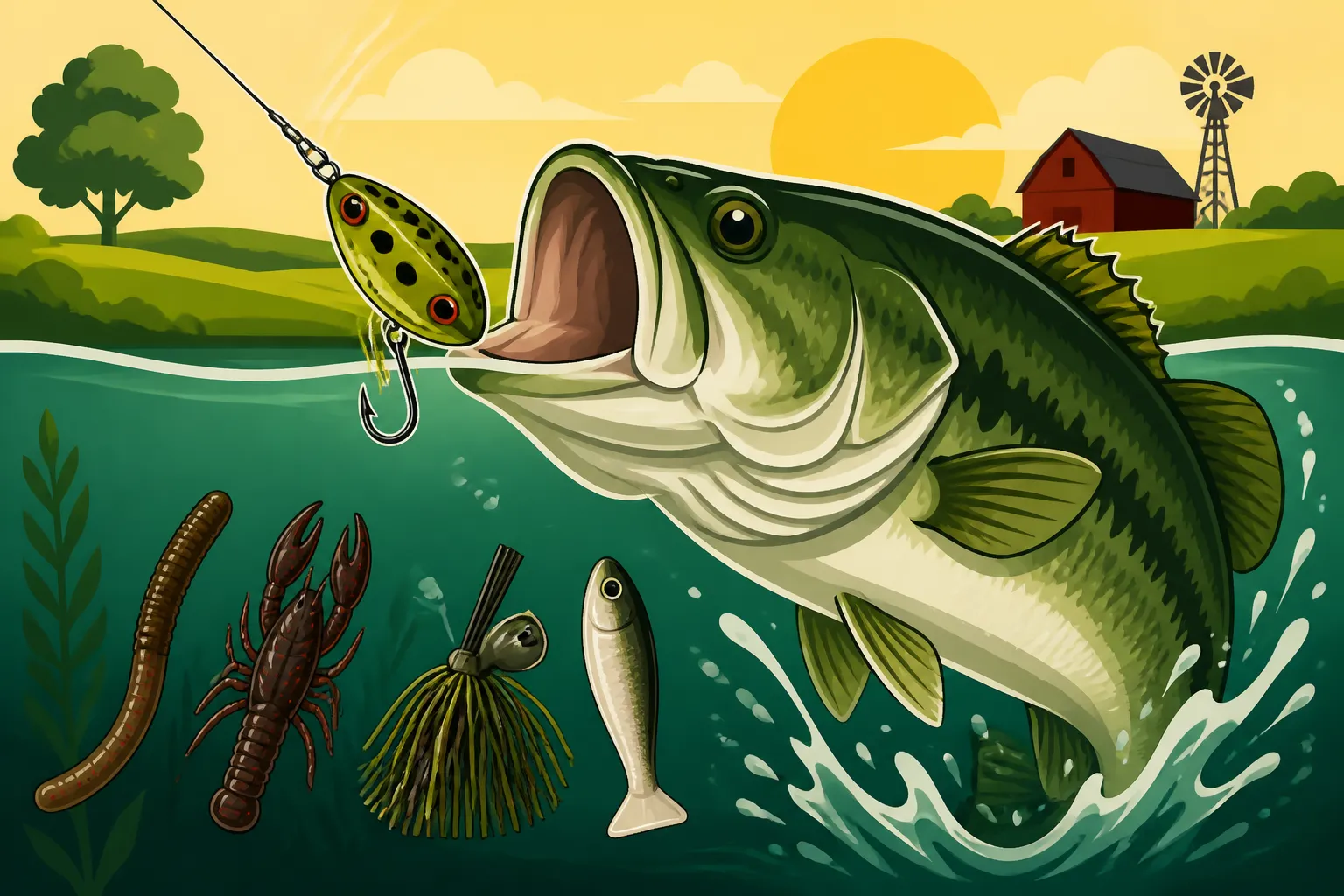
Stickbaits (like a Senko): These simple, cigar-shaped soft plastics are absolute magic. Their slow, tantalizing fall, especially when wacky-rigged (hooked in the middle), drives bass wild. They require very little action from the angler; just cast them out, let them sink on a slack line, and watch for your line to jump or swim off. The subtle wobble as they fall perfectly mimics a dying baitfish or a struggling worm. You can find a huge variety of colors and sizes, with natural greens, browns, and black-and-blue being perennial favorites for Oklahoma ponds. If you're looking to stock up on different colors and brands, platforms like Amazon offer an incredible selection, often at competitive prices, making it easy to experiment.
Soft Plastic Worms: From straight-tail worms to ribbon-tail varieties, plastic worms are bass fishing staples. For farm ponds, consider downsizing slightly. A 6-inch worm is often more appropriate than a 10-inch monster. Rig them Texas-style for a weedless presentation around submerged grass, brush piles, or flooded timber. The key is to work them slowly, crawling them along the bottom, pausing frequently, and letting the tail do the work. How to Fish a Texas Rig for Bass is a must-read for mastering this technique. The subtle action of a plastic worm can coax strikes from even the most finicky pond bass.
Creature Baits and Jigs: These baits, often mimicking crawfish, are fantastic when bass are holding tight to cover or are on the bottom. Texas-rig a creature bait with a small weight and pitch it into thick brush or flip it under overhanging trees. The appendages will flutter on the fall, making it look incredibly lifelike. Paired with a skirted jig, a soft plastic crawfish trailer adds bulk and a natural profile that pond bass find irresistible, especially when they're feeding on crustaceans. These are excellent choices when the water has a bit of stain, as the bulk and vibration help bass locate them.
Flukes/Swim Baits: These soft plastics imitate baitfish exceptionally well. Rigged weightless or with a small hook, they dart and glide erratically, mimicking a fleeing minnow. They can be incredibly effective when bass are actively chasing baitfish near the surface or just below. A slow, steady retrieve with occasional twitches will often draw aggressive strikes. For clear ponds, natural shad or translucent colors are often best.
Hard Baits: Making a Scene and Covering Water
While soft plastics offer subtlety, hard baits are about drawing attention. They're excellent for covering water quickly and triggering reaction strikes.
Shallow-Diving Crankbaits and Squarebills: These are fantastic for covering shallow pond edges, especially those with rock, sparse weeds, or stumps. The squarebill lip helps deflect off cover, reducing snags and creating an erratic action that bass can't ignore. Look for models that dive 2-5 feet. Colors mimicking crawfish (reds, browns) or local baitfish (shad, bluegill patterns) are usually a safe bet. These baits excel in the spring and fall when bass are actively foraging in the shallows.
Spinnerbaits: With their flashing blades and vibrating skirt, spinnerbaits are ideal for covering water, especially in slightly stained or murky ponds, or around heavy cover like dense weeds. The vibration and flash attract bass from a distance. A slow roll just above submerged grass, or bumping it off laydowns, can be incredibly effective. Consider tandem blade configurations (e.g., Colorado/Willow leaf) for maximum flash and vibration. Best Bass Lures for Spring Fishing often includes spinnerbaits for their versatility during active periods.
Bladed Jigs (Chatterbaits): These baits combine the flash of a spinnerbait with the vibration and weedless capabilities of a jig. The unique thumping action is a huge bass attractor, especially in ponds where bass might be slightly pressured. They excel around grass lines and can be reeled steadily or worked with a stop-and-go retrieve. Like soft plastics, bladed jigs can be easily ordered from online stores like Amazon, allowing you to try different blade shapes and skirt colors.
Topwater Thrills: Surface Strikes You Won't Forget
There's nothing quite like the explosive strike of a largemouth bass on a topwater lure. These baits are best used during low-light conditions (dawn and dusk) or on overcast days, especially around heavy cover.
Frogs: Soft plastic frogs are essential for fishing over thick mats of lily pads, duckweed, or emergent grass. Their weedless design allows them to glide effortlessly across the vegetation. Work them with short twitches and long pauses, letting them sit in open pockets. When a bass blows up on a frog, resist the urge to set the hook immediately. Wait until you feel the weight of the fish. This is crucial for higher hook-up ratios.
Poppers and Walkers: Poppers create a "chug" and splash that mimics a struggling baitfish, while walking baits (like a Zara Spook) glide side-to-side in a "walk-the-dog" retrieve. These are excellent for open water, along sparse weed lines, or near bank structure early in the morning or late in the evening. The commotion they create is often enough to draw bass from several feet away.
The Undeniable Appeal of Live Bait
While many anglers prefer artificial lures, there's no denying the effectiveness of live bait, especially for those looking to simply catch fish or introduce newcomers to the sport.
Minnows: Small live minnows, hooked lightly through the lip or dorsal fin and suspended under a bobber near cover, are deadly. Bass find their frantic swimming irresistible. This is an excellent choice for kids or when the bite is tough.
Crawfish: If your pond has a healthy crawfish population, live crawfish (or even freshly dead ones) can be incredible bait. Hooked through the tail, they can be fished on the bottom or under a bobber.
Worms (Nightcrawlers, Red Wigglers): Garden worms and nightcrawlers are universal fish catchers. Fished on a simple hook and bobber, or on a bottom rig, they appeal to bass as well as panfish, which can in turn attract bass. While not always the top choice for trophy bass, they are undeniably effective, especially when bass are looking for an easy meal.
| Bait Type | Best Conditions | Key Advantages |
|---|---|---|
| Soft Plastics | Versatile, any depth/cover | Natural look & feel, weedless rigging, silent, mimics many forage types. |
| – Stickbaits | Clear water, subtle presentations | Slow, tantalizing fall; effective with minimal angler action; great for pressured fish. |
| – Worms | Bottom fishing, cover, any season | Imitates various prey; effective on slow retrieves; highly adaptable to different rigs. |
| – Creature Baits | Heavy cover, bottom structure | Mimics crawfish/bugs; good vibration & bulk; excels when bass are holding tight. |
| Hard Baits | Covering water, active fish | Flash, vibration, erratic action; triggers reaction strikes; good for stained water. |
| – Crankbaits | Shallow to mid-depth, structure | Deflects off cover; wide wobble for attraction; covers water efficiently. |
| – Spinnerbaits | Stained water, weeds, active fish | High vibration & flash; good for search bait; weedless through moderate cover. |
| – Bladed Jigs | Grass, cover, stained water | Unique thumping action; weedless; combines jig and spinnerbait advantages. |
| Topwater Lures | Low light, calm water, heavy cover | Exciting strikes; highly visual; effective over thick mats. |
| – Frogs | Heavy vegetation (lily pads, mats) | Weedless, can be fished in impenetrable cover; triggers aggressive strikes. |
| – Poppers/Walkers | Open water, sparse cover, calm | Creates commotion; attracts fish from a distance; visually exciting. |
| Live Bait | Any conditions, tough bite | Natural scent and movement; highly effective for beginners or tough days. |
| – Minnows/Crawfish | Clear to stained water, any season | Irresistible natural action and scent; often the most effective when bass are finicky. |
| – Worms | General fishing, multi-species | Universal appeal; easy to acquire; good for beginners and consistent bites. |
Dialing In Your Approach: Matching Bait to Conditions and Bass Mood
Choosing the right bait is only half the battle. How you present it, and how it aligns with the specific conditions of the pond and the mood of the bass, makes all the difference.
Water Clarity, Cover, and Color Choices
The visual environment of an Oklahoma farm pond dictates much about your bait selection. Clear water, stained water, and heavy cover each demand a different approach.
In clear water, bass rely heavily on sight. This means your baits need to be as realistic as possible. Opt for natural colors like greens, browns, shad patterns, and translucent plastics. Downsize your presentation, using smaller soft plastics or finesse jigs. Any unnatural flash or clunky movement can spook wary bass. Think subtle.
For stained or murky water, bass rely more on their lateral line to detect vibrations and scent. This is where baits with more thump, flash, and bulk come into play. Chartreuse, white, black-and-blue, and other brighter colors can be very effective. Spinnerbaits, bladed jigs, and crankbaits that displace a lot of water will help bass locate your offering. Don't be afraid to use a slightly larger profile bait here, as the visibility is limited.
Cover is paramount in farm ponds, offering bass ambush points and refuge. Whether it's lily pads, submerged timber, cattails, or brush piles, you need a bait that can get into and through it. Weedless soft plastics rigged Texas-style or weightless, and soft plastic frogs, are invaluable. For less dense cover, a shallow-diving crankbait that can deflect off wood or rocks is excellent. Always consider how easily your bait can get snagged and choose accordingly. Losing lures frequently can be frustrating and costly, so smart selection is key.
Dealing with Pressured Bass and Finicky Eaters
Pond bass are often much more accustomed to seeing lures than their counterparts in expansive lakes. This pressure can make them incredibly finicky and hesitant to strike.
When facing pressured fish, slow down your retrieve significantly. Sometimes, the subtle fall of a weightless stickbait or a very slow crawl of a plastic worm is all it takes. Think about less aggressive actions and more natural presentations. Instead of bombarding the same spot repeatedly, make a few careful casts and move on if you don't get a bite.
Downsizing your baits is another critical strategy. A 4-inch soft plastic worm might get bit when a 7-inch one is ignored. Smaller jigs or compact creature baits can trigger strikes from bass that have seen every large, flashy lure in the tackle box.
Varying your retrieve can also make a difference. If a steady retrieve isn't working, try twitching, pausing, or changing speeds. Sometimes a sudden, erratic movement can provoke a reaction strike, even from a wary bass. Experiment with subtle twitches for your soft plastics; sometimes just barely moving the lure on the bottom is enough. Always check your Oklahoma Statewide Bass Bag Limit Explained to ensure you're fishing legally, especially if you're experimenting with different techniques.
Final Wisdom for Consistent Pond Success
Mastering farm pond fishing for largemouth bass is a journey, not a destination. These final tips will help you stay consistent and adapt to whatever the pond throws your way.
Think Small, Think Natural: The Pond Bass Mantra
When in doubt, err on the side of smaller, more natural-looking baits. This isn't to say a big spinnerbait won't work on aggressive bass, but for consistent bites, especially from wary pond fish, subtlety usually wins. Choose colors that mimic the local forage: greens and browns for crawfish or bluegill, and muted shad patterns for baitfish. Remember, bass in smaller environments often have a more limited diet, so matching what they naturally eat is a huge advantage. You can find an array of these natural-colored soft plastics and small jigs on Amazon, making it easy to build a versatile pond tackle box.
Don't overlook the simple things. A small curly-tail grub on a light jig head can be incredibly effective, resembling a small minnow or insect. Sometimes, the most unassuming baits are the ones that unlock the bite when nothing else works. The more natural your presentation, the less likely a pressured pond bass is to shy away.
Patience and Stealth: Your Best Allies on the Bank
Because farm ponds are smaller, bass are often acutely aware of their surroundings. Heavy footsteps on the bank, loud talking, or casting a long shadow over the water can instantly spook fish. Approach the water quietly, keep a low profile, and make accurate casts without splashing excessively. Think of yourself as a hunter stalking prey; your movements need to be deliberate and minimal.
Patience is equally important. Bass in ponds might not be as aggressively feeding as reservoir bass. They might take longer to commit to a bait. Work your lures slowly, allowing ample pause time, especially with soft plastics. Often, the strike will come on the pause. Don't be afraid to let a lure sit for 10-15 seconds after it lands or after a twitch; this can be the trigger for a hesitant bass.
Embrace Experimentation: Learning Your Pond's Secrets
Even with all the best advice, every farm pond is unique. What works wonders in one might fall flat in another, even if they're just a few miles apart. The best anglers are those who are willing to experiment and learn from each outing. Try different baits, vary your retrieve speeds, and fish different areas of the pond. Keep a mental note (or even a physical one!) of what worked, when, and where.
Pay attention to details: What kind of cover are the bass relating to? What's the water clarity? What time of day are you getting bites? Over time, you'll develop an intimate understanding of each pond's secrets, making you a more effective and successful angler. This adaptive mindset, combined with the right baits and techniques, will transform your Oklahoma farm pond fishing experiences. Remember, every cast is a learning opportunity.
Disclaimer
This article is for general informational purposes only and does not constitute professional advice. Laws, prices and regulations vary by location and change over time. Consult a qualified professional for guidance on your specific situation.