Do Oklahoma Ponds Hold Hybrid Sunfish?
There's nothing quite like the simplicity and joy of pond fishing, especially when you're introducing kids or new anglers to the sport. But often, folks wonder about the specific types of fish lurking in those smaller, intimate waters. One question that pops up a lot is whether the fun, fast-growing hybrid sunfish can be found in Oklahoma ponds, either naturally or through stocking. This guide is here to unravel that mystery, helping you understand where these feisty panfish come from, why they're so popular, and how you can target them in the Sooner State's many private and public ponds.
Understanding Hybrid Sunfish and Why They're Popular
Before we dive into their presence in Oklahoma ponds, let's get a good handle on what a hybrid sunfish actually is and why so many anglers and pond owners are singing their praises. It's a fascinating story of nature and, often, human intervention coming together to create an awesome fishing experience.
What Exactly is a Hybrid Sunfish?
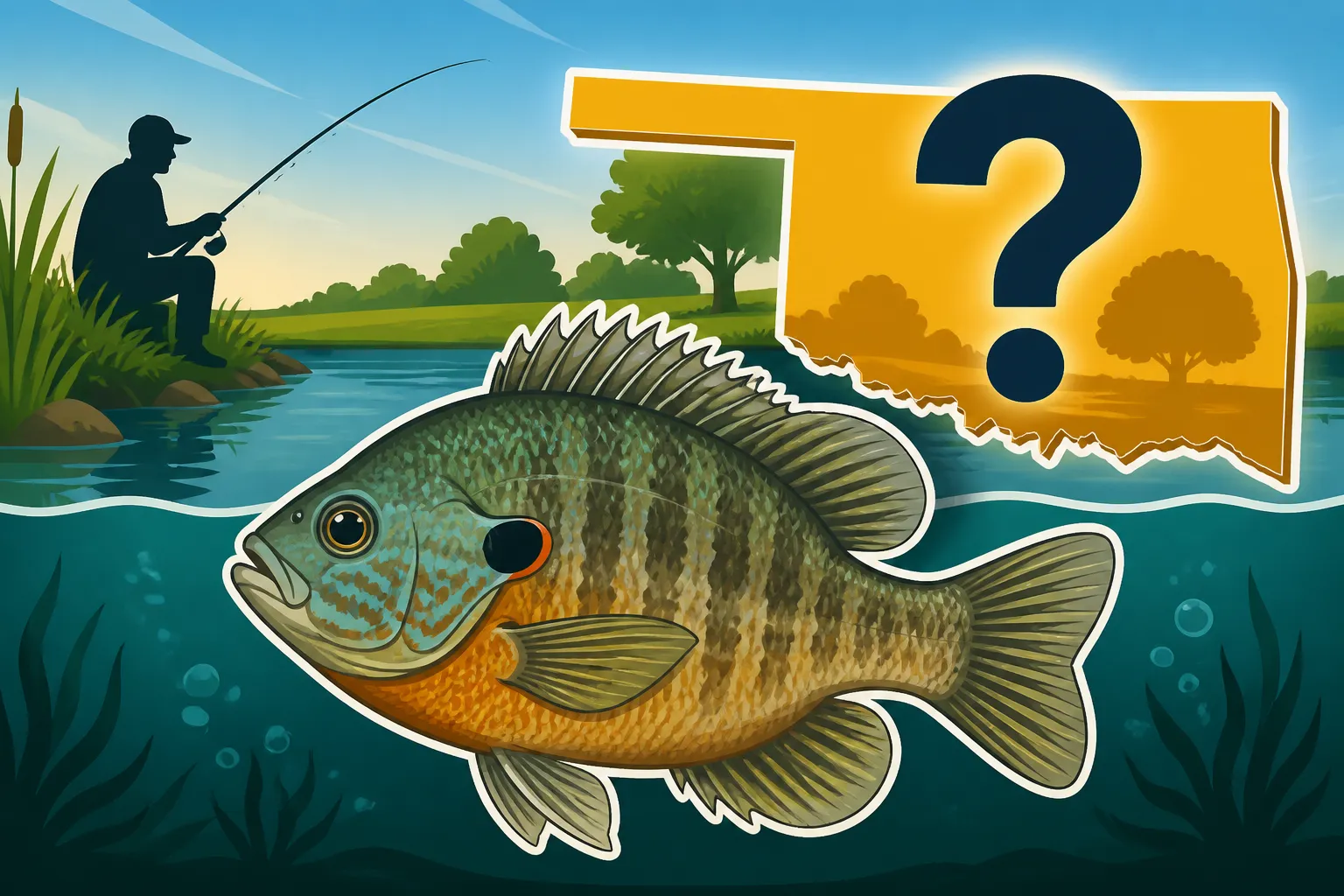
When we talk about "hybrid sunfish," we're usually referring to a cross between two different species of sunfish. The most common hybrid, and arguably the most popular for pond stocking, is the cross between a bluegill (Lepomis macrochirus) and a green sunfish (Lepomis cyanellus). These two species are incredibly common across Oklahoma, so it makes sense they'd be the primary candidates for a crossbreed. The resulting hybrid often displays a mix of characteristics from both parents, but with some amplified traits that anglers particularly appreciate. They tend to have a larger mouth than a pure bluegill, but not quite as large as a green sunfish. Their body shape might lean more towards the bluegill's roundness, but with some of the green sunfish's more elongated features. While their appearance can vary, what truly sets them apart is their vigor and growth rate. They look like chunky, colorful panfish, often sporting vibrant blues, greens, and yellows, making them a real catch for the eyes as well as the reel.
Why Anglers Love Hybrid Sunfish
Hybrid sunfish are often touted as the "perfect pond fish," and for good reason. First, their growth rate is phenomenal. They grow much faster than either parent species, meaning you can have a catchable fish in a shorter amount of time. If you're managing a pond, this is a huge plus because it provides a quick return on investment for stocking. Second, they're incredibly aggressive eaters. This means they're easier to catch, which is fantastic for beginners and kids who need that instant gratification to stay engaged. They're not picky; a simple worm, a bit of bread, or a small jig often does the trick. You can pick up a wide variety of small panfish baits and bobbers for a great price on sites like Amazon, making it easy to stock up for your next outing. Finally, despite their smaller size compared to bass, they put up an impressive fight for their weight. A 10-inch hybrid sunfish can pull like a much bigger fish, bending rods and putting smiles on faces. This combination of fast growth, aggressive feeding, and spirited fights makes them an absolute blast to target. It’s no wonder they’re often considered a prime candidate if you’re looking for What Is the Easiest Fish to Catch in Oklahoma.
Natural vs. Stocked Ponds
So, how do these hybrid sunfish end up in ponds? It boils down to two main avenues: natural hybridization or deliberate stocking. In nature, crossbreeding between species isn't as common as you might think. While bluegill and green sunfish do share habitats across Oklahoma, the conditions for natural hybridization that results in a viable, catchable population are quite specific and somewhat rare. Usually, it takes an imbalance in the population, a lack of suitable mates for one species, or environmental stress for them to truly interbreed on a larger scale.
More often than not, if you're catching a lot of hybrid sunfish in a pond, it's because someone intentionally put them there. Pond owners frequently choose to stock hybrid sunfish for all the reasons we just discussed: their rapid growth, aggressive nature, and the fact that they are often sterile. Their sterility is a key feature, as it prevents overpopulation, a common problem with pure bluegill or green sunfish populations that can lead to stunted growth. This means fewer worries about managing fish numbers and more time simply enjoying the fishing. It’s a purposeful choice made by many to ensure a consistent, fun fishery.
Do Oklahoma Ponds Naturally Have Hybrid Sunfish?
The question of natural hybridization is a common one, especially when you see so many different types of sunfish swimming in Oklahoma's waters. While it's possible, it's far less common to find a robust population of naturally occurring hybrid sunfish than it is to find a stocked one.
The Genetics of Hybridization in the Wild
In the wild, fish species generally stick to their own kind for reproduction. While different sunfish species like bluegill and green sunfish might spawn in close proximity or even use similar nesting sites, successful interbreeding leading to viable, fertile offspring isn't the norm. The genetic barriers are usually strong enough to prevent widespread hybridization. When natural hybrids do occur, they are often a fluke, a one-off event, or the result of unusual environmental pressures. For instance, if one species is particularly dominant or one sex of a particular species is scarce, it might lead to cross-species spawning out of necessity. However, even then, the resulting hybrid offspring can be less hardy, less fertile, or less successful at competing for resources than their purebred counterparts. So, while a stray hybrid might pop up here and there in an Oklahoma creek or lake, it's not typically going to establish a thriving, self-sustaining hybrid population through natural means alone.
Common Sunfish Species in Oklahoma Ponds
Oklahoma is absolutely teeming with sunfish, and knowing the parent species helps understand the hybrid. The most common suspects you'll find in almost any pond across the state are the bluegill and the green sunfish. Bluegill are often the quintessential panfish – round-bodied, dark spot on their operculum (gill flap), and a small mouth. They're typically found in schools, feeding on insects and small crustaceans. Green sunfish, on the other hand, are a bit more aggressive, with a larger mouth that extends back to the eye and a more elongated body, often with a prominent dark spot at the base of their dorsal fin. You might also encounter Redear Sunfish: Where to Find Them in Oklahoma, known for their "ear flap" having a red or orange edge, and their preference for eating snails.
These three are the most likely candidates to see in a typical Oklahoma pond environment. Understanding the differences between these species, like in Green Sunfish vs Bluegill: How to Tell Them Apart, is crucial for any angler, as it helps you identify whether you've caught a purebred or something a little different.
When Natural Hybrids Might Occur
So, under what circumstances might you actually find a naturally occurring hybrid sunfish in an Oklahoma pond or small lake? It's usually in situations where one species vastly outnumbers another, or where habitat conditions are stressed. For example, in a pond that has been heavily overpopulated with bluegill, but only has a few green sunfish, those green sunfish might struggle to find suitable mates of their own species. This could lead to a situation where a green sunfish mates with a bluegill, resulting in a hybrid. Similarly, in an environment where habitat is degraded or spawning grounds are limited, the pressure might push different sunfish species to utilize the same areas, increasing the chances of accidental crossbreeding.
These natural hybrids, however, are rarely as robust or uniform as those specifically bred for stocking. They might not grow as large, fight as hard, or be as plentiful as the hybrids you'd find in a pond specifically stocked by a fish farm. So, if you're pulling out several similar-looking hybrid sunfish from a pond, the odds are much higher that someone put them there on purpose.
Stocking Ponds with Hybrid Sunfish in Oklahoma
For pond owners in Oklahoma looking to create an active, thriving fishery, stocking hybrid sunfish is often the go-to solution. It provides a reliable way to ensure good fishing for years to come without some of the management headaches that can come with other species.
The Appeal of Stocking for Pond Owners
The allure of stocking hybrid sunfish for pond owners is undeniable, primarily due to their beneficial traits that simplify pond management and enhance recreational fishing. One of the biggest draws is their rapid growth rate, which means faster results for those wanting to establish a fishery quickly. Imagine stocking fingerlings in the spring and having respectable 6-8 inch panfish by fall or the following spring! This provides almost instant gratification for families and anglers. Another key advantage is their high catchability; their aggressive feeding habits ensure that even novice anglers can experience success, which is invaluable for getting kids hooked on fishing.
Perhaps most importantly, many hybrid sunfish, particularly those bred from bluegill and green sunfish, are predominantly sterile. This sterility is a game-changer for pond management. Pure bluegill, while great fish, are notorious for overpopulating a pond if not properly managed, leading to stunted growth for the entire population. Hybrid sunfish, being sterile, grow large without reproducing excessively, preventing this common issue. This means less worry about maintaining a delicate balance of predators and prey, and more time enjoying the fishing experience. For more on these fascinating fish, check out Hybrid Sunfish: What Anglers Should Know.
Where to Acquire Hybrid Sunfish for Stocking
So, if you're an Oklahoma pond owner convinced that hybrid sunfish are the way to go, where do you get them? You won't find them at your local bait shop. The best and most reliable source for hybrid sunfish fingerlings (small fish typically 1-4 inches long) are specialized fish hatcheries or aquaculture farms. Oklahoma has several reputable fish farms that specialize in stocking private ponds and lakes. These facilities carefully breed specific sunfish species to produce the desired hybrids, ensuring genetic quality and health. When choosing a supplier, always look for those that are knowledgeable about local pond ecosystems and can offer advice on stocking rates appropriate for your pond's size and current fish population.
They'll often transport the fish directly to your pond in aerated tanks, making the process smooth and safe for the fish. It's crucial to order from a reputable dealer to ensure you're getting healthy, true hybrid stock that will thrive in your pond. Many of these farms also offer other species for stocking, like bass or channel catfish, allowing you to create a balanced ecosystem.
Managing a Stocked Hybrid Sunfish Pond
Stocking hybrid sunfish is just the first step; proper management ensures a healthy, productive pond for years. Since hybrid sunfish typically don't reproduce effectively, regular re-stocking might be necessary every few years to maintain a robust population. Your fish farm supplier can usually advise on the best schedule for this. Beyond stocking, feeding can significantly boost growth rates, especially if your pond has limited natural forage. High-quality fish food, often purchased in bulk or on platforms like Amazon, can supplement their diet, leading to bigger, healthier fish.
Harvesting is also a critical part of pond management. Don't be afraid to keep the fish you catch! Hybrid sunfish are fantastic table fare, and regular harvesting helps thin the population, allowing remaining fish to grow even larger. Monitor water quality, address any signs of disease, and consider habitat enhancements like brush piles or submerged structures to give your hybrid sunfish (and any other species) places to hide and forage. This hands-on approach ensures that your pond remains a prime fishing destination for years to come.
Fishing for Hybrid Sunfish in Oklahoma Ponds
Now for the fun part: catching them! Hybrid sunfish are a blast to target, offering consistent action and a great fight, making them perfect for anglers of all skill levels.
Best Baits and Lures for Hybrid Sunfish
Hybrid sunfish are famously unfussy eaters, which is one of their biggest charms. If you're looking for a low-stress, high-reward fishing experience, they're your go-to. For natural bait, plain old earthworms are usually irresistible. A small piece threaded onto a tiny hook under a bobber is a classic and highly effective setup. Crickets are another fantastic choice, especially in late spring and summer when they're plentiful. Even corn or a small piece of bread can entice a bite when fish are actively feeding. You can find these simple baits at most local tackle shops, or even in your backyard!
When it comes to artificial lures, think small. Tiny jigs, especially those designed for crappie or bluegill, are incredibly effective. Colors like chartreuse, white, or pink often work wonders. Consider getting an assorted panfish jig kit online from a retailer like Amazon, so you have options. Tipping these jigs with a small piece of worm or a Berkley Gulp! Alive! minnow imitation can make them even more enticing. Small spinners, like a 1/32 oz or 1/16 oz Rooster Tail or Mepps Aglia, also get their attention, especially when retrieved slowly near structure. For more general advice on baits, you can also look at Best Bait for Bluegill in Oklahoma Ponds.
Finding Hybrid Sunfish in a Pond
Knowing where to cast your line is just as important as what you're casting. Hybrid sunfish, like most panfish, are drawn to structure and changes in depth. In a typical pond, look for submerged brush piles, fallen trees, weed lines, and dock pilings. These areas provide cover from predators and ambush points for their own feeding. The edges of lily pads or cattail stands are also prime locations, offering shade and insect life.
Often, hybrid sunfish will school up, so if you catch one, there are likely more in the same spot. In spring, they'll move into shallower waters to spawn, often near hard bottoms or sandy areas, similar to bluegill. During the heat of summer, they might retreat to deeper, cooler water or seek out shady spots under overhanging trees or docks during the midday sun. As the day progresses, they may move closer to the surface to feed on insects. Don't be afraid to move around the pond and try different depths and structures until you find where they are holding.
Gear Recommendations for Pond Panfish
You don't need heavy-duty gear to enjoy hybrid sunfish fishing; in fact, lighter tackle makes the fight even more exhilarating. A lightweight spinning rod and reel combo is ideal. A 5 to 6-foot ultralight or light action rod paired with a small spinning reel spooled with 4 to 6-pound test monofilament line is perfect. This setup allows for sensitive bites detection and offers enough backbone to handle a feisty hybrid without overpowering it. Many affordable yet reliable rods and reels are available on Amazon.
Your terminal tackle should be simple: small hooks (size 6 or 8 are a good starting point), a few split shot weights to get your bait down, and small bobbers. A simple clip-on bobber that tells you when you're getting a bite is invaluable, especially when fishing with kids. A small tackle box with these essentials, a pair of needle-nose pliers for hook removal, and a small stringer or cooler for your catch is all you really need. This setup is great not only for hybrid sunfish but also for other panfish like bluegill and even smaller bass. If you're thinking about general panfish tackle, consider looking into Best Rod and Reel Combo for Crappie Fishing for more ideas, as many of those setups translate well for hybrid sunfish too.
Here's a quick comparison of common sunfish characteristics you might find in Oklahoma ponds:
| Feature | Bluegill | Green Sunfish | Hybrid Sunfish (Bluegill x Green Sunfish) |
|---|---|---|---|
| Typical Size | 6-10 inches | 4-7 inches | 8-12+ inches |
| Mouth Size | Small, doesn't extend past eye | Large, extends to middle of eye | Medium, often extends to front of eye |
| Body Shape | Deep, round body | More elongated, bass-like body | Often deeper than green, but not as round as bluegill |
| Gill Flap | Solid black operculum "ear" | Black with a light margin | Black, often with a faint light margin |
| Aggression | Moderate, can be cautious | High, very aggressive | High, very aggressive |
| Growth Rate | Moderate | Slow to moderate | Fast |
| Reproduction | High, prone to overpopulation | High, prone to overpopulation | Often sterile, limited reproduction |
| Fight | Good, steady pull | Strong, surprisingly hard fight | Excellent, very strong for their size |
| Best For | Sustaining natural populations | Hardy, tolerant, aggressive feeders | Stocked ponds, fast fishing, trophy panfish |
Disclaimer
This article is for general informational purposes only and does not constitute professional advice. Laws, prices and regulations vary by location and change over time. Consult a qualified professional for guidance on your specific situation.