Best Lures for White Bass During the Spring Run
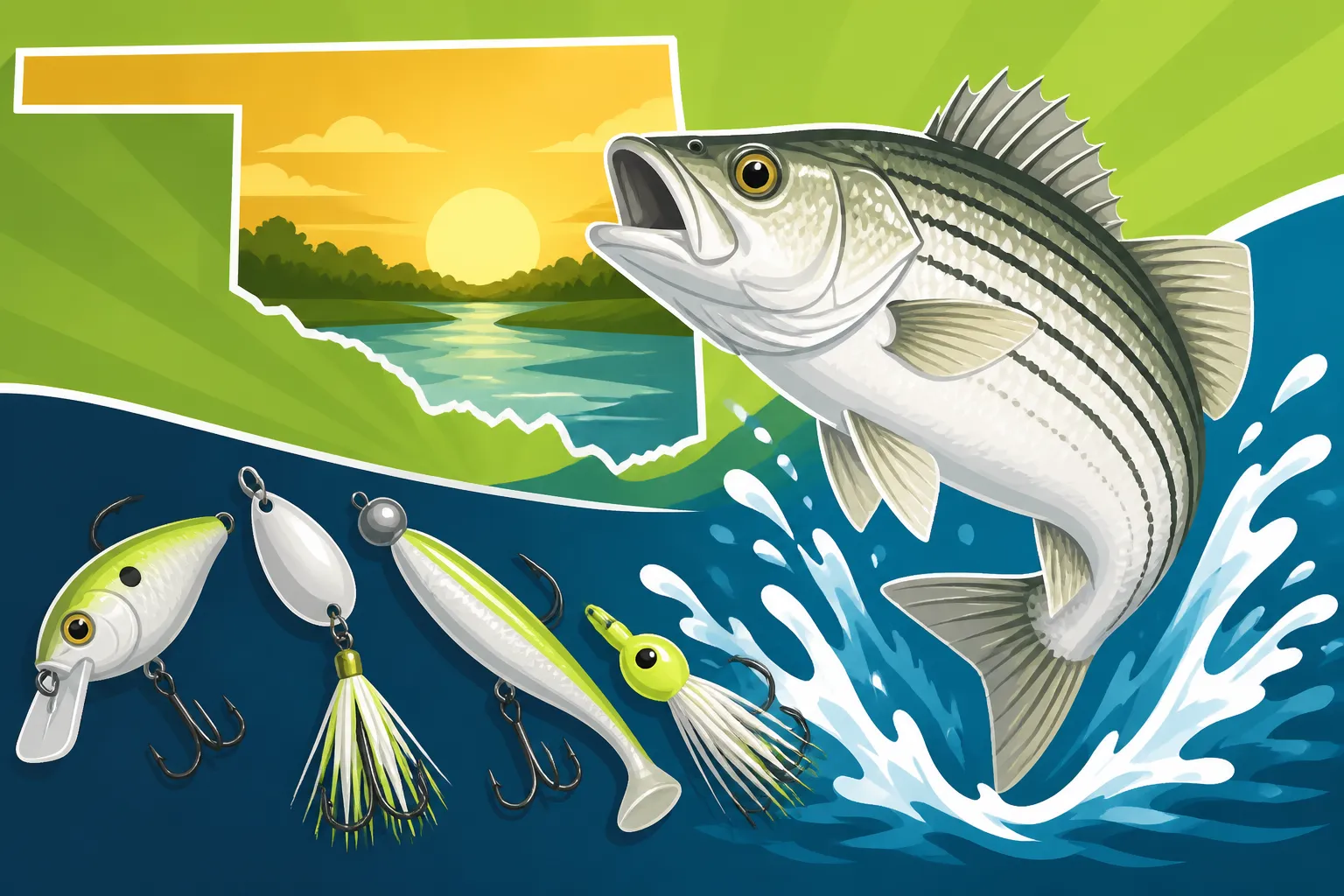
That thrilling feeling when the water starts warming up, the trees begin to bud, and you know it's almost time for one of Oklahoma's most exciting fishing events: the white bass spring run. It's a fantastic time to hit the water, but knowing which lures to tie on can make all the difference between a few bites and a non-stop bending rod. This guide is all about equipping you with the knowledge to pick the absolute best lures to dominate the white bass spring run in our great state.
Understanding the White Bass Spring Run in Oklahoma
Before we even talk about lures, it’s crucial to understand why white bass do what they do in the spring. This isn't just random fish movement; it's a powerful, instinctual migration that, once understood, makes catching them a whole lot easier. Think of it as a river of fish moving upstream, and you're standing by with a net – if you know where to stand and what to put in your net, you're golden.
Why White Bass Run Upstream
The white bass spring run is all about one thing: spawning. As winter's chill fades and our Oklahoma lakes and rivers warm up, these fish feel the urge to reproduce. They leave the deeper, open waters of our larger reservoirs and make their way upstream into the tributary rivers and creeks that feed those lakes. This mass movement creates incredible fishing opportunities because the fish are concentrated and actively feeding, preparing for and recovering from the energy-intensive spawning process. They're driven by instinct, pushing against the current, looking for rocky bottoms or gravel beds where they can lay and fertilize their eggs. This natural phenomenon is why so many anglers eagerly await the spring thaw, because when it hits, the action can be absolutely furious.
Key Indicators of a Spring Run
Timing is everything with the white bass run. You don't want to be a week too early or a week too late; you want to be right in the thick of it. The biggest indicator is water temperature. White bass typically start their run when water temperatures hit the mid-50s Fahrenheit, usually around 55-60 degrees. You'll often see this window open sometime in March and extend through April, though it can vary quite a bit year-to-year depending on how stubborn winter is and how quickly spring asserts itself.
Another huge factor is rainfall and current. A good spring rain can really trigger the run, increasing the flow in those tributary streams and literally calling the fish upstream. If you see sustained periods of warmer weather combined with a nice rain that gets the rivers flowing, you can bet the white bass are on the move. Keep an eye on local reports and pay attention to Oklahoma Fishing Seasons: A Month-by-Month Guide to fine-tune your timing.
Where to Find Them During the Run
During the run, white bass abandon the main lake's vast expanses and head for narrower, current-rich environments. The key is to focus on the feeder creeks and rivers that flow into your favorite lake. Look for:
- Confluence Points: Where two streams meet, or a creek enters a larger river. These are natural bottlenecks where fish will congregate.
- Current Breaks: Any structure that breaks the main flow, like a log jam, a large rock, or a bend in the river. Fish will hold in these calmer spots, waiting to ambush bait.
- Shallow Riffles and Rapids: While they might not spawn in the strongest current, they'll often stage just below these areas.
- Deep Pools: After navigating a stretch of current, white bass will often rest and gather in deeper pools, especially if there’s a sand or gravel bottom.
- Below Dams or Spillways: If the tributary has a small dam or weir, the area immediately downstream can be a white bass magnet, as they can't go further upstream.
Knowing where they'll be helps you present your lure effectively. For example, Lake Texoma Fishing Guide for Oklahoma Anglers or Keystone Lake Fishing Guide Near Tulsa might mention specific areas known for spring white bass action.
The Go-To Lures for Oklahoma White Bass
Alright, you know when and where to find them. Now for the fun part: what to throw! White bass, especially during the run, are notoriously aggressive, but they can also be finicky. Having a few different options in your tackle box is always a good idea.
Small Spinnerbaits and Roadrunners
These are absolute classics for a reason. Their flash and vibration mimic small baitfish, and white bass just can't resist.
- Spinnerbaits: Think small, usually 1/8 to 1/4 ounce. Colors can vary, but white, chartreuse, and silver are perennial favorites. The key is the flash of the blade (willowleaf or Colorado) and the thumping vibration. Cast them upstream and retrieve them just fast enough to keep the blade spinning, letting the current carry them naturally through holding areas. Sometimes a slower retrieve, just barely ticking the bottom, is what they want. You can find a huge variety of these small spinnerbaits, often referred to as "inline spinners," on sites like Amazon or at your local tackle shop.
- Roadrunners: These are essentially a jig head with an underspin blade, and they are deadly for white bass. The small blade provides a subtle flash and vibration that can be irresistible. Again, 1/8 to 1/4 ounce is the sweet spot. Pair them with a small plastic grub body (white, chartreuse, or pink are excellent choices). The beauty of a Roadrunner is its versatility; you can cast and retrieve, or bounce it along the bottom in deeper pockets.
Many anglers will argue that if you only have one lure for white bass, it should be some form of a spinner. Their effectiveness during the spring run is legendary.
Jigs (Slabs and Twisters)
Jigs are incredibly versatile and can often outfish other lures when white bass are holding tight to structure or in deeper pools.
- Slabs: These are compact, heavy metal lures designed to be vertically jigged. They mimic a dying baitfish fluttering to the bottom. Sizes typically range from 1/4 to 1/2 ounce. When you find a school of white bass in a deeper hole, drop a silver or chrome slab right on their heads. Lift your rod tip sharply a foot or two, then let the slab fall on a semi-slack line. Most strikes will happen on the fall. For those looking to stock up quickly, Amazon often has multi-packs of popular colors and sizes.
- Twister Tail Jigs: These are lead jig heads (1/8 to 1/4 ounce) paired with a soft plastic grub that has a curly "twister" tail. The tail creates a lot of action with minimal movement, making it deadly. White, chartreuse, and pink are go-to colors. You can cast them and retrieve steadily, or bounce them along the bottom with small hops. The key is to experiment with your retrieve speed until you find what the fish are reacting to that day. Sometimes a subtle wiggle is all it takes; other times, a fast retrieve will draw aggressive reaction strikes.
Both slabs and twister tails are fantastic for bank anglers or those fishing from a boat. The beauty is you can easily change jig head weights to match the current or depth.
Spoons and Blade Baits
For pure flash and vibration, spoons and blade baits are tough to beat, especially when white bass are actively chasing baitfish.
- Casting Spoons: Thin, curved metal lures that flutter and flash erratically when retrieved. Silver or gold are the standard, often with a white or red strip. Sizes around 1/4 to 1/2 ounce work well. Cast them out, let them sink to the desired depth, and retrieve with a steady pace, adding an occasional twitch to make them dart. They're excellent for covering water quickly and drawing strikes from aggressive fish.
- Blade Baits: These are thin, metal lures with a lead weight molded onto them, and they have multiple line tie points. Tying to different points changes the vibration and action. They're very dense for their size, allowing for long casts and quick sinks. When retrieved, they vibrate intensely. Silver, gold, or chrome are standard. Like slabs, they can also be vertically jigged in deeper water, making them incredibly versatile. The vibration often triggers a reaction strike even from less active fish. These are readily available at most tackle stores, or you can browse a wide selection of brands and styles on Amazon.
When the white bass are truly on fire, chasing shad to the surface, a fast-retrieved spoon can be absolutely lights out.
Small Crankbaits and Jerkbaits
While perhaps not the absolute first choice for a white bass run, small crankbaits and jerkbaits can be incredibly effective in specific situations, especially when the fish are a bit more spread out or holding in specific depths.
- Small Crankbaits: Look for shallow-diving models, usually 1/8 to 1/4 ounce, in colors that mimic baitfish like shad or minnows (silver, white, clear with a dark back). These are excellent for covering flats or targeting fish holding slightly deeper than what a spinner might reach. Cast them out, crank them down to their running depth, and retrieve with a consistent pace. The wobbling action and subtle vibration can be very appealing.
- Jerkbaits: While often associated with larger bass, small jerkbaits (2-3 inches) can be deadly for white bass, especially when they're a bit more selective. The erratic "slash-pause" retrieve of a jerkbait can perfectly imitate a wounded baitfish, and white bass find this very difficult to resist. Clear or silver-sided jerkbaits are good starting points. Cast it out, give it a few quick jerks, then pause. Often, the strike comes on the pause, so be ready!
| Lure Type | Best Conditions | Key Retrieval Style | Advantages |
|---|---|---|---|
| Spinnerbaits | Moderate current, shallower water, active fish | Steady retrieve, varied speed | Flash & vibration, covers water quickly |
| Roadrunners | Varying current, deeper pockets, versatile | Slow roll, bottom bounces, steady | Subtle flash, highly versatile with grubs |
| Slabs | Deep pools, strong current, schooling fish | Vertical jigging, sharp lifts | Quick sink, triggers reaction strikes |
| Twister Tail Jigs | All conditions, especially near structure | Steady retrieve, hops, twitches | Versatile, customizable with different grubs |
| Casting Spoons | Active fish chasing bait, covering open water | Fast steady retrieve, occasional twitch | High flash, long casting, covers water |
| Blade Baits | Deep water, current, sluggish fish | Vertical jigging, short lifts, steady | Intense vibration, quick sink, reaction bait |
| Small Crankbaits | Flats, slightly deeper water, specific depths | Steady retrieve, occasional pause | Consistent action, good for specific depths |
| Small Jerkbaits | Clearer water, selective fish, erratic action | Jerk-pause, erratic retrieve | Mimics wounded bait, triggers reaction |
Adapting Your Lure Choice to Conditions
No single lure will work every single time. The conditions on the water — water clarity, current strength, and how the fish are behaving — will dictate which lure is going to be your best bet. Being able to adapt is what separates good anglers from great ones.
Matching the Hatch and Water Clarity
"Matching the hatch" isn't just for fly fishing; it applies to white bass, too. While white bass are often not super picky, sometimes they are keying in on a particular size or color of baitfish. Most of the time, they are chasing shad or small minnows.
- Clear Water: If the tributary streams are running clear, go for more natural baitfish colors: silver, white, pearl, or light gray. Clear or translucent jerkbaits can also be very effective. The fish have good visibility, so a realistic presentation often works best.
- Stained or Muddy Water: When the water is stained after a good rain, visibility is low. This is when you want to use brighter, more obnoxious colors that create a strong contrast. Chartreuse, hot pink, orange, or a combination of these colors will stand out better. Lures that produce a lot of vibration, like spinnerbaits with large Colorado blades or blade baits, are also excellent here, as the fish will rely more on their lateral line to find your offering. Keep in mind, sometimes even in stained water, a simple white or silver can still perform, so don't be afraid to experiment.
It's all about making your lure visible and detectable to the fish in their current environment.
Current and Depth Considerations
The strength of the current and the depth at which the fish are holding are critical factors in lure selection.
- Strong Current: In areas with heavy current, you'll need heavier lures to get down to where the fish are holding without them washing out too quickly. Slabs, blade baits, or heavier jig heads (like 3/8 or 1/2 ounce) with grub tails are ideal. You want to be able to present your lure effectively in the strike zone, not have it swept past too fast. Cast slightly upstream and let it drift down, keeping just enough tension to feel the bite.
- Moderate to Light Current: In slower moving sections or larger pools, you have more flexibility. Lighter spinnerbaits, Roadrunners, or 1/8 to 1/4 ounce twister tail jigs can be worked effectively without getting snagged as often. Here, you can experiment more with slower retrieves or pause-and-go techniques.
- Finding the Strike Zone: White bass will often hug the bottom during a run, especially in current breaks. Other times, they might be suspended in the water column or chasing bait near the surface. Your lure needs to be presented at the depth where the fish are active. If you're not getting bites, try letting your lure sink longer, or retrieve it higher in the water column. A good fish finder can be invaluable for identifying schools and their depth, but even without one, methodical fan casting at different depths will often reveal their preferred zone. Remember, white bass are often found in schools, so where there's one, there are usually many.
Retrieval Techniques for Success
The best lure in the world won't catch fish if you're not retrieving it correctly. White bass can be incredibly aggressive, but sometimes they want a more subtle presentation.
- Steady Retrieve: For spinnerbaits, Roadrunners, and casting spoons, a consistent, medium-speed retrieve is often a great starting point. This keeps the blades spinning and the lure moving, mimicking a fleeing baitfish.
- Stop-and-Go: This works particularly well with jigs and crankbaits. Retrieve for a few turns of the reel handle, then pause briefly. Many times, the strike will occur as the lure is falling or starting its movement again.
- Bouncing the Bottom: For jigs (especially twister tails) and Roadrunners in deeper holes, let your lure sink to the bottom and then use short, sharp lifts of your rod tip to hop or drag the lure along. This can imitate a bottom-feeding baitfish or a crayfish.
- Vertical Jigging: This is for slabs and blade baits when you're directly over a school of fish. Drop the lure to the fish's depth, then use short, sharp lifts and drops of your rod tip. Pay close attention to your line on the fall, as many strikes are subtle taps.
- Erratic Action: For jerkbaits, the key is the "jerk, jerk, pause" retrieve. Don't be afraid to mix up the cadence. Sometimes a single jerk and a long pause is what they want, other times a series of quick jerks.
Always start with a general technique for your chosen lure, but be prepared to experiment. Vary your retrieve speed, add pauses, try different depths. The fish will tell you what they prefer that day! This flexibility is key to consistent success on the Oklahoma's Best Crappie Lakes and when targeting other species too.
Essential Gear Beyond the Lure
While the lure is the star of the show, having the right supporting cast of gear will make your white bass fishing experience much more enjoyable and successful. Don't overlook the importance of a well-balanced setup.
Rod, Reel, and Line for White Bass
White bass are powerful fighters for their size, and they can be a blast on appropriate tackle.
- Rod: A light to medium-light spinning rod, typically 6 to 7 feet long, with a fast action, is perfect. The fast action means the tip bends easily for sensitivity, but the backbone is stiff enough to handle strong runs and cast lighter lures. You want a rod that's sensitive enough to detect the subtle taps of a white bass, but strong enough to haul in a feisty fighter, especially when you're hitting schools of them. Check out options like a 6'6" medium-light spinning rod for a versatile choice.
- Reel: Pair your rod with a small spinning reel, sized around 1000 to 2500 series. Smooth drag is crucial, as these fish can make surprising runs. A good retrieve ratio helps you burn those lures back when needed. Looking for a new ultralight combo? Amazon has countless options with reviews to help you choose. Best Rods and Reels for Oklahoma Fishing offers more insights into matching your gear.
- Line: For white bass, I generally recommend 6 to 8-pound monofilament or fluorocarbon line. Monofilament offers a bit of stretch, which can be forgiving on aggressive strikes, while fluorocarbon offers excellent sensitivity and less stretch. Some anglers prefer braided line (10-15 lb test) for its incredible sensitivity and casting distance, often adding a fluorocarbon leader for abrasion resistance and invisibility. The main goal is a line that casts well with light lures, has good knot strength, and allows you to feel those sometimes subtle bites.
Important Accessories for the Run
Beyond your basic rod and reel setup, a few key accessories will make your white bass spring run much more comfortable and productive.
- Waders: If you're planning on bank fishing in the tributary streams, a good pair of waders (chest waders are often best) is indispensable. They allow you to get into prime casting positions that are inaccessible from the bank, helping you reach those current breaks and deeper pockets. Be cautious, though, and always wade safely.
- Small Tackle Box or Bag: You don't need to bring your entire arsenal. A small, organized tackle box or shoulder bag with a selection of your chosen white bass lures, extra jig heads, and maybe some spare soft plastics is perfect. Keep it light and mobile, especially if you're hiking along a creek.
- Pliers or Forceps: White bass have small, sandpaper-like teeth, but they can still make hook removal tricky. Pliers or forceps are essential for safe and quick unhooking, minimizing stress on the fish and your fingers.
- Stringer or Cooler: When the bite is on, you can catch a lot of white bass quickly. If you plan to keep some for the dinner table (and they are delicious!), have a stringer or a small cooler with ice ready. Remember to check Oklahoma's Bag Limit Rules by Species before you go!
- Sun Protection: Even in spring, the Oklahoma sun can be intense. Hat, sunglasses, and sunscreen are always a good idea.
Being prepared not only makes for a more comfortable day but ensures you're ready when those aggressive white bass start hitting your chosen lure!
Disclaimer
This article is for general informational purposes only and does not constitute professional advice. Laws, prices and regulations vary by location and change over time. Consult a qualified professional for guidance on your specific situation.