Is Paddlefish Good to Eat?
For many anglers, the thrill of the catch is only half the story. There's a deeply rooted curiosity about what that fish will taste like on the dinner table, and when it comes to unique species like the paddlefish, that question becomes even more pressing. You’ve put in the effort, you've battled a magnificent fish, and now you’re wondering if it's truly worth the culinary effort. This guide is here to unravel the mystery of paddlefish edibility, offering a realistic look at its flavor, texture, and how to prepare it for a delicious meal right here in Oklahoma.
Unpacking the Palate: What Paddlefish Really Tastes Like
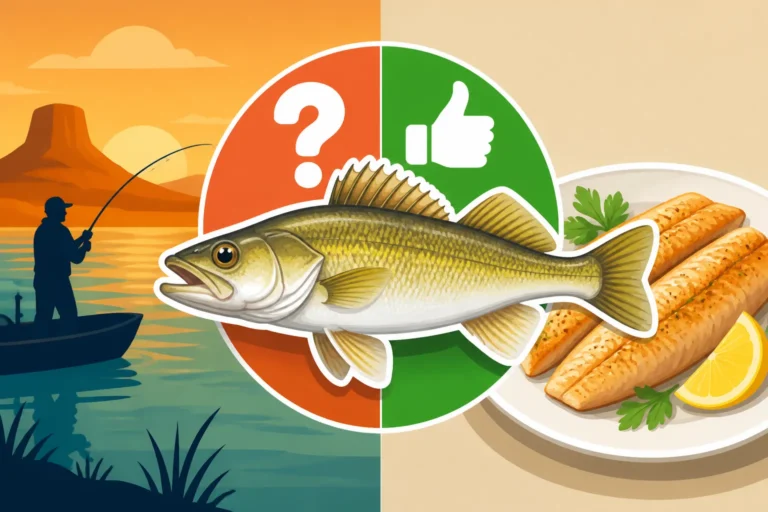
Let's cut to the chase: is paddlefish good to eat? Absolutely, yes! In fact, many anglers consider it a prized table fish, often comparing its flavor and texture to some of the finest freshwater and even saltwater species out there. It’s not just edible; it’s genuinely delicious when prepared correctly. The common concern about freshwater fish tasting "muddy" or "fishy" simply doesn't apply to a healthy paddlefish.
The Distinctive Flavor and Texture Profile
Paddlefish meat is renowned for its incredibly mild, sweet flavor. It doesn't have that strong, sometimes overpowering "fishy" taste that turns some people off from other species. Instead, you'll find a clean, delicate essence that's very approachable, even for those who claim not to be big fish eaters. This mildness is a huge selling point, allowing the natural flavor of the fish to shine through or to be complemented by various seasonings without being overwhelmed.
Beyond the flavor, the texture of paddlefish is truly exceptional. It's firm, flaky, and has a dense, steak-like quality, often drawing comparisons to swordfish, sturgeon, or even prime cuts of venison. This isn't a mushy fish; it holds together beautifully, whether you're grilling, baking, or frying. The meat is white and relatively lean, making it versatile for many different cooking applications. The unique cartilaginous skeleton, which means no small, pesky bones to pick through in the fillets, also contributes to a more enjoyable eating experience. It's one less thing to worry about when you're savoring your meal.
Factors Influencing Paddlefish Taste
While paddlefish generally offers a superb dining experience, a few factors can subtly influence its taste. Just like any wild game, the environment plays a role. Fish caught from clean, cold waters, like those in many of Oklahoma’s large reservoirs where Paddlefish Snagging in Oklahoma: The Complete Guide is a popular activity, tend to have the best flavor. These healthy environments contribute to a lean, clean-tasting fish.
The paddlefish's diet, primarily zooplankton, also contributes to its mild flavor. Unlike bottom-feeders that might pick up earthy tastes from their environment, paddlefish filter-feed, which helps maintain their clean profile. Size can also be a minor factor; while larger fish provide more meat, sometimes younger, smaller paddlefish can have a slightly more delicate flavor. However, even the trophy-sized paddlefish that Oklahoma is famous for will deliver excellent table fare, provided they're handled properly immediately after the catch. Ensuring the fish is bled out quickly and kept on ice is crucial for preserving its quality and preventing any off-flavors from developing.
Getting Your Paddlefish Ready for the Pan: Cleaning and Preparation
Preparing a paddlefish for cooking is a bit different from your typical bass or crappie, mainly due to its unique cartilaginous structure. But don't let that intimidate you! Once you understand the process, it’s quite manageable and leads to some fantastic boneless fillets. The key is to be prepared and methodical.
Field Dressing and Initial Processing
The first step, ideally right after you land your paddlefish, is proper field dressing. Bleeding the fish immediately is paramount for the best flavor and meat quality. This involves cutting the gills to allow the blood to drain out completely. Afterward, get the fish on ice as quickly as possible. This rapid cooling halts bacterial growth and preserves the freshness of the meat. Many dedicated paddlefish anglers bring large coolers specifically for this purpose, especially when heading out for Paddlefish Snagging Season in Oklahoma.
When you're ready to process the fish further, you'll notice the absence of typical scales and bones. Instead, paddlefish have smooth skin and a cartilaginous skeleton. This means you don't scale them; you skin them. This can be a bit more challenging than scaling a fish, often requiring a sharp, sturdy fillet knife (you can find excellent options on Amazon) and a bit of patience. Many anglers prefer to remove the skin entirely, which also helps eliminate any potential "gamey" taste that might be associated with the skin itself. Then, instead of cutting through bones, you’ll be cutting around thick cartilage, which is surprisingly easier to manage once you get the hang of it.
Filleting and Cooking Methods
Filleting a paddlefish involves navigating around that central cartilage. You'll typically get four thick, boneless fillets from a good-sized paddlefish. The texture is firm enough that it holds its shape well, making it easy to slice into steaks or medallions. Once you have your clean fillets, the culinary possibilities are endless.
Given its firm, mild, and flaky characteristics, paddlefish shines with a variety of cooking methods:
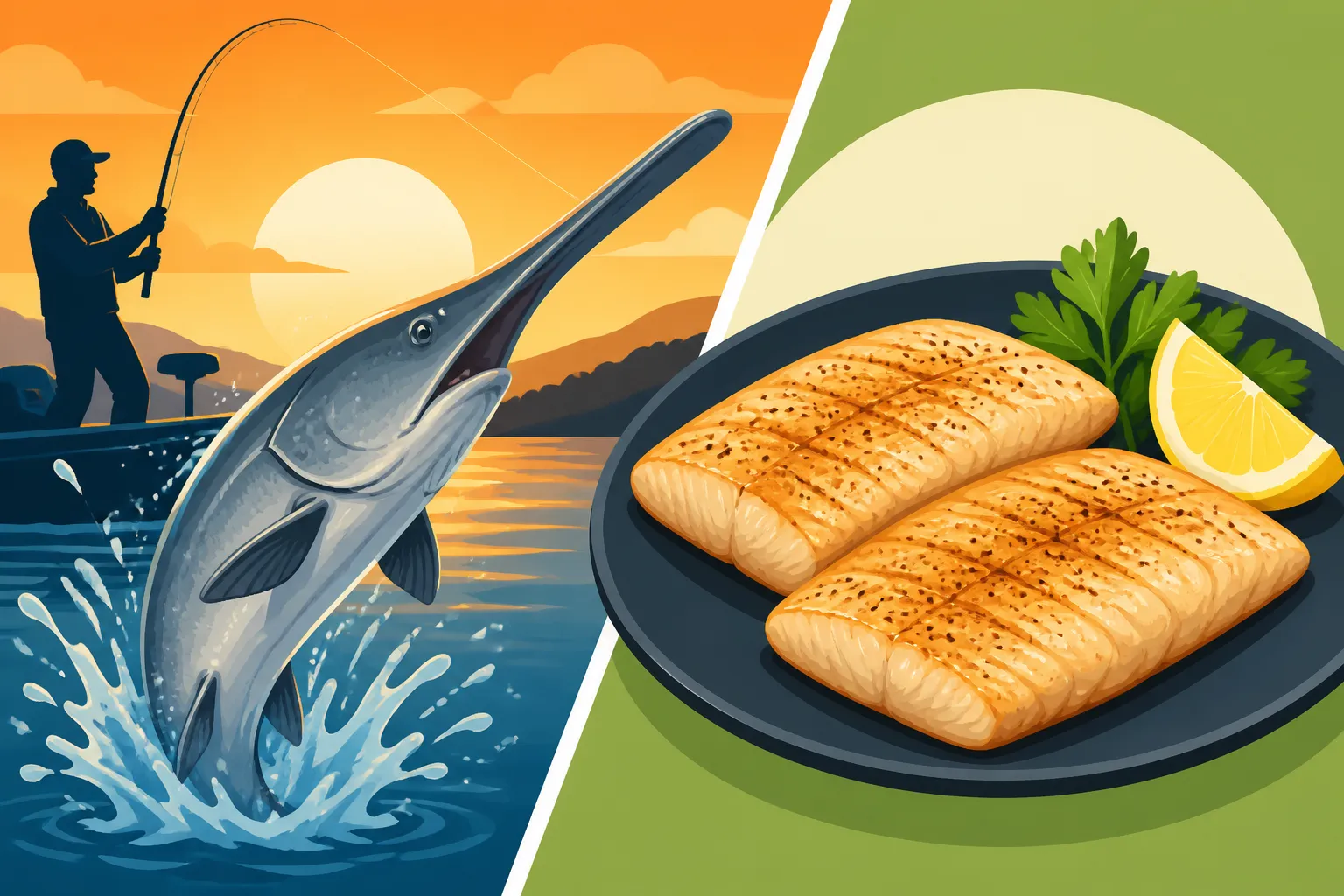
- Grilling: This is arguably one of the most popular ways to cook paddlefish. Its steak-like consistency makes it perfect for the grill. Marinate it in some lemon-herb seasoning, or simply brush with olive oil, salt, and pepper, then grill until flaky. The char from the grill adds a wonderful depth of flavor without overpowering the fish.
- Baking or Roasting: For a hands-off approach, baking paddlefish in the oven is excellent. You can season it with your favorite spices, add some vegetables, and bake until it's cooked through. A simple drizzle of butter and fresh dill creates a classic, delicious meal.
- Pan-Frying: If you love a crispy crust, pan-frying is fantastic. Dredge the fillets in seasoned cornmeal or flour, and fry in a shallow amount of oil until golden brown and cooked through. This method creates a delightful contrast between the crunchy exterior and the tender interior.
- Smoking: For those who enjoy deeper, smoky flavors, paddlefish takes well to smoking. A low and slow smoke with apple or hickory wood chips (readily available on Amazon) can infuse the fish with incredible aroma and moisture, creating a tender, flavorful dish.
- Frying (Deep Fry): Cut into chunks, breaded, and deep-fried, paddlefish can make incredible fish 'n' chips. The firm flesh prevents it from falling apart, and the mild flavor is perfect for soaking up the flavor of the batter.
Here's a quick comparison of paddlefish with some other popular Oklahoma fish:
| Fish Species | Flavor Profile | Texture | Common Cooking Methods |
|---|---|---|---|
| Paddlefish | Mild, sweet, very clean, not "fishy" | Firm, flaky, steak-like, dense | Grill, Bake, Fry, Smoke |
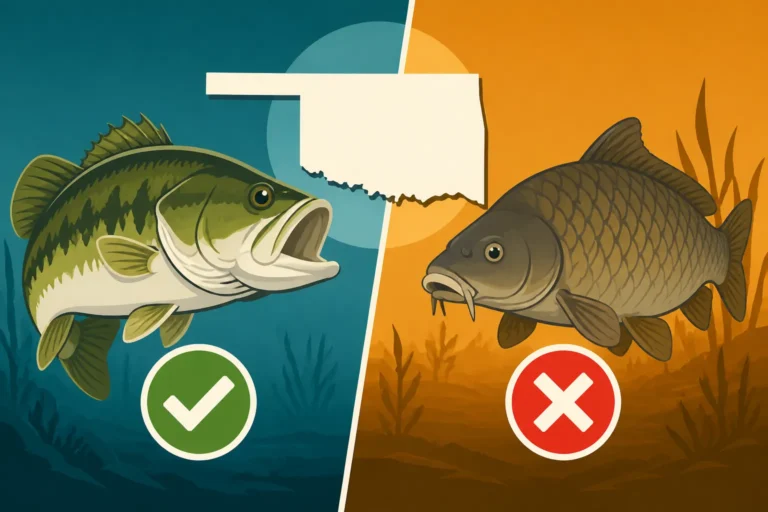
| Largemouth Bass | Mild to medium, slightly earthy depending on water | Medium-firm, white, somewhat flaky | Pan-fry, Bake, Grill |
| Crappie | Very mild, delicate, sweet | Fine, flaky, tender | Pan-fry, Deep-fry |
| Channel Catfish | Mild to medium, sometimes slightly earthy | Firm, moist, slightly oily | Pan-fry, Bake, Smoke |
| Striped Bass | Medium-strong, distinctive, can be richer | Firm, white, large flakes | Grill, Bake, Broil |
The Nutritional Value of Paddlefish
Beyond its delicious taste, paddlefish also offers a healthy addition to your diet. As a wild-caught freshwater fish, it brings a good amount of lean protein and beneficial nutrients to the table, making it a smart choice for those looking to eat healthier.
Lean Protein and Omega-3 Fatty Acids
Paddlefish meat is an excellent source of lean protein, essential for muscle repair, growth, and overall body function. For anglers who spend their days out on the water, a protein-rich meal of paddlefish is a great way to refuel. It’s also relatively low in fat compared to some other protein sources, contributing to a lighter meal.
Like many fish, paddlefish contains beneficial omega-3 fatty acids. While not as high as some fatty cold-water saltwater fish, it still provides a good amount of these essential fats. Omega-3s are well-known for their heart-healthy benefits, including reducing inflammation and supporting brain function. So, when you're enjoying that delicious grilled paddlefish, you're not just treating your taste buds but also doing something good for your body. This makes paddlefish an all-around win for health-conscious foodies.
Considerations for Consumption
While paddlefish is generally a healthy choice, it's always wise to be aware of general fish consumption guidelines. As with almost any fish, there can be very trace amounts of environmental contaminants like mercury, though paddlefish are not typically highlighted as a high-mercury species. The benefits of consuming fish, especially lean protein and omega-3s, generally outweigh these concerns for most people. The key is balance and variety in your diet.
For the most up-to-date information on any consumption advisories specific to Oklahoma waters, it's always a good idea to check with the Oklahoma Department of Wildlife Conservation or the Oklahoma Department of Environmental Quality. These agencies provide guidance to ensure public safety, especially for vulnerable populations. However, for the average angler, paddlefish from Oklahoma’s clean lakes and rivers remains a fantastic and safe choice. And remember that snagging paddlefish is a unique experience, with rules to follow, so always be aware of the Paddlefish Snagging Gear Checklist for Grand Lake and general regulations before you head out.
Conservation and Responsible Angling for Paddlefish
Enjoying the delicious taste of paddlefish also comes with a responsibility to conserve this unique species. Oklahoma has specific regulations in place to ensure paddlefish populations remain healthy for future generations of anglers. Understanding these rules is crucial for anyone who plans to snag these magnificent fish.
Understanding Oklahoma's Paddlefish Regulations
Paddlefish are a unique and valuable resource in Oklahoma, which is why the state has established clear rules around their harvest. These regulations often include specific snagging seasons, daily bag limits, and size restrictions. For instance, anglers often need to understand How Does Paddlefish Snagging Work in Oklahoma and adhere to designated snagging areas and times, especially on popular bodies of water like Grand Lake. The goal of these rules is to allow for sustainable harvest while protecting the breeding population.
It's important to remember that these regulations are subject to change, so always check the current Oklahoma Fishing Regulations guide before planning your trip. Ignorance of the law is not an excuse, and violating these rules can result in penalties. Responsible angling means knowing when and where you can snag paddlefish, and how many you can keep. This ensures that you can continue to enjoy the experience of catching and eating paddlefish for years to come.
The Role of Catch and Release for Future Generations
While many anglers seek paddlefish for their culinary appeal, catch-and-release also plays a vital role in conservation. Even if you plan to keep a fish for the table, being mindful of how you handle any fish you intend to release is critical. Minimizing stress and injury when releasing paddlefish, especially those that are outside the legal size limits or that you simply don’t need, contributes to the overall health of the fishery.
The ability to successfully catch and release a paddlefish relies heavily on using appropriate gear and techniques. Tools like strong rods, heavy line, and proper treble hooks (check out options for this specific gear on Amazon, making sure to match sizes like those needed for Best Treble Hook Size for Paddlefish Snagging) are not just about landing the fish, but also about managing the fight effectively to reduce harm if you decide to let it go. Being an ethical angler means being informed about both the harvest opportunities and the conservation responsibilities that come with pursuing such an incredible fish. The What Gear Do You Need for Paddlefish Snagging guide offers excellent insights into setting yourself up for success, both for keeping fish and for ensuring the survival of those you release.
Final Thoughts on Oklahoma Paddlefish
So, to definitively answer the question: Is paddlefish good to eat? Yes, absolutely! It's a truly delicious freshwater fish, offering a mild, clean flavor and a firm, steak-like texture that many find superior to other species. From the initial snagging experience, which you can learn more about in How Big Do Paddlefish Get in Oklahoma, to the careful preparation in your kitchen, the paddlefish journey culminates in a rewarding meal.
Whether you're grilling it to perfection, baking it with herbs, or enjoying it pan-fried, paddlefish provides a unique and memorable dining experience. Just remember to respect the resource by adhering to Oklahoma's fishing regulations, ensuring that future generations can also enjoy this remarkable species. A successful paddlefish trip isn't just about the catch; it's about the entire experience, from the fight on the line to the flavors on your plate. Enjoy every bite!
Disclaimer
This article is for general informational purposes only and does not constitute professional advice. Laws, prices and regulations vary by location and change over time. Consult a qualified professional for guidance on your specific situation.