Best Bait for Longnose Gar
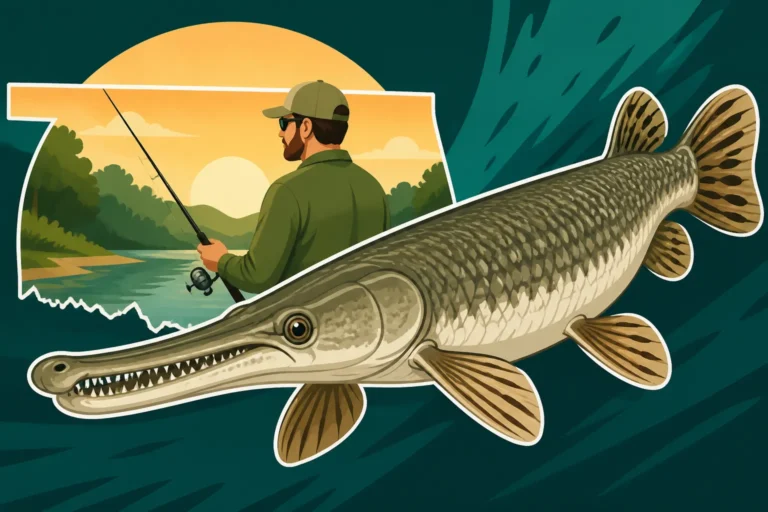
Okay, let's be real for a minute. You’re out on an Oklahoma lake, maybe soaking up the sun, trying to catch some bass or crappie, and then you feel that distinctive, heavy pull. You reel it in, and there it is: a longnose gar, with that prehistoric snout and rows of needle-sharp teeth. Many anglers see them as a nuisance, a "trash fish," but for those of us who appreciate a true challenge and a unique fight, gar are fantastic. The problem? Getting them to actually stay on the hook, or even bite consistently, can be incredibly frustrating. They’re finicky, and their bony mouths are notorious for spitting hooks. This guide is all about cutting through that frustration and arming you with the knowledge of the best baits and techniques to finally land those elusive longnose gar in Oklahoma waters.
Understanding Longnose Gar and Their Feeding Habits
Longnose gar (Lepisosteus osseus) are incredible creatures, truly living fossils that have patrolled Oklahoma's waters for millions of years. They're not like your average bass or catfish, and trying to catch them with conventional methods can lead to a lot of missed bites and head-scratching. To consistently bring these ancient predators to hand, you first need to understand what makes them tick, especially their unique anatomy and natural diet.
The Gar's Unique Anatomy and Why It Matters for Bait
When you look at a longnose gar, the first thing that grabs your attention is that long, cylindrical snout, packed with rows of sharp, conical teeth. It's truly a marvel of evolution, perfectly adapted for ambushing and snatching prey. But this very adaptation is what makes them so challenging to hook. Most traditional fishing hooks are designed to set in the fleshy parts of a fish's mouth. A gar's mouth, however, is almost entirely bone and cartilage.
When a gar strikes, it often grabs the bait sideways, holding it in its beak-like jaws before turning it to swallow. A standard J-hook or treble hook often snags on the outside of their bony mouth or simply slides off before it can penetrate. This leads to a lot of "takes" that don't result in a hooked fish, leaving many anglers feeling defeated. Understanding this structural challenge is key to choosing the right bait and, more importantly, the right rigging. It tells us we need something that either gets deep into their throat or, even better, something they can't unhook themselves from easily. For a deeper dive into distinguishing these fascinating fish, check out Alligator Gar vs Longnose Gar: How to Tell Them Apart.
Natural Prey of Longnose Gar in Oklahoma Waters
Longnose gar are opportunistic predators, but they have a clear preference for live fish. In the wild, their diet primarily consists of smaller, slender-bodied fish that they can easily ambush and grasp with their long snouts. Think about what swims in our local lakes and rivers: shad, minnows, small sunfish, and even juvenile carp. They'll often lurk in submerged vegetation or near structure, waiting for an unsuspecting meal to swim by, then dart out with incredible speed.
This natural feeding behavior gives us a huge clue about what baits will be most effective. They're visual predators, attracted to movement and flash, and they're accustomed to chasing down live, struggling prey. While they will sometimes scavenge, a live bait that mimics their natural diet is almost always going to be your best bet. Knowing this helps us move beyond just "any bait" to "the right bait" that triggers their instinctual feeding response. You might also be interested in general fish identification with How Many Fish Species Live in Oklahoma.
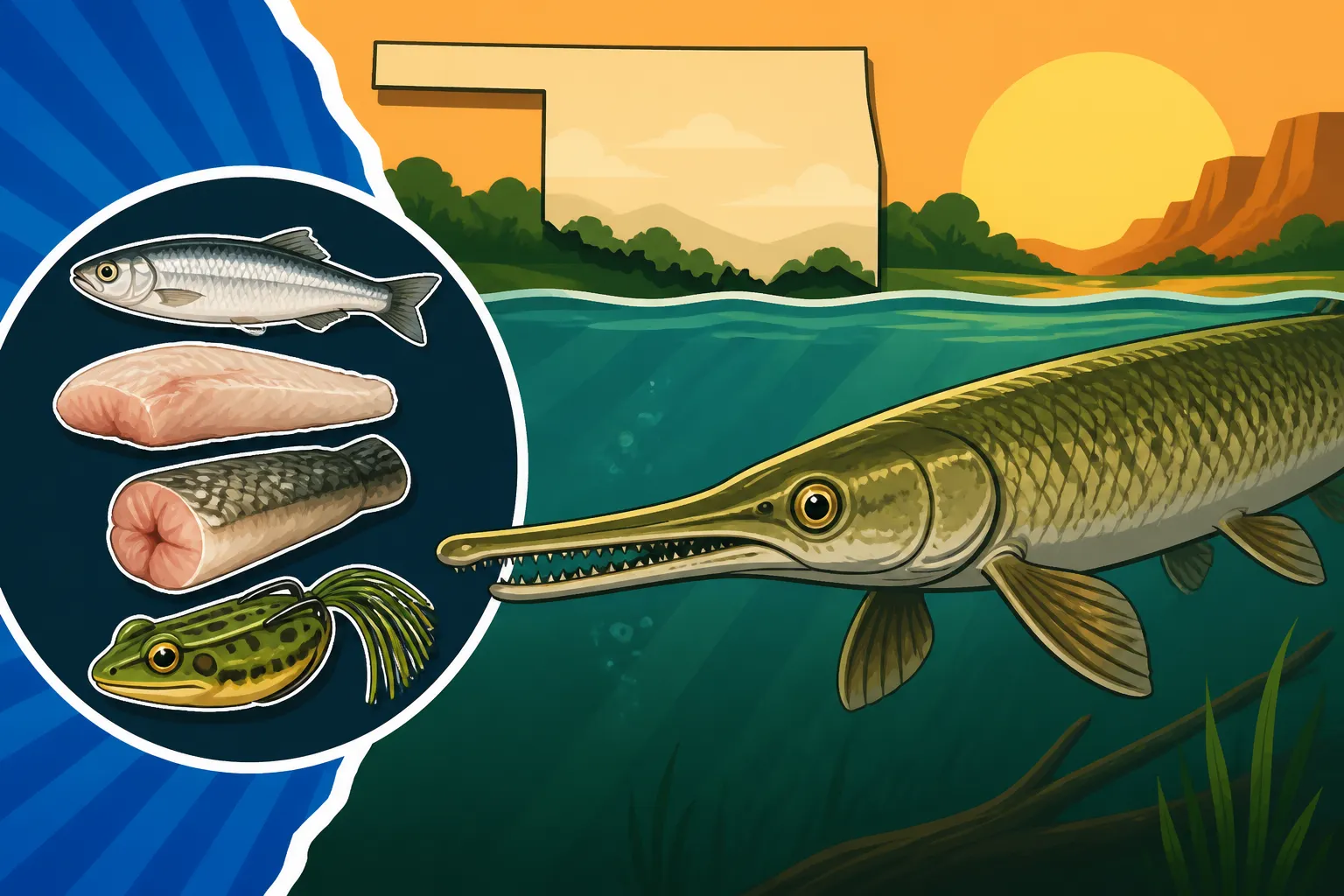
Top Baits for Longnose Gar: Live, Cut, and Artificial Options
When it comes to tempting a longnose gar, you've got a few arrows in your quiver. Each bait type has its own pros and cons, and understanding when and how to deploy them can make all the difference between a frustrating day and a successful outing. Forget what you think you know about conventional fishing; gar require a bit of outside-the-box thinking.
Live Bait: The Undisputed King for Gar
If you ask any seasoned gar angler in Oklahoma, they'll likely tell you that live bait is hands-down the most effective option. There's just something about the natural movement and distress signals of a live fish that gar can't resist.
Gizzard Shad and Threadfin Shad: These are probably the most common and effective live baits for gar in Oklahoma. They're readily available in most of our larger reservoirs and rivers, and they're a natural food source for gar. A 3-6 inch shad, fished alive and kicking, is often irresistible. The key is to keep them lively. This usually means a good aerated bait tank if you're collecting them yourself.
Small Sunfish (Perch): Bluegill and other small sunfish, often referred to as "perch," are another fantastic option. They're hardy, stay alive on a hook for a long time, and gar love them. Be sure to check local regulations on using game fish as bait; often, non-game species are preferred. A 3-5 inch sunfish works perfectly.
Minnows: While smaller than shad or sunfish, large golden shiners or fathead minnows can also entice gar, especially if you're targeting slightly smaller specimens or if larger bait is hard to come by. The extra commotion from a large shiner can sometimes be just what's needed to trigger a bite.
When using live bait, the presentation is crucial. Many anglers free-line their live bait or use a very light weight to allow the bait to swim naturally. The goal is to make it look as easy a meal as possible. For other bait discussions, see Best Bait for Catfish in Oklahoma Lakes and Rivers.
Cut Bait: A Savvy Alternative
Sometimes, getting live bait isn't feasible, or you might prefer the convenience of cut bait. While not quite as effective as live bait for pure numbers, cut bait can still be a very productive method for longnose gar, especially when you consider their keen sense of smell.
Fresh Shad Fillets: If you have some fresh shad that didn't make it to the livewell, don't discard them! A strip of fresh shad fillet, especially with some of the silvery skin still attached, can be incredibly appealing. The key here is freshness. Old, stale cut bait loses much of its effectiveness.
Pieces of Oily Fish: Other oily fish, like cut pieces of carp or even store-bought mackerel (though less natural to Oklahoma waters, the scent is strong), can also work. The oilier the fish, the more scent it releases into the water, which can draw gar from a distance.
When rigging cut bait, consider how it will present in the water. You want it to drift naturally or sit on the bottom, releasing a steady plume of scent. Sometimes, a slow retrieve that imparts a subtle movement can also trigger a strike.
Artificial Lures: The Challenge and the Reward
Catching a longnose gar on an artificial lure is often considered the pinnacle for gar anglers, simply because it’s so difficult. Their bony mouths make traditional hook sets a nightmare. However, some innovative lures and techniques have emerged to tackle this challenge.
Rope Lures: This is where things get interesting and where brands like Amazon come in handy for finding specialized gear. A "rope lure" or "frayed rope lure" is specifically designed for gar. It consists of a length of nylon rope (often braided nylon clothesline or similar material), frayed at both ends, tied around a swivel or even a small weight. There's no hook involved. When a gar bites it, their tiny, needle-like teeth get hopelessly entangled in the nylon fibers, allowing you to reel them in. It's an incredibly effective and humane way to catch gar, as there are no hooks to injure the fish, making release easy. You can often find pre-made rope lures or the materials to make your own on Amazon.
Flies and Streamers (Fly Fishing): For the truly dedicated and skilled angler, fly fishing for gar can be incredibly rewarding. Large, flashy streamers that imitate baitfish can provoke strikes. The key here is often to use a very sharp, strong hook and ensure a hard, positive hook set when the gar takes the fly. Again, the bony mouth makes this a low-percentage game for hook-ups, but the challenge is part of the appeal.
Soft Plastics (Weedless Rigs): While less common, some anglers have success with soft plastic jerkbaits or worms rigged completely weedless on a heavy-duty worm hook. The idea is that the plastic lure might slide further into the gar's mouth, allowing for a better hook set. However, be prepared for a lot of torn plastics and missed strikes. This is definitely a higher-skill, lower-reward approach compared to live bait or rope lures.
| Bait Type | Pros | Cons | Best Use |
|---|---|---|---|
| Live Shad/Sunfish | Highest hook-up rate, natural presentation | Requires bait tank, can be delicate, harder to acquire | Active gar, clear water, target big fish |
| Cut Bait | Easy to acquire/store, strong scent trail | Lower hook-up rate than live, less visual appeal | Murky water, slower bite, bottom fishing |
| Rope Lure | Extremely high "catch" rate, hookless, humane | Not for swallowing, only for entanglement | Active gar, easy release, for dedicated gar fishing |
| Artificial Lures | Challenging, rewarding, no live bait needed | Very low hook-up rate with traditional hooks | Sport fishing, specific conditions, skilled anglers |
Rigging Your Bait for Longnose Gar Success
Once you've chosen your bait, the next critical step is how you rig it. This is where many anglers go wrong when targeting gar. Their unique mouth structure demands specific approaches that maximize your chances of a successful hook-up or, in the case of rope lures, a successful entanglement.
The Rope Lure: A Gar-Specific Innovation
As mentioned, the rope lure is a game-changer for gar fishing. It’s simple, effective, and environmentally friendly. To make or rig one, you typically start with a piece of nylon rope, about 6-8 inches long. The magic happens when you fray the ends of this rope extensively, creating a fluffy, brush-like texture. You can often find suitable nylon rope or even pre-frayed options on Amazon, sometimes marketed specifically for gar fishing.
Attach the rope to your main line using a strong swivel. Some anglers add a small lead weight (1/8 to 1/4 ounce) about 6-12 inches above the rope lure to help with casting and sinking. When a gar strikes this lure, its thousands of tiny teeth get caught and tangled in the nylon fibers. Because there's no hook, it's virtually impossible for the gar to spit it out, yet the fibers don't cause any internal injury. To release the fish, you simply untangle the rope, which often comes out quite easily. This method bypasses the bony mouth problem entirely and offers a thrilling fight without the stress of trying to set a hook in rock-hard jaws. For tips on other fishing gear, consider reading Best Rods and Reels for Oklahoma Fishing.
Wire Leaders and Strong Hooks for Gar
If you're opting for live or cut bait with traditional hooks, a few modifications are essential to withstand the gar's formidable teeth and bony mouth.
Wire Leaders are Non-Negotiable: A gar can bite through monofilament or fluorocarbon line in a split second. A heavy-duty steel or titanium wire leader, at least 12-18 inches long, is absolutely essential. Don't skimp on this. If you’re not using wire, you’re just feeding the gar. You can find pre-tied wire leaders or spools of wire to make your own on Amazon or at any good tackle shop.
Circle Hooks or Treble Hooks:
- Circle Hooks: Many experienced gar anglers swear by large, strong circle hooks (size 4/0 to 8/0). The beauty of a circle hook is that it's designed to set itself in the corner of the fish's mouth as the fish swims away, often bypassing the bony beak and catching the softer tissue at the hinge of the jaw. This requires patience; you resist the urge to set the hook manually. Just let the gar take the bait, feel the weight, and reel in smoothly.
- Treble Hooks: While often frowned upon for their potential to injure fish, heavy-duty treble hooks can also be effective. The multiple points increase the chance of one snagging somewhere in the gar's mouth. Rigging a large treble hook through the back of a live shad, for instance, can provide a good target. The downside is that they can be harder to remove and cause more damage. Choose your hook type based on your personal fishing ethics and target.
Regardless of the hook type, ensure they are sharp and strong. Gar are powerful fish, and a weak hook will straighten out or break.
Presenting Live and Cut Bait Effectively
How you present your bait can influence a gar's willingness to strike.
Free-Lining Live Bait: This is often the most effective method for live bait. Tie a wire leader directly to your main line, then attach your hook to the leader. Hook your live shad or sunfish gently through the back, just behind the dorsal fin, or through the lips. Cast it out and let it swim freely. The natural movement will attract gar. Watch your line closely; when a gar takes it, let them run for a bit before engaging.
Under a Bobber: For suspended gar, or if you want to keep your bait at a specific depth, a large bobber can be effective. Use a slip bobber rig, allowing you to adjust the depth easily. This is particularly useful when gar are active near the surface or around submerged structure. Just remember the wire leader!
Bottom Rigging Cut Bait: When using cut bait, especially if you suspect gar are lurking near the bottom or if the water is murky, a simple bottom rig works well. A Carolina rig with a small egg sinker above a swivel, then a wire leader and hook, can keep your bait on the bottom. The scent will draw them in. Ensure your hook is exposed so it has a chance to catch.
When you get a bite with live or cut bait, do not set the hook immediately. This is perhaps the hardest part for many anglers. Gar often mouth the bait, carrying it for a short distance before turning it to swallow. Give them time, let them swim off with the bait for 5-10 seconds, then gently tighten the line and let the circle hook do its job, or sweep-set with a treble hook. Patience truly is a virtue here. For general beginner tips, check out Best Fishing Techniques for Beginners.
Tips for Maximizing Your Chances with Longnose Gar Bait
So you've got the right bait and the right rig. Now, how do you put yourself in the best position to succeed? Longnose gar fishing isn't just about the tackle; it's about understanding their behavior, finding them, and having the right mindset.
Best Times and Locations to Deploy Your Gar Bait
Gar, like many predators, have preferred times and places to hunt. Knowing these can significantly increase your success.
Warm Water is Key: Longnose gar are warm-water fish. They become much more active when water temperatures are high, typically from late spring through early fall in Oklahoma. While you can catch them in cooler months, the warmer periods, especially summer, are prime time. This also aligns with when many of their baitfish are most active. You can find more about seasonal patterns in Best Time of Year to Catch Longnose Gar.
Daylight Hours are Productive: Unlike some catfish species that prefer the dark, gar are often very active during daylight hours. Sunny, warm days can be particularly good, as they often bask near the surface or in shallow, sun-warmed coves.
Look for Structure and Baitfish: Gar love to ambush prey. Focus your efforts around areas with good cover and a visible presence of baitfish. This includes:
- Shallow Coves and Flats: Especially those with submerged vegetation, brush piles, or standing timber. Gar will cruise these areas looking for easy meals.
- Near Drop-offs and Channel Edges: Gar will often patrol the edges where shallow water suddenly drops into deeper water, ambushing baitfish moving between depths.
- Current Breaks: In rivers or below dams, look for calmer water just out of the main current flow. This is where baitfish often congregate, and gar will be waiting.
- Open Water with Bait Balls: Sometimes, you'll see schools of shad "balling up" on the surface in open water. Gar will often be lurking below or on the edges, picking off stragglers.
The Patience Game: Waiting for the Bite
Gar fishing is not for the impatient. When a gar takes your bait, it's rarely a violent, immediate run like a striper. More often, it's a slow, deliberate movement, a gradual tightening of the line, or a steady swim-off.
Don't Set Too Soon: This cannot be stressed enough, especially with traditional hooks. When you feel a bite, resist the urge to yank the rod back. Instead, let the gar take the bait. If you're free-lining, let your line peel off the reel for several seconds – sometimes up to 10 or 15 seconds – before you slowly reel down and apply pressure. This gives the gar time to fully commit to swallowing the bait past its bony snout. With circle hooks, just gently tighten the line and let the fish turn and hook itself.
Watching Your Line is Crucial: Gar bites can be subtle. If you're fishing with a bobber, it might just slowly sink or move sideways rather than rapidly disappearing. If you're bottom fishing, you might see a slow bend in your rod tip or a gradual pull on your line. Keep your eyes peeled and be attuned to even the slightest changes. You'll catch more gar by observing patiently than by reacting too quickly.
Handling Your Catch Safely
Once you've successfully landed a longnose gar, it's important to handle them safely for both your well-being and the fish's. Their teeth are no joke, and they're incredibly powerful.
Gloves and Pliers: Always have a good pair of heavy-duty gloves (like de-hooking gloves or even thick leather work gloves) and long-nosed pliers or a de-hooking tool ready. These are essential for safely handling the fish and removing hooks. You can find excellent options for these fishing tools on Amazon.
Control the Head: A gar can thrash violently. It's best to grab them firmly behind the head with your gloved hand, holding them securely. Some anglers use a "fish gripper" tool to get a secure hold without directly touching the fish.
Rope Lure Release: This is where the rope lure truly shines. Since there's no hook, you can simply grab the gar, untangle the rope from its teeth (often requiring a bit of wiggling and reverse motion), and release it with minimal stress or injury. It’s a very humane way to enjoy the fight.
Measuring and Photography: If you plan to measure or photograph your catch, do so quickly and efficiently. Avoid prolonged exposure out of the water. Support the gar's body properly, especially if it's a large one, to prevent internal injury. Gently slide it back into the water, holding it upright until it swims away strongly. For information on other large fish, see How Big Do Blue Catfish Get in Oklahoma.
Remember, gar are a unique and valuable part of Oklahoma's aquatic ecosystem. Treating them with respect, even if you’re just enjoying the sport, helps ensure these ancient fish continue to thrive. Now go out there and show those longnose gar who's boss (in the most respectful way possible, of course)!
Disclaimer
This article is for general informational purposes only and does not constitute professional advice. Laws, prices and regulations vary by location and change over time. Consult a qualified professional for guidance on your specific situation.