Oklahoma Boat Titling Fee and Application Cost
You've just invested in a new boat, perhaps dreaming of tranquil mornings chasing crappie on Lake Eufaula or the thrill of battling a big striped bass on Lake Texoma. But before you can truly enjoy those peaceful moments on the water, there's that mountain of paperwork to conquer. The process of understanding Oklahoma's boat titling fees and application costs can feel like navigating a maze, leaving many anglers scratching their heads and dreading the trip to the tag agency. This comprehensive guide is here to demystify the entire process, breaking down what you need to know about getting your boat legally titled in the Sooner State, so you can spend less time on bureaucracy and more time fishing.
Understanding the "Why" Behind Oklahoma Boat Titling
It’s easy to feel like boat titling is just another bureaucratic hurdle designed to slow you down. After all, you already bought the boat, right? But there’s a crucial reason why the State of Oklahoma requires every boat owner to go through this process. It's not just about collecting fees; it’s about establishing clear ownership, which protects both you and potential future buyers.
What a Boat Title Represents
Think of your boat's title as its birth certificate and legal deed rolled into one. It’s the official document issued by the state that proves you are the legal owner of that vessel. This isn't just a formality; it holds significant legal weight. For instance, if your boat were ever stolen, the title would be your primary proof of ownership, essential for reporting it to law enforcement and for any insurance claims. Without a valid title, proving that the boat is yours can become an incredibly complicated and frustrating ordeal, turning a joyous purchase into a potential headache.
Moreover, a title carries vital information about the vessel itself, such as its hull identification number (HIN), make, model, and year. This data is critical for tracking boats, ensuring they meet safety standards, and identifying them in various legal contexts. It essentially creates a verifiable history for your boat, much like a car title does for an automobile. This clear chain of ownership helps prevent fraudulent sales and ensures that all parties involved in a transaction have legal standing.
Why Titling is Mandatory in Oklahoma
The mandate for boat titling in Oklahoma stems from several important factors, primarily related to consumer protection, law enforcement, and environmental management. Without a statewide titling system, it would be much harder to trace vessels, address safety concerns, or manage aquatic resources effectively. For example, if a boat is involved in an accident, the title quickly identifies the responsible party. Similarly, if there are issues with faulty manufacturing, the title helps track down affected vessels and their owners for recalls or repairs.
Furthermore, titling plays a role in the broader regulatory framework. It helps the state maintain accurate records of vessels operating on its waters, which is vital for planning, resource allocation, and even for tracking aquatic invasive species that might be transported by boats. It provides a formal system for property rights, which is fundamental in any transaction involving a valuable asset. The state wants to ensure that when you purchase a boat, you are indeed receiving clear title to it, free of undisclosed liens or previous ownership disputes. Essentially, mandatory titling protects the public, ensures accountability, and helps manage Oklahoma's precious waterways.
Navigating the Oklahoma Boat Titling Application Process
Alright, so you understand why it's important. Now for the how. The actual application process for an Oklahoma boat title, while involving specific steps, isn't as daunting as it might first appear if you come prepared. The key is knowing what documents you need and where to take them. Trust me, showing up to the tag agency unprepared is a surefire way to extend your wait time and compound your frustration.
Gathering Your Essential Documents
Before you even think about heading to the tag agency, spend some time collecting all the necessary paperwork. This is where most people hit a snag, and it's completely avoidable with a little foresight. For a new boat, you'll generally need the Manufacturer's Statement of Origin (MSO) – this is like the boat's birth certificate from the factory. It’s absolutely crucial. For a used boat, the original, properly assigned title from the previous owner is your golden ticket. Make sure it's signed correctly by all sellers, exactly as their names appear on the title. A common mistake is an improperly signed title, which will send you right back home.
In both cases, you'll also need a bill of sale. This document details the transaction, including the buyer, seller, purchase price, date of sale, and a description of the boat, including its Hull Identification Number (HIN). Even if you're buying from a friend or a private party, a clear, signed bill of sale is indispensable. If you purchased the boat with an outboard motor, especially a newer one, you might also need separate documentation for the motor, as some states title or register motors separately, though Oklahoma generally registers them with the boat. Also, don't forget your photo ID, as you'll need to prove who you are. Having everything organized in a folder can make the process significantly smoother when you present it. Many anglers find it helpful to search online for checklists or even purchase durable document organizers, perhaps from a retailer like Amazon, to keep everything neat and accessible.
Where to Submit Your Titling Application
Once you have your ducks in a row with all the documentation, the next step is to submit your application. In Oklahoma, boat titling and registration are handled through the Oklahoma Tax Commission (OTC) and its authorized tag agencies. These tag agencies are your go-to spots for vehicle and vessel services across the state. You can't just mail in your title application directly to the OTC; you need to go to a physical agency.
It's a good idea to check online for the operating hours of your local tag agency before you make the trip. Some agencies can get quite busy, especially on certain days of the week or around lunch breaks. You'll fill out the necessary application forms right there, and the staff will review your documents. Be prepared to answer any questions they might have about your purchase. They're there to help ensure everything is correctly processed. If you're unsure about a specific document or a step in the process, don't hesitate to ask them for clarification. They deal with these transactions daily and can often clear up confusion much faster than you trying to Google it on the spot.
Deciphering Oklahoma's Boat Titling Fee Structure
Nobody likes hidden costs, and boat ownership certainly comes with its share of expenses beyond the initial purchase price. The fees associated with titling your boat in Oklahoma are usually straightforward, but understanding how they're calculated can help you budget and avoid surprises. These aren't just arbitrary charges; they help cover the administrative costs of maintaining the state's vessel records system.
The Core Titling Application Fee
When you submit your boat titling application, you'll typically encounter a core application fee. This is a relatively modest, flat rate charged for processing the title paperwork itself. Think of it as the administrative cost for creating and issuing that official document that proves you own your vessel. While I can't provide the exact dollar amount, it's generally a fixed fee that doesn't fluctuate based on the value or size of your boat.
This fee is separate from any registration costs, which we'll touch on later. It's solely for the legal document of ownership. You'll pay this fee at the tag agency when you submit all your other required documents. It's always a good practice to check the current fee schedule directly with an Oklahoma tag agency or the Oklahoma Tax Commission's website before you go, as these figures can be adjusted periodically. Knowing this amount beforehand ensures you have the correct form of payment ready, preventing any last-minute scramble at the counter.
Additional Fees and Potential Costs
Beyond the core titling fee, there are a few other charges you might encounter, depending on your specific situation. One of the most significant additional costs is typically the excise tax. This tax is usually calculated as a percentage of the boat's purchase price or its fair market value, whichever is greater. It's similar to sales tax you'd pay on other large purchases. For example, if you bought a gleaming new bass boat from a dealership like Bass Pro Shops, this tax would be applied to the sale price. The percentage can vary, and there might be depreciation factors for older, used boats, but it's crucial to factor this into your total cost.
Another potential cost is a lien filing fee, if you financed your boat and a lender holds a lien against it. This small fee registers the lender's interest in the vessel until the loan is paid off. Additionally, there can be penalties for late titling. Oklahoma has a specific timeframe, generally around 30 days from the date of purchase, within which you must title your boat. Missing this deadline can result in daily penalties that add up quickly, turning a minor oversight into a frustratingly expensive mistake. It’s always best to get the titling process done promptly after your purchase to avoid these unnecessary fees.
Common Challenges and Solutions in Boat Titling
Even with all the right intentions, navigating government paperwork can throw a curveball or two. It's easy to feel overwhelmed, but understanding the most common snags can help you prepare for them and smooth out the process considerably. Many of the frustrations people face come down to missing information or timing.
Dealing with Missing or Incorrect Paperwork
One of the most frequent headaches people encounter is missing or incorrect paperwork. Imagine you've just driven an hour to the tag agency, waited in line, only to be told your bill of sale is incomplete or the previous owner's signature on the title is illegible. It happens more often than you'd think! The most common culprits are:
- Missing Bill of Sale: Always get a detailed bill of sale, even for private party transactions. It needs to include the buyer's and seller's full names, addresses, date of sale, purchase price, and a clear description of the boat (make, model, HIN).
- Improperly Assigned Title: When buying a used boat, the previous owner must sign the title in the designated seller's section, and their signature must match the name printed on the title exactly. If the title lists two owners, both usually need to sign. Any erasures, white-out, or cross-outs can invalidate the title, requiring the previous owner to get a duplicate.
- Lost Title: If the seller can't produce a title, they usually need to apply for a duplicate title themselves before they can transfer ownership to you. You generally can't title a boat in Oklahoma without a proper chain of ownership.
- Missing MSO (Manufacturer's Statement of Origin): For new boats, this document is vital. Without it, the tag agency can't establish the boat's original ownership and details.
The solution to these issues almost always involves going back to the seller to obtain the correct or missing documentation. This is why it's incredibly important to thoroughly review all paperwork before finalizing your purchase and handing over payment. If something looks off, get it corrected then and there. It's much harder to track down a seller once the transaction is complete.
Avoiding Delays and Penalties
Time is money, and delays in titling your boat can cost you both. Oklahoma mandates that you title your boat within a certain number of days after purchase. Fail to do so, and you'll likely incur penalties. These aren't minor fees; they can quickly add up on a daily basis, making an already necessary expense even more costly. How Long an Oklahoma Fishing License Stays Valid applies to licenses, but the same principle of timeliness applies to boat titling. Just as you wouldn't want your fishing license to expire mid-trip, you don't want to incur unnecessary fines for your boat.
Beyond financial penalties, delays can also mean you can't legally operate your boat on Oklahoma waters. Without a title, you generally can't register your boat, and operating an unregistered vessel is also a violation. Imagine planning a big fishing trip to Lake Texoma Fishing Guide for Oklahoma Anglers, only to realize you can't launch your boat because your paperwork isn't in order. It's a truly deflating experience.
To avoid these pitfalls, plan to handle your boat titling as soon as possible after your purchase. Gather your documents immediately, verify everything with the seller, and make that trip to the tag agency within the specified timeframe. If you anticipate a legitimate delay, such as waiting for a crucial document from an out-of-state seller, communicate with your local tag agency to understand your options, if any, and document all your efforts. Proactive communication and prompt action are your best defenses against unnecessary delays and penalties.
Titling Specific Boat Types and Scenarios
Not all boats are created equal, and neither are their titling processes. While the general steps remain consistent, certain situations like purchasing a new vessel versus a used one, or bringing a boat in from out of state, have their own specific nuances. Knowing these differences can save you a lot of grief.
New Boats vs. Used Boats
The biggest distinction in the titling process often lies between new and used boats. When you purchase a brand-new boat from a dealership, like a fishing rig from a major retailer such as Bass Pro Shops, the process is usually the most straightforward. The dealership will typically provide you with the Manufacturer's Statement of Origin (MSO), which is the first official document of ownership. This MSO will list the dealership as the first retail owner, and then it will be assigned to you. You'll take this, along with your bill of sale, to the tag agency. Dealerships are usually very familiar with this process and should provide all the necessary documents in order.
Used boats, however, can introduce a few more variables. The most critical document here is the existing title from the previous owner. This title must be properly assigned to you by the seller. This means the seller needs to sign and print their name in the designated "seller" section of the title, and sometimes notarization is required depending on the age and type of the title. It's absolutely crucial that the seller's name(s) on the title match their signature(s). If the title has any alterations, or if the seller doesn't have the original title, you might face delays. In such cases, the previous owner would typically need to apply for a duplicate title before they can legally transfer ownership to you. Always inspect the title carefully when buying a used boat, looking for any signs of tampering or missing information.
Out-of-State Boats and Homemade Vessels
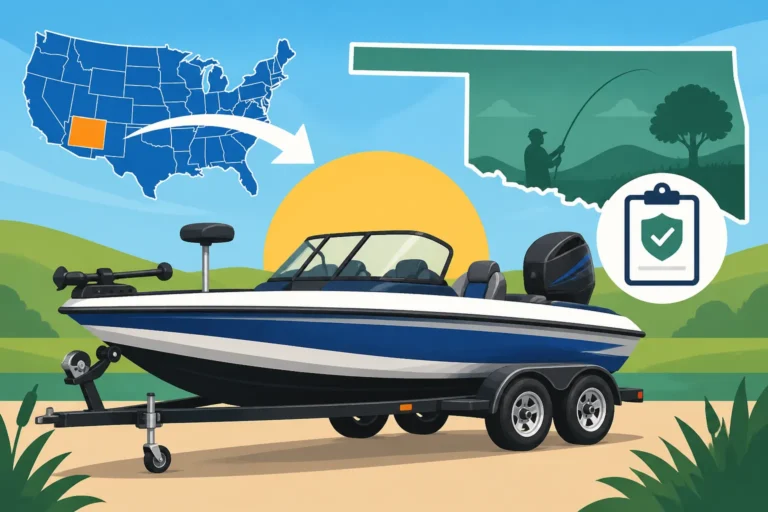
Bringing a boat into Oklahoma from another state, or titling a homemade vessel, introduces its own set of requirements. For boats purchased out-of-state and brought into Oklahoma, you'll generally need the title from the previous state. This title will be surrendered to Oklahoma's tag agency, and a new Oklahoma title will be issued. You'll also need a bill of sale, and possibly a physical inspection of the boat's Hull Identification Number (HIN) to verify it matches the paperwork. This inspection is often required to prevent fraudulent titles or stolen vessels from entering the state's registry. It’s a good safeguard for everyone involved. Registering a Boat Brought Into Oklahoma From Another State delves deeper into this specific scenario.
Homemade vessels present a unique challenge because, well, there's no Manufacturer's Statement of Origin. For these boats, you'll need to apply for a "Hull Identification Number" (HIN) first. This usually involves an inspection by an authorized individual (often a game warden or a designated agent) who will verify the boat's construction and assign a HIN. Once you have a HIN, and proof of materials purchased (receipts for plywood, fiberglass, etc.), along with a notarized affidavit stating you built the boat, you can then apply for an original title. This process is more involved but ensures that even self-built vessels are properly documented and can be legally operated on Oklahoma waters. It's a testament to the state's commitment to tracking all vessels for safety and regulatory purposes.
Beyond Titling: Other Important Oklahoma Boat Requirements
Getting your boat titled is a monumental step, but it’s just one piece of the puzzle for legal and safe boating in Oklahoma. There are other critical requirements, like registration and necessary safety equipment, that you absolutely need to have in order before you hit the water. It’s about more than just paperwork; it’s about your safety and the safety of others.
Understanding Boat Registration vs. Titling
It’s easy to confuse titling with registration, but they are distinct processes, though often handled at the same time at the tag agency. Your boat title is proof of ownership, a legal document that establishes who legally owns the vessel. It's a one-time process when you first acquire the boat, unless ownership changes or the original title is lost.
Boat registration, on the other hand, is like getting a license plate for your boat. It’s the process by which you pay an annual or biennial fee to be allowed to operate your vessel on public waters. When you register, you receive a registration certificate and decals that must be displayed on your boat's hull. These decals typically show the registration year. The registration process ensures that the state has an up-to-date record of active boats and their operators, helping with emergency services, law enforcement, and resource management. You must renew your registration periodically, usually annually, unlike the title which is permanent until transferred. Oklahoma Boat Registration and Titling Rules Explained provides a comprehensive look at both aspects. While the title establishes ownership, the registration grants permission to operate. You typically cannot register a boat in Oklahoma without first having a clear title to it.
Essential Safety Equipment for Your New Boat
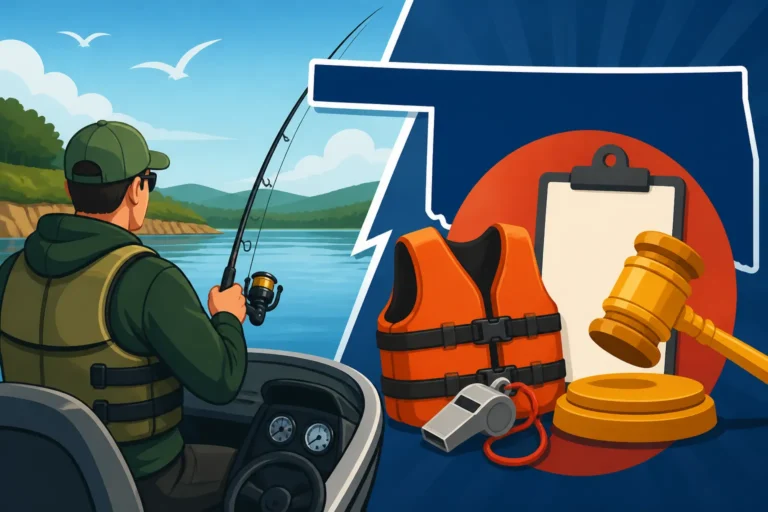
Once your boat is officially titled and registered, your next priority is ensuring it’s equipped with all the necessary safety gear. This isn't just about avoiding fines; it's about protecting yourself and your passengers. Oklahoma, like all states, has specific requirements for onboard safety equipment, aligning with U.S. Coast Guard standards. You can usually find these items at sporting goods stores or online retailers like Amazon or Bass Pro Shops.
At a minimum, you'll need:
- Life Jackets (PFDs): Every person on board must have a U.S. Coast Guard-approved life jacket that fits them properly. Children 12 years old and younger are legally required to wear a life jacket at all times when the boat is underway. Life Jacket Rules for Kids 12 and Under on Oklahoma Boats explains this in detail.
- Throwable Device: Boats 16 feet and longer (excluding canoes and kayaks) must have at least one Type IV throwable device, like a cushion or ring buoy, readily accessible.
- Fire Extinguisher: Depending on the size and type of your boat (especially if it has an enclosed engine compartment or fuel tanks), you'll likely need at least one U.S. Coast Guard-approved fire extinguisher.
- Visual Distress Signals: For boats operating on federal waters, and always a good idea for any boat, visual distress signals (flares, orange flag) are crucial for signaling for help in an emergency.
- Sound-Producing Device: A whistle, horn, or other sound-producing device is required to signal intentions or alert other boaters.
Beyond these minimums, consider a first-aid kit, a fully charged cell phone, navigation lights for night operation, and a working anchor with sufficient line. Taking the time to equip your boat properly before your first outing not only ensures compliance but, more importantly, provides peace of mind that you're prepared for whatever might happen on Oklahoma's beautiful waters.
| Document Type | New Boat (from Dealer) | Used Boat (Private Party) | Out-of-State Boat (Used) | Homemade Boat |
|---|---|---|---|---|
| Manufacturer's Statement of Origin (MSO) | Required | Not Applicable | Not Applicable | Not Applicable |
| Previous State Title | Not Applicable | Not Applicable | Required (to be surrendered) | Not Applicable |
| Bill of Sale | Required | Required | Required | Proof of materials purchased (receipts) |
| Properly Assigned Title | N/A (MSO is assigned) | Required (from previous owner) | N/A (previous title surrendered) | N/A |
| HIN Inspection | Not typically required | Not typically required | Often required | Required (to obtain HIN first) |
| Photo Identification | Required | Required | Required | Required |
| Notarized Affidavit | Not Applicable | Sometimes required (check local agency) | Sometimes required (check local agency) | Required (stating you built the boat) |
Disclaimer
This article is for general informational purposes only and does not constitute professional advice. Laws, prices and regulations vary by location and change over time. Consult a qualified professional for guidance on your specific situation.