What Boat Length Requires a Throwable Life Ring in Oklahoma?
There’s nothing quite like a peaceful day out on the water in Oklahoma, whether you’re chasing bass on Lake Eufaula or enjoying the vastness of Lake Texoma. But before you cast off, it’s crucial to understand the ins and outs of boating safety regulations. One common point of confusion for many boaters, especially those new to larger vessels or upgrading their ride, revolves around a simple yet vital piece of equipment: the throwable life ring. This guide will cut through the jargon and clearly explain when and why your boat needs one to keep everyone safe and legal on Oklahoma's beautiful waters.
Understanding Oklahoma's Basic Boating Safety Requirements
Navigating Oklahoma’s lakes and rivers comes with a distinct set of responsibilities. It’s not just about knowing where the fish are biting or how to handle your boat in a storm; it’s also about ensuring you have the right safety gear on board. This isn't just a recommendation from your friendly neighborhood game warden; it's the law, plain and simple, designed to protect lives.
Why Safety Gear Isn't Just a Suggestion, It's the Law
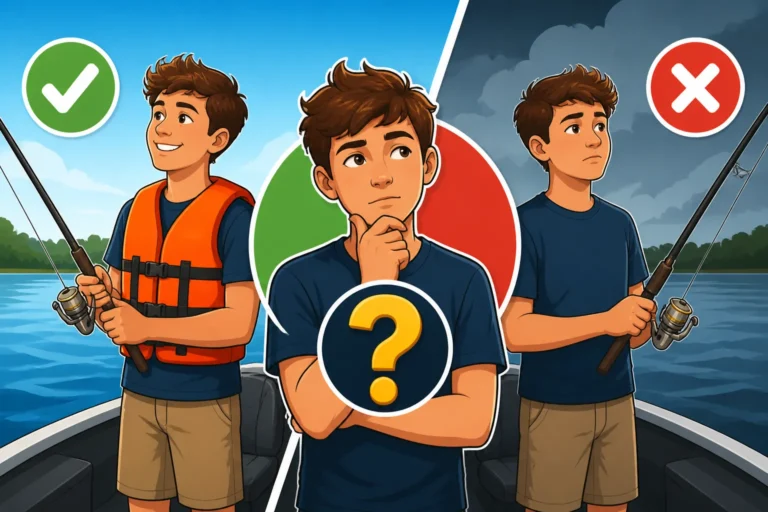
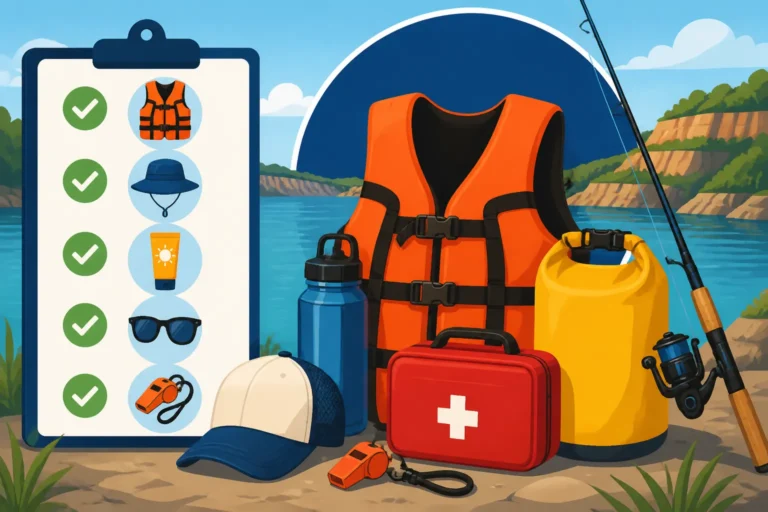
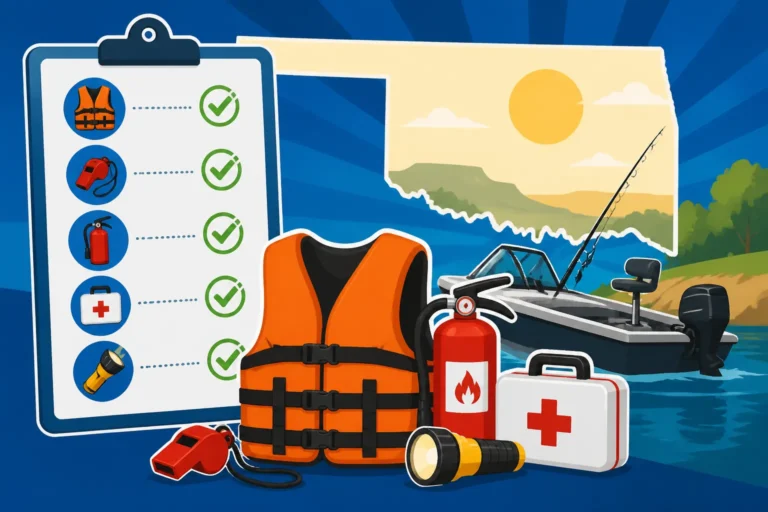
I’ve met countless anglers and recreational boaters who, with the best intentions, often overlook specific safety requirements until they’re stopped for a routine check. It’s easy to think, "Oh, I’m careful, I don’t need all that extra stuff." But the reality is that accidents happen quickly and unexpectedly. A sudden wake, an unexpected mechanical failure, or a passenger simply losing their balance can turn a perfect day into a dangerous situation in seconds. That’s why the Oklahoma Highway Patrol’s Marine Enforcement Division, alongside local law enforcement, diligently enforces these rules. Their job isn't to ruin your day; it’s to make sure that if the unthinkable happens, you have the tools onboard to react effectively. Having proper safety equipment, including the right personal flotation devices (PFDs) and throwable devices, is your first line of defense in an emergency. It's a non-negotiable part of responsible boating here in Oklahoma, and for good reason. For a broader overview of what you should always have on hand, check out our Oklahoma Boat Safety Equipment Checklist.
The Different Types of Personal Flotation Devices PFDs
Before we dive into the specifics of throwable devices, it helps to understand the full spectrum of PFDs. Think of PFDs as your best friends on the water, each with a specialized role. Generally, PFDs are categorized into several types, but for recreational boating, we mostly focus on wearable and throwable options.
Wearable PFDs, like vests (Type I, II, III, and V), are designed to be worn by individuals and help keep them afloat, some even turning an unconscious person face-up in the water. These are absolutely critical, and Oklahoma has specific rules about who needs to wear them, especially children. You can learn more about this in our guide on Oklahoma Life Jacket and PFD Rules for Boaters.
Then there's the Type IV PFD, which is where our throwable device comes in. Unlike a wearable PFD, a Type IV is not designed to be worn. Instead, it's meant to be thrown to someone who has unexpectedly entered the water. It serves two main purposes: providing immediate flotation to someone in distress and acting as a highly visible marker in the water to help rescuers locate the person. It's a quick-response tool, essential for those moments when every second counts.
The Specifics: Boat Length and Throwable Devices in Oklahoma
This is the core of the matter, and where many boaters have questions. Oklahoma, following federal guidelines set by the U.S. Coast Guard, has a very clear rule regarding when a throwable PFD becomes a mandatory piece of safety equipment.
The Magic Number: 16 Feet and Beyond
Let's get right to it: Any recreational boat that measures 16 feet or longer must have at least one Coast Guard-approved Type IV throwable personal flotation device (PFD) on board. This rule applies across the board, whether you're cruising on a pontoon boat, tearing across the lake in a bass boat, or enjoying a leisurely day in a cabin cruiser. The rationale behind the 16-foot threshold is rooted in practical safety. Smaller boats, like kayaks or canoes, tend to be easier to maneuver quickly for a person overboard situation, and often the occupants are close enough to shore or other vessels that immediate rescue without a throwable device is more feasible. However, once you hit that 16-foot mark, boats typically have more deck space, move at higher speeds, and operate further from immediate assistance. A person who falls off a larger vessel might quickly drift away, making a rapidly deployed throwable device crucial for their immediate safety and for marking their position for rescue. For a deeper dive into this specific rule, read our article Type IV Throwable Device Rules for Boats 16 Feet and Longer.
Consider a scenario: you're out on Grand Lake in your 20-foot bass boat. Your buddy leans over to net a fish and, splash, he's in the water, maybe a bit disoriented. If you've got that throwable cushion or ring buoy readily accessible, you can immediately toss it his way, giving him something to grab onto while you circle back safely. Without it, he's treading water, and you're scrambling to retrieve him with a much higher level of risk.
What Qualifies as a "Throwable Life Ring" or Type IV Device?
Not just any old floaty will do. When the regulations specify a "throwable life ring," they're referring to a Coast Guard-approved Type IV personal flotation device. This approval is critical because it means the device has met rigorous safety standards for buoyancy, construction, and visibility.
What exactly does this look like? Most commonly, you'll see one of two forms:
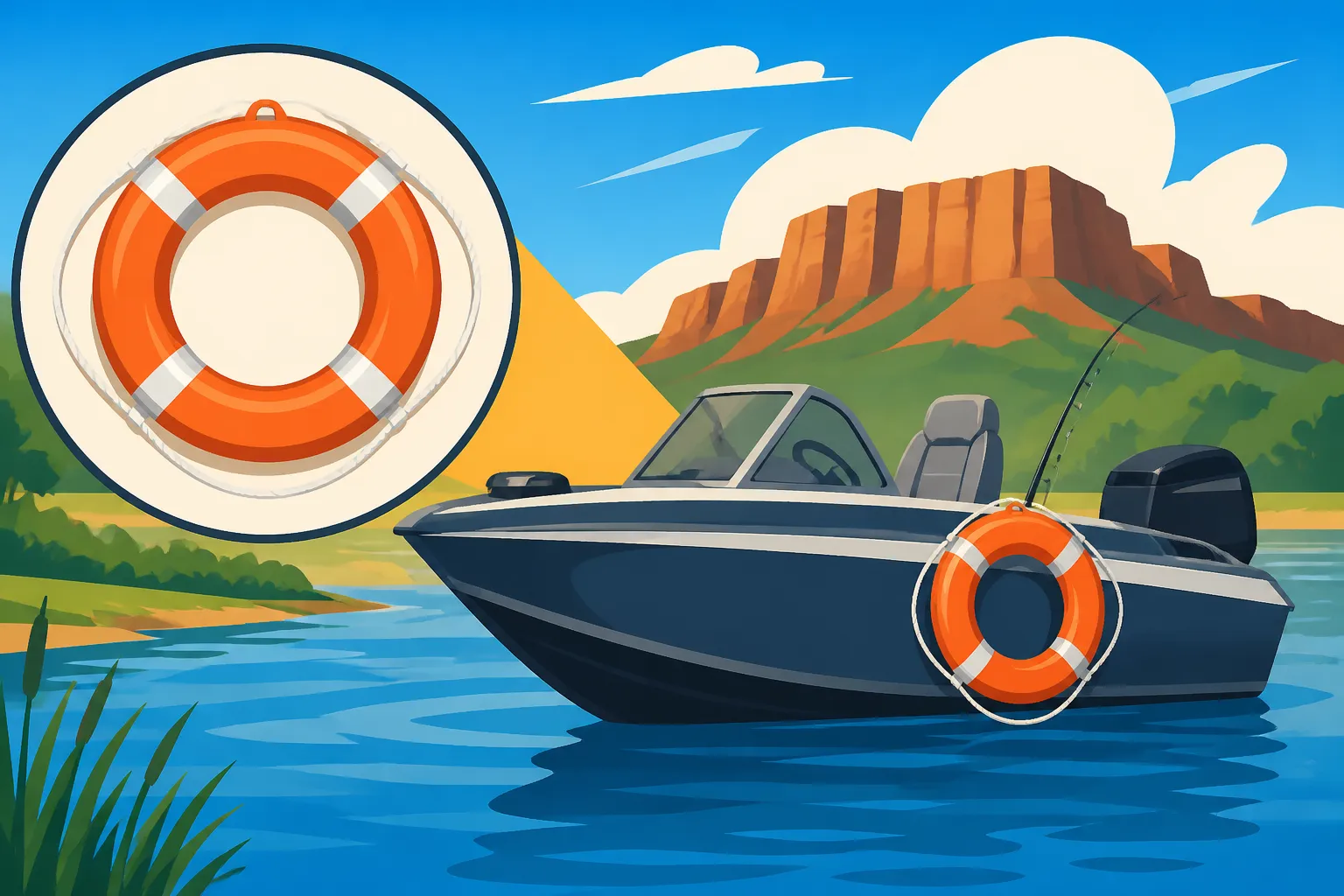
- Ring Buoys: These are the classic, round life rings you often see on larger boats or near docks. They are designed to be easily thrown a good distance and provide substantial flotation.
- Life Cushions: These are square or rectangular cushions, often with straps, that can also be thrown to a person in the water. They are typically smaller and sometimes double as seat cushions on a boat, though their primary purpose is emergency flotation.
Regardless of whether it's a ring buoy or a cushion, it must have that Coast Guard approval stamp on it. Beyond just having it on board, the regulation also states it must be readily accessible. This means it can't be buried under a pile of gear in a locker or strapped down so tightly it takes minutes to free. It needs to be where you can grab it and deploy it within seconds. Think about it: if someone goes overboard, every second counts. Having your throwable device within arm's reach, ready for action, is just as important as having it on board at all. If you’re wondering exactly what these look like and their specific features, our post What Is a Type IV Throwable Device for Boating? provides more detail.
Exemptions and Nuances: When the Rules Don't Quite Apply
While the 16-foot rule is pretty straightforward for most recreational motorboats, it's worth noting that some smaller vessels, particularly those typically propelled by muscle power alone, have different requirements. For example, traditional canoes, kayaks, and paddleboards, regardless of length, generally don't require a Type IV throwable device. This is largely because their operation and typical use-cases differ significantly from larger, faster motorboats. Anglers often modify kayaks with motors, and while this might change some registration rules, the fundamental safety equipment requirements for these vessels often focus on wearable PFDs for each person rather than a throwable device. Always check the specific regulations for your vessel type if you're unsure, but for most motorized recreational boats, the 16-foot rule for a throwable Type IV PFD holds firm.
Beyond the Law: Practical Considerations for Your Throwable Device
Meeting the letter of the law is one thing, but maximizing safety on the water goes a step further. Having a throwable device isn't just about avoiding a fine; it's about being genuinely prepared for an emergency.
Accessibility is Key: Don't Bury It in the Storage Locker
I’ve seen it time and time again: boaters who technically have the required safety gear, but it's stowed away so deeply that it would take an archaeological dig to retrieve it. When someone goes overboard, you don't have time for that. Your throwable life ring needs to be visible and instantly accessible from the helm or a central part of the boat. Imagine a worst-case scenario: a sudden wave or an unexpected shift in weight sends a passenger into the cold water. Panic can set in quickly, and fumbling around for a cushion that’s tucked away in a stern locker could mean precious seconds lost.
Think about mounting a ring buoy near the stern, or keeping a throwable cushion on top of a storage box rather than inside it. If you have a larger vessel, having more than one throwable device strategically placed can be a lifesaesaver. Even on a smaller boat just over 16 feet, keeping it in the open cockpit or near the driver's seat makes all the difference. Practice grabbing it quickly; you'll be surprised how much those few extra seconds can matter in a real emergency. For those looking for suitable options, our guide Best Life Ring for a 16 Foot Bass Boat offers some recommendations.
Maintenance and Condition: A Worn-Out Device is a Useless Device
Just having a throwable device isn't enough; it needs to be in good, serviceable condition. Over time, exposure to sun, water, and general wear and tear can degrade its effectiveness. A throwable cushion that's waterlogged or has torn fabric will not provide the intended buoyancy, and a brittle, cracked life ring might break when you need it most.
Before each outing, make it a habit to quickly inspect your throwable device. Look for:
- Rips, Tears, or Holes: Any compromise in the outer material can lead to water absorption, reducing buoyancy.
- Sun Damage: UV rays can degrade the fabric and stitching over time, making it weak.
- Waterlogging: Squeeze it. If it feels heavy or squishy, it might be waterlogged and won't float as effectively.
- Attached Line: Many throwable devices come with a retrieval line. Ensure it’s securely attached, free of tangles, and strong enough to pull someone in.
If your throwable device shows significant signs of wear or damage, replace it immediately. It’s a small investment for a potentially life-saving piece of gear.
Training and Practice: Knowing How to Use It Matters
It might seem silly to "practice" throwing a life ring, but trust me, it’s not. In an emergency, adrenaline can make even simple tasks difficult. Knowing how to quickly and accurately deploy your throwable device is a skill.
- Practice your throw: Get a feel for the weight and how it flies. Aim slightly past the person in the water (or a simulated target) so they can grab it as it drifts towards them.
- Communicate: Make sure anyone who might be driving or assisting on your boat knows where the device is and how to use it. A quick briefing for passengers, especially if you have children or less experienced boaters aboard, can make a huge difference. Point out where the life jackets are and where the throwable device is kept. This kind of preparation can really pay off.
Consequences of Non-Compliance and Overall Boating Safety
Ignoring boating safety regulations isn't just a risk to your safety and the safety of your passengers; it also carries legal consequences that can put a serious damper on your day.
Penalties for Lacking Required Safety Equipment
Oklahoma game wardens and marine patrol officers take safety seriously, and for good reason. If your boat is 16 feet or longer and you're caught without a Coast Guard-approved Type IV throwable PFD, you're likely looking at a citation. The specific fines can vary, but generally, boating safety violations are classified as misdemeanors and can result in monetary penalties. More importantly, it can lead to your day on the water being cut short, as officers may require you to return to shore to obtain the necessary equipment before continuing your trip. Beyond the legal ramifications, the true cost is the heightened risk you put yourself and others in. No one wants to face the consequences of an accident that could have been prevented by having the proper gear. For details on potential penalties, refer to our guide Fines for Boating Safety Violations in Oklahoma.
Integrating a Throwable Device into Your Overall Safety Plan
A throwable device is a critical component, but it's just one part of a comprehensive boat safety strategy. Think of it as a layer of protection, working in conjunction with other essential items.
- Wearable PFDs: Always ensure you have enough Coast Guard-approved wearable PFDs for everyone on board, and insist that children under 13 wear them at all times when the boat is underway. Many adults choose to wear them too, especially if operating alone or in rough conditions. Our article Are Adults Required to Wear a Life Jacket on an Oklahoma Boat? discusses this in depth.
- Sound-Producing Devices: A whistle, horn, or other sound device is required to signal distress.
- Fire Extinguishers: Especially for boats with inboard engines or fuel tanks.
- Visual Distress Signals: Flares or other visual signals for nighttime operation or emergencies in open water.
Every item on your Oklahoma Boat Safety Equipment Checklist plays a vital role in ensuring a safe and enjoyable experience. The throwable device is there for that immediate, critical response when someone unexpectedly enters the water, bridging the gap until a more stable rescue can be performed or until a wearable PFD can be donned.
Where to Acquire a Coast Guard Approved Throwable Device
Getting your hands on a Coast Guard-approved throwable device is thankfully quite easy. You don't need to hunt for specialized marine stores in remote locations.
- Sporting Goods Stores: Major retailers like Bass Pro Shops are excellent places to find a variety of Coast Guard-approved PFDs, including throwable cushions and ring buoys. They usually have a dedicated marine or boating section with knowledgeable staff who can help you choose the right product.
- Online Retailers: Websites like Amazon offer a vast selection of Coast Guard-approved Type IV PFDs. Just be sure to double-check the product description for the "U.S. Coast Guard Approved" wording to ensure it meets legal requirements.
- Marine Supply Stores: Dedicated marine stores, often found near major lakes or coastal areas, will also have a wide selection and can offer expert advice.
When purchasing, look for the Coast Guard approval label prominently displayed on the device. It will typically indicate the Type (IV in this case) and provide information about its buoyancy rating. Remember, this isn't an item to skimp on; it's an essential piece of safety equipment. Investing in a good quality, durable throwable device that you maintain well is a crucial step for every responsible boater in Oklahoma.
| PFD Type | Purpose | Wearable/Throwable | Minimum Buoyancy (lbs) | Best Use Case |
|---|---|---|---|---|
| Type I | Offshore Life Jacket (Turns unconscious person) | Wearable | 22.0 | Rough, remote waters where rescue may be delayed |
| Type II | Near-Shore Vest (Turns some unconscious people) | Wearable | 15.5 | Calm, inland waters, good for general recreation |
| Type III | Flotation Aid (Comfortable, for conscious user) | Wearable | 15.5 | Most recreational boating, active sports (skiing) |
| Type IV | Throwable Device (For immediate rescue) | Throwable | 16.5 | To throw to a person in the water, marking position |
| Type V | Special Use Device (Must be worn for specific use) | Wearable | Varies | Whitewater paddling vests, deck suits, work vests |
Disclaimer
This article is for general informational purposes only and does not constitute professional advice. Laws, prices and regulations vary by location and change over time. Consult a qualified professional for guidance on your specific situation.