Best Boats for Grand Lake’s Open Water
Navigating the expansive waters of Grand Lake O' the Cherokees in Oklahoma presents a unique set of challenges for any angler, from sudden wind shifts to the sheer distances between prime fishing spots. Choosing the right boat isn't just about getting on the water; it's about comfort, safety, and maximizing your success on one of Oklahoma's premier fisheries. This guide will walk you through the types of boats best suited for Grand Lake's open water, key features to look for, and essential considerations to ensure your time on the water is both productive and enjoyable.
Understanding Grand Lake's Unique Challenges for Boaters
Grand Lake isn't your average farm pond; it's a sprawling reservoir, born from the Neosho River, covering over 46,000 acres with 1,300 miles of shoreline. Its size and geography create specific demands for any vessel brave enough to tackle its depths and open stretches. Many anglers underestimate just how quickly conditions can change on such a large body of water, leading to uncomfortable or even unsafe situations.
Vast Open Water and Long Runs
Imagine heading out from a marina near Grove, planning to fish some prime structure near Horse Creek or down towards Duck Creek. That's not a short hop in a canoe! Grand Lake boasts immense stretches of open water, particularly in its lower and mid-lake sections. These long runs demand a boat that can handle speed efficiently and comfortably. You're not just trying to get from Point A to Point B; you're often covering many miles, possibly in choppy conditions, and you want to do it without getting rattled to your core or burning through an entire tank of gas in a single morning. A boat that feels stable and can cut through waves will make those long journeys much more tolerable, allowing you to arrive at your fishing spot feeling fresh, rather than exhausted.
Variable Weather Conditions and Rough Water
Oklahoma weather is famously unpredictable. A calm, glassy morning on Grand Lake can quickly turn into a white-capping, wind-swept beast by afternoon. Strong southerly winds can stack up waves that make smaller boats feel like toys, and sudden thunderstorms, though beautiful, can bring dangerous conditions. This means your boat needs to be able to safely navigate rough water, providing a dry and stable ride when the lake decides to show its teeth. A boat that rides high and has a deep-V hull will generally handle these conditions much better, keeping you and your gear dry and secure. It’s not just about comfort; it's about safety, especially if you're venturing far from shore.
Diverse Fishing Opportunities
Grand Lake is renowned for its diverse fishery, offering incredible opportunities for bass, crappie, catfish, and even the unique challenge of paddlefish snagging. This diversity often means anglers aren't just targeting one species with one technique. You might spend the morning chasing Oklahoma's Bass Fishing Rules and Limits in shallow coves, then move to deeper main lake points for crappie in the afternoon, or even venture into river arms for catfish. Each of these pursuits might subtly influence the ideal boat features. A boat optimized solely for shallow-water bass fishing might struggle in the open, deep water needed for certain crappie or catfish techniques, and vice-versa. A truly versatile Grand Lake boat needs to strike a balance, allowing you to adapt to whatever the fish are doing and whatever technique you prefer to employ. It's about having a platform that doesn't limit your options but expands them.
Top Boat Types Suited for Grand Lake's Open Water
When considering a boat for Grand Lake, you'll quickly discover a range of options, each with its strengths and weaknesses. The "best" boat really depends on your primary fishing style, budget, and tolerance for rough water, but certain types stand out for their ability to handle the lake's open stretches.
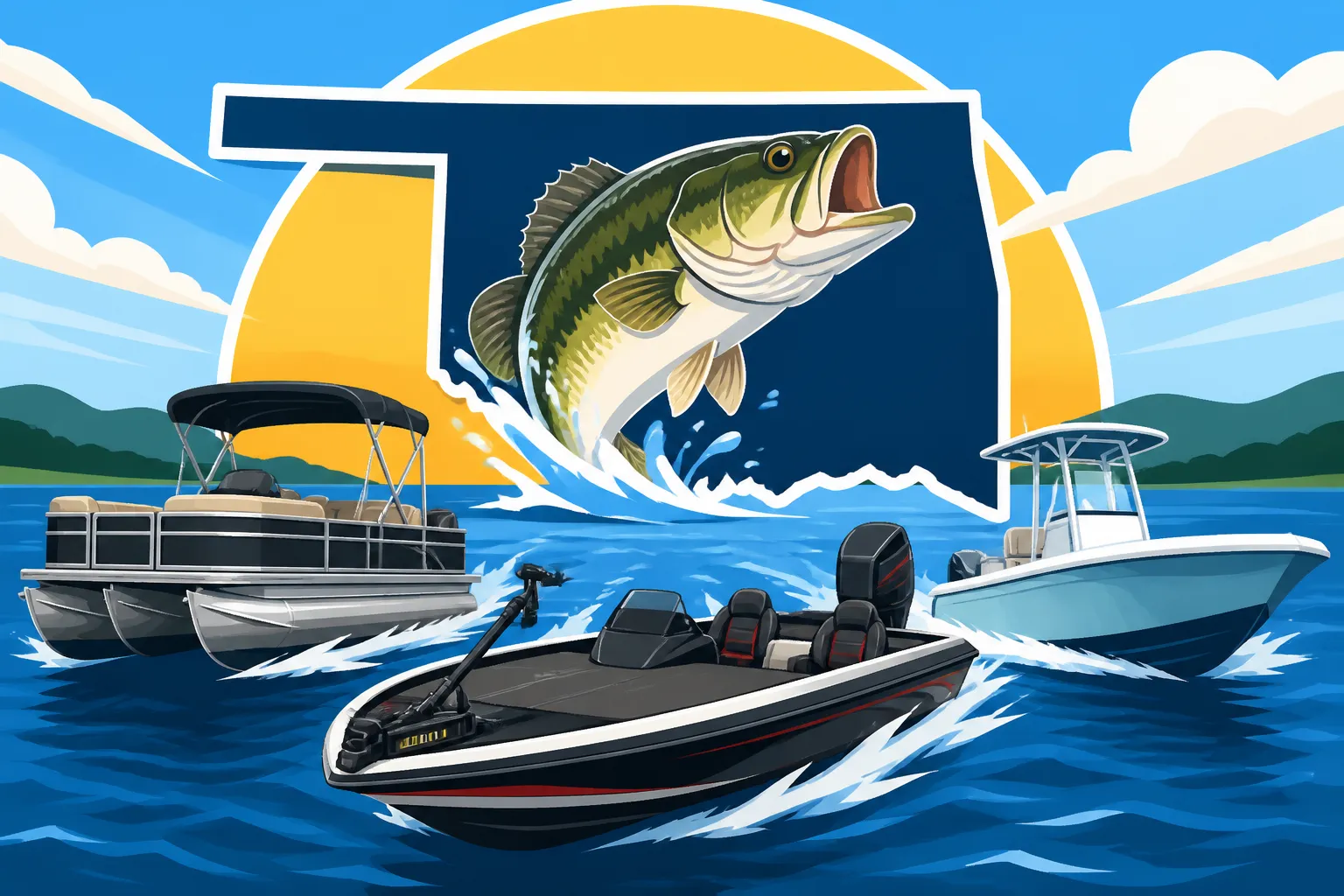
Deep-V Fiberglass Bass Boats
These are often the first boats that come to mind for serious tournament anglers, and for good reason. Brands like Ranger, Skeeter, and Nitro are staples, designed for speed and performance. Their deep-V hulls are engineered to slice through choppy water, providing a relatively dry and smooth ride even when the wind whips up the main lake. This is crucial when you need to make long runs across Grand Lake O' the Cherokees Bass Fishing Guide in a tournament, shaving minutes off travel time to maximize fishing time. The powerful outboards they carry mean you can cover significant distance quickly, essential for navigating Grand Lake's vastness.
Beyond speed, these boats are purpose-built for bass fishing. They feature large casting decks, ample rod storage (often capable of holding 10-foot rods or longer), multiple livewells with aeration systems to keep your catch healthy, and integrated electronics mounting options. The stability they offer at speed and while fishing in mild chop is impressive. However, this performance comes with a higher price tag, and they typically require more horsepower, meaning higher fuel consumption. While excellent for bass, their lower freeboard (the height from the waterline to the deck) can sometimes feel less secure in truly rough conditions compared to other boat types, and they may not be as comfortable for multi-species fishing if you need to stand and jig deep water for crappie for extended periods.
Multi-Species Boats (Walleye/Bay Style)
Increasingly popular on large reservoirs, multi-species boats, often resembling walleye boats or smaller bay boats, offer a fantastic compromise for Grand Lake. Manufacturers like Lund, Alumacraft, and Crestliner build these with deeper hulls and higher gunwales (sides) than traditional bass boats, providing a much dryer and more secure ride in rougher conditions. This higher freeboard is a major advantage when dealing with unexpected waves or the wakes from large cruisers that frequent Grand Lake. They tend to have more open cockpits and convertible seating, making them more family-friendly and versatile for different fishing styles.
Multi-species boats excel at trolling, jigging, and drift fishing for species like crappie, catfish, and even the occasional white bass run. Their layouts often include multiple rod holders, a variety of seating options, and plenty of space for coolers and gear. While they might not offer the pure top-end speed of a dedicated bass boat, their comfort and stability often make up for it on long, choppy runs. They typically feature powerful trolling motors and advanced electronics, similar to bass boats, making them effective fishing platforms. The trade-off might be slightly less dedicated casting deck space than a pure bass boat, but for an angler who targets a variety of species or brings family along, they are an outstanding choice. You can often find great deals on accessories for these types of boats through retailers like Bass Pro Shops or online at Amazon.
Aluminum Jon Boats (Larger, Modified V-Hull)
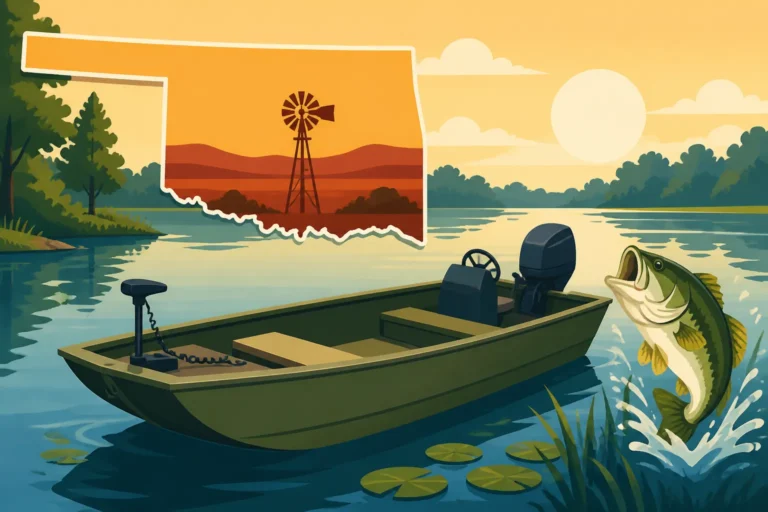
When we talk about "Jon boats" for Grand Lake, we're not picturing the small, flat-bottomed boats typically used for duck hunting in a swamp. We're referring to larger, more robust aluminum boats, often with a modified V-hull, that are built for bigger waters. Brands like Xpress, Lowe, and Crestliner offer aluminum boats that are significantly more substantial than their smaller pond-fishing cousins. These boats offer an attractive option for anglers looking for durability, lighter weight, and a lower price point than fiberglass.
The modified V-hull design helps them cut through chop better than a flat bottom, though they won't ride as smoothly as a deep-V fiberglass boat. They are incredibly tough, able to withstand bumps and scrapes that might damage fiberglass, which is a plus around Grand Lake's often rocky shorelines and shallow spots. Their lighter weight means they can be towed by smaller vehicles and are generally more fuel-efficient. While they might not have the luxurious finishes of fiberglass boats, many modern aluminum boats come packed with fishing features: large livewells, ample storage, and powerful outboard options. For anglers who value practicality, durability, and a more accessible price, a well-equipped aluminum V-hull or modified V-hull Jon boat can be a capable performer on Grand Lake, especially if you're mindful of extremely rough conditions.
Center Console Boats
While often associated with saltwater fishing, smaller to mid-sized center console boats are gaining traction on large freshwater lakes like Grand Lake for their incredible versatility and open-water prowess. Their design, with the console centrally located, allows for 360-degree fishability, which is fantastic when chasing schooling fish or drifting for catfish. The higher freeboard, typical of center consoles, means they handle rough water exceptionally well, keeping occupants dry and comfortable even in significant chop.
These boats usually have deep-V hulls, providing a very soft ride. They offer plenty of open deck space, which can be configured for various uses, from multiple anglers casting to setting up portable livewells or coolers. Many come with powerful outboards, making long runs across Grand Lake a breeze. While they might not have the dedicated bass fishing features like vast, integrated rod lockers of a traditional bass boat, many anglers customize them with rod holders, electronics, and shallow-water anchors to suit their freshwater needs. Their stability, dry ride, and open layout make them an excellent choice for anglers who prioritize safety, comfort, and the ability to fish a wide range of techniques across Grand Lake's vast open water.
| Boat Type | Primary Strength | Rough Water Handling | Speed Capability | Fuel Efficiency (relative) | Typical Cost Range | Best For |
|---|---|---|---|---|---|---|
| Deep-V Fiberglass Bass Boat | Speed, Bass-specific features, Smooth ride | Good | High | Moderate | Higher | Serious bass anglers, tournaments, long fast runs |
| Multi-Species (Walleye/Bay) | Versatility, Dry ride, Family-friendly | Excellent | Moderate-High | Good | Mid-Higher | All-around anglers, families, diverse species, comfort in chop |
| Aluminum Jon (Mod-V) | Durability, Lighter weight, Value | Fair-Good | Moderate | Excellent | Lower-Mid | Budget-conscious, practical anglers, mixed terrain, durability |
| Center Console | 360-degree fishability, Dry ride, Stability | Excellent | Moderate-High | Moderate | Mid-Higher | Multi-species, family use, rough water comfort, open deck space |
Key Features to Prioritize in a Grand Lake Fishing Boat
Once you've narrowed down the type of boat, it's critical to dive into the specific features that will truly make a difference when you're out on Grand Lake. Ignoring these details can lead to buyer's remorse, or worse, an unsafe situation.
Hull Design and Length for Stability and Ride
The hull is the foundation of your boat's performance, especially on a lake as dynamic as Grand. For Grand Lake's open water, you'll want to pay close attention to the deadrise angle – the angle of the hull at the transom. A higher deadrise (think 18-24 degrees) translates to a deeper V, which helps the boat cut through waves rather than slap on top of them. This provides a softer, more comfortable, and drier ride in chop, which you'll appreciate on those long runs from one end of the lake to the other. Conversely, a shallower deadrise means a flatter hull, offering more stability at rest but a harsher ride in rough water.
Boat length and beam (width) also play significant roles. Generally, longer and wider boats offer more stability and can handle rougher conditions better. A longer boat can bridge multiple wave crests, reducing pounding, while a wider beam increases initial stability, making it feel more secure when moving around the deck. While a 17-foot boat might suffice for smaller coves, you'll likely want something in the 19-to-22-foot range, or even longer, for consistent comfort and safety on Grand Lake's main body. The extra length and width dramatically improve the ride quality and provide more usable space for gear and fellow anglers.
Engine Horsepower and Fuel Efficiency
Given the vast distances you might cover on Grand Lake, your engine choice is paramount. You need enough horsepower to safely and efficiently get across the lake, even in less-than-ideal conditions. An underpowered boat will struggle against current and wind, burn more fuel trying to maintain speed, and potentially leave you feeling vulnerable if you need to outrun a sudden storm. Most boats suited for Grand Lake's open water will benefit from outboards in the 150-horsepower range and up, depending on the boat's size and weight.
However, sheer power isn't the only factor; fuel efficiency is also a major consideration. Modern four-stroke outboards from brands like Mercury, Yamaha, and Suzuki offer excellent power-to-weight ratios and impressive fuel economy compared to older two-strokes. You'll be making long runs, and fuel costs can add up quickly. Consider the size of the fuel tank as well – a larger tank means fewer trips to the gas pump, allowing you to spend more time Planning a Trip Around Oklahoma's Two Free Fishing Days or any other day you choose to fish. Before making a purchase, always check the manufacturer's recommended horsepower range and compare performance data.
Storage and Deck Space
Any serious angler knows that fishing gear can accumulate rapidly. On Grand Lake, where you might be targeting multiple species or carrying equipment for an all-day excursion, ample, well-designed storage is non-negotiable. Look for boats with generous, lockable rod lockers that can accommodate various rod lengths, including those longer ones used for crappie or even specific bass techniques. Dry storage compartments are essential for keeping electronics, safety gear, extra clothing, and snacks safe from spray and rain.
Deck space dictates how comfortably you can move around, cast, and manage fish. Large, open casting decks on both the bow and stern are ideal for bass anglers, allowing for unhindered movement. For multi-species anglers, a more open cockpit might be preferred for versatile seating arrangements and easier access to the water's edge for netting fish or running lines. Don't forget the livewell capacity. If you plan to keep your catch or participate in tournaments, adequate livewell size with robust aeration and recirculation systems is crucial for keeping fish healthy. You want to ensure your livewell is not just big enough but also properly insulated and designed to minimize stress on the fish.
Electronics and Trolling Motor Integration
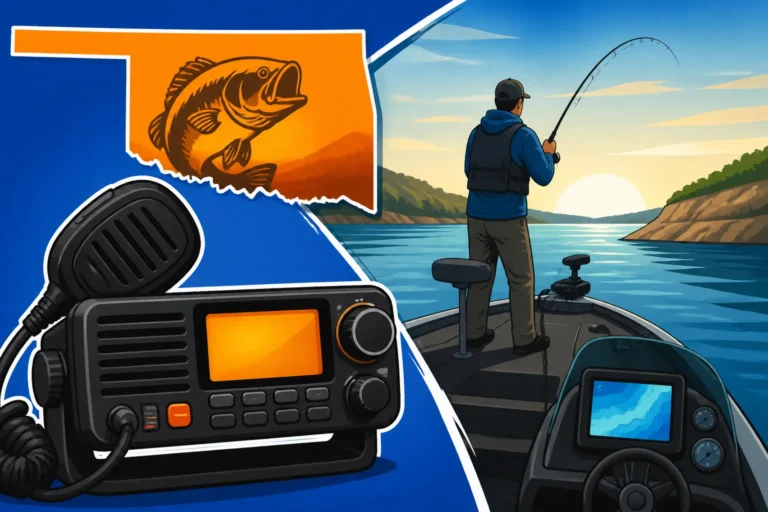
In today's fishing world, advanced electronics are no longer a luxury but a necessity, especially on a lake as vast and complex as Grand. A high-quality fish finder with features like side imaging, down imaging, and 2D sonar can literally show you the structure, cover, and fish below and around your boat. Brands like Garmin, Lowrance, and Humminbird offer systems that can map the lakebed, mark waypoints, and help you stay on schools of fish. Consider multi-function displays that integrate GPS navigation, essential for safely navigating Grand Lake's expansive waters, especially when fog rolls in or you're running at night. Best Fish Finder Features That Matter Most on Oklahoma Reservoirs details what to look for.
A reliable trolling motor is equally important. For open water and wind-prone areas, a powerful 24-volt or 36-volt trolling motor with a thrust rating of at least 80 lbs, if not more, is highly recommended. Features like GPS-guided spot-lock technology (e.g., Minn Kota's i-Pilot or Lowrance's Ghost) are game-changers, allowing you to hold your boat precisely over a fishing spot regardless of wind or current, freeing you up to focus on fishing. Remote controls and foot pedals offer versatile operation. Proper integration of these systems, including dedicated battery compartments and charging systems, will make your life on the water much easier and more productive.
Important Considerations Beyond the Boat Itself
Choosing the right boat for Grand Lake goes beyond the vessel itself. There are practical, logistical, and financial factors that will heavily influence your overall experience and ownership. Overlooking these details can lead to unexpected costs or headaches down the line.
Trailerability and Launching
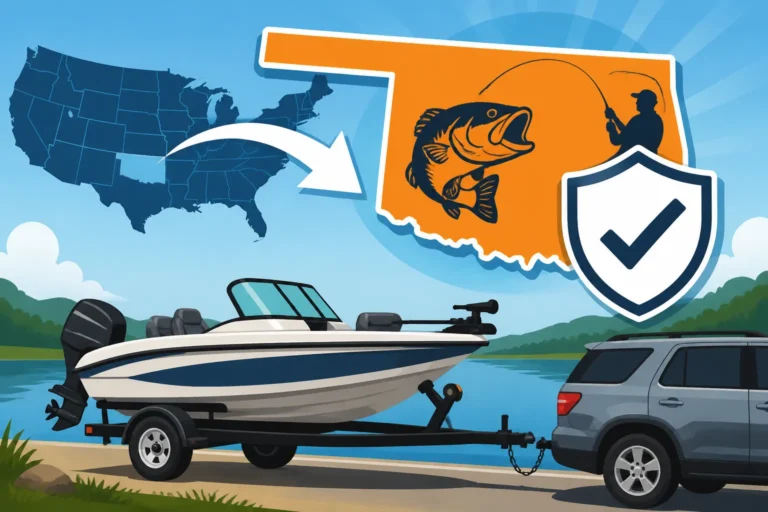
It's one thing to own a fantastic boat, and another entirely to get it to and from the water. For Grand Lake, which has many excellent ramps but also some that can be steep or busy, trailerability is a major consideration. Your towing vehicle needs to be capable of safely pulling the boat and trailer combination, which can weigh several thousand pounds for larger fishing boats. Check your vehicle's towing capacity and ensure your trailer has proper brakes. Also, remember to get your Oklahoma Boat Registration and Titling Rules Explained in order promptly after purchasing.
The trailer itself should be well-maintained, with good tires, working lights, and reliable bearings. Frequent launching and retrieving at different ramps means your trailer will take a beating. Consider features like swing-away tongues for easier storage, and guide poles for simpler loading, especially if you often launch solo. Grand Lake ramps, like those at Bernice State Park or Elk River, can be busy on weekends, so having a boat and trailer setup that makes launching and retrieving efficient will save you a lot of frustration. Knowing Boat Ramp and Trailer Tips for Oklahoma's Big Lakes can make a huge difference in your stress levels.
Maintenance and Durability
A boat is a significant investment, and like any investment, it requires ongoing care. Maintenance is not just about keeping your boat looking good; it's about preserving its performance, safety, and longevity. Freshwater environments like Grand Lake are generally less harsh than saltwater, but regular cleaning, engine servicing, and checks of your electronics and electrical systems are still crucial. Fiberglass boats require waxing and gel coat repair, while aluminum boats benefit from periodic checks for rivets or welds and protection against corrosion.
Durability varies significantly between boat materials and construction quality. High-quality fiberglass boats are built to last decades with proper care, offering a solid, quiet ride. Aluminum boats are incredibly tough against impacts and can be more forgiving if you accidentally bump a dock or submerged stump. When researching, look into the manufacturer's warranty and reputation for build quality. Investing in a durable boat that holds up to the rigors of Grand Lake's open water will save you money and headaches in the long run. Don't forget about securing your boat properly after each trip to protect it from the elements.
Budget and Resale Value
Let's be realistic: boats are not cheap, and the price tags on models well-suited for Grand Lake's open water can be substantial. Establishing a clear budget upfront is paramount, and remember to factor in not just the initial purchase price, but also ongoing costs like insurance, fuel, maintenance, storage, and accessories (think Best Rods for Oklahoma Largemouth Bass, tackle, and safety gear). Don't forget that a powerful engine and advanced electronics add significantly to the overall cost.
While it's easy to get caught up in the excitement of a new boat, also consider its resale value. Reputable brands with a history of quality construction tend to hold their value better. A well-maintained boat from a popular manufacturer will be much easier to sell down the road if your needs change or you decide to upgrade. Doing your homework on different brands and models can help you make a financially sound decision, ensuring you get the most out of your investment while enjoying years of fishing on Grand Lake. Sometimes, opting for a slightly higher-quality boat initially can save you money in depreciation and repairs over time.
Preparing Your Boat for Grand Lake's Open Water
Once you've made your selection and brought your ideal boat home, the next crucial step is to properly prepare and outfit it for the specific demands of Grand Lake. It's not just about having the right vessel; it's about making sure it's ready for anything the lake throws at you.
Safety Equipment Essentials
This is paramount. Grand Lake is large, and conditions can change rapidly. Don't ever compromise on safety equipment. First and foremost, you and everyone on board must have a Coast Guard-approved Personal Flotation Device (PFD) that fits properly. For children 12 and under, wearing a PFD at all times while the boat is underway is not just a good idea, it's the law in Oklahoma. Even adults should consider wearing one, especially in rough water or during cold weather. If you're looking for PFDs, retailers like Bass Pro Shops or online platforms like Amazon offer a wide variety to choose from. Oklahoma Life Jacket and PFD Rules for Boaters is a must-read for all lake-goers.
Beyond PFDs, your boat needs other essential items:
- Fire Extinguisher: A marine-rated fire extinguisher, easily accessible, is required and crucial for addressing engine fires or electrical issues.
- Sound-Producing Device: A whistle, horn, or bell to signal other boats, especially in fog or low visibility.
- Visual Distress Signals: Flares or a flag for day and night use, to signal for help in an emergency.
- Paddle or Oars: Even with a reliable engine, a backup means of propulsion can be a lifesaver if you have engine trouble.
- Anchor and Line: An appropriately sized anchor for your boat, with enough line to hold you securely in varying depths and currents.
- First Aid Kit: Accidents happen, and a well-stocked first aid kit can address minor injuries on the water.
- Throwable Flotation Device: A Type IV throwable device, like a cushion or ring buoy, is required for boats 16 feet and longer.
Review the Oklahoma Boat Safety Equipment Checklist to ensure you're fully compliant and prepared. A few moments spent ensuring you have all your safety gear can make all the difference in an emergency.
Outfitting for Specific Species or Techniques
Grand Lake offers such diverse fishing that you'll want to outfit your boat to match your primary targets. While a general setup might get you by, tailoring your gear will significantly improve your success.
- For Bass Fishing: If largemouth, smallmouth, or spotted bass are your main quarry, ensure your boat has ample rod storage for multiple rigs, perhaps specifically for Bass Fishing Techniques by Season like cranking, flipping, or topwater. High-definition electronics for mapping structure and spotting brush piles are crucial. A powerful bow-mount trolling motor with GPS anchor lock is almost indispensable for staying on those key spots. Make sure your livewells are optimized for keeping bass healthy if you're practicing catch-and-release or competing in tournaments.
- For Crappie Fishing: Crappie anglers might add multiple rod holders, often "spider rigging" setups, to fish several lines at once. Portable livewells or insulated cooler systems are popular for keeping crappie fresh. Smaller, sensitive electronics can be key for pinpointing submerged timber and brush where crappie congregate. Consider a shallow-water anchor system if you often fish docks or shallow brush.
- For Catfish Fishing: Catfish anglers on Grand Lake might focus on a robust anchoring system to hold steady in current or wind. Rod holders designed for heavy catfishing rods are a must. Plenty of cooler space for bait and keeping large fish fresh is also critical. Look for areas with open deck space for managing large fish and bait buckets.
- For Striped and White Bass: For open-water schooling fish, high-speed trolling motors might be less crucial than powerful outboard engines for covering ground quickly. Large livewells can keep a good supply of live bait, and expansive deck space allows for multiple anglers to cast simultaneously when the bite is on. Deep-V hulls will be appreciated when chasing these fish across choppy open water.
Each species and technique brings its own demands, so think about what you fish most often and equip your boat accordingly.
Navigating Grand Lake's Waterways
With 46,000 acres, Grand Lake has plenty of open water, but it also has numerous coves, channels, and sometimes, shallow areas. Having up-to-date charts and a reliable GPS system on your boat is not just a convenience, it's a necessity. Modern fish finders often integrate GPS mapping, providing detailed contours, navigation markers, and allowing you to save your favorite fishing spots and safe routes.
Be mindful of navigation markers, especially when running at speed. The "red, right, returning" rule applies to buoy systems, guiding you in and out of river channels. Pay attention to no-wake zones near marinas, swimming areas, and residential shorelines. Understanding common courtesy on the water, like giving way to smaller vessels or anglers, and maintaining safe distances, contributes to everyone's enjoyment. Always keep an eye on the weather; a sudden storm can turn the lake into a treacherous place very quickly. Being prepared with both your boat's capabilities and your own knowledge of Grand Lake's unique characteristics will ensure many safe and successful days on the water.
Disclaimer
This article is for general informational purposes only and does not constitute professional advice. Laws, prices and regulations vary by location and change over time. Consult a qualified professional for guidance on your specific situation.