Life Jacket Rules for Kids 12 and Under on Oklahoma Boats
One of the biggest worries for any parent or guardian taking children out on the water in Oklahoma is making sure everyone stays safe, especially the little ones. It can feel like there are so many rules to remember, and navigating the specifics of life jacket requirements for children can be confusing and a source of real anxiety. This guide is here to break down exactly what Oklahoma law says about kids aged 12 and under and their life jackets, helping you ensure a safe and enjoyable boating experience for the whole family.
Understanding Oklahoma's Core Life Jacket Law for Kids
When you're out enjoying Oklahoma's beautiful lakes and rivers, safety is paramount, and for children, there's a very clear rule designed to protect them. It’s not just a suggestion; it’s a legal requirement that carries significant weight, and understanding it fully is the first step toward peace of mind on the water.
The "Wear It" Rule: Age 12 and Under
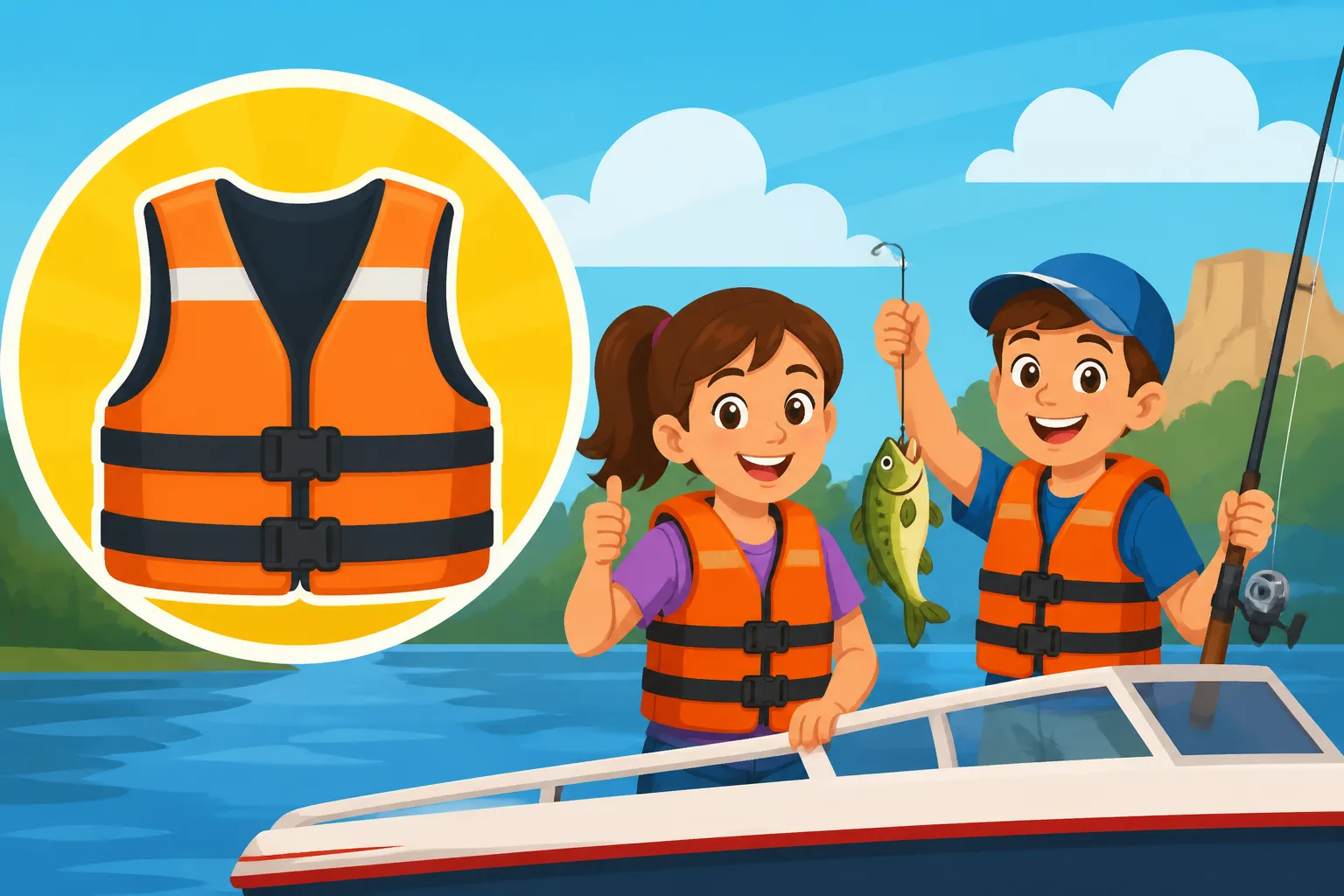
Oklahoma law is pretty straightforward on this point: any child 12 years of age or younger must wear a U.S. Coast Guard approved life jacket at all times while on board any vessel that is underway. "Underway" means the boat isn't anchored, moored, or aground. If you're drifting, paddling, or even just moving slowly through the water, that life jacket needs to be on your child and properly fastened. This isn't one of those rules where you can have it stowed under the seat or tossed in a locker. It must be worn.
This rule applies whether you're fishing for crappie on Lake Eufaula, cruising for bass on Grand Lake O' the Cherokees, or just taking a leisurely boat ride on Lake Murray. There's no wiggle room here. As a parent, you've probably faced the struggle of getting a child to wear something they don't want to, but when it comes to a life jacket on the water, it's non-negotiable. It's about their immediate safety and your legal responsibility. You might find yourself checking Oklahoma Life Jacket and PFD Rules for Boaters for a broader overview of all life jacket requirements, but this specific age group is always a priority.
Why This Rule Exists: Safety First
The "wear it" rule for young children isn't arbitrary; it's born from countless tragic incidents where a simple piece of safety equipment could have made all the difference. Children, especially those 12 and under, are particularly vulnerable on the water. They often lack the swimming skills, strength, and quick decision-making abilities of adults. Even strong swimmers can be overwhelmed by unexpected waves, a sudden capsize, or falling overboard into cold water.
Imagine a scenario: you're out on Fort Gibson Lake, enjoying a sunny afternoon. Suddenly, your boat hits an unexpected wake from a passing cruiser, and a small child, unrestrained and not wearing a life jacket, is thrown from the boat. In that split second, panic can set in, and locating a child in the water, especially if they're not a strong swimmer or are stunned, becomes incredibly difficult. A properly fitted life jacket keeps their head above water, providing precious time for rescue and dramatically increasing their chances of survival. This law truly protects the most precious cargo on your boat.
What Counts as a "Life Jacket" in Oklahoma?
It's not enough to just put any flotation device on your child. Oklahoma's law, like most boating regulations, specifies that the life jacket must meet certain criteria to be considered legal and effective. Understanding these details is crucial for both compliance and genuine safety.
Coast Guard Approved is Key
The most important aspect of any life jacket you use for a child in Oklahoma is that it must be a U.S. Coast Guard (USCG) approved personal flotation device (PFD). This approval means the device has met rigorous safety standards for buoyancy, construction, and performance. You'll typically see a stamp or label on the inside of the life jacket indicating its USCG approval and listing its "Type." These types are designed for different uses:
- Type I (Off-Shore PFD): Best for open, rough, or remote waters where rescue may be delayed. They provide the most buoyancy and are designed to turn an unconscious person face-up in the water.
- Type II (Near-Shore Buoyancy Vest): Good for calm, inland waters where there's a good chance of quick rescue. They might turn an unconscious person face-up, but it's not guaranteed.
- Type III (Flotation Aid): Also good for calm, inland waters and quick rescue. Designed for general recreational use, they typically offer more comfort but require the wearer to actively turn themselves face-up.
- Type V (Special Use Device): Designed for specific activities like kayaking, windsurfing, or work vests. They must be worn to be considered legal and often incorporate features for the specific activity. Some Type V PFDs provide additional features like inflatable chambers, but again, they must be worn for specific uses to count as legal.
When you're browsing options, whether online at Amazon or in person at Bass Pro Shops, always look for that USCG approval stamp. It's your assurance that the device meets the necessary safety benchmarks. Knowing these details is part of understanding Coast Guard Approved Life Jacket Requirements for Oklahoma Boaters.
Sizing and Fit for Young Anglers
Even a USCG-approved life jacket is useless if it doesn't fit correctly. This is particularly vital for children, who come in all shapes and sizes, and grow incredibly quickly. A life jacket that's too big can ride up around their ears, potentially slipping off or failing to keep their head out of the water. One that's too small won't provide adequate buoyancy and will be uncomfortable.
To check for a proper fit:
- Buckle it up: Ensure all zippers and buckles are fastened snugly.
- Lift test: Grasp the life jacket at the shoulders and gently lift. If the jacket rides up above your child's ears or chin, it's too large. There should be no excessive room, but it shouldn't be so tight that it restricts breathing or movement.
- Encourage movement: Have your child move their arms and sit down (if possible) to ensure the jacket doesn't chafe or become overly uncomfortable during typical boating activities.
It’s tempting to buy a size up for kids "to grow into," but with life jackets, that's a dangerous mistake. Always choose a jacket that fits them now. If you're taking a 10-year-old on your boat, you'll need to know the specific fit requirements, similar to what you'd learn about Life Jacket Rules for a 10 Year Old on an Oklahoma Boat. Kids change quickly, so check the fit every season.
Exemptions and Specific Scenarios
While the general rule for kids 12 and under to wear a life jacket is quite strict, there are a few scenarios where the "wear it" requirement might not apply. However, even in these instances, it’s always wise to prioritize safety above legal minimums.
When the Rule Doesn't Apply (And Why You Should Still Consider One)
Oklahoma law does provide one primary exception to the "wear it" rule for children 12 and under: they are not required to wear a life jacket if they are within an enclosed cabin or below deck on a vessel. An "enclosed cabin" means a space that is structurally enclosed by bulkheads and a roof, typically found on larger cruisers or houseboats. If your child is safely inside such a space, they don't have to have the life jacket on.
However, just because it's not legally required doesn't mean it's the safest choice. Boating can be unpredictable. A sudden storm, an unexpected impact, or a rapid ingress of water could quickly turn a safe cabin into a dangerous situation. Having life jackets readily accessible, even within an enclosed cabin, is a minimum. Many seasoned boaters still encourage children to wear their PFDs, or at least keep them within arm's reach, even in these seemingly safe areas. For a family outing on an Best Boats for a Family Fishing Trip on an Oklahoma Reservoir, it’s always better to err on the side of caution.
Special Considerations: Kayaks, Canoes, and Paddleboards
The question often arises with smaller, non-powered vessels like kayaks, canoes, and stand-up paddleboards. Do the same rules apply? Yes, largely, but with nuances. The law states "any vessel that is underway." This absolutely includes kayaks, canoes, and paddleboards when they are being used.
For kids 12 and under on these types of vessels, the "wear it" rule still applies in full force. In fact, for paddle sports, many adults choose to wear their life jackets at all times too, given the higher likelihood of capsizing or falling in. While you might be wondering Do Kayaks Need to Be Registered in Oklahoma?, the registration status of the vessel doesn't change the life jacket requirement for children on board. Whether you're leisurely paddling a canoe on a quiet creek or trying your hand at Kayak Fishing Gear Guide for Oklahoma Lakes, a child under 13 must have their life jacket on and properly fastened. These vessels often offer less stability, making the life jacket even more critical.
Penalties and Enforcement for Non-Compliance
No one wants to break the law, especially when it concerns the safety of a child. It's important to understand not just the rule, but also the potential consequences if it's not followed. Game wardens and other law enforcement officials take child safety on the water very seriously.
What Happens if a Child Isn't Wearing a Life Jacket?
If a game warden or other law enforcement officer observes a child 12 years of age or younger on your boat not wearing a U.S. Coast Guard approved life jacket while the vessel is underway, you, as the operator of the vessel, can be cited for a violation. This isn't usually just a slap on the wrist. Violations of boating safety regulations can result in fines.
The officers often aim for education first, especially if it's a minor infraction or if you immediately correct the issue. However, repeat offenses or blatant disregard for the law will almost certainly lead to a citation. The specific amount of the fine can vary, but it's important to remember that it's an expense that could have been easily avoided. Understanding Fines for Boating Safety Violations in Oklahoma can give you a clearer picture of the financial implications, but the real cost, of course, is much higher than any monetary penalty.
The Larger Cost: Beyond the Fine
While a fine is certainly an unwelcome consequence, the true "penalty" of not ensuring your child wears a life jacket is far more severe and can be absolutely devastating. This rule is designed to prevent fatalities and serious injuries. The emotional toll of a child drowning or being severely injured in a boating accident is immeasurable and lasts a lifetime. No parent or guardian ever wants to face that nightmare scenario.
Beyond the immediate tragedy, there can be legal ramifications extending past a simple fine, including negligence charges in the event of a serious injury or death. This isn't meant to instill fear, but rather to underscore the profound importance of this seemingly simple safety measure. When considering if Does a 13 Year Old Need a Life Jacket on an Oklahoma Boat? – the line is drawn for a reason, and it’s always best to be completely compliant and focused on safety first. The peace of mind that comes from knowing your child is protected is truly priceless, far outweighing any perceived inconvenience of wearing a life jacket.
Choosing the Right Life Jacket for Your Child
With so many options available, picking the "right" life jacket can feel overwhelming. It's not just about compliance; it's about comfort, effectiveness, and encouraging your child to actually want to wear it.
Different Types for Different Activities
As we discussed, USCG-approved life jackets come in different "Types." For most recreational boating with children, you'll primarily be looking at Type II or Type III PFDs.
- Type II (Near-Shore Buoyancy Vest): These are often the bright orange "horse collar" style vests. They offer excellent buoyancy and are designed to turn most unconscious wearers face-up. They are a solid choice for general boating, especially for younger children or less confident swimmers. The drawback can be their bulkiness, which some children find uncomfortable.
- Type III (Flotation Aid): These are typically vests that look more like jackets, offering a greater range of motion and comfort, making them popular for active watersports or for older children who are strong swimmers. They are designed for conscious wearers who can put themselves into a face-up position. Many kids find these more comfortable and less restrictive, meaning they're more likely to keep them on without complaint.
For specialized activities, like tubing behind the boat, you might look for a Type III vest specifically designed for watersports, which often have extra durable stitching and closures. It’s a good idea to research Life Jacket Rules While Tubing Behind a Boat in Oklahoma to ensure you're making the best choice for specific activities.
Here's a quick comparison of common USCG PFD types relevant to children:
| PFD Type | Description | Best Use for Kids | Pros | Cons |
|---|---|---|---|---|
| Type I | Off-Shore PFD (most buoyant) | Open, rough waters; remote areas where rescue may be slow. | Maximum buoyancy; designed to turn unconscious wearer face-up. | Bulky; less comfortable for extended wear. |
| Type II | Near-Shore Buoyancy Vest (good for quick rescue areas) | General boating in calm, inland waters; for non-swimmers. | Good buoyancy; may turn unconscious wearer face-up. | Can be bulky; less comfortable than Type III. |
| Type III | Flotation Aid (most comfortable) | General boating; watersports; for conscious wearers. | Most comfortable; allows for better mobility; good for active kids. | Requires conscious effort to turn face-up; less buoyancy than Type I. |
| Type V | Special Use Device (requires specific wear) | Specific activities like kayaking or wakeboarding. | Designed for particular activities; can offer specialized features. | Must be worn for specific use to be legal. |
You can often find a wide array of options and detailed sizing charts on retailer websites like Amazon, which allow you to filter by USCG approval and PFD type. Alternatively, a visit to a Bass Pro Shops store allows for hands-on fitting and expert advice, which is invaluable when selecting for children.
Comfort, Color, and Practical Features
Getting a child to wear a life jacket consistently often comes down to comfort and appeal. A life jacket that pinches, chafes, or restricts movement too much will be a constant battle. Look for features that enhance comfort:
- Adjustable straps: Make sure there are multiple adjustment points (shoulders, waist, crotch strap for younger kids) to get a snug, customized fit.
- Soft materials: Modern life jackets often use softer, less bulky foams and fabrics that are more comfortable against the skin.
- Ventilation: Some vests offer mesh panels or designs that allow for better airflow, especially important during Oklahoma's hot summers.
Beyond comfort, consider colors and additional features. Bright, fluorescent colors (like orange, lime green, or yellow) significantly increase visibility in the water, which is critical for quick spotting in an emergency. Many children's life jackets also come with:
- Grab handles: On the back, making it easier to pull a child from the water.
- Whistles: For attracting attention in an emergency.
- Reflective tape: For added visibility, especially during dawn, dusk, or nighttime boating.
Involving your child in the selection process, letting them pick a color or design they like, can go a long way in reducing resistance to wearing it. It's a small investment in their comfort that pays huge dividends in safety and compliance.
Encouraging a Culture of Safety on the Water
Making sure kids wear their life jackets is just one piece of the puzzle. Instilling a broader understanding and appreciation for water safety creates a holistic culture that protects everyone on board.
Leading by Example
Children are incredibly observant, and they learn best by watching the adults around them. If you, as the parent or guardian, consistently wear a life jacket while on the boat, especially when moving, your child is much more likely to accept it as a normal and necessary part of boating. It shows them that safety isn't just for kids; it's for everyone.
Think about it: if you're asking your 8-year-old to wear a vest, but you're not wearing one yourself, it sends a mixed message. Modeling safe behavior extends beyond just life jackets. It includes things like adhering to speed limits, avoiding alcohol while operating a boat, and having a general respect for the power of the water. For a comprehensive overview of how to stay safe, it's always a good idea to check out a Safety Gear Checklist for Oklahoma Boaters. When adults set the standard, children naturally follow suit, making safety a shared value rather than a resented rule.
Teaching Kids About Water Safety Beyond Life Jackets
While life jackets are critical, they are just one component of overall water safety. Use your time on the boat as an opportunity to teach your children about other important aspects of staying safe:
- Swimming skills: Enroll them in swimming lessons and encourage them to become strong, confident swimmers. This is a foundational life skill.
- Buddy system: Teach them never to go near the water alone and to always have a "buddy."
- Understanding boating rules: Explain basic rules of the road on the water, like staying clear of other boats, understanding buoys, and how to act safely while on board (e.g., staying seated when the boat is moving).
- Weather awareness: Talk about how weather can change quickly on the water and why it's important to monitor conditions.
By combining the mandatory "wear it" rule for life jackets with broader water safety education and by consistently modeling responsible behavior yourself, you create an environment where your children not only stay safe but also grow up to be responsible and knowledgeable boaters themselves. These lessons are priceless and will serve them well throughout their lives, whether they're fishing for bass, cruising with family, or simply enjoying the beauty of Oklahoma's waters.
Disclaimer
This article is for general informational purposes only and does not constitute professional advice. Laws, prices and regulations vary by location and change over time. Consult a qualified professional for guidance on your specific situation.