Best Boat for Grand Lake’s Rocky Shoreline
Anyone who's spent a fair amount of time fishing Grand Lake O' the Cherokees knows that while it's an absolutely incredible fishery, its rocky shoreline can be a real headache. From hidden stumps to shallow shelves that can sneak up on you in an instant, navigating these waters requires a boat that's built for the challenge. This guide will help you understand what kind of vessel and features will make your Grand Lake fishing trips safer and more enjoyable, especially when you're trying to get into those prime, hard-to-reach spots.
Understanding Grand Lake's Unique Challenges
Grand Lake isn't just any large reservoir; it's a dynamic body of water with characteristics that demand specific boat considerations. If you've ever cringed hearing your prop scrape something unseen or watched your depth finder suddenly drop from 20 feet to 2 feet, you know exactly what I'm talking about.
The Nature of Grand Lake's Shoreline: Rocks, Stumps, and Shallowness
Much of Grand Lake, especially in its upper arms and countless coves, is characterized by its infamous rocky shoreline. We're not just talking about gentle slopes of gravel; we're talking about jagged rocks, submerged boulders, and old, gnarly stumps that lie just beneath the surface, waiting to snag an unsuspecting lower unit. These features are often remnants from the lake's creation, or simply natural rock formations. When you're trying to get close to the bank to fish a particular structure, these hazards become very real threats. It's a common frustration for anglers who want to explore those tight, productive pockets where bass and crappie often hold.
Beyond the visible dangers, there's also the element of shallowness. Many prime fishing areas aren't in deep water; they're in relatively shallow coves, creek channels, and flats where fish forage. This means you're constantly navigating depths that might be only a few feet, even in what looks like open water. A boat that drafts too deeply simply won't cut it if you want to access the best fishing Grand Lake has to offer, or if you plan on visiting one of the many Best Boat Ramps on Grand Lake, Oklahoma that might have a shallower approach.
How Water Levels Affect Shoreline Navigation
Another critical factor on Grand Lake is the fluctuating water levels. Oklahoma weather can be notoriously unpredictable, leading to significant changes in lake elevation over the course of a season, or even within a few weeks. What was once a deep, navigable channel might become a treacherous minefield of exposed rocks and stumps when the water drops a few feet. Conversely, when the water is high, those same hazards might be just barely submerged, creating even more dangerous, invisible obstacles.
Imagine you've scouted a fantastic brush pile or a rocky point during a period of higher water. You've marked it on your GPS, excited to return. But if the lake drops, that brush pile could be high and dry, or worse, the rock point you safely navigated before could now be a prop-eating monster just below the surface. This constant variability means your boat needs to be forgiving in terms of draft and durable enough to withstand accidental contact, because let's face it, even the most careful boater will eventually bump something.
The Impact of Wind and Waves on Rocky Areas
Grand Lake is a big body of water, and with big water comes big wind and waves. When a strong south wind blows across the main lake, or a storm rolls in, those waves can stack up quickly. Navigating rocky shorelines in choppy conditions amplifies the danger significantly. It's much harder to spot submerged hazards when your boat is bouncing around, and the impact of hitting a rock at speed in rough water can cause serious damage to your hull and lower unit, not to mention a wild ride for everyone on board.
For this reason, a boat designed for Grand Lake's rocky edges needs to offer a balance: shallow-water access combined with enough hull integrity and design to handle main lake chop when you need to cross open water to get to your next spot. You're constantly weighing the desire for stability and comfort on the open lake against the necessity of accessing those tight, rocky coves. This is why many anglers seeking to specifically fish Grand Lake's more rugged parts often opt for certain hull types and propulsion systems.
Key Boat Features for Rocky Waters
When selecting a boat for Grand Lake's challenging, rocky shorelines, you're looking for a blend of durability, maneuverability, and shallow-water performance. It’s not just about getting to the fish, but getting back without major issues.
Hull Design and Material Considerations
The foundation of any good boat for Grand Lake's rocky terrain starts with its hull. There's a constant debate between fiberglass and aluminum, and each has its place, but for frequent close encounters with rocks, the scales often tip in favor of durability.
- Aluminum Hulls: These are incredibly popular for a reason. Aluminum is generally lighter, more impact-resistant, and easier to repair than fiberglass when it comes to minor dings and scrapes from rocks. A heavy-gauge aluminum hull can take a serious beating, deflecting off rocks that might gouge or even crack a fiberglass hull. While a severe impact can still dent or puncture aluminum, it often fares better in shallow, rocky environments. Many anglers targeting bass in these conditions swear by aluminum bass boats. The "clanging" noise some associate with aluminum is a small price to pay for the peace of mind it offers around Grand Lake's unforgiving banks.
- Fiberglass Hulls: While some top-tier fiberglass bass boats are extremely tough, they are generally more susceptible to spider cracks, gel coat damage, and more serious structural damage from direct rock impacts. The advantage of fiberglass is often a smoother ride in rough water and a quieter hull, which can be appealing on the main lake. However, if your primary goal is to hug those rocky shorelines and venture into very shallow, hazardous areas, you might find yourself wincing more often. If you prioritize crossing large expanses of water quickly and smoothly over navigating extremely rugged shorelines, a fiberglass option might still be considered, but with added caution around the rocks.
Beyond material, hull design matters. A flat-bottomed jon boat will offer extremely shallow draft but can be very unstable and rough-riding in chop. A modified-V or semi-V hull offers a compromise, blending some shallow-water capability with improved rough-water performance, which is often ideal for Grand Lake where you transition between calm coves and open water.
Shallow Water Capability
To truly conquer Grand Lake's rocky shores, your boat needs to operate effectively in minimal depths. This isn't just about avoiding rocks; it's about getting into those backwater pockets where fish often hide.
- Shallow Draft: This is paramount. The less water your boat needs to float, the more places you can go. Jon boats, especially those with tunnel hulls, are champions of shallow draft, but they sacrifice comfort and speed. Modified-V aluminum boats strike a better balance, still drafting relatively shallow for their size while providing a more comfortable ride. Look for boats specifically advertised for shallow water performance.
- Power Trim and Tilt: This feature is absolutely non-negotiable for Grand Lake. Being able to quickly raise your outboard motor (trim up) to clear submerged obstacles or navigate extreme shallows is a lifesaver. You can ease your boat into very shallow water, feeling for resistance, and quickly raise the motor if you encounter something. This not only protects your prop and lower unit but also allows you to push the boundaries of where you can fish. Many modern outboards come with power trim as standard, but understanding how to use it effectively is key to fishing Grand Lake.
- Trolling Motors with Lift Systems: While not a boat feature per se, a robust trolling motor with a quick-deploy and stow system is crucial. Many advanced trolling motors from brands like Minn Kota or Lowrance offer electric lift systems that can retract the prop instantly, preventing damage in unexpected shallow spots. For exploring very shallow, rocky areas silently, your trolling motor becomes your primary propulsion, and its ability to handle bumps and scrapes, or quickly lift out of the water, is invaluable.
Propulsion and Protection
Your choice of motor and how it's protected directly impacts your ability to operate safely and effectively around Grand Lake's rock fields.
- Outboard Motors with Skeg Guards: The vast majority of boats on Grand Lake will have outboard motors. While incredibly reliable, the skeg and propeller are highly vulnerable. A skeg guard, often made of stainless steel or durable plastic, can add a layer of protection against minor bumps and scrapes. It won't save you from a full-speed impact, but it can prevent wear and tear that leads to larger problems. Always carry a spare prop, too; it's not a matter of if you'll hit something, but when on Grand Lake. You can find these at Bass Pro Shops or easily order them from Amazon.
- Jet Drives: For the ultimate in shallow water propulsion, some specialized boats come equipped with jet drives. Instead of a propeller, these systems suck water in and shoot it out the back, allowing the boat to operate in incredibly shallow water – literally inches. This eliminates the worry of propeller damage entirely when fishing near the rocky banks. However, jet drive boats have their downsides: they are typically less fuel-efficient, slower at top end, and can be less responsive at low speeds compared to prop-driven boats. They also require careful operation to avoid ingesting debris that can clog the intake. For pure shallow water access on Grand Lake, they are unmatched, but they represent a niche choice for most recreational anglers.
Top Boat Types for Navigating Grand Lake's Rocky Edges
Given Grand Lake's challenging, rocky environment, certain boat types rise to the top for anglers who prioritize durability and shallow-water access. Each comes with its own set of advantages and compromises.
| Boat Type | Primary Hull Material | Draft (Approx.) | Rough Water Ride | Shoreline Access | Durability (Rocky) | Best Use Case |
|---|---|---|---|---|---|---|
| Standard Jon Boat | Aluminum | Very Shallow | Poor | Excellent | Excellent | Extreme shallows, calm backwaters, tight creek arms. |
| Modified-V Jon Boat | Aluminum | Shallow | Fair-Good | Very Good | Excellent | Shallows, moderate chop, balanced access. |
| Aluminum Bass Boat | Aluminum | Shallow-Medium | Good | Very Good | Very Good | Bass fishing, shallow to mid-depth areas, moderate chop. |
| Deep-V Aluminum Boat | Aluminum | Medium | Very Good | Good | Very Good | All-around fishing, large lakes, rough conditions. |
| Fiberglass Bass Boat | Fiberglass | Medium | Very Good | Fair-Good | Fair | Open water, speed, comfort, lighter rock exposure. |
| Jet Boat (Aluminum) | Aluminum | Inches | Fair-Good | Unmatched | Excellent | Extreme shallows, rivers, heavy rock exposure. |
Jon Boats and Modified Jon Boats
These are often the unsung heroes of tough, shallow waters. A traditional jon boat is typically flat-bottomed, incredibly stable in calm water, and has a very shallow draft, making it perfect for getting into skinny water where other boats can't go. The downside? Their flat bottom makes them pound mercilessly in even moderate chop, turning a pleasant main lake crossing into a jarring experience.
However, the "modified-V" or "semi-V" jon boat offers a fantastic compromise. These boats retain much of the shallow-water capability of a flat-bottom jon boat but incorporate a slight V-hull in the bow that gradually flattens out towards the stern. This design helps cut through waves, providing a much smoother ride in choppy conditions, while still allowing for excellent shallow water access. Built from heavy-gauge aluminum, they are exceptionally tough against Grand Lake's rocky bottom. They're often less expensive than dedicated bass boats and are incredibly versatile for various types of fishing, including getting into those rocky Best Crappie Fishing Spots on Grand Lake O' the Cherokees. If your fishing mostly involves exploring those treacherous, shallow, rocky coves and creek arms, a modified-V jon boat might be your perfect match.
Aluminum Bass Boats
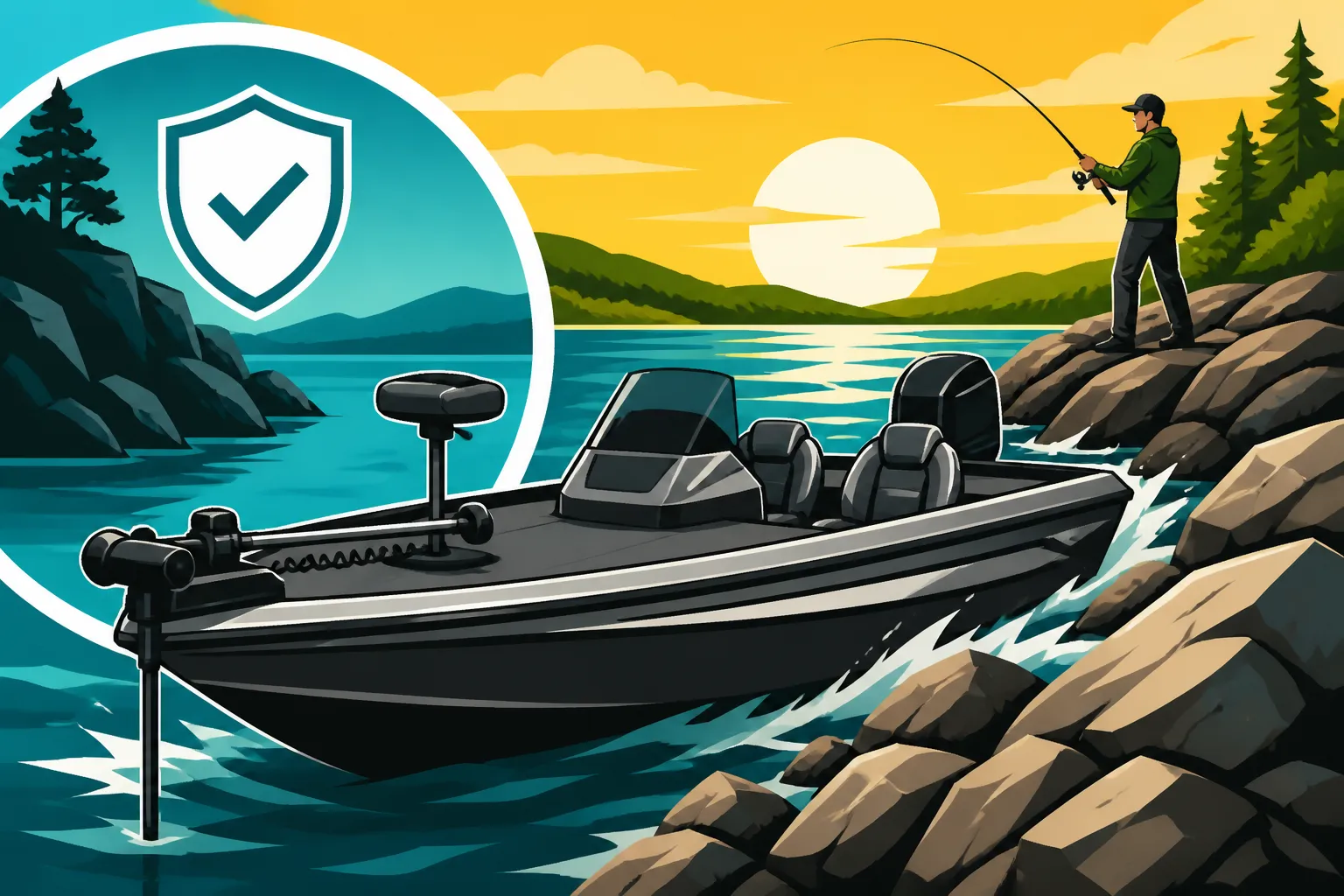
For many serious anglers on Grand Lake, an aluminum bass boat strikes an ideal balance. These boats are purpose-built for fishing, featuring casting decks, livewells, and usually come equipped with powerful outboards. Crucially, they are constructed from durable aluminum, often with a modified-V hull that allows them to run relatively shallow while still providing a decent ride in chop.
Aluminum bass boats are often lighter than their fiberglass counterparts, which can be an advantage for fuel efficiency and towing. Their robust construction means they can withstand the occasional bump against a hidden rock or stump better than most fiberglass boats. They're designed to get you quickly to your fishing spots and provide a stable platform for casting. While they might not get into quite as shallow water as a true flat-bottom jon boat, their speed, comfort, and fishing-specific features make them a strong contender for anyone who spends a lot of time chasing bass and other species around Grand Lake's diverse, and often rocky, structure.
Deep-V Aluminum Boats
While often associated with northern lakes and big water walleye or salmon fishing, deep-V aluminum boats are an often-overlooked option for lakes like Grand Lake, especially if you prioritize handling rough water and want aluminum's durability. These boats feature a pronounced V-hull that extends further back than in a modified-V, allowing them to slice through waves and provide a very smooth, dry ride even in significant chop. This can be a huge advantage when you're crossing the main lake on a windy day.
The trade-off is that they generally draw more water than a flatter-bottomed boat, meaning they can't get into the absolute skinniest backwaters. However, their robust aluminum construction still offers excellent protection against rocky impacts, and with careful use of power trim, they can still navigate many of Grand Lake's challenging areas. If your fishing style involves more open water crossings to get to specific rocky points or submerged humps, and you want maximum comfort and safety in rough conditions without sacrificing the toughness of aluminum, a deep-V aluminum boat is a serious contender.
Inflatable or Roll-Up Boats
While certainly not a primary fishing vessel for most, it's worth a mention for those seeking extreme portability and access to truly impossible-to-reach spots. Small, rigid-floor inflatable boats can be deflated, transported, and then re-inflated at remote access points that no other boat could reach. They have virtually no draft when powered by a small outboard or electric motor.
Of course, the downsides are significant: very low speed, limited capacity, and minimal protection from the elements. However, if your specific goal is to occasionally access a tiny, untouched pond or a creek mouth on Grand Lake that's only reachable by a narrow, rocky passage, an inflatable boat offers a unique, albeit specialized, solution. This is more about niche access than general fishing.
Essential Gear and Accessories for Rocky Environments
Having the right boat is only half the battle on Grand Lake's rocky terrain. Outfitting it with the right gear and accessories is equally critical for safety, efficiency, and ultimately, success on the water.
Trolling Motor with Shallow Water Anchor or Lift
A reliable trolling motor is a lifesaver on Grand Lake, especially when you're meticulously working a rocky bank or a submerged rock pile. It allows for precise boat positioning, stealthy approaches, and holding your boat against wind or current. For Grand Lake's rocky edges, look for models with:
- Spot-Lock/GPS Anchoring: Features like Minn Kota's Spot-Lock or Lowrance's Anchor mode are invaluable. They use GPS to automatically hold your boat in position, freeing you up to focus on fishing instead of constantly operating the foot pedal. This is incredibly helpful when you find a productive rock pile and want to thoroughly fish it without drifting into danger.
- Power Lift/Shallow Water Anchors: Many modern trolling motors, particularly those designed for saltwater or heavy use, come with power lift features that quickly raise the motor out of the water with the push of a button. Even better are dedicated shallow water anchor systems, like Power-Pole or Minn Kota Talon. These deploy a spike directly into the lakebed, instantly holding your boat in place. Imagine slipping into a shallow, rocky cove and hitting a good spot – with the push of a button, you're locked down, preventing you from drifting onto more rocks or having to deploy a traditional anchor. This quick deployment and retraction are crucial for fishing Grand Lake's ever-changing shallow spots.
Durable Anchoring Systems
While shallow water anchors are fantastic, you'll still need traditional anchors for deeper water or when anchoring for a longer period. For Grand Lake, don't skimp on quality.
- Heavy Box or River Anchors: These are designed to dig into various bottom compositions, including rock and mud. A heavy box anchor, which unfolds its flukes, or a robust river anchor with sharp claws, will provide a much better hold in rocky or mixed bottoms than a lightweight grappling hook anchor.
- Strong Rope and Chain: Always use marine-grade anchor rope with plenty of length – a good rule of thumb is a 7:1 scope (7 feet of rope for every 1 foot of depth) to ensure your anchor can properly set. A few feet of heavy chain between your anchor and rope will help the anchor lay flat and dig in more effectively. And speaking of safety, make sure your boat is equipped with all the Safety Gear Checklist for Oklahoma Boaters.
GPS and Mapping
In a lake full of hidden dangers and constantly changing water levels, an up-to-date GPS unit with detailed mapping is not just a convenience; it's a necessity.
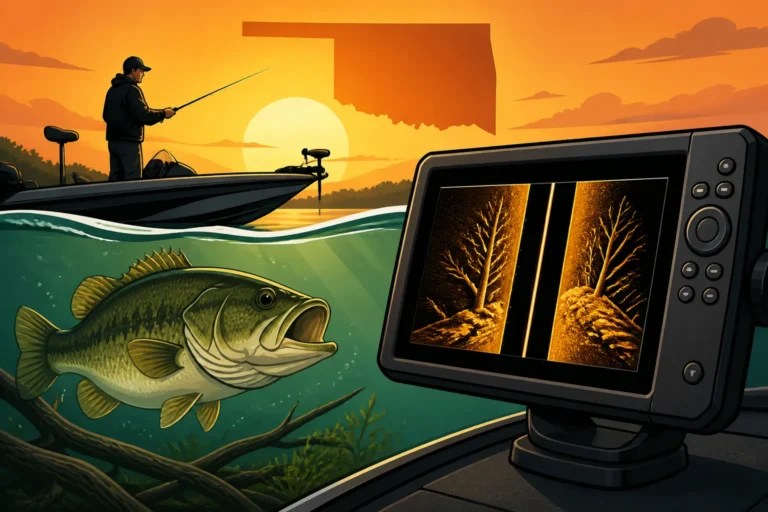
- High-Definition Lake Maps: Invest in a unit that has excellent topographic maps of Grand Lake. These maps can show contour lines, indicating drop-offs, humps, and even submerged creek channels that might reveal hidden rock formations. Knowing the underwater terrain before you get there can help you anticipate shallow spots and plan your approach.
- Waypoint Marking: Use your GPS to mark every safe passage, every known hazard, and every productive fishing spot. If you find a particularly nasty rock shelf, mark it as a hazard so you can avoid it next time. Conversely, if you navigate a tricky but safe path to a great fishing hole, mark that too! This proactive approach can save you a lot of grief (and propeller repairs) over time. Brands like Garmin, Lowrance, and Humminbird all offer excellent units with detailed mapping for Oklahoma lakes.
Propeller Protection
As mentioned earlier, hitting something is almost inevitable on Grand Lake. Taking proactive steps to protect your propeller can save you from being stranded or having to spend a fortune on repairs.
- Skeg Guard: These attachments fit over your outboard's skeg, providing an extra layer of metal or durable polymer to absorb impacts. While not indestructible, they can prevent significant damage from minor scrapes or bumps against rocks and stumps. They're a small investment compared to a new lower unit.
- Spare Propeller and Tools: Always, and I mean always, carry a spare propeller, prop wrench, and cotter pins on your boat. Changing a prop on the water is a relatively straightforward process if you have the right tools and a little practice, and it can literally save your fishing trip – or prevent you from being stranded miles from the nearest ramp. You can pick up a spare prop and the necessary tools at any reputable marine dealer or even online.
- Propeller Material: While stainless steel props offer better performance and durability than aluminum in many situations, an aluminum prop is often seen as a "sacrifice prop" on rocky lakes. If you hit something hard, the aluminum prop might be designed to shear pins or deform, protecting your expensive lower unit from more severe damage. It's a trade-off many Grand Lake anglers consider.
By combining the right boat with these essential pieces of gear, you'll be much better equipped to explore the beautiful, productive, yet challenging, rocky shorelines of Grand Lake O' the Cherokees. Getting into those tight spots can lead to some incredible fishing, and with the right setup, you can do it with confidence.
Disclaimer
This article is for general informational purposes only and does not constitute professional advice. Laws, prices and regulations vary by location and change over time. Consult a qualified professional for guidance on your specific situation.