Fine for Not Having a Life Jacket on Board in Oklahoma
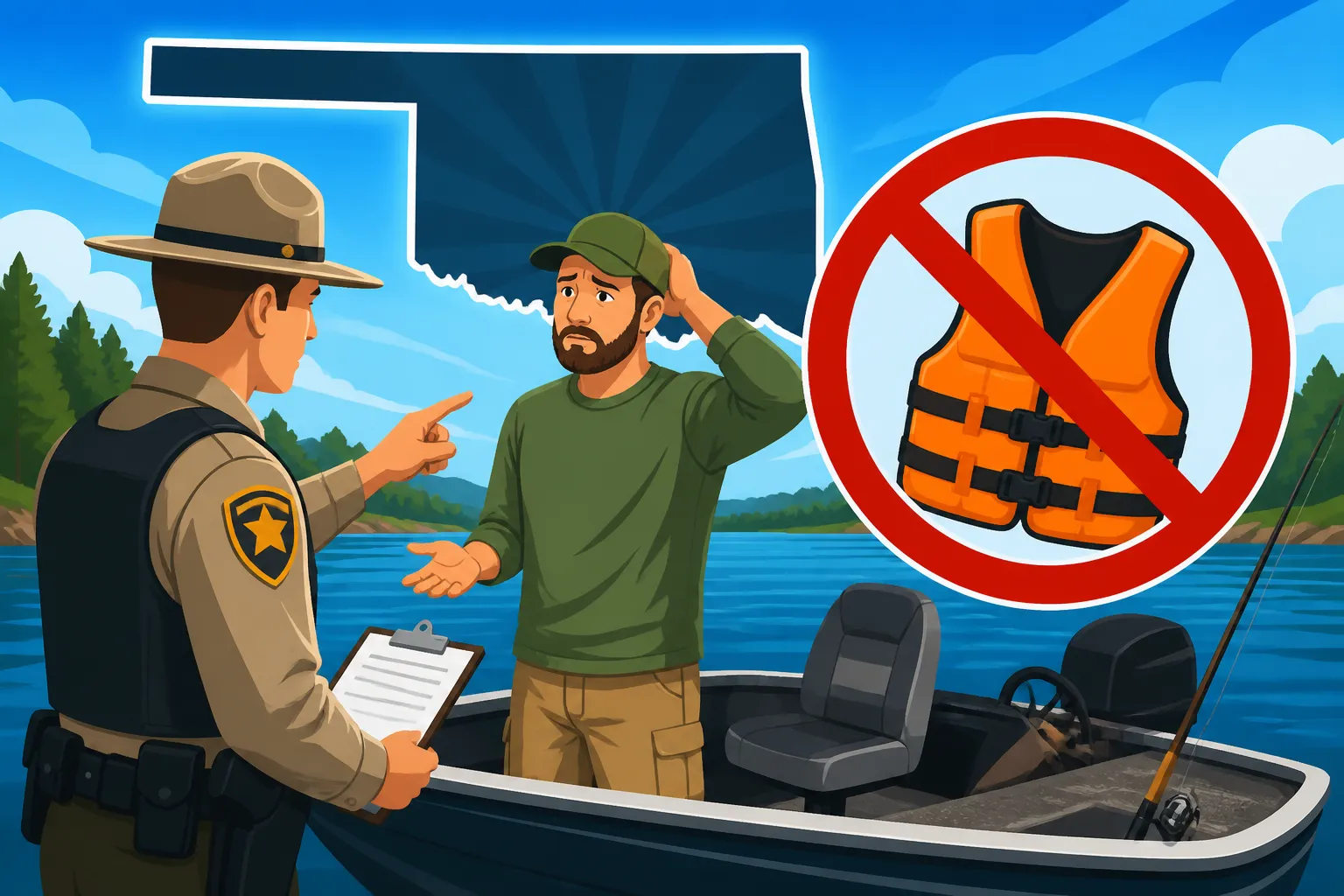
Picture this: you're out on one of Oklahoma's beautiful lakes, the sun's shining, and the fish are biting. Everything feels perfect until a game warden pulls up alongside your boat. They start asking about your safety gear, and suddenly, that relaxing day turns stressful as you realize you might not have all your life jackets in order. The truth is, many Oklahoma anglers underestimate the importance of understanding life jacket regulations, and getting caught unprepared can lead to unexpected fines and, more importantly, put lives at risk. This guide will walk you through the specifics of what happens if you're found without a life jacket on board in Oklahoma, helping you avoid those costly mistakes and ensuring everyone stays safe.
The Serious Business of Life Jackets on Oklahoma Waters
It’s easy to think of life jackets as just another piece of gear, something you throw in a storage compartment and forget about until you really need it. But here in Oklahoma, the state takes boating safety incredibly seriously, and proper life jacket compliance is at the absolute foundation of those efforts. This isn't just about ticking boxes for the law; it's about protecting yourself and your loved ones when the unexpected happens on the water.
The Unseen Dangers of the Open Water
Even on a calm, sunny day, conditions on Oklahoma's vast reservoirs can change in an instant. A sudden gust of wind, a rogue wake from another boat, an unexpected mechanical failure, or even a simple slip on a wet deck can send someone overboard. In these moments, panic can set in, and even the strongest swimmers can find themselves in serious trouble, especially if they hit their head or become disoriented. A properly fitted, accessible life jacket dramatically increases the chances of survival, giving you time to recover, or for help to arrive. Without it, you're relying purely on luck and quick thinking in a high-stress situation.
The Foundation of Oklahoma's Boating Safety Laws
Oklahoma's boating safety regulations, including those for life jackets, are designed to prevent tragedies. They're not just arbitrary rules; they're codified lessons learned from real-life accidents. Game wardens and other law enforcement officers on the water aren't out there to ruin your fun; they're ensuring everyone adheres to these critical safety standards. Their presence is a constant reminder that responsible boating means being prepared for anything, and that starts with having the right Life Jacket and PFD Rules for Boaters for everyone on your vessel. Ignoring these basic requirements isn't just a gamble with your wallet; it's a gamble with human lives, and that's a risk no one should ever take.
Understanding Oklahoma's Life Jacket Mandates
Navigating the specifics of life jacket laws can sometimes feel a bit like trying to read a fishing map without all the landmarks, but it’s crucial for every boater in Oklahoma. There’s a difference between simply having a life jacket on your boat and having one that meets the legal requirements for each person and situation. Let’s break down the rules so you know exactly what’s expected.
Who Absolutely Needs a Life Jacket On Board
For virtually all recreational vessels in Oklahoma, the primary rule is straightforward: you must have a U.S. Coast Guard-approved life jacket for every single person on board. This means if you have three people in your bass boat, you need three life jackets. If you have ten people on your pontoon, you need ten life jackets. These PFDs (Personal Flotation Devices) must be in good, serviceable condition, meaning no torn straps, ripped fabric, or deflated cells. They must also be readily accessible, not stuffed away in a locked compartment under a pile of gear. Imagine trying to dig out a life jacket from the very bottom of a cooler in an emergency—it’s just not practical. So, while adults aren't always required to wear them, they absolutely must be available at a moment's notice.
Consider a scenario where you've got friends visiting from out of state. They're excited to hit Lake Tenkiller, and you're thinking about grabbing some extra snacks. Don't forget to grab those extra life jackets too, just in case your usual supply doesn't cover everyone. A quick stop at Bass Pro Shops or a check on Amazon for extra PFDs before heading to the lake is a small investment for peace of mind and legal compliance.
Specific Wearing Requirements for Children and Water Sports
While the "life jacket for every person" rule applies to all, there are specific situations where wearing the life jacket becomes mandatory. This is particularly true for our youngest anglers and thrill-seekers on the water. In Oklahoma, any child under the age of 13 must wear a U.S. Coast Guard-approved life jacket whenever they are on board a vessel that is underway. This rule is absolute, whether they are in a kayak, a jon boat, or a luxurious cruiser. This is a non-negotiable safety standard designed to protect children, who are often less capable swimmers and more prone to panic in an unexpected fall into the water. You can find more details on this important rule in our guide on Life Jacket Rules for Kids 12 and Under on Oklahoma Boats.
Beyond children, anyone engaged in specific water sports is also required to wear a life jacket. This includes individuals on water skis, wakeboards, tubes, or other similar towed devices. The dynamic nature of these activities, combined with the high speeds involved, makes wearing a life jacket a critical safety measure. Even if you're just enjoying a casual tow on a tube behind your boat, you must have that PFD securely fastened. Our article Why Water Skiers and Tubers Must Wear a Life Jacket in Oklahoma delves deeper into these specific requirements.
Life Jacket Types and Their Importance for Compliance
Did you know not all life jackets are created equal? The U.S. Coast Guard categorizes PFDs into different types (Type I, II, III, IV, and V), each designed for specific uses and levels of buoyancy. While most recreational boaters will use Type II or Type III vests, which are comfortable for continuous wear and suitable for calm, inland waters, it’s important to understand the distinctions. For example, a Type I PFD offers the most buoyancy and is designed to turn an unconscious person face-up in the water, making it ideal for offshore use.
A crucial, often overlooked, requirement for boats 16 feet and longer is the presence of a Type IV throwable device. This isn't a wearable life jacket but a buoyant cushion or ring buoy designed to be thrown to someone who has fallen overboard. It's a supplementary safety item and doesn't count towards your individual wearable life jacket count, but its absence can still lead to a fine. Make sure you understand Type IV Throwable Device Rules for Boats 16 Feet and Longer and always have one readily available. Ensuring you have the right type of PFD for your activity and vessel length is just as important as having the correct number of them.
The Real Cost of Non-Compliance: Fines and Consequences
Let's get down to what happens when those rules aren't followed. No one wants their peaceful day on the lake interrupted by a stern conversation with a game warden, especially when it ends with a citation. The consequences of not having proper life jackets on board in Oklahoma extend beyond a simple slap on the wrist. They can hit your wallet, waste your time, and most critically, expose you and your passengers to genuine danger.
What Happens When a Game Warden Stops You
When a game warden or other law enforcement officer stops your boat on an Oklahoma lake, their primary goal is to ensure safety and compliance. They typically approach politely, identify themselves, and ask to see your registration and proof of safety equipment, including life jackets. They'll likely ask how many people are on board and then visually verify that you have enough U.S. Coast Guard-approved PFDs that are in serviceable condition and readily accessible. They'll also check if any children under 13 are wearing theirs, or if anyone engaged in watersports is properly equipped.
If they find a violation—say, you have four people but only three life jackets, or your child isn't wearing one—they have the discretion to issue a warning, but more often than not, a citation will follow. This isn't usually a roadside chat; it's a formal process that will require you to deal with the legal system. It's a significant disruption to your day, and it can certainly put a damper on what was supposed to be a fun outing. The best way to handle this interaction is to be prepared and compliant from the start.
The Actual Fine You Could Face in Oklahoma
So, how much does it actually cost? While I can't give you a precise dollar figure that's guaranteed to be current as specific laws and penalties can change, boating safety violations in Oklahoma, including those for inadequate life jackets, can carry significant fines. It's often classified as a misdemeanor, and the cost can easily be several hundred dollars once court fees and administrative charges are added in. To put it simply, the fine for not having a life jacket is almost always far more expensive than the cost of simply buying one (or a few!). You could purchase several high-quality life jackets from Bass Pro Shops or online through Amazon for the price of one citation.
Imagine paying a hefty fine just because you forgot to check the bottom of your boat storage for that extra PFD, or didn't realize your nephew, who just turned 12, still needed to wear his. It's an avoidable expense that can sour any fishing trip. Our article, How Much Is the Fine for a Boating Safety Violation in Oklahoma?, delves into the range of penalties you might encounter for various infractions.
Beyond the Dollars: The True Risk of Ignoring Safety
While the financial penalty is certainly an unpleasant consequence, it pales in comparison to the potential human cost of not having sufficient life jackets. Should an accident occur, and someone goes overboard without a PFD, the risk of serious injury or drowning skyrockets. In cold water, hypothermia can set in rapidly, debilitating even strong swimmers. If a person is knocked unconscious, a life jacket can mean the difference between floating face-up and being submerged.
Furthermore, being found negligent in a boating accident due to lack of safety equipment can have severe legal repercussions beyond a simple fine. It could impact your liability in a civil lawsuit, potentially leading to much larger financial burdens and emotional distress. No amount of money can replace a life, and the emotional toll on everyone involved in such a tragedy is immeasurable. Ultimately, the rules are in place to ensure you return home safely after every adventure on the water.
Ensuring You're Always in the Clear
No one wants to deal with fines or, worse, a preventable accident. The good news is that ensuring you’re always compliant with Oklahoma’s life jacket rules is relatively easy with a little planning and consistent effort. Think of it as part of your pre-fishing ritual, just like checking your tackle box or fueling up the boat.
Your Pre-Launch Life Jacket Checklist
Before you ever leave the dock or ramp, make it a habit to perform a quick safety check. This simple routine can save you headaches and heartaches.
- Count Them Up: Mentally (or physically) count every person on board, then count every U.S. Coast Guard-approved life jacket. Ensure the numbers match. Remember, if you’re on a boat 16 feet or longer, you also need that Type IV throwable device.
- Inspect Condition: Quickly examine each PFD. Are there any rips, tears, or excessive fading that would compromise its integrity? Are the straps and buckles fully functional? A damaged life jacket is not a compliant life jacket.
- Check Fit for Kids: If you have children under 13, make sure their life jackets fit them properly and are easy to put on. A life jacket that's too big can ride up around their ears, and one that's too small will be uncomfortable or impossible to fasten. Make sure it's snug but not restrictive.
- Ensure Accessibility: Are all PFDs easily reachable? They shouldn't be under heavy gear or in a locked compartment. The best place is often in plain sight or in a dedicated, easy-access storage area.
- Educate Passengers: Briefly remind everyone, especially new passengers, where the life jackets are and how to use them. For children, reiterate the importance of wearing theirs.
Making this a routine will not only keep you compliant but will also instill a culture of safety on your vessel. You can use our comprehensive Oklahoma Boat Safety Equipment Checklist to cover all your bases.
Choosing the Right PFDs for Everyone on Board
Selecting the correct life jackets goes beyond just meeting the numbers; it’s about providing the best safety and comfort for each individual. Different activities and body types call for different PFDs.
- For General Boating: Most adults will be comfortable with a Type III vest, which is designed for continuous wear and offers a good range of motion, perfect for fishing or casual cruising. These are widely available at sporting goods stores like Bass Pro Shops or online retailers.
- For Children: Always opt for child-specific PFDs sized by weight, not just age. They often feature additional safety elements like a crotch strap to prevent the jacket from riding up and a head support collar for infants and toddlers.
- For Water Sports: While Type III vests often work for watersports, some specialized vests (Type V) are designed with more flexibility and less bulk for active use like wakeboarding or kayaking. Just ensure they are U.S. Coast Guard-approved for the specific activity.
- Fit is Key: A life jacket should fit snugly but allow for comfortable movement. When testing a life jacket, lift your arms straight up; if the jacket slides up past your ears, it’s too loose.
Investing in comfortable, well-fitting life jackets encourages people to wear them, especially kids. Remember, the best life jacket is the one you actually wear.
Making Safety a Habit for Your Crew
Safety on the water isn’t just the captain’s responsibility; it’s a team effort. By involving everyone in the safety process, you create a more secure and enjoyable environment. Start by leading by example – if you wear your life jacket, others are more likely to follow suit, especially kids. Explain why these rules exist, emphasizing that they are for everyone's protection, not just because "the warden said so."
You might even designate a "safety helper" for the day, empowering a family member to assist with the life jacket count or ensure young ones are wearing theirs. Make it a positive experience, perhaps by letting kids pick out their own brightly colored PFDs online from Amazon. The more comfortable and involved everyone feels with the safety protocols, the smoother your time on the water will be, free from worries about fines or, more importantly, accidents.
Frequently Asked Questions About Life Jacket Rules
Even with the clearest regulations, sometimes specific scenarios or common assumptions can lead to confusion about life jacket requirements. Let's tackle some of those frequently asked questions that often trip up even seasoned Oklahoma anglers.
Do Kayaks and Canoes Really Need Life Jackets?
This is a really common question, especially among paddlers who feel more connected to the water in smaller craft. The answer is a resounding yes. In Oklahoma, any vessel, regardless of its size or propulsion method (motorized or human-powered), is required to have a U.S. Coast Guard-approved life jacket for each person on board. This includes kayaks, canoes, paddleboards, and even inflatable rafts. The smaller size of these vessels often means you're closer to the water and more susceptible to capsizing, making life jackets even more critical for immediate safety.
Many paddlers choose to wear their life jackets constantly because of the increased risk and ease of falling overboard. While adults aren't always mandated to wear them in a kayak if the vessel is technically "underway," having them readily accessible often means wearing them anyway. And remember, if you have a child under 13 with you in that kayak, they must be wearing their life jacket. If you're wondering if your particular paddle craft needs to be registered, you might find our article Do Kayaks Need to Be Registered in Oklahoma? helpful, although registration and life jacket rules are separate requirements.
What About That Throwable Device Rule?
Ah, the Type IV throwable device! This is one of those rules that sometimes gets overlooked, especially by folks with smaller boats. As mentioned earlier, Oklahoma law requires any vessel 16 feet in length or longer to carry one U.S. Coast Guard-approved Type IV throwable device. This isn't a wearable life jacket; it's typically a ring buoy or a buoyant cushion designed to be thrown to someone who has unexpectedly gone overboard.
The key here is "readily accessible." It needs to be somewhere you can grab it and toss it to someone in the water quickly, not buried under seats or tackle boxes. While it doesn't count towards the total number of wearable PFDs required for each person, its absence can still lead to a citation if your boat falls into the 16-foot-plus category. It's a crucial piece of safety equipment for assisting someone in the water without putting yourself at further risk by jumping in after them. For more details, check out What Is a Type IV Throwable Device for Boating?.
The "Strong Swimmer" Myth Debunked
"I'm a strong swimmer, I don't need a life jacket." We hear this one all the time, and it's perhaps the most dangerous misconception out there. While it's great to be a confident swimmer, the reality of an accidental fall overboard is rarely a calm, controlled environment. Consider these factors:
- Injury: You could hit your head on the boat or a submerged object when you fall, rendering you unconscious or disoriented. A life jacket would keep you afloat.
- Cold Shock: Even on a warm day, Oklahoma lake waters can be surprisingly cold, especially in spring or fall. Cold shock can cause involuntary gasping, hyperventilation, and rapid incapacitation, even for strong swimmers.
- Exhaustion: Treading water for an extended period, especially against currents or in rough conditions, can quickly lead to exhaustion.
- Unexpected Conditions: Strong winds, sudden waves, or the prop wash from another vessel can make swimming incredibly difficult.
- Medical Emergency: A sudden heart attack or other medical issue can strike anyone at any time, leaving them helpless in the water.
A life jacket provides immediate flotation and conserves your energy, giving you precious time for help to arrive or to regain composure. It's not about if you can swim; it's about being prepared for any eventuality on the water.
Here’s a quick overview of life jacket requirements:
| Item | Requirement | Notes |
|---|---|---|
| Wearable PFDs | One per person on board | Must be U.S. Coast Guard-approved, serviceable, readily accessible. |
| Children Under 13 | Must wear a U.S. Coast Guard-approved PFD | Mandatory when vessel is underway. |
| Water Skiers/Towers | Must wear a U.S. Coast Guard-approved PFD | Applies to anyone on skis, wakeboards, tubes, etc. |
| Type IV Throwable | One on board for vessels 16 feet or longer | Ring buoy or buoyant cushion; must be readily accessible. |
| Condition | Good, serviceable condition | No rips, tears, broken buckles, or waterlogging. |
| Approval | All PFDs must be U.S. Coast Guard-approved | Check for the approval stamp or label. |
Remember, safety on the water is paramount. By understanding and adhering to these life jacket rules, you're not just avoiding a fine; you're ensuring a safer, more enjoyable experience for everyone on your Oklahoma fishing adventure.
Disclaimer
This article is for general informational purposes only and does not constitute professional advice. Laws, prices and regulations vary by location and change over time. Consult a qualified professional for guidance on your specific situation.