Coast Guard Approved Life Jacket Requirements for Oklahoma Boaters
Heading out on Oklahoma's beautiful lakes and rivers for a day of fishing or boating is one of life's simple pleasures, but the rules and regulations around safety gear, especially life jackets, can sometimes feel like trying to untangle a bird's nest of fishing line. It’s easy to get confused about what kind of life jacket you really need, whether it needs to be Coast Guard approved, and who actually has to wear one. This comprehensive guide will untangle that mess for you, breaking down everything you need to know about Coast Guard approved life jacket requirements to ensure your time on the water is both safe and compliant.
Why Coast Guard Approval is Non-Negotiable for Your Life Jacket
When you're out on the water, whether you're chasing bass on Lake Eufaula or enjoying a leisurely paddle on a quiet creek, a life jacket isn't just a suggestion—it's a critical piece of safety equipment. And it's not enough for it to look like a life jacket; it absolutely must be Coast Guard approved. This isn't just a bureaucratic hoop to jump through; it's a standard designed to save lives. Many boaters, especially those new to the sport or just visiting from out of state, might grab any old flotation device, assuming it'll do the trick. Unfortunately, that assumption could put them, or their loved ones, at serious risk and even lead to hefty fines.
What "Approved" Actually Means for Your Safety Gear
When a life jacket or personal flotation device (PFD) is "Coast Guard approved," it means it has undergone rigorous testing and meets strict safety and performance standards set by the U.S. Coast Guard. These tests evaluate everything from buoyancy and strength to durability and how well it keeps a person's head above water. You'll typically find a label inside the life jacket itself, clearly stating that it is "USCG Approved" and often specifying its type (Type I, II, III, V) and flotation performance. Without this label, you're essentially trusting your safety to an unverified product, which could fail when you need it most. It’s peace of mind, really, knowing that someone has thoroughly checked that this device will actually perform its intended function in an emergency.
Consider a scenario where you're out on Lake Texoma on a windy day, and a rogue wave suddenly capsizes your boat. If your life jacket isn't properly approved, it might not provide enough buoyancy, or it could fail structurally, leaving you struggling in the water. This isn't a hypothetical fear; it's why these standards exist. The approval process ensures that the materials are robust, the stitching is strong, and the flotation material won't degrade quickly under normal use. So, when you see that label, you know you're holding a piece of gear that's been designed and tested to meet a specific life-saving purpose.
The Real-World Impact of Non-Approved Jackets on Oklahoma Waters
The consequences of using a non-approved life jacket in Oklahoma extend beyond just personal safety. Legally, game wardens and marine patrol officers have the authority to check for proper safety equipment, including Coast Guard approved PFDs. If you're found with non-approved life jackets, or simply not enough approved ones for everyone on board, you could face a citation and fines. These penalties are designed to deter unsafe practices and encourage compliance with essential safety regulations. It can be a real headache, turning a relaxing day on the water into a frustrating encounter with law enforcement and an unexpected hit to your wallet. You don't want to be that person who has to explain to a game warden why your flotation cushion with a cartoon character on it isn't an approved Type IV device.
Beyond the legal ramifications, the real-world impact on safety is paramount. Imagine a child on your boat slips and falls overboard. If their life jacket isn't properly approved or fitted, it might ride up, not keep their face out of the water, or even fall off entirely. These are terrifying scenarios that proper, approved equipment is designed to prevent. Reputable retailers, like Bass Pro Shops, make it very clear which life jackets are Coast Guard approved, often distinguishing them from novelty flotation devices. Investing in approved life jackets is an investment in the safety of yourself and everyone you share the water with. Oklahoma Life Jacket and PFD Rules for Boaters is a great resource to get familiar with all the regulations.
Understanding Different Coast Guard Approved Life Jacket Types
The world of life jackets isn't one-size-fits-all. The Coast Guard has categorized PFDs into different types, each designed for specific situations and levels of buoyancy. While it might seem a bit overwhelming at first glance, understanding these types is key to choosing the right gear for your Oklahoma boating adventures. Whether you're a serious angler, a family enjoying a pontoon boat, or a kayaker exploring quiet coves, there's an approved life jacket type that's best suited for your needs.
The 'Wearable' Versus 'Throwable' Distinction in Oklahoma
Oklahoma law, in line with federal regulations, often requires both wearable and throwable Coast Guard approved PFDs on board certain vessels. Wearable PFDs are the jackets or vests designed to be worn on a person, providing continuous flotation. These are typically Type I, II, III, or some Type V devices. Throwable devices, on the other hand, are designed to be thrown to someone in distress in the water. The most common type is a Type IV PFD, like a ring buoy or a boat cushion.
For example, if you're on a vessel 16 feet or longer, you'll need at least one Type IV throwable device readily accessible, in addition to having a wearable PFD for every person on board. This is a crucial distinction that many boaters overlook. You might have enough wearable jackets for everyone, but if your boat is long enough, you still need that throwable cushion or ring. It’s an extra layer of safety, allowing you to provide assistance without having to jump in yourself. Type IV Throwable Device Rules for Boats 16 Feet and Longer explains this in more detail.
Matching Your Life Jacket to Your Activity and Vessel
Choosing the right type of Coast Guard approved life jacket depends heavily on the activity you're doing and the type of vessel you're on.
- Type I PFDs (Offshore): These offer the most buoyancy and are designed for rough, open, or remote waters where rescue may be delayed. They are bulky but are excellent at turning an unconscious person face-up in the water. You'll rarely see these on recreational fishing boats unless you're truly far offshore.
- Type II PFDs (Near-Shore): These are good for calmer, inland waters where a quick rescue is likely. They offer less buoyancy than Type I but are more comfortable. They may turn an unconscious person face-up.
- Type III PFDs (Flotation Aid): This is the most common type for recreational boating and fishing. They are very comfortable for continuous wear and come in vest, jacket, or "fishing vest" styles. They might turn an unconscious person face-up but typically require the wearer to assist. If you're looking for a comfortable vest for a day of fishing, a Type III is probably what you're after. You can find a wide variety of these on Amazon, often with pockets for tackle.
- Type V PFDs (Special Use): These are specific-use devices, like those built into work vests, deck suits, or even inflatable PFDs. They are approved for certain activities and must be worn to be considered legal. Inflatable PFDs, for example, are a popular Type V choice for anglers because they are less bulky. However, they have specific requirements, like needing to be armed with a CO2 cartridge and often requiring the wearer to be at least 16 years old.
- Type IV PFDs (Throwable Device): As mentioned, these are not worn but thrown. They are cushions or ring buoys that provide buoyancy for someone in the water.
This table gives a quick overview of the most common types:
| PFD Type | Description | Best Use Case | Buoyancy (Approximate) | Turns Unconscious Face-Up |
|---|---|---|---|---|
| Type I | Offshore Life Jacket | Rough, open, remote waters; delayed rescue | 22 lbs | Most likely |
| Type II | Near-Shore Buoyancy Vest | Calm, inland waters; quick rescue likely | 15.5 lbs | May |
| Type III | Flotation Aid | Most recreational boating; continuous wear | 15.5 lbs | May (wearer assistance) |
| Type IV | Throwable Device | Supplement to wearable PFDs; person-in-water | 16.5 lbs | N/A |
| Type V | Special Use Device | Specific activities (e.g., kayaking, inflatables) | Varies | Varies |
Remember, regardless of the type, that "USCG Approved" stamp is what truly matters for compliance and safety.
Specific Oklahoma Life Jacket Requirements to Keep in Mind
Oklahoma's boating regulations are designed to ensure everyone's safety, and life jackets are a cornerstone of those rules. It's not just about having them on board; it's about having the right types, in the right quantity, for the right people, and in good condition. Missing even one small detail could lead to a fine or, more importantly, put someone at risk.
Life Jackets for Children and Specific Watersports Scenarios
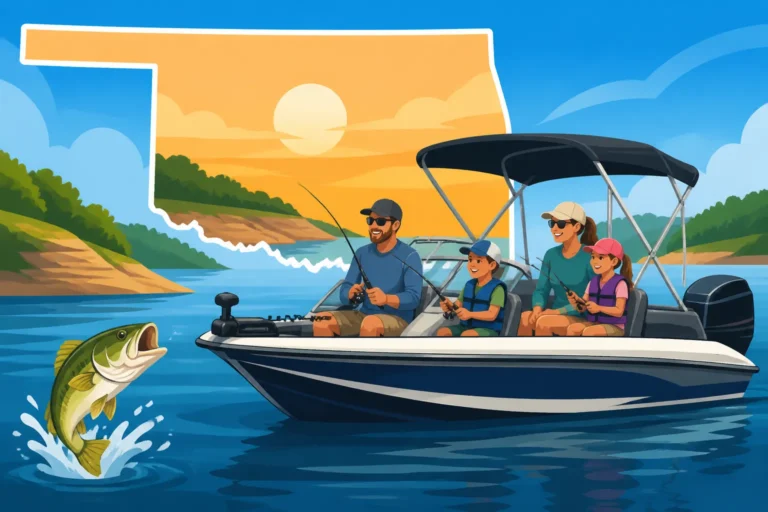
This is where things get particularly strict, and for good reason: protecting our youngest and most vulnerable boaters. In Oklahoma, any child 12 years of age and younger must wear a Coast Guard approved life jacket at all times while on board any vessel that is underway. "Underway" means the boat is not anchored, moored, or aground. So, even if you're just slowly puttering along in a no-wake zone, your little ones need to be securely buckled into their PFDs. This rule is absolute, regardless of whether the child is an excellent swimmer or the water is perfectly calm. You can find excellent child-sized, Coast Guard approved life jackets at places like Bass Pro Shops, which are designed to be comfortable and secure for kids. Life Jacket Rules for Kids 12 and Under on Oklahoma Boats dives deeper into this.
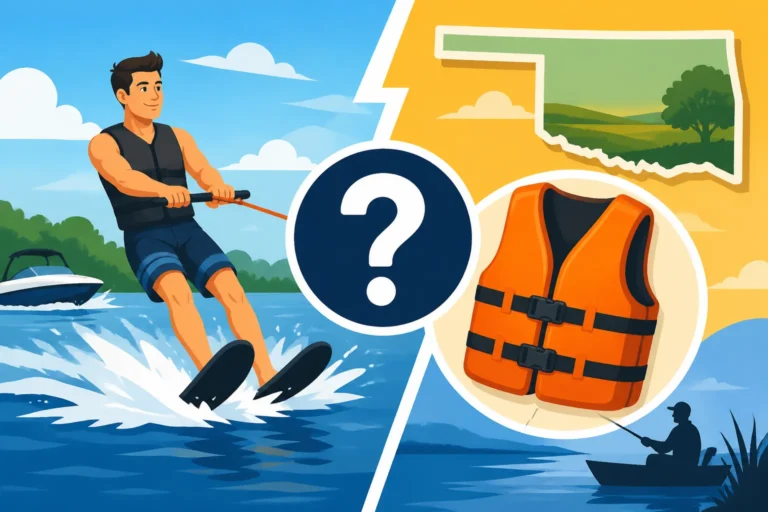
Furthermore, anyone being towed behind a vessel, such as water skiers, wakeboarders, or tubers, is also required to wear a Coast Guard approved life jacket. This applies to all ages. The forces involved in watersports can be significant, and unexpected falls are common. A PFD is absolutely essential to ensure immediate flotation and to help rescuers spot a person in the water quickly. It’s not just for beginners; even seasoned watersports enthusiasts need to comply. Why Water Skiers and Tubers Must Wear a Life Jacket in Oklahoma highlights these specific rules.
Throwable Devices for Boats 16 Feet and Longer
As we touched on earlier, if your vessel is 16 feet or longer, you're required to have at least one Coast Guard approved Type IV throwable device on board. This device must be immediately available for use. This means it can't be stowed away in a locked compartment, under a pile of gear, or otherwise obstructed. It needs to be right there, ready to grab and toss at a moment's notice. Common examples include a ring buoy, a horsecollar buoy, or a flat boat cushion.
Many anglers use these throwable cushions as seats, which is perfectly fine, as long as they are still in good, serviceable condition and can be quickly deployed. The idea is that if someone unexpectedly goes overboard, you can immediately throw them a flotation device while you maneuver your boat back to them. This can be a lifesaver, especially if the person in the water is injured or exhausted. Neglecting this simple requirement is a common mistake and one that game wardens are quick to spot.
The "Carried On Board" Rule for Adults
For adults (those over 12 years of age) on boats, the rule is slightly different. While children 12 and under must wear a life jacket when underway, adults are generally required to have a Coast Guard approved life jacket available for each person on board, but they don't necessarily have to wear it at all times. This means that for every person on your boat, including yourself, you must have an appropriately sized and approved life jacket that is easily accessible. You can't just have one or two for a boat full of people. If you have five adults on your boat, you need five Coast Guard approved life jackets.
However, just because you don't have to wear it doesn't mean you shouldn't. Many experienced boaters and safety advocates strongly recommend wearing a life jacket at all times, especially in adverse weather, when boating alone, or when engaging in activities like fishing where you might accidentally fall overboard. Are Adults Required to Wear a Life Jacket on an Oklahoma Boat? discusses this rule in detail. Think of it this way: a life jacket can't save you if it's stowed away in a locker. While it might feel bulky on a hot day, there are many comfortable, lightweight options available today, including inflatable PFDs, which offer maximum mobility. Why You Still Need a Life Jacket on Board Even as an Adult in Oklahoma offers more perspective on making the safe choice.
Staying Compliant and Safe on Oklahoma Waters: Practical Steps
Navigating the regulations around life jackets might seem like a lot, but it boils down to some straightforward practices that ensure both compliance and, more importantly, genuine safety. It's about being prepared, making smart choices when purchasing gear, and habitually checking your equipment. A safe day on the water is a good day, and a significant part of that safety comes from correctly using your life jackets.
Inspecting and Maintaining Your Life Jackets
Just like any other piece of fishing or boating gear, life jackets need proper care and regular inspection. A life jacket that's torn, waterlogged, or heavily faded might not provide the necessary buoyancy, even if it was originally Coast Guard approved. Here’s a quick checklist for inspecting your life jackets:
- Check for Tears and Rips: Even small tears can compromise the integrity of the flotation material.
- Examine Straps and Buckles: Ensure all straps are secure and buckles snap firmly. Frayed straps or cracked buckles mean the jacket won't stay on properly.
- Test for Buoyancy: If you're unsure about an old jacket, gently push it underwater. If it takes on water or feels heavy, its buoyancy might be compromised. You can also do a "fit and float" test in shallow water to ensure it supports a person's head above water.
- Look for Fading and Mildew: While not always a safety issue, severe fading or mildew can indicate prolonged exposure to the elements and potential material degradation.
- Inflatables: For Type V inflatable PFDs, regularly check the CO2 cartridge for corrosion or punctures, and ensure the inflation mechanism is functioning. Many manufacturers recommend annual inspection and repacking.
If a life jacket shows significant signs of wear and tear, it's time to replace it. Don't take chances with compromised safety gear. Think of it as replacing old fishing line – you wouldn't use frayed line, so don't use a faulty life jacket.
Where to Find Approved Life Jackets and Ensure Proper Fit
When it comes to purchasing life jackets, always buy from reputable retailers that clearly mark their products as Coast Guard approved. Stores like Bass Pro Shops are excellent resources, as their staff are usually knowledgeable about boating safety and can help you find the right type and size for your needs. Online retailers like Amazon also offer a vast selection, but be sure to carefully read product descriptions and look for explicit "USCG Approved" certifications. Avoid buying used life jackets unless you can thoroughly inspect them and verify their approval status and condition.
Proper fit is absolutely critical. A life jacket that is too big can ride up around a person's ears, obstructing their vision and potentially slipping off in the water. One that's too small will be uncomfortably tight and may not provide adequate flotation. When trying on a jacket:
- Buckle or Zip It Up: Make sure all fasteners are secure.
- Lift from Shoulders: Lift the jacket by the shoulders. If it rides up above your chin or ears, it's too large. For children, this test is especially important.
- Check for Comfort and Movement: You should be able to move your arms and breathe easily.
Remember, the goal is to have life jackets that are not only compliant with the law but also provide maximum safety and comfort, encouraging everyone on board to wear them when appropriate. Taking these steps ensures you're ready for whatever Oklahoma's beautiful waters throw your way. If you’re also thinking about other safety gear, check out Oklahoma Boat Safety Equipment Checklist.
Internal Links
- Fishing License Requirements in Oklahoma
- Oklahoma Life Jacket and PFD Rules for Boaters
- Life Jacket Rules for Kids 12 and Under on Oklahoma Boats
- Why Water Skiers and Tubers Must Wear a Life Jacket in Oklahoma
- Type IV Throwable Device Rules for Boats 16 Feet and Longer
- Are Adults Required to Wear a Life Jacket on an Oklahoma Boat?
- Why You Still Need a Life Jacket on Board Even as an Adult in Oklahoma
- Fine for Not Having a Life Jacket on Board in Oklahoma
- Fines for Boating Safety Violations in Oklahoma
- Oklahoma Boat Safety Equipment Checklist
Disclaimer
This article is for general informational purposes only and does not constitute professional advice. Laws, prices and regulations vary by location and change over time. Consult a qualified professional for guidance on your specific situation.