Best Waders for Bank Fishing in Oklahoma
There's nothing quite like the freedom of bank fishing in Oklahoma, but let's be honest: wading through muddy banks, dealing with unexpected splashes, or battling the morning dew can quickly turn a peaceful outing into a soggy, uncomfortable mess. If you've ever wished you could get just a few more feet into that productive shallow water without soaking your jeans or freezing your toes, then this guide is for you. We're going to dive deep into finding the best waders that will keep you dry, comfortable, and ready to tackle any Oklahoma fishing bank, no matter the season or the mud.
Why Waders Are a Game-Changer for Oklahoma Bank Anglers
Many of us start bank fishing in jeans and old sneakers, thinking that's all we need. And for some casual trips, it works. But for those times you want to take your bank fishing seriously, or simply avoid the discomfort of wet clothes, waders are an absolute revelation. They’re not just for fly fishermen in rushing rivers; they’re essential gear for anyone hitting the shoreline of an Oklahoma lake or creek.
Staying Dry and Comfortable: Beyond Just the Rain
The most obvious benefit of waders is staying dry. This isn't just about avoiding a sudden downpour, though they certainly help there! Think about those crisp Oklahoma mornings when the grass is heavy with dew, or when you're trying to land a feisty bass that splashes wildly right at the bank. Without waders, you’re almost guaranteed to have wet socks, muddy pant legs, and a general damp chill that can cut a fishing trip short.
Waders create a protective barrier, allowing you to confidently step through shallow water, navigate boggy spots, or push through wet vegetation without a second thought. This comfort directly translates to more time on the water and a more enjoyable experience. No one likes squishy boots or clammy clothes, especially when you're out there trying to relax and reel in a big one. They also provide an extra layer of insulation, which can be invaluable when the water is still chilly in early spring or late fall around places like Lake Eufaula or Fort Gibson Lake.
Expanding Your Reach: Accessing More Fishing Spots
Perhaps the most underrated advantage of waders for bank anglers is the ability to extend your reach and access previously unreachable fishing hot spots. We've all been there: standing on the bank, looking out at that perfect submerged log, weed line, or rock pile, knowing the fish are holding there, but it's just out of casting range from shore. Or maybe there's a small, shallow creek separating you from a pristine stretch of river bank.
With a good pair of waders, those barriers disappear. You can comfortably wade out into shallow areas, often extending your casting range by 10, 20, or even 30 feet. This extra distance can make all the difference, putting your lure right in front of those hesitant fish that won't come right up to the bank. You can also walk around brush piles or fallen trees that block your access to the main body of water, opening up entire new sections of shoreline to explore. This expanded access is particularly useful on larger reservoirs with gently sloping banks or shallower coves, allowing you to effectively cover more water and increase your chances of finding fish. For more tips on accessing fishing spots, check out Best Bank Fishing Spots in Oklahoma.
Understanding Different Types of Fishing Waders for Oklahoma Conditions
Just like there are different types of lures for different fish, there are various types of waders designed for different fishing situations. Knowing the distinctions will help you pick the best pair for your typical Oklahoma bank fishing adventures.
Stockingfoot vs. Bootfoot Waders: The Great Debate
When you start looking at waders, one of the first decisions you'll face is between stockingfoot and bootfoot designs. Both have their merits, and the best choice often comes down to personal preference and how you plan to use them.
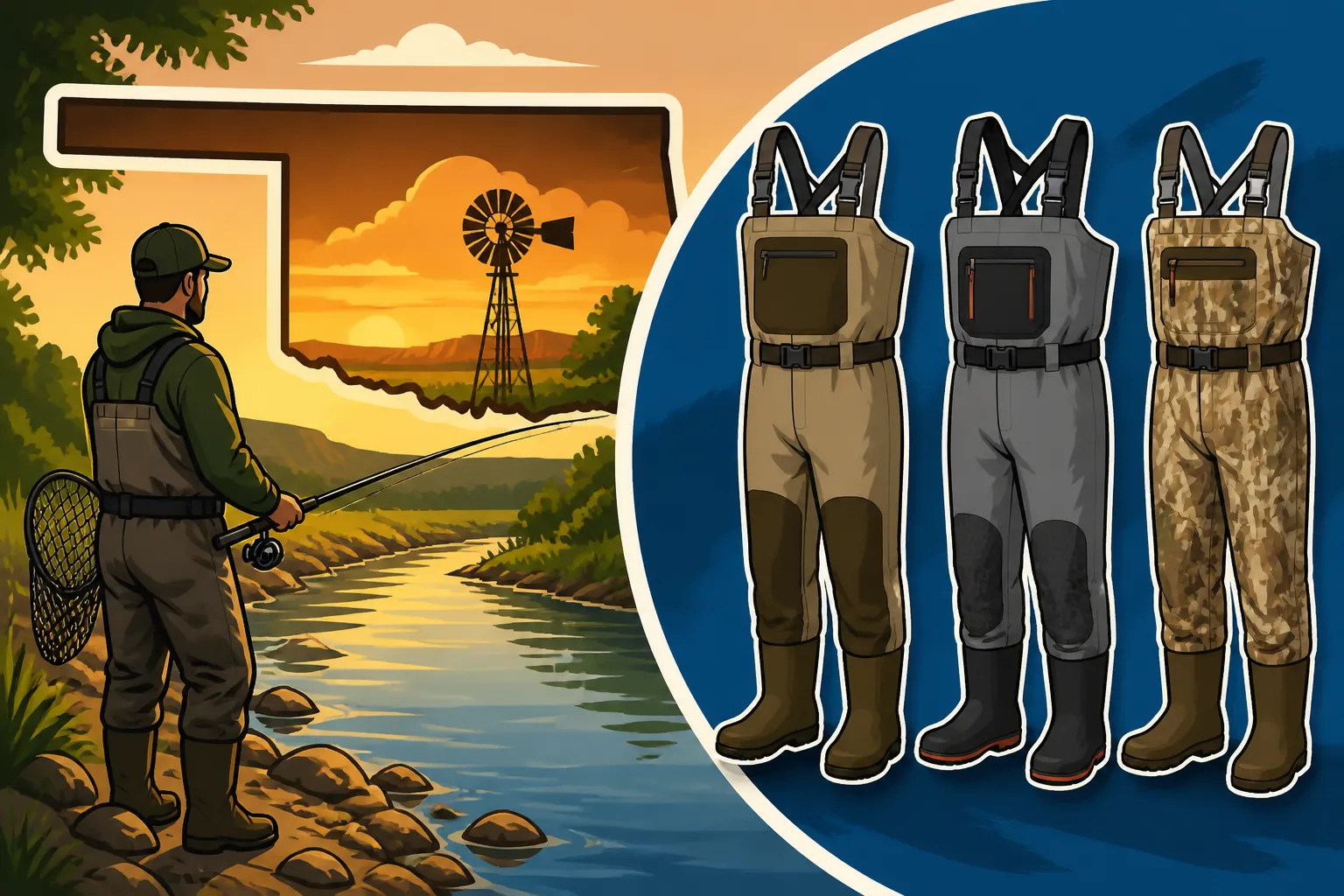
Bootfoot Waders come with the boots permanently attached. This offers incredible convenience: you just slip them on, zip up, and you're ready to go. There's no separate boot to worry about, and they generally seal very well, reducing the chance of water seeping in. For Oklahoma bank anglers who often fish muddy, uneven terrain, the integrated boot can be a huge plus. You don't have to worry about mud getting between your wader sock and a separate boot, and they're typically easy to clean. Many prefer bootfoots for their ease of entry and exit, especially after a long day of navigating muddy banks. However, the integrated boots can be less comfortable for long hikes, and if the boots wear out or get damaged, replacing the entire wader can be costly. They also tend to be bulkier to pack.
Stockingfoot Waders, on the other hand, have neoprene "socks" integrated into the wader legs. You wear these with separate wading boots. This setup offers superior comfort and ankle support, as you can choose boots that fit your foot perfectly and provide excellent traction on slippery rocks or muddy slopes. For anglers who do a lot of walking or need precise footing in rocky creeks, stockingfoot waders paired with high-quality wading boots are often the preferred choice. The separate boots also mean that if one component wears out, you only need to replace that part, not the whole system. They're generally more packable as well. The downside is the extra step of putting on separate boots, and the potential for mud or grit to get between the wader sock and the boot if not properly fitted.
| Wader Type | Pros for Oklahoma Bank Fishing | Cons for Oklahoma Bank Fishing |
|---|---|---|
| Bootfoot | Quick on/off, no separate boots, great for muddy banks, easier cleaning. | Less foot support for long hikes, bulkier to store, if boots fail, entire wader needs replacing. |
| Stockingfoot | Superior comfort/support with chosen boots, good for rocky areas, more packable, modular replacement. | Requires separate wading boots, more time to get ready, mud can get between sock and boot. |
For most Oklahoma bank anglers, especially those who prioritize convenience and frequently encounter mud, bootfoot waders might be the simpler, more straightforward choice. If you're tackling more varied terrain, particularly rocky creeks or areas requiring more hiking, stockingfoot waders with sturdy wading boots could be a better long-term investment in comfort and performance. Many experienced anglers find excellent stockingfoot wader options from brands like RedHead at Bass Pro Shops.
Material Matters: Neoprene, Breathable, and Hybrid Options
The material your waders are made from profoundly impacts their performance across Oklahoma's diverse weather conditions. You'll primarily find neoprene and breathable waders, with some hybrid options combining features.
Neoprene Waders are renowned for their warmth and insulation. Made from the same material as wetsuits, they're fantastic for cold weather fishing, keeping you toasty even when wading in icy water in the dead of winter. If you're planning on fishing through the colder months for species like winter crappie or catfish, neoprene is a solid choice. However, their excellent insulation is also their biggest drawback in warmer weather. In the spring, summer, or even a mild fall day, neoprene waders can quickly become incredibly hot and uncomfortable, leading to sweating and ultimately, dampness from the inside out. They're also generally heavier and less flexible than breathable options.
Breathable Waders are designed to let perspiration escape while preventing water from entering. Materials like Gore-Tex or similar proprietary fabrics allow moisture vapor to pass through tiny pores, keeping you dry from sweat. These are ideal for active anglers, warmer temperatures, and multi-season use when layered appropriately. They are lightweight, flexible, and comfortable for extended periods, making them a popular choice for everything from spring bass fishing to summer evening crappie trips. While they don't offer much inherent insulation, you can easily layer warm clothing underneath them during colder weather, providing versatility. This adaptability makes them a favorite for many, allowing year-round use with smart layering.
Hybrid Waders attempt to offer the best of both worlds, often featuring a breathable upper section for comfort and ventilation, combined with a neoprene lower section for warmth and added durability in the water. These can be a fantastic compromise for Oklahoma's unpredictable shoulder seasons, where mornings might be chilly but afternoons warm up quickly. They offer a balance, ensuring you don't overheat as easily as full neoprene, while still providing some insulation for your lower body when wading. When shopping for these, look for options that clearly state their material composition so you know what kind of balance you're getting.
Chest Waders vs. Hip Waders: How Deep Do You Go?
The cut of your waders is another crucial consideration, especially regarding how deep you anticipate wading or how much protection you need from splashes and mud.
Chest Waders extend up to your chest, held up by suspenders over your shoulders. These are by far the most versatile and popular choice for bank fishing. They offer maximum protection against water, mud, and splashes, allowing you to wade into deeper areas with confidence. If you're crossing small creeks, navigating steep, muddy banks, or want the freedom to venture into waist-deep water to get to a prime fishing spot, chest waders are essential. They also provide excellent coverage against biting insects and thorny brush. For anglers targeting species that frequent deeper pockets accessible from the bank, like certain catfish holes or deeper crappie beds, Best Crappie Fishing Spots on Fort Gibson Lake, Oklahoma, chest waders are non-negotiable.
Hip Waders (sometimes called "pant waders") only extend up to your upper thigh, secured by a belt. These are lighter, less bulky, and can be more comfortable in very warm weather or when you only expect to wade into very shallow water. They're perfect for accessing slightly out-of-reach structure or getting past shallow bank obstacles. If you're fishing a clear, shallow stream or a farm pond where you know you won't go deeper than your knees, hip waders can be a good minimalist option. However, their limited coverage means you're more susceptible to splashes over the top or accidentally stepping into a deeper hole. For the general unpredictable nature of Oklahoma's lake and river banks, chest waders typically offer more peace of mind and adaptability.
Key Features to Look for in Oklahoma Bank Fishing Waders
Beyond the basic type and material, several specific features can make a huge difference in the longevity, comfort, and functionality of your waders, especially when you're roughing it on Oklahoma's varied terrain.
Durability and Puncture Resistance
Bank fishing is tough on gear. You're not always on a pristine sandbar; often, you're navigating through thorny brush, scrambling over rocky ledges, or slipping down muddy slopes. This environment demands waders that can take a beating. Look for materials that are known for their durability, and pay close attention to construction quality. Reinforced knees and a reinforced seat are absolutely critical. These areas take the most abuse from kneeling, sitting on rocks, or rubbing against abrasive surfaces. Many manufacturers use extra layers of material, thicker denier fabrics, or abrasion-resistant patches in these high-wear zones.
A good pair of waders should feel substantial, not flimsy. Check the seams; double-taped or sonic-welded seams are generally more robust and less prone to leaks than stitched seams. Brands that offer robust warranties often stand behind the durability of their products. It's a frustrating experience to have a brand-new pair of waders spring a leak on your first trip to Lake Texoma, so investing in quality construction upfront will save you headaches and money in the long run.
Fit and Comfort for Long Days on the Bank
Comfort isn't just a luxury; it's a necessity for an enjoyable fishing trip, especially if you plan to spend hours on the bank. A properly fitting pair of waders allows for a full range of motion without binding or chafing, and it should accommodate layering underneath during colder weather.
Sizing: Waders are typically sized by shoe size (for bootfoot) and chest/inseam measurements (for both types). Don't just guess your size; measure yourself carefully. You want enough room to comfortably wear warm pants or fleece layers underneath without feeling restricted. However, too much extra material can be bulky and make walking difficult, creating tripping hazards.
Adjustable Suspenders and Belt: Look for adjustable suspenders that are easy to manipulate, even with gloves on, and a sturdy wading belt. The belt is crucial for keeping water out if you accidentally go a little deeper than planned, and it can also provide some lower back support. Some waders even feature elastic or neoprene suspenders for added comfort.
Mobility: Test the waders for mobility. Can you squat, kneel, and lift your legs easily? Do they bunch up awkwardly? Good waders will move with you, not against you, making it easier to climb over obstacles or maneuver your rod when fighting a fish. Consider ordering from retailers like Amazon that have generous return policies, so you can try them on at home and ensure a perfect fit.
Practical Features: Pockets, Zippers, and Repair Kits
The small details can make a big difference in the user experience. Thoughtful features contribute to convenience and extend the life of your waders.
- Pockets: Water-resistant or waterproof pockets are incredibly useful for stashing essentials like your phone, car keys, fishing license, or a small tackle box. A large chest pocket is ideal for quick access to lures or a small camera. Some waders feature fleece-lined hand-warmer pockets, which are a blessing on chilly mornings.
- Zippers and Closures: High-quality, corrosion-resistant zippers (like YKK) are a must. Some chest waders feature a full-length front zipper, making them much easier to put on and take off, and even allowing for quick relief without having to strip down. Ensure all closures are robust and easy to operate.
- Gravel Guards: For stockingfoot waders, integrated gravel guards are crucial. They fit over your wading boots, preventing sand, gravel, and debris from entering your boots and potentially damaging your wader socks.
- Drying Loops: Simple loops at the top of the waders allow you to hang them upside down to dry thoroughly after each use, preventing mildew and extending their lifespan.
- Repair Kits: Many quality waders come with a small patch kit, which can be a lifesaver for quickly fixing minor punctures on the bank. Knowing how to patch your waders can save a trip and significantly extend their utility.
Choosing the Right Waders for Oklahoma's Diverse Seasons and Waters
Oklahoma's weather is notoriously fickle. One day it's mild and sunny, the next it's a cold front blowing through. Your choice of waders needs to reflect this variability to ensure comfort and effectiveness year-round. You might even find yourself needing different pairs for different seasons.
Spring and Fall: Navigating Changing Temperatures
The shoulder seasons in Oklahoma are fantastic for fishing, but they present unique challenges for wader selection. Mornings can be quite chilly, with water temperatures still low, but by midday, the sun can heat things up considerably.
For spring and fall bank fishing in Oklahoma, breathable waders are often the most versatile choice. You can easily layer fleece pants or insulated base layers underneath them when it's cold, then shed those layers if the temperature rises. This adaptability means you're prepared for a wide range of conditions without having to switch waders. Look for breathable waders with good durability, as spring and fall can also bring more rain and muddier conditions. A hybrid wader, with neoprene on the lower half and breathable material on top, could also be a good compromise, providing warmth where you're in the water and ventilation where you're not. Remember to check out the Oklahoma Fishing Seasons: A Month-by-Month Guide to plan your trips.
Summer: Staying Cool While Staying Dry
Fishing during Oklahoma summers often means battling intense heat and humidity. While the idea of waders in summer might seem counterintuitive, they can still be incredibly beneficial for accessing shallow areas or avoiding insect bites.
For summer bank fishing, lightweight, breathable waders are paramount. Forget neoprene; you'll melt. Look for the thinnest, most breathable fabric you can find. Sometimes, even "breathable" waders can feel warm in July, so consider models with lighter colors that reflect sunlight. Hip waders might also be an option if you're certain you won't be wading deeply, as they offer less material overall. Another strategy is to wear minimalist clothing underneath, such as moisture-wicking shorts or lightweight pants. The goal is to stay as cool as possible while still protecting yourself from the water and bank hazards. While Lake Texoma is famous for its striper, the summer heat means you'll want breathable options if wading there.
Winter: Battling the Oklahoma Cold
When the temperatures drop and the water gets frigid, that's when insulated neoprene waders truly shine. If you're determined to hit the banks in December or January, perhaps targeting stout blue catfish or bundled-up crappie, neoprene will provide the critical warmth needed to stay comfortable and safe. The thickness of neoprene is measured in millimeters (mm); 3mm or 5mm are common. For serious winter fishing in Oklahoma, 5mm neoprene offers superior insulation.
Layering is still important underneath neoprene waders, but less so for insulation and more for moisture-wicking. Avoid cotton, which holds moisture and makes you cold. Opt for wool or synthetic base layers. Remember that heavy neoprene can be bulky, so ensure your chosen waders still allow enough mobility for casting and navigating the bank safely. Don't forget, even in winter, a proper fishing license is required; see Oklahoma Fishing License Requirements in Oklahoma.
Specific Oklahoma Scenarios: Muddy Banks, Rocky Creeks, and Farm Ponds
Considering the specific types of waters you fish most often in Oklahoma can further refine your wader choice.
- Muddy Lake Banks (e.g., Lake Eufaula, Keystone Lake): If your fishing adventures often involve slogging through thick, sticky mud, bootfoot waders are going to be your best friend. The integrated boot provides a seamless barrier against the muck, and they're generally easier to clean than trying to pick mud out of separate wading boots. Durability in the lower section is key here, as abrasive mud can be tough on fabric.
- Rocky Creeks and Rivers (e.g., Illinois River, Mountain Fork River): For waters with uneven, slippery, and rocky bottoms, stockingfoot waders paired with excellent wading boots are almost essential. The superior ankle support and traction provided by dedicated wading boots will prevent slips and falls. Look for boots with felt soles or aggressive rubber treads specifically designed for grip on wet rocks. Reinforced knees on your waders will also be valuable when kneeling or scrambling.
- Farm Ponds and Smaller Lakes: For smaller, more controlled environments like local farm ponds or smaller state park lakes, your needs might be less extreme. If you're just wading in very shallow water to reach structure or get around overgrown banks, hip waders might suffice, especially in warmer weather. However, if you often encounter dense vegetation, snakes, or unknown depths, chest waders still offer more peace of mind and protection.
The right waders aren't just a piece of gear; they're an investment in your comfort, your safety, and ultimately, your enjoyment of Oklahoma's incredible bank fishing opportunities. By considering these factors, you'll be well on your way to finding the perfect pair to accompany you on countless adventures.
Disclaimer
This article is for general informational purposes only and does not constitute professional advice. Laws, prices and regulations vary by location and change over time. Consult a qualified professional for guidance on your specific situation.